















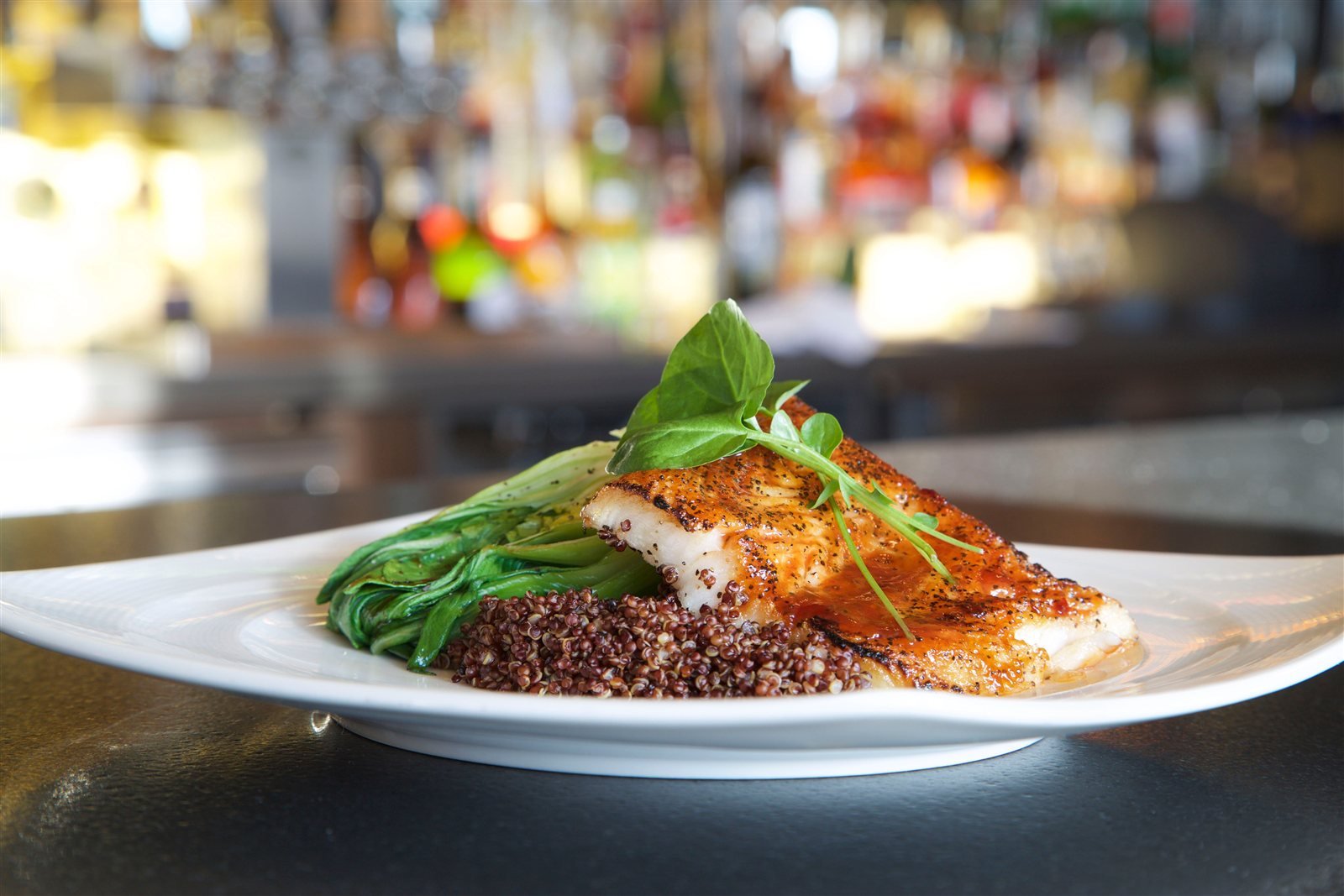


Fish with grains and greens — archive photograph, 2015. Photo Stephen Leonardi / Pexels.
The meal arrives and the phone comes out first. Bright colours, a glossy sauce and an oversized plate make an inviting photograph. But the picture cannot tell you how much salt is in the dish, whether it will satisfy you or how its ingredients were stored. Enjoying food belongs in every trip. So does a quieter question: what will help you enjoy the rest of the day?
Look at the ingredients before the decoration
Start with what you can recognise: vegetables, a source of protein, and grains or other starchy foods that suit your appetite and activity. This is a practical way to look for variety instead of relying on fashionable labels such as “detox” or “superfood”. Those words do not guarantee a balanced meal, and a higher price does not automatically mean better nutrition.
WHO recommends obtaining carbohydrates primarily from whole grains, vegetables, fruit and pulses. A simple application might be wholegrain bread, lentils or seasonal vegetables alongside a meal. You do not need a perfect menu that becomes impossible to follow outside your own kitchen.
Do not let the itinerary replace your meals
Between the flight, museum and shops, a day can disappear into coffee, a pastry and one very large dinner. Leave a realistic opportunity to eat in your plans. Carry something straightforward if useful: fruit you can safely wash or peel, or unsalted nuts if you have no relevant allergy. The aim is not a rigid timetable; it is to avoid arriving at every restaurant ravenous.
The breakfast buffet is not a challenge
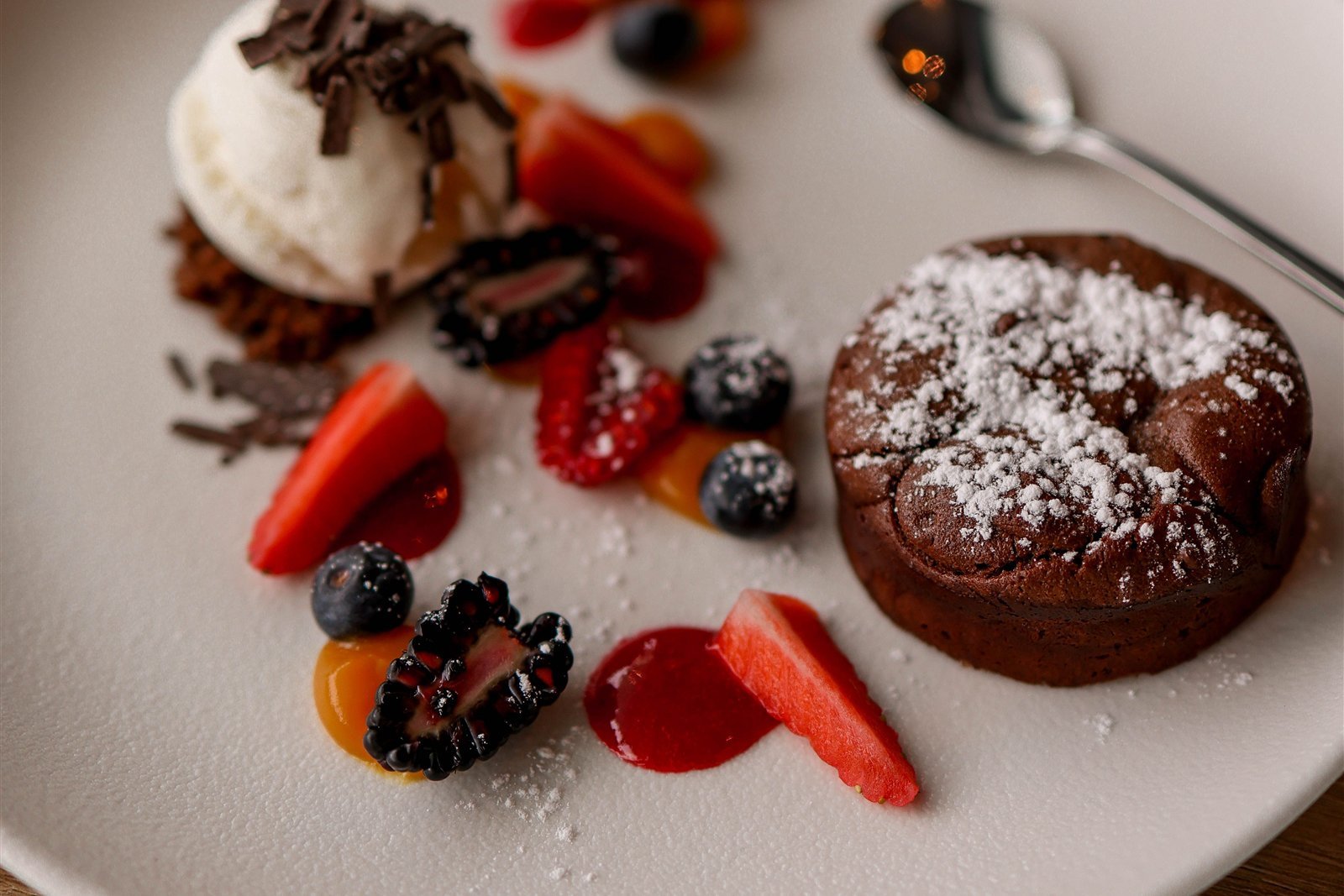
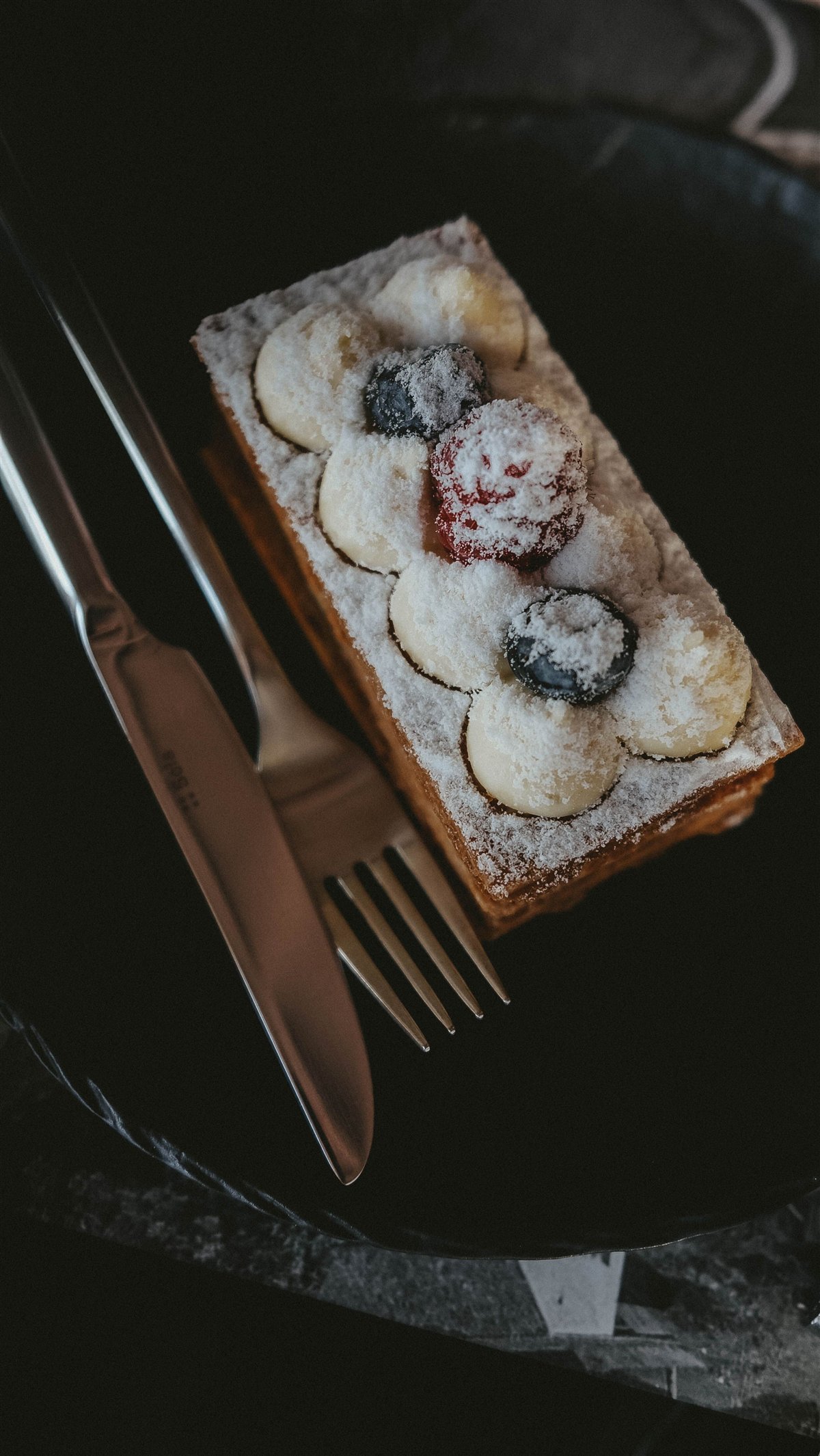
Look around before filling your plate. Choose what you actually want, combine different ingredients and then decide whether you are still hungry. A local pastry or a dessert you love can be part of the trip. One meal does not define your whole eating pattern, and breakfast need not become a competition to consume everything included in the room price.
Fruit and vegetables belong across the day
WHO recommends at least 400 grams of fruit and vegetables daily for people older than ten. Younger children have different requirements. Think of this as a daily goal rather than a large amount to squeeze into dinner: fruit at breakfast and vegetables at other meals can make it easier to put into practice.
Food safety matters more than the presentation
A colourful salad is not automatically safe, and a luxurious dining room cannot tell you how ingredients were handled. WHO’s five keys are to keep clean, separate raw and cooked food, cook thoroughly, keep food at safe temperatures and use safe water and raw materials.
Choose safe drinking water. If the water supply is uncertain, consider the source of ice as well. Avoid food that should be hot or cold but has been left at an unsuitable temperature. With an allergy, ask clearly about ingredients and cross-contact rather than relying on a menu photograph.
Ask two useful questions
How is this cooked? Could the sauce be served separately? These questions help you understand your choice and decide how much to add without turning dinner into a calculation. Drink water regularly and notice sweetened drinks that accumulate across the day.
If you have diabetes, kidney disease or a prescribed eating plan, your needs may differ. Prepare with your healthcare professional rather than replacing personal advice with a general travel guide.
Enjoy what you love and discover the flavours of the destination. Give ingredients, safety and appetite as much attention as the photograph. The most rewarding meal is one you enjoy and feel comfortable continuing your day after.
Sources: WHO: healthy diet; WHO: five keys to safer food.

Cite this article
When citing the text or analysis, include the magazine, title, original URL and publication date. Preserve the stated attribution of statistics and photographs.
OUISTARS Travel — A Beautiful Plate Is Not Always the Best Choice: How to Eat Well While Travelling
Published: