









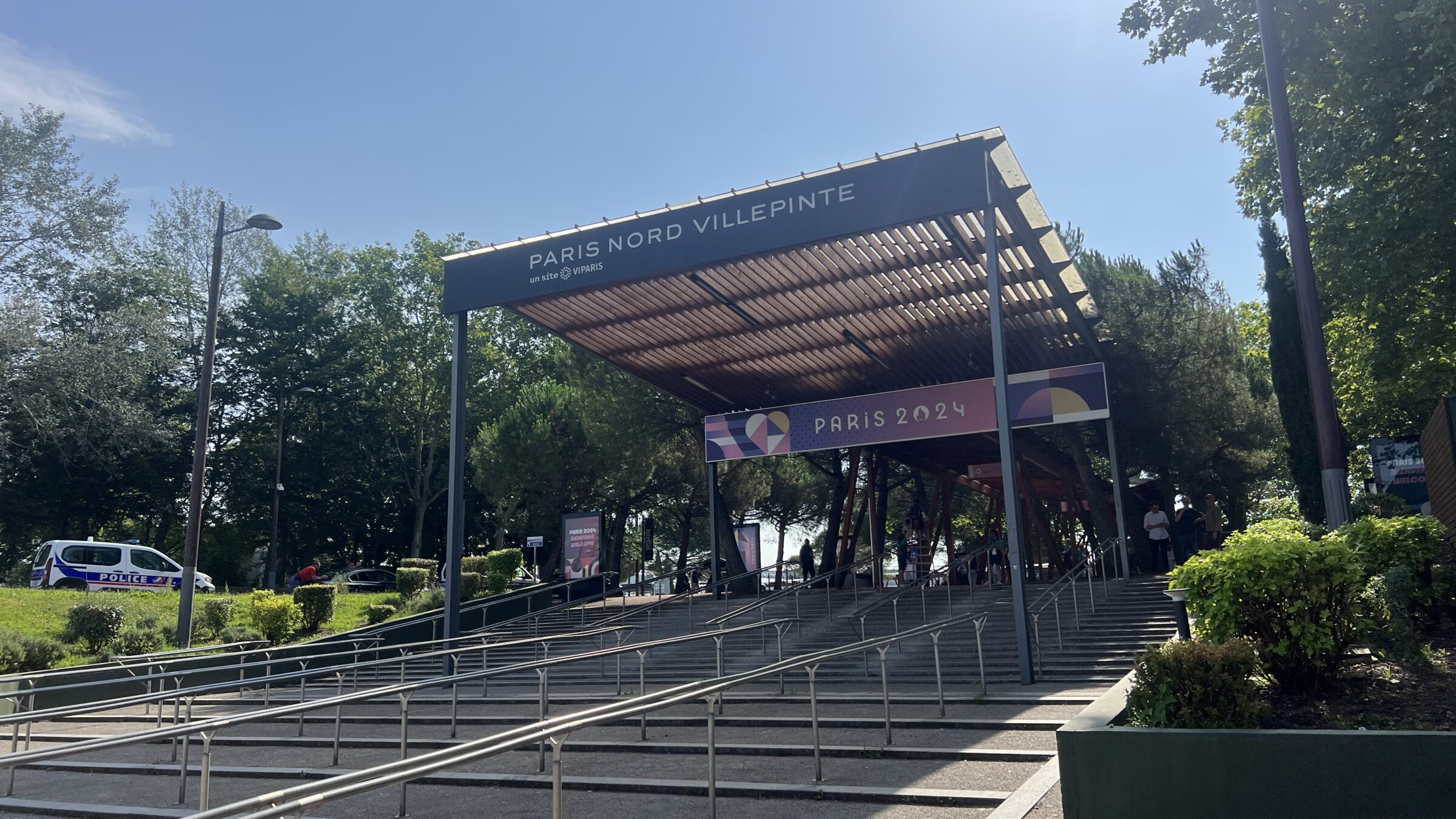
SIAL is a business marathon. Protect time between the airport, hotel and Paris Nord Villepinte with a realistic schedule.
Editorial context
The official programme is the starting point. Study accreditation, access, meeting schedules and the people behind the event. Use the visit to understand demand, not only to collect impressions.
Practical planning
Paris traffic and venue distances reward advance planning. Confirm opening times and allow a buffer for security and queues.
OUISTARS Travel: Professional airport transfers and chauffeur services can simplify movement between meetings and venues. See ouistars.com.
OUISTARS Travel services in France can coordinate airport transfers and professional chauffeur support for guests and delegations.
FAQ
Where are official dates confirmed?
Verify dates, accreditation and access on the organiser’s official website before travelling.
How should visitors plan mobility?
Allow time for queues and city traffic; pre-booking a professional transfer can simplify the day.
The story behind the search
At first glance, hotels, Villepinte access and the mobility decisions that protect a business schedule looks like a narrow specialist subject. In practice it is a story about how Paris turns ideas into an international economy. The people who arrive are not one audience: they are designers, buyers, students, founders, journalists, technicians, hoteliers and local residents. Each group reads the city differently, yet all depend on the same things—accurate information, reliable access and enough time to make decisions.
That is why a premium magazine feature must go beyond a list of names. A calendar is useful only when a reader understands who controls access, how the day is organised and what can realistically be seen. The same principle applies to a trade show: a venue map matters, but the commercial value lies in the meetings arranged around it. Paris rewards visitors who prepare with that wider picture.
People, places and the business of attention
Paris remains powerful because its creative and commercial districts sit close together. A runway appointment can lead to a showroom conversation, a supplier meeting, a museum visit or a dinner that continues the workday in a less formal setting. Villepinte has a similar logic: an exhibition stand is only one part of the trip, alongside hotels, transfers, restaurants and follow-up meetings. The city is not background scenery; it is part of the business proposition.
For readers planning a visit, the practical questions are decisive. Check the official organiser calendar, confirm whether an event is by invitation, reserve accommodation early and build time for security, registration and traffic. Keep a second route in mind when a metro disruption or a delayed meeting changes the schedule. Professional chauffeurs and pre-arranged airport or venue transfers can be useful for groups carrying samples, collections or equipment, but the editorial priority is always a well-planned day rather than a particular supplier.
What professionals should watch next
The next cycle will be shaped by sustainability, traceability and measurable commercial outcomes. Fashion buyers increasingly ask where a fibre was made and how a collection will be delivered; food buyers ask for transparent sourcing, packaging innovation and resilient logistics. These are not abstract trends. They influence the exhibitors invited, the conversations that happen and the investment that follows.
Readers should also separate confirmed information from expectation. Dates, access rules and exhibitor lists can change, so the official organiser remains the final reference. Treat forecasts as analysis, not guarantees. A strong visit combines curiosity with discipline: research the people worth meeting, leave room for discovery, and record contacts while the conversation is fresh.
A useful Paris checklist
- Confirm dates, venue and entry requirements on the organiser’s official website.
- Choose a hotel with a realistic journey to the venue and a quiet place for follow-up calls.
- Prepare a short meeting agenda, digital credentials and a practical plan for samples or luggage.
- Allow time for security checks, registration and peak-hour traffic.
- Use contextual mobility support when it protects client comfort and punctuality.
That combination—editorial context, verified details and practical judgement—is what turns a search result into a genuinely useful Paris briefing.
Field notes from this story
Villepinte planning is part of the exhibition strategy. A calm arrival, workable hotel base and reliable daily transport protect time for meetings.
What the reader should take away
The strongest coverage does not reduce a complex subject to a list of tips. It explains who makes decisions, where value is created and what can change next. That is the editorial test applied here: practical guidance anchored in the people and institutions behind the headline.
A disciplined way to plan
Start with the official calendar and venue information, then build a realistic timetable with travel buffers. Confirm access rules, appointment times and booking conditions directly with organisers or providers. For business visitors, record every meeting objective; for travellers, protect time for discovery rather than filling every minute.
Accuracy before excitement
Dates, programmes and commercial conditions can change. Readers should recheck the organiser’s latest notice before committing money or travel. This article separates established information from informed interpretation so that inspiration never replaces verification.
Closing perspective
Paris rewards attention to detail. Whether the subject is a runway, a materials fair or a global food exhibition, the memorable experience is built in the space between the headline and the human encounter. Arrive prepared, ask better questions and leave room for the unexpected.