













Culture & Power
The controversy dividing filmmakers, media executives and cultural figures across France.
French cinema has always celebrated rebellion, freedom and artistic independence. But what happens when the people financing the films are accused of deciding who is allowed to speak?
That question followed the French film world from a public letter into the glare of Cannes. Behind the premieres was a colder drama: artists confronting the broadcaster their industry can scarcely do without. The Canal+ French cinema controversy is about one executive’s words, but also ownership, money and the invisible limits imposed when tomorrow’s film depends on today’s powerful partner.
The Letter That Reached Cannes
On 11 May 2026, the collective Zapper Bolloré published an open letter in Libération. Roughly 600 initial signatories—directors, actors, producers and technicians—warned about concentrated cultural influence associated with Vincent Bolloré. Directors Robin Campillo and Boris Lojkine were among the publicly identified names; the list later grew.
Their concern was structural. Through financing, broadcasting and STUDIOCANAL, Canal+ occupies several points in a movie’s life. Bolloré Group held 33.71% of shares and 34.10% of voting rights at the end of 2025, according to the company’s annual report. It is a controlling shareholder under UK listing rules, but not under French commercial law. Legal control and cultural influence are not identical.
What Canal+ Said—and Later Clarified
At Cannes on 17 May, Canal+ chief executive Maxime Saada said the group no longer wished to work with the signatories. In an industry built on recurring collaborations, the remark sounded like exclusion. The LDH and CGT Spectacle announced legal action, alleging discrimination. That announcement was not a judicial finding.
Saada later said he had never intended a blacklist. Canal+ would not track technicians or automatically refuse films employing signatories; projects would be assessed individually. He nevertheless maintained that a project leader’s treatment of Canal+ could enter that assessment. The company called the letter unfair to its teams and record. The original words explain the alarm; the clarification prevents an allegation becoming established fact.
The Money French Cinema Cannot Ignore
The argument changes when budgets appear. The CNC’s 2025 study found that broadcasters financed 68.4% of French-initiative films. Canal+ invested €155.6 million and remained, by far, the leading broadcaster funder. That capital supports blockbusters, first films, animation and vulnerable middle-budget work.
A previous agreement committed €480 million for 2025–2027. On 27 July 2026, Canal+ and leading film organisations signed an unprecedented five-year agreement worth €980 million from 2028. It protects debut filmmakers, emerging talent, diversity, animation and films du milieu. The accord does not erase May, but shows negotiation still anchors the French model.
Why UGC Changes the Argument
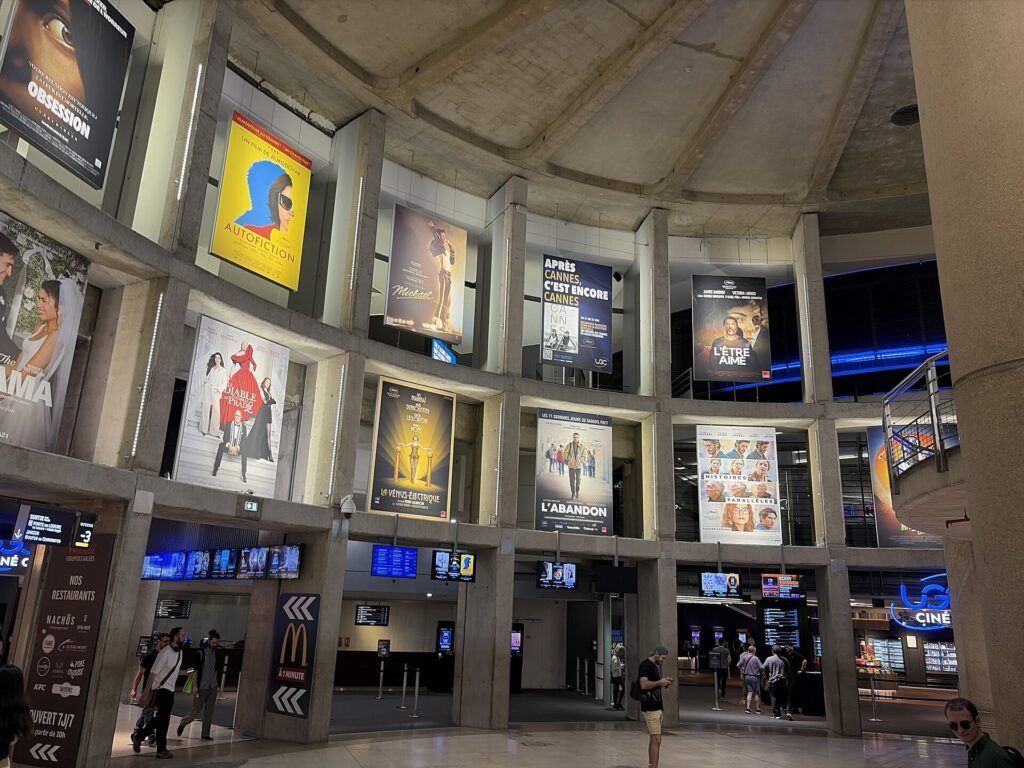
The most sensitive word may be “chain.” Canal+ acquired 34% of UGC in 2025, with a potential path to control from 2028. UGC operates 55 cinemas in France and Belgium, including UGC Ciné Cité Les Halles, one of the world’s busiest theatres. Canal+ presents this as confidence in theatrical exhibition.
Filmmakers see the reverse: if one group can finance, produce, distribute, broadcast and potentially influence exhibition, can an independent voice negotiate equally? The question is legitimate; a predetermined answer is not. Canal+ currently holds a minority stake. Any serious account of the Canal+ French cinema controversy must separate present ownership from a possible 2028 outcome.
The Quieter Danger of Self-Censorship
Censorship suggests a forbidden scene or closed door. Cultural power can be subtler. A writer softens a pitch; a producer avoids a controversial collaborator; a young director wonders whether one signature will outlive the news cycle. That is self-censorship: no instruction is required once economic uncertainty enters the room.
Yet dependence does not prove ideological interference in individual films. Canal+ points to four decades of investment across commercial, auteur and independent cinema. The responsible test is practical: transparent selection, enforceable safeguards, plural financing and decisions that withstand scrutiny. Artistic freedom needs more than declarations; investors need stable rules and audiences.
Why Audiences and Cultural Travellers Should Care
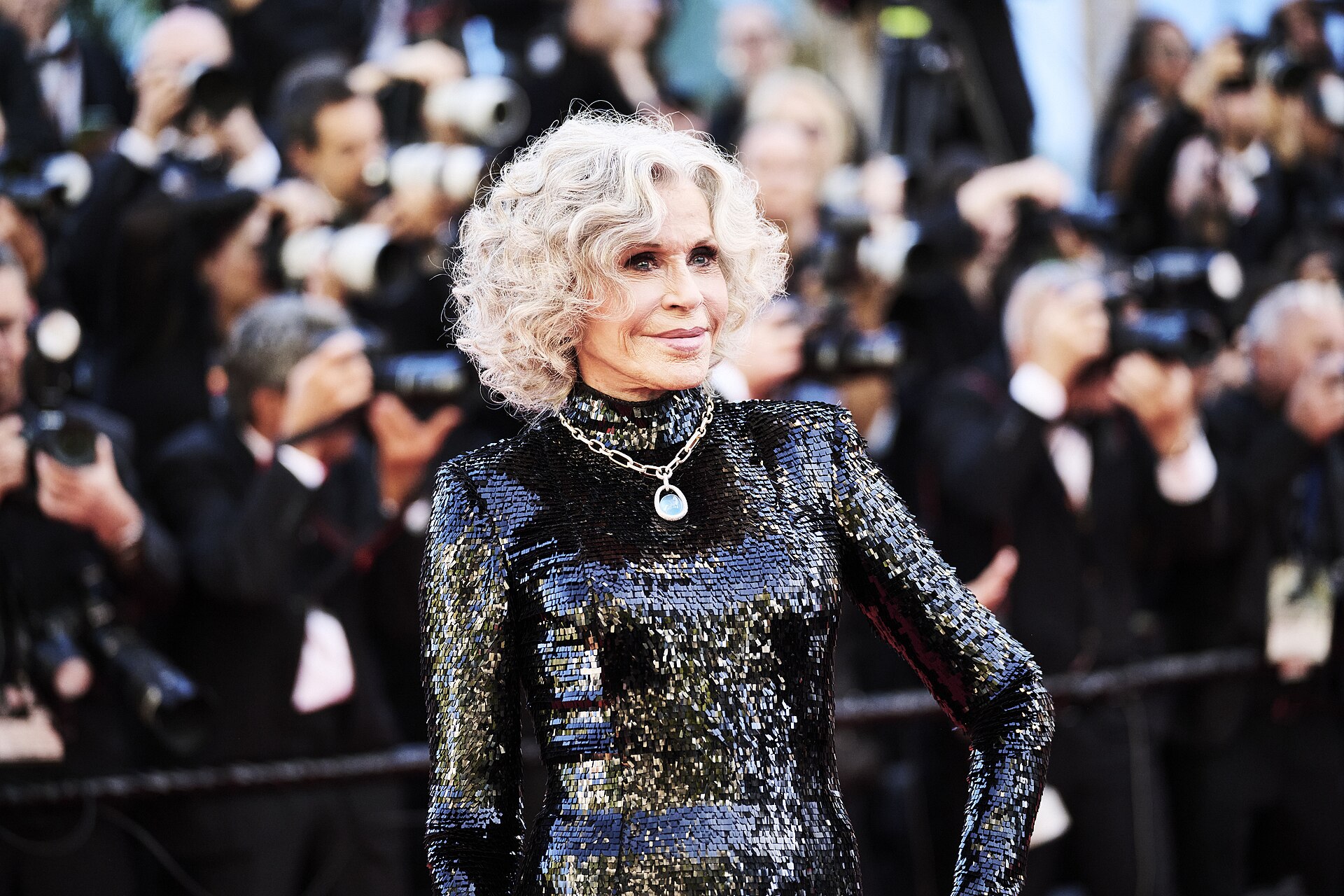
French cinema lives in the hush before a Cinémathèque française screening, neighbourhood neon and the collective gasp inside the Palais des Festivals. The 79th Festival de Cannes opened on 12 May 2026 celebrating boldness and freedom—the values under dispute days later.
Visitors can read Paris through its screens: compare historic Paris architecture, follow our ultimate Paris experiences, or see how spectacle reshapes the city during Paris Fashion Week. Festivals across France turn theatres, hotels and squares into cultural capitals.
For international visitors, film professionals, production teams and cultural delegations, oui stars can coordinate destination management and discreet luxury mobility in Paris, Cannes, Nice and across France. It complements a cultural itinerary curated through OUISTARS Travel Magazine; it never replaces the encounters that make cinema travel memorable.
A Settlement Stronger Than a Winner
There is no single answer to who “really controls” French cinema. Shareholders possess rights; executives allocate capital; institutions set rules; filmmakers create meaning; audiences decide what endures. The five-year agreement is constructive because it binds money to diversity and emerging voices. Its test is the range of films reaching screens.
French cinema is strongest when artists can criticise without fear, investors support ambition without caricature, institutions defend pluralism and audiences remain curious. The controversy can then become a reminder: cultural freedom survives through shared vigilance, and diversity is not the enemy of strength but its source.
Frequently Asked Questions
What started the Canal+ French cinema controversy?
A 11 May 2026 open letter warned about media concentration and Vincent Bolloré’s cultural influence. Maxime Saada’s Cannes response intensified the dispute.
Did Canal+ create a blacklist of filmmakers?
Saada’s initial remarks were interpreted as a blacklist threat. He later denied any blacklist and said projects would be assessed individually.
How much does Canal+ invest in French cinema?
The CNC recorded €155.6 million from Canal+ in 2025. A new agreement commits €980 million over five years beginning in 2028.
Does Canal+ control UGC cinemas?
No. Canal+ owns 34% of UGC. The transaction includes a potential path to control from 2028, subject to relevant agreements and conditions.
Why does this controversy matter to audiences?
Financing and exhibition decisions shape which stories are made, promoted and seen. Greater transparency and pluralism protect the range of French films available to audiences worldwide.
OUISTARS travel planning: Travellers arranging a trip in France can review OUISTARS private chauffeur and luxury transportation services for airport meet-and-greet, hotel transfers and tailored journeys.









.jpg)