







Luxury Travel · Paris
What Is Louis Vuitton Building in Paris? Museum, Luxury Hotel or the Next Global Landmark?
OUISTARS Travel Magazine analyses the luxury brand’s mysterious Paris project and explores the possibilities that could reshape luxury tourism in the French capital.
Paris is watching. Luxury travellers are asking. The tourism industry is waiting. Louis Vuitton is preparing one of its most ambitious Paris projects, yet one question remains unanswered: What exactly will it become?
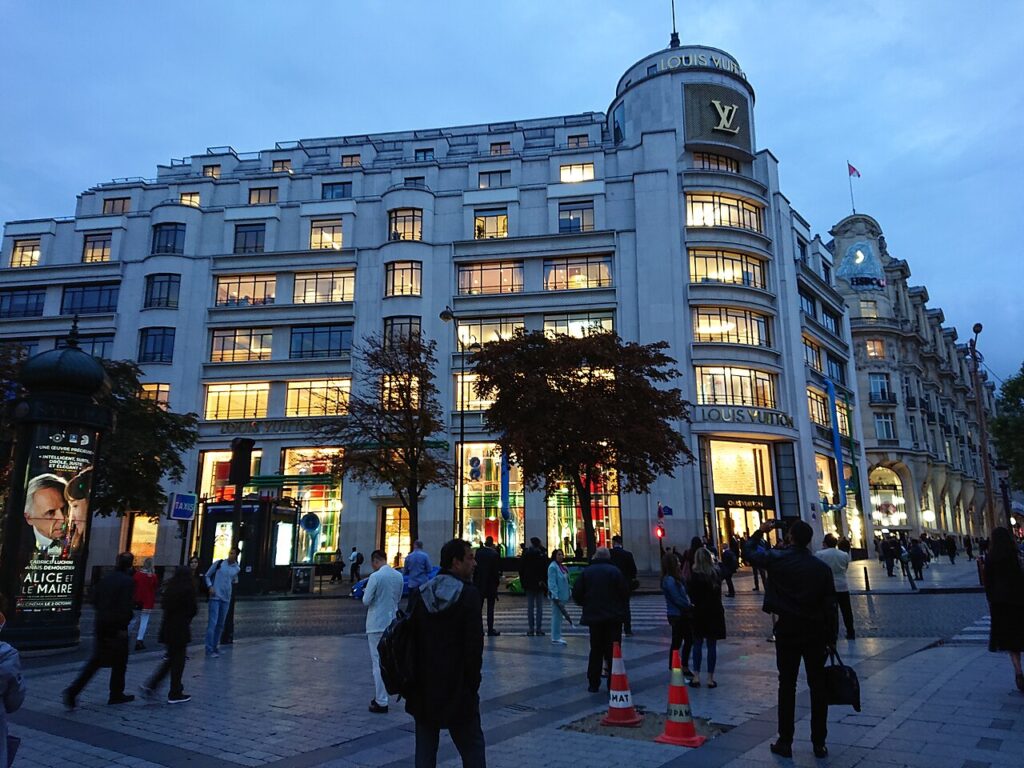
At 103–111 Avenue des Champs-Élysées, an immense silver trunk rises between traffic and Belle Époque stone. It is temporary theatre around a real construction site. Behind it, a protected former palace is being remade at a scale that makes “new store” feel inadequate.
Reporting note: this analysis reflects information available on 28 July 2026. Confirmed facts, past proposals and editorial interpretation are identified separately.
Why Everyone Is Talking About the Louis Vuitton Paris Project
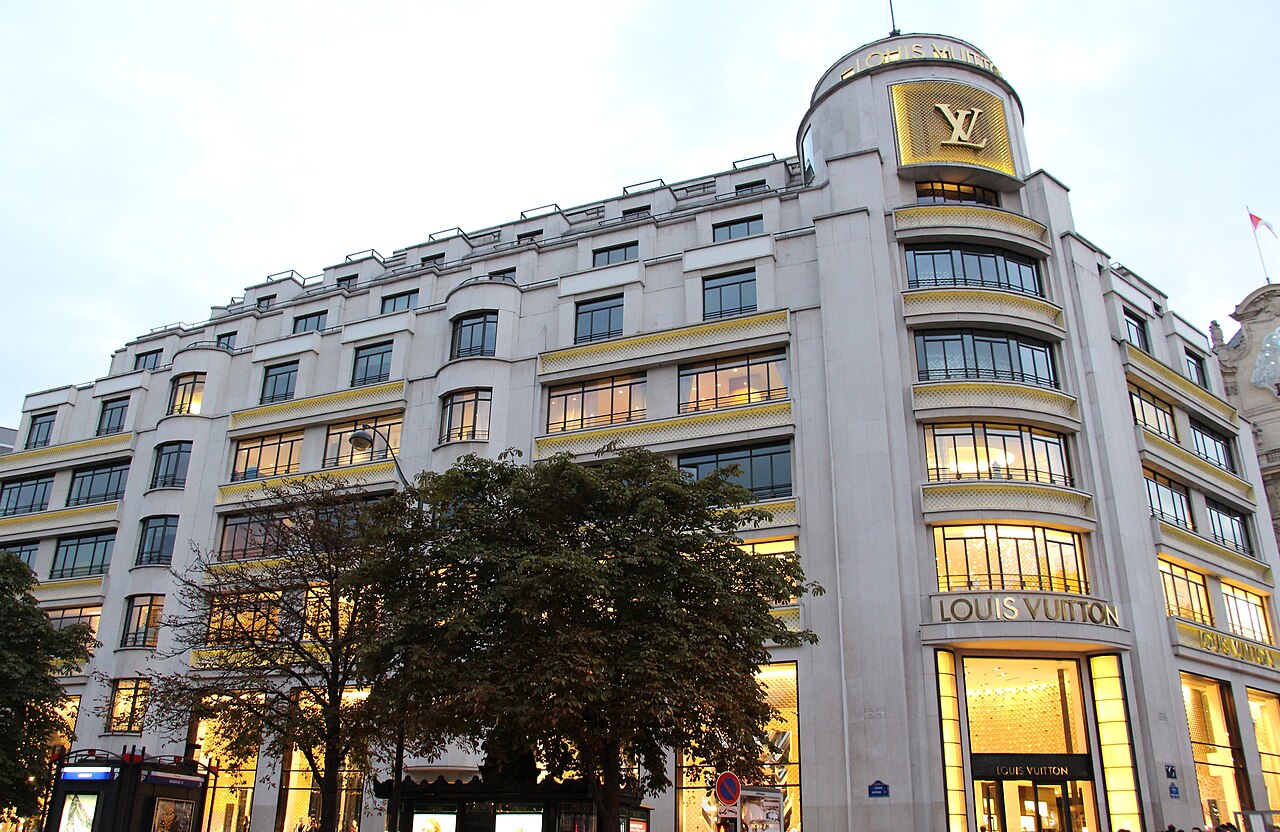
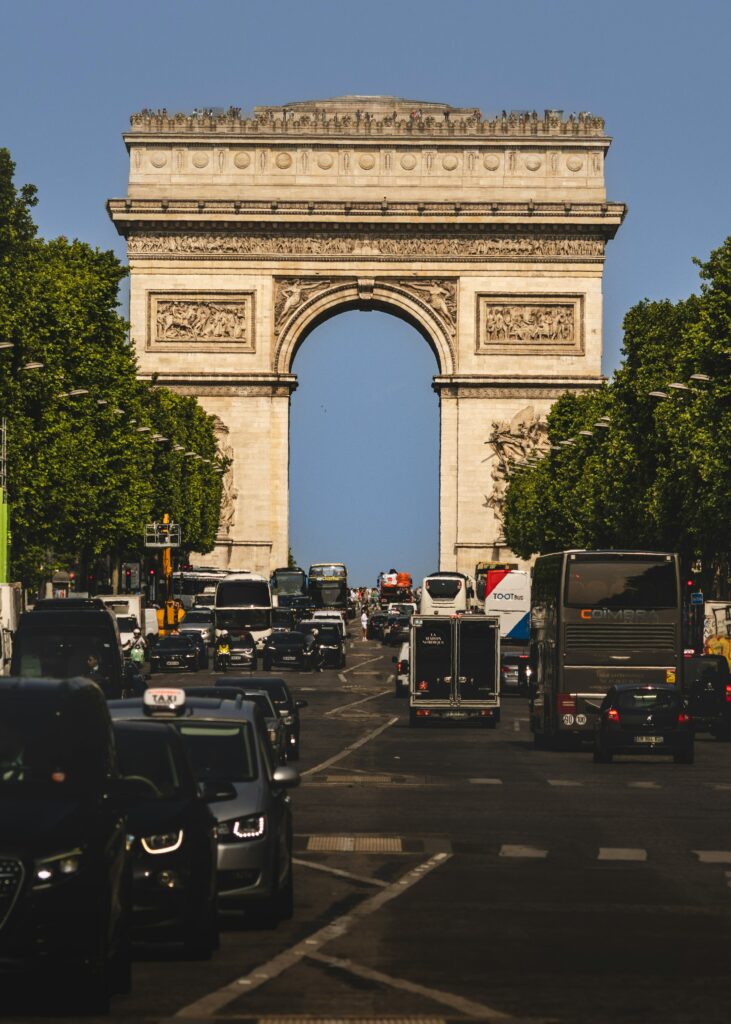
The address explains part of the fascination. The building sits near the Arc de Triomphe, beside the Golden Triangle and almost opposite Louis Vuitton’s Maison at number 101. Visitors already treat this stretch of the Champs-Élysées as an itinerary, not simply a shopping street. The monumental trunk has made the unfinished site a stop in its own right.
The scale explains the rest. Louis Vuitton rarely separates commerce from storytelling: architecture, art, craft and spectacle frame the products. Our account of why Paris became the fashion capital traces the history beneath today’s theatre.
What Has Been Officially Confirmed?
The clearest evidence is administrative. A Paris commercial-planning decision approved a 5,886-square-metre Louis Vuitton store at 103–111 Avenue des Champs-Élysées in 2023. It described complementary hotel, restaurant, spa and art-gallery uses, plus geothermal energy, planted roofs and a target of 50 percent bio-based, recycled or sustainably certified materials.
The building itself is not anonymous. The French Ministry of Culture’s heritage register dates it to 1899, names Georges Chedanne as architect and records its street façades and roofs as protected historic fabric. It was created for the 1900 Exposition Universelle and once housed the Élysée Palace hotel.
What has not been published is equally important. As of 28 July 2026, Louis Vuitton has released no complete programme, visitor arrangements or opening date. Construction remains concealed by the trunk. The 2023 filing proves what was authorised then—not that every component survives unchanged.
Could It Become a Museum?
No museum at this address has been announced. Yet the approved programme included art galleries, while the Maison maintains archives and works with artists, architects and cultural institutions. A museum-scale element could turn fashion heritage into a reason to visit.
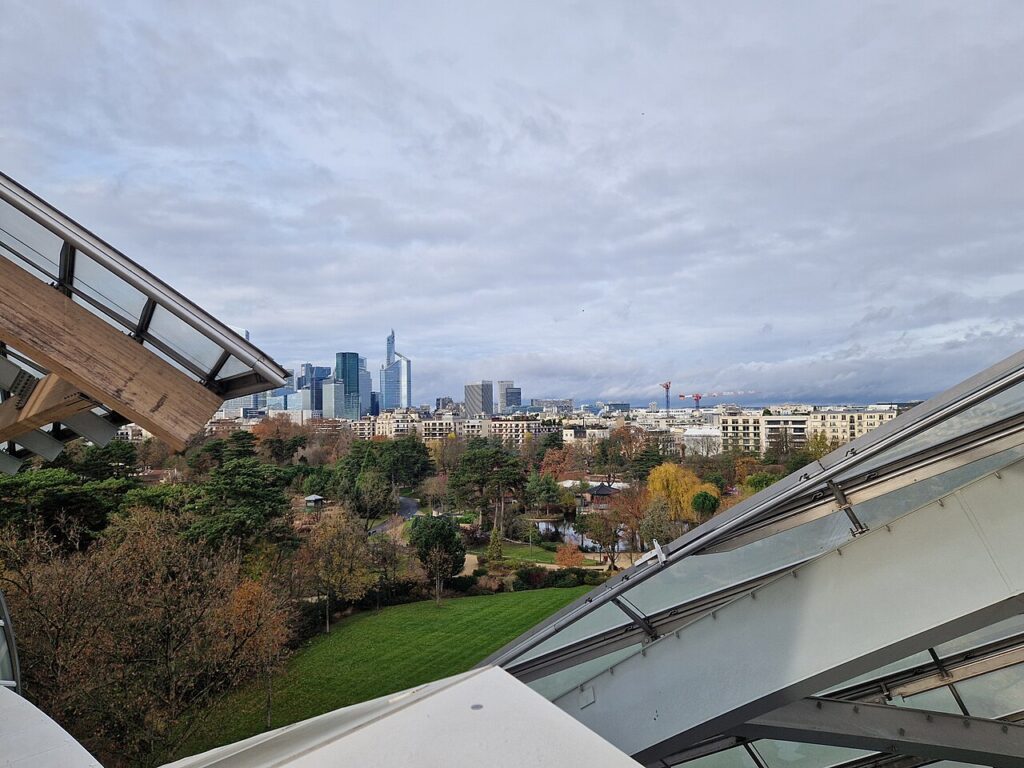
The precedent is the Fondation Louis Vuitton. Frank Gehry’s building opened in 2014 with eleven galleries and a 3,850-square-metre museum area. It demonstrates that a luxury-funded cultural institution can become part of Paris’s architectural map. But the Fondation is a separate institution in the Bois de Boulogne; its existence is evidence of cultural ambition, not proof of a second museum on the Champs-Élysées.
Could It Become a Luxury Hotel?
This was once the strongest rumour because the 2023 decision explicitly listed hôtellerie. The former palace’s history made the idea irresistible as luxury groups extended their codes into restaurants, residences and hotels.
But the position changed. During LVMH’s 2025 full-year results presentation in January 2026, Bernard Arnault said Louis Vuitton would not enter the hotel business. Until the company says otherwise, the responsible conclusion is that a Louis Vuitton-branded hotel is no longer the expected outcome. Restaurant service, a spa or palace-like hospitality could still exist without guest rooms. They should not be confused with a hotel.
For travellers choosing accommodation near the site, our guide to the best Paris areas for five-star hotels places the Champs-Élysées within the wider luxury-hotel geography.
Could It Become Something Entirely New?
This is now the most credible possibility: a retail-led “Maison” operating like a cultural destination. Imagine collections across several floors, exhibitions, savoir-faire, dining, private salons and events. Not an institutional museum. Not a hotel. Not an ordinary flagship.
Hybrid destinations answer a commercial reality. A product can be bought online; a memorable place cannot be downloaded. The physical store must offer access, narrative and social currency. On the Champs-Élysées, where global footfall meets relentless imagery, the building itself becomes media.
OUISTARS Editorial Analysis: A Landmark Designed to Hold Attention
Our view: based on Louis Vuitton’s long-term investment in architecture, culture and experiential luxury, OUISTARS Travel Magazine believes the project is likely to become far more than a flagship boutique. The confirmed retail core and mixed-use approvals point toward a layered Maison. The hotel hypothesis has been weakened decisively; a museum component remains possible but unconfirmed.
Whether the final formula emphasises exhibitions, gastronomy, VIP hospitality or a new category, its impact on Paris tourism could be significant. This is editorial analysis, not insider information. The most intriguing outcome may borrow the emotional grammar of museums and hotels while remaining unmistakably Louis Vuitton.
How the Project Could Change Paris Luxury Tourism
A new anchor on an already powerful avenue
A destination-scale opening can lengthen shopping visits, feed nearby restaurants and hotels, and alter the sequence of a Paris day. It may also intensify fashion tourism around launches, exhibitions and Fashion Week. Our premium guide to Paris’s iconic experiences explains why successful itineraries balance headline landmarks with neighbourhood texture rather than accumulating stops.
Operational effects beyond the front door
Destination management companies such as oui stars monitor major openings because they affect airport transfers, private chauffeurs, concierge planning, hotel demand, VIP movements, corporate schedules and Fashion Week logistics. A chauffeur-led Champs-Élysées shopping itinerary may need different timing once a new attraction creates queues or private appointments. Planning should follow verified information—not speculation.
Why Luxury Brands Are Becoming Tourism Destinations
The strongest luxury houses now compete with cultural attractions for time. Architecture supplies permanence; exhibitions add meaning; restaurants and salons extend the encounter. Together, they transform a shop into a chapter of the trip.
Paris is especially receptive because fashion, decorative arts, gastronomy and monumentality already overlap. The Louis Vuitton Paris project is therefore larger than one company’s expansion. It tests whether a private brand space can become a recognised urban landmark without surrendering cultural credibility. The answer will depend on what is accessible to the public, the quality of its programme and how sensitively the protected 1899 building emerges from behind the trunk.
For now, the façade performs its paradox perfectly: it hides the building while making it impossible to ignore. Paris knows the address. The industry understands the stakes. The final revelation belongs to Louis Vuitton.
Frequently Asked Questions
What is Louis Vuitton building at 103–111 Avenue des Champs-Élysées?
Official planning records confirm a 5,886-square-metre Louis Vuitton store within a mixed-use redevelopment. The complete final programme has not been publicly announced.
Is the Louis Vuitton Paris project a hotel?
A hotel was included in 2023 planning material, but Bernard Arnault said in January 2026 that Louis Vuitton would not enter the hotel business. A branded hotel is therefore not the expected outcome unless the company makes a new announcement.
Will the new Louis Vuitton building contain a museum?
No museum has been confirmed. Approved art-gallery space and Louis Vuitton’s cultural strategy make exhibitions plausible, but that is not the same as an announced museum.
When will the Louis Vuitton Champs-Élysées project open?
As of 28 July 2026, Louis Vuitton has not published a definitive public opening date for the completed project.
Can visitors enter the construction site now?
No general visitor access has been announced. The building remains an active redevelopment, while the existing Louis Vuitton Maison nearby at 101 Avenue des Champs-Élysées operates separately.







.jpg)
.jpg)
