






THE STORY BEHIND THE HOTEL · PARIS, EPISODE 5
On 25 August 1944, soldiers climbed the staircase of a Paris palace to seize the German commander of the city. Years later, Salvador Dalí would make the same address his Parisian stage. Le Meurice has spent nearly two centuries balancing ceremony with disruption, and elegance with the pressure of history.
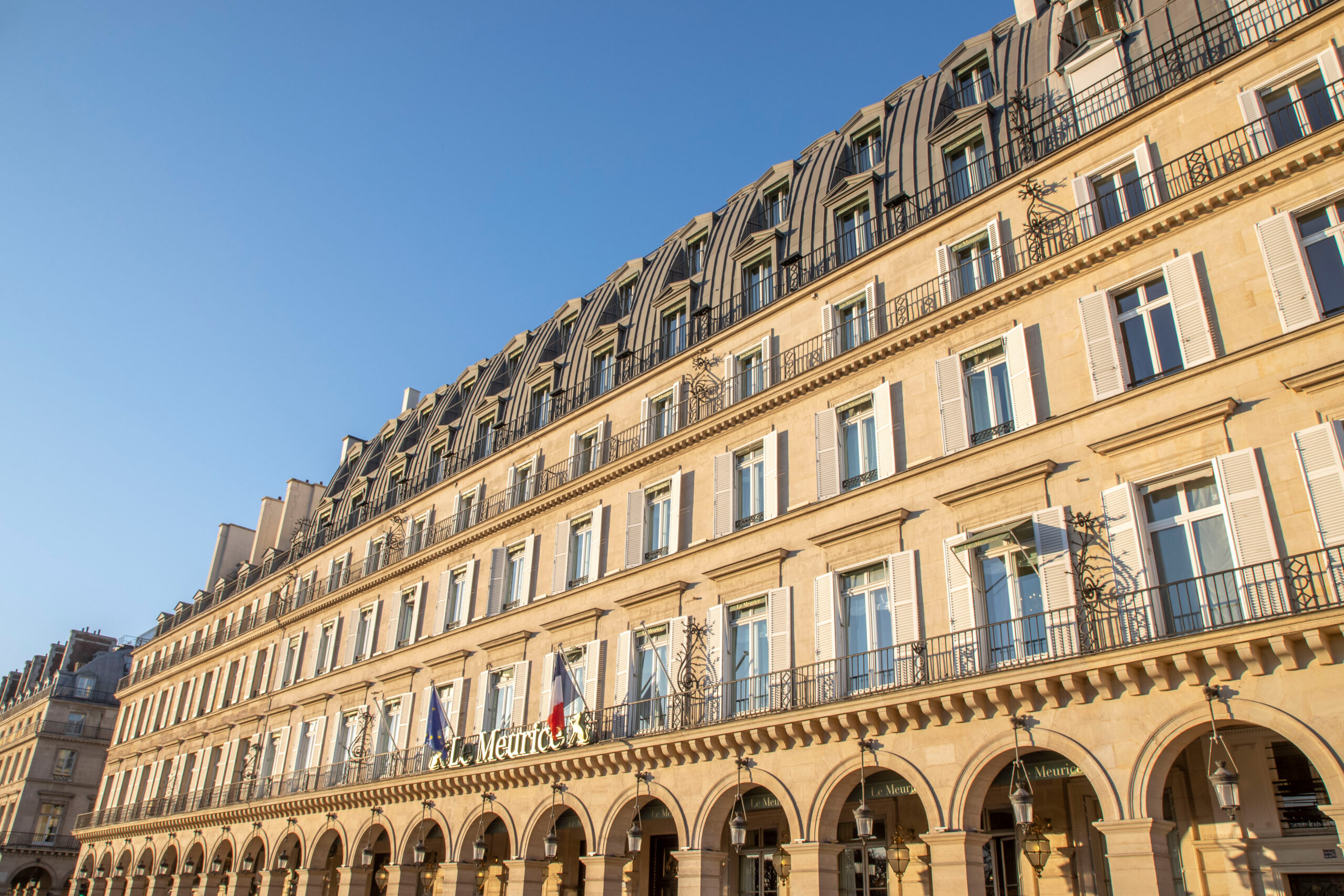
From the arcades of rue de Rivoli, Le Meurice appears almost inevitable: pale stone, measured windows, the Tuileries opposite and the Louvre a few minutes away. Yet this Paris luxury hotel was not created simply to look grand. It began as a practical idea for travellers crossing from Britain, then evolved through royal visits, political upheaval, artistic obsession and repeated reinvention.
This is not a review and it is not an advertisement. It is the true story of a hotel whose rooms have hosted painters, kings and generals, while its public spaces have become part of the cultural memory of Paris.
A hotel designed for the journey to Paris
Charles-Augustin Meurice understood the anxieties of nineteenth-century travel. His first hotel in Calais catered to British visitors arriving from across the Channel. In Paris, an earlier establishment operated on rue Saint-Honoré before the hotel moved in 1835 to its present position at 228 rue de Rivoli.
The location was strategic. Guests found the Tuileries gardens opposite, the royal and administrative heart of the city nearby, and the long arcaded street protecting them from rain and traffic. Meurice aimed to give British travellers the habits and comforts they recognised, while placing them at the centre of Paris. The formula made hospitality itself part of the journey.
Architecture made for ceremony
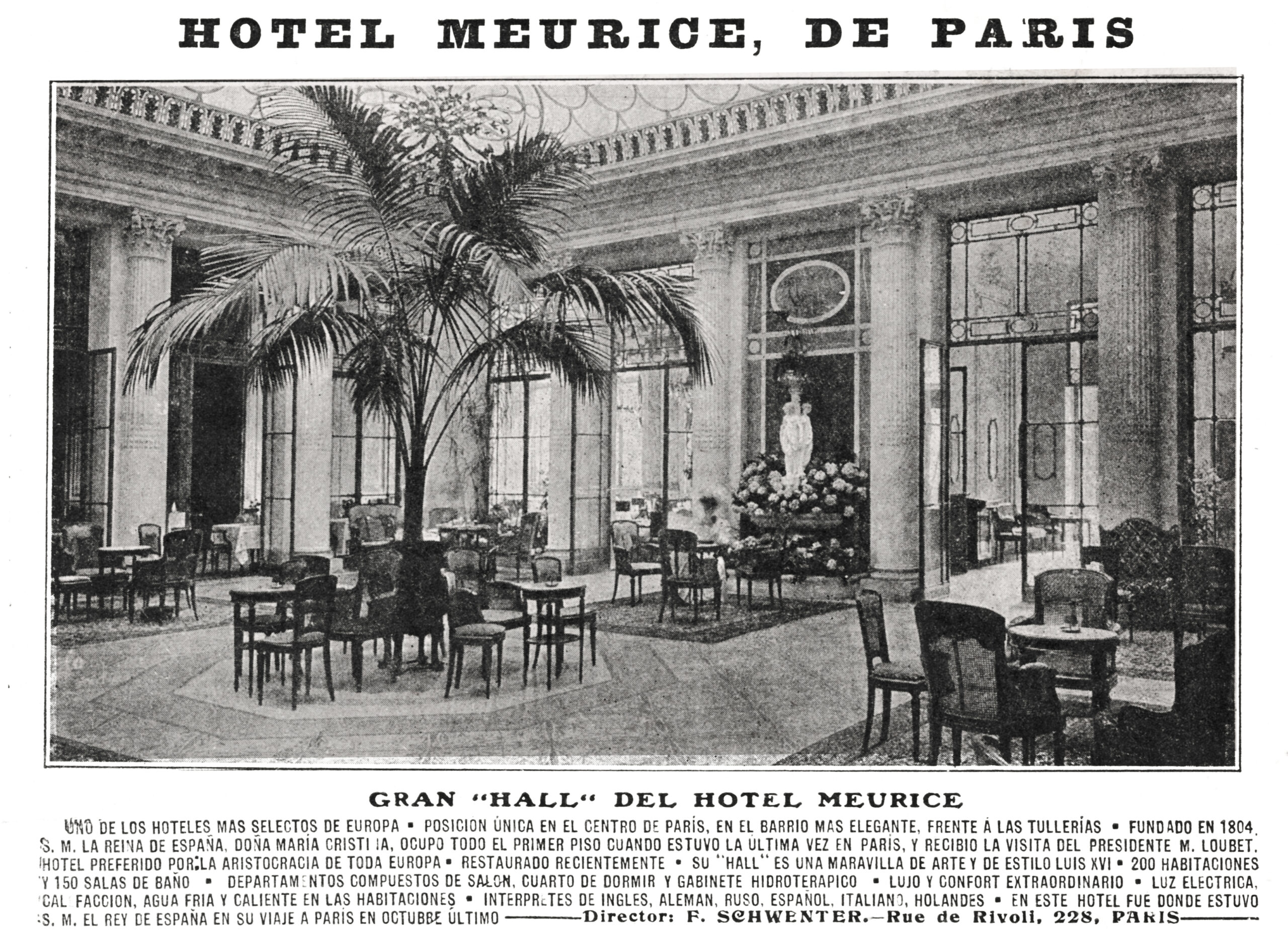
By the end of the nineteenth century, the original hotel could no longer contain its ambitions. The owner Arthur Million began a major expansion in 1898. The work culminated in 1907 with a rebuilt and enlarged palace that retained the discipline of rue de Rivoli outside while creating richly ceremonial rooms within.
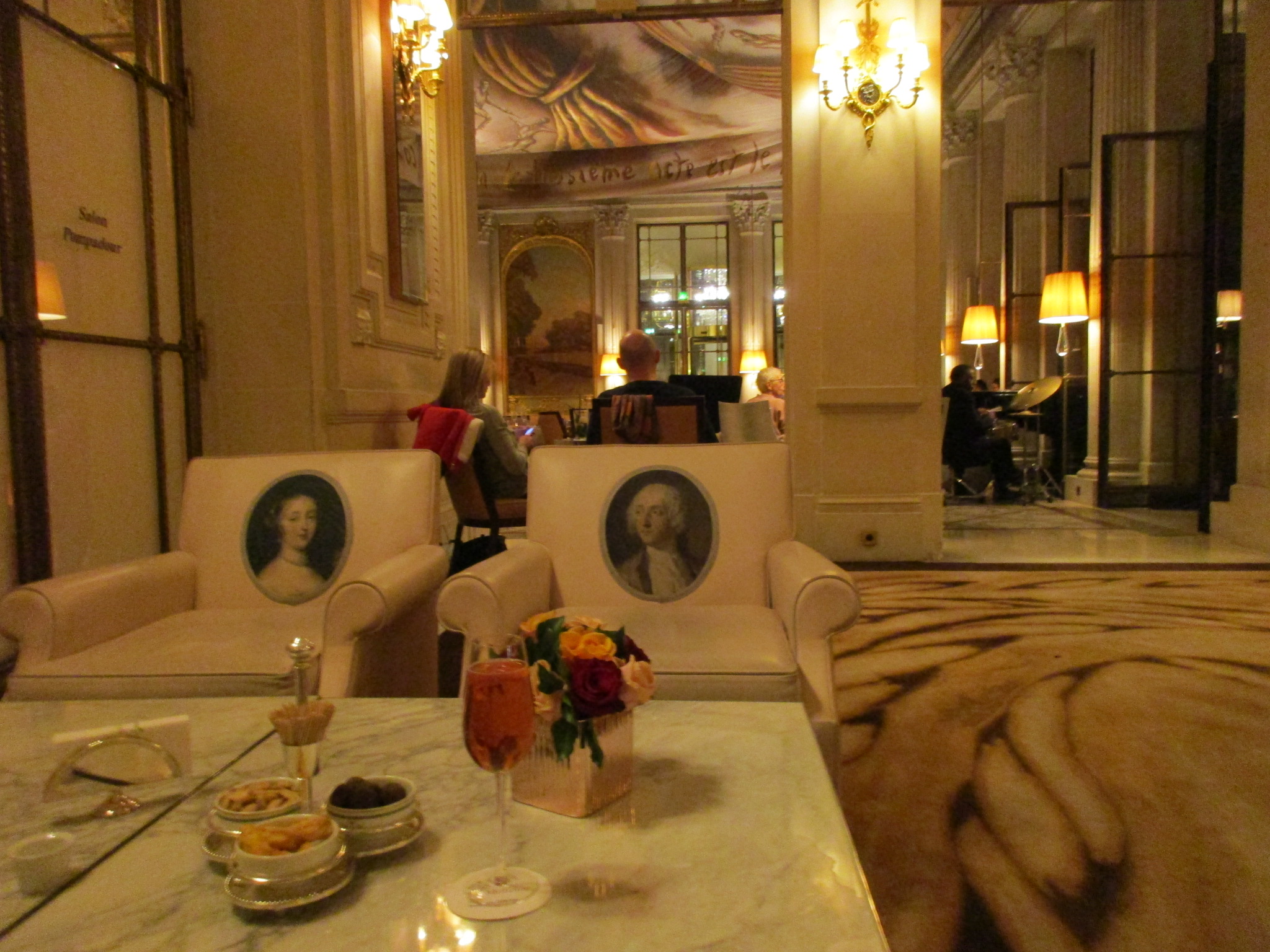
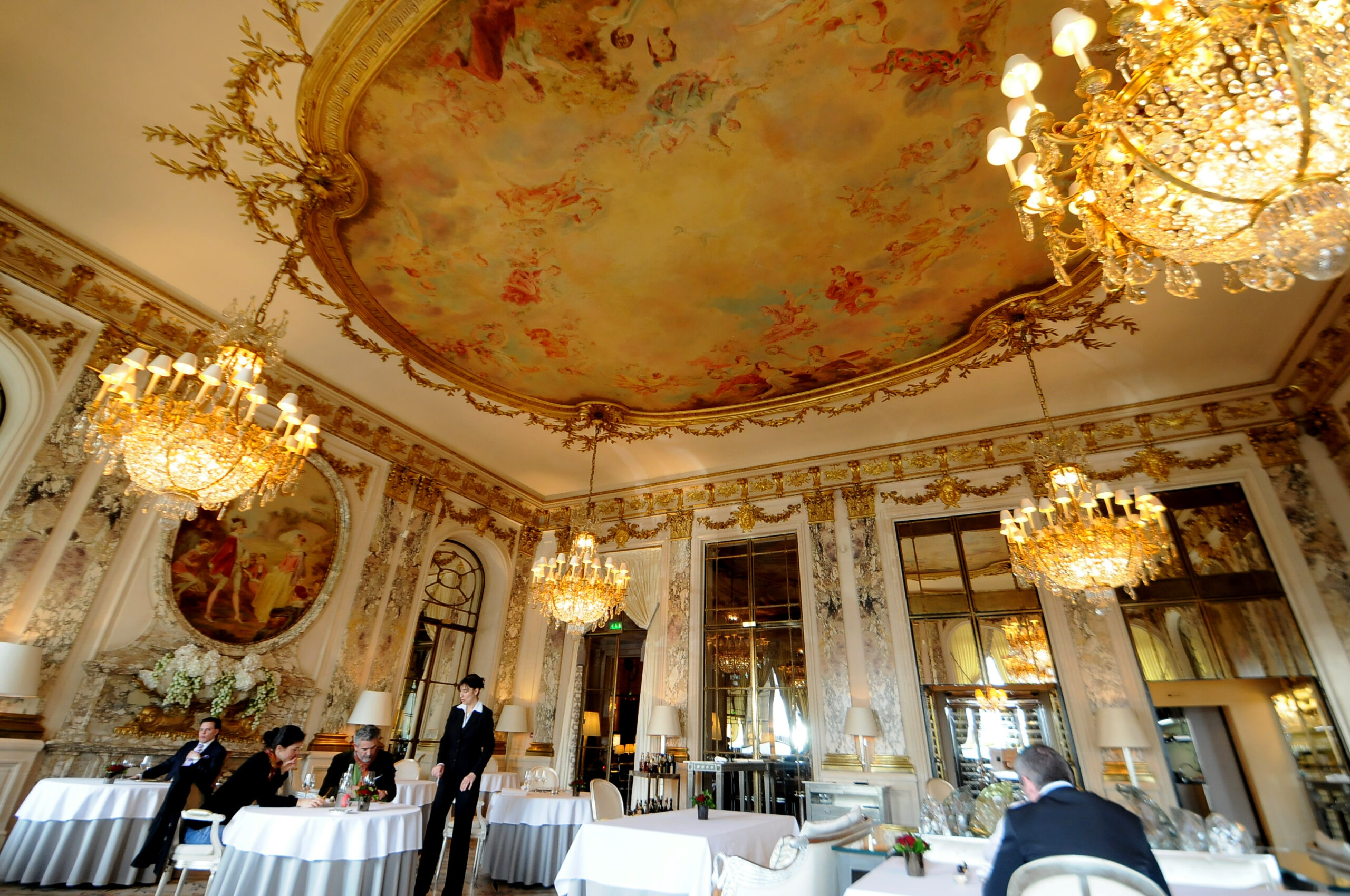
The principal dining room took inspiration from the Salon de la Paix at Versailles. Gilding, chandeliers, painted ceilings and classical proportions made the interior feel less like a private club than a sequence of state rooms. The Salon Pompadour became one of the hotel’s most recognisable reception spaces. During the works, a greyhound adopted by the team became the house emblem, a quieter symbol that still survives in the hotel’s identity.
Architecture here is a performance of contrast. The façade obeys the sober rhythm of the street; inside, mirrors and gold multiply light. This tension is central to Le Meurice: Parisian restraint at the door, theatricality beyond it.
Royal guests, artists and a wedding in the Salon Pompadour
Le Meurice became known as a hotel of kings because sovereigns and royal entourages repeatedly chose it. One visit is preserved in the photographic record: King Alfonso XIII of Spain was photographed leaving the hotel in October 1907. The importance of such guests was not merely social. Their security, staff and rituals pushed the hotel toward the service standards expected of a modern palace.
Artists changed the atmosphere differently. In 1918, Pablo Picasso celebrated his marriage to the dancer Olga Khokhlova in the Salon Pompadour. The hotel still recounts that a mark left by a champagne cork remains on a painting in the room. The detail is appealing because it brings ceremony down to human scale: a masterpiece, a wedding and one exuberant bottle.
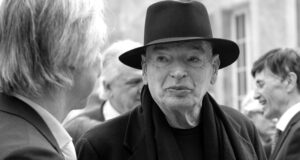
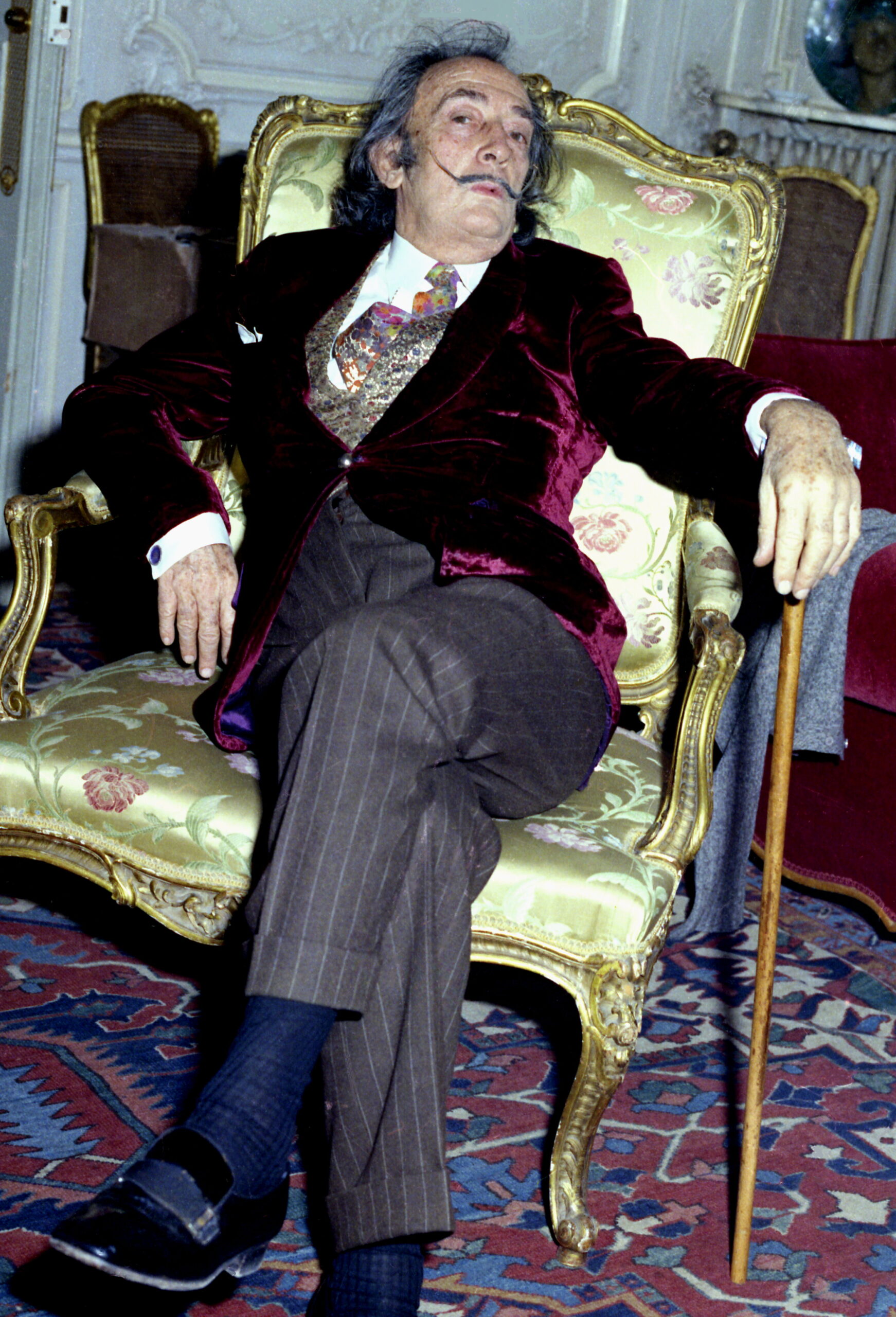
Salvador Dalí went further. For more than three decades, he treated Le Meurice as his Paris home. The documented photographs taken in his suite in 1972 show not a passing celebrity but an artist completely at ease inside his chosen theatre. The hotel did not create Dalí’s persona, but its mixture of courtliness and surreal possibility suited it perfectly.
IF THESE WALLS COULD TALK: the hour a command headquarters fell
During the German occupation, Le Meurice was requisitioned and became the headquarters of the military command in Paris. In August 1944, General Dietrich von Choltitz established his command there as Allied forces and the French Resistance closed in on the capital.
On 25 August, a detachment of the French 2nd Armoured Division reached rue de Rivoli. Fighting entered the hotel. By approximately 3 p.m., the headquarters was in Allied hands and von Choltitz had surrendered. He was taken first to the Paris police headquarters, where the surrender was formalised in the presence of General Leclerc and Resistance leader Henri Rol-Tanguy.
The episode is often compressed into the legend of the German commander who single-handedly refused to destroy Paris. The documented history is more complex. Paris was liberated through the uprising of the Resistance, the advance of Allied and French forces, the collapse of German positions and a surrender negotiated under military pressure. The walls of Le Meurice witnessed one decisive hour within that larger victory.
That is the story these walls would tell: not a glamorous secret, but the abrupt transformation of a palace hotel into a battlefield and then into the place where an occupying command ceased to function.
Grandeur, ownership and public controversy
The hotel survived occupation and resumed its social and artistic life after the war. Yet historic hotels do not exist outside contemporary politics. Le Meurice is part of Dorchester Collection, whose hotels are linked to the Brunei Investment Agency. International calls for boycotts in 2014 and again in 2019, prompted by Brunei’s penal code, included Le Meurice among the properties named in public debate.
For an independent travel magazine, this chapter matters. A hotel can possess architectural and historical significance while its ownership attracts criticism. Reporting both facts is not an endorsement of either the property or the campaign; it is part of describing the institution honestly.
How Le Meurice learned to change without losing its face
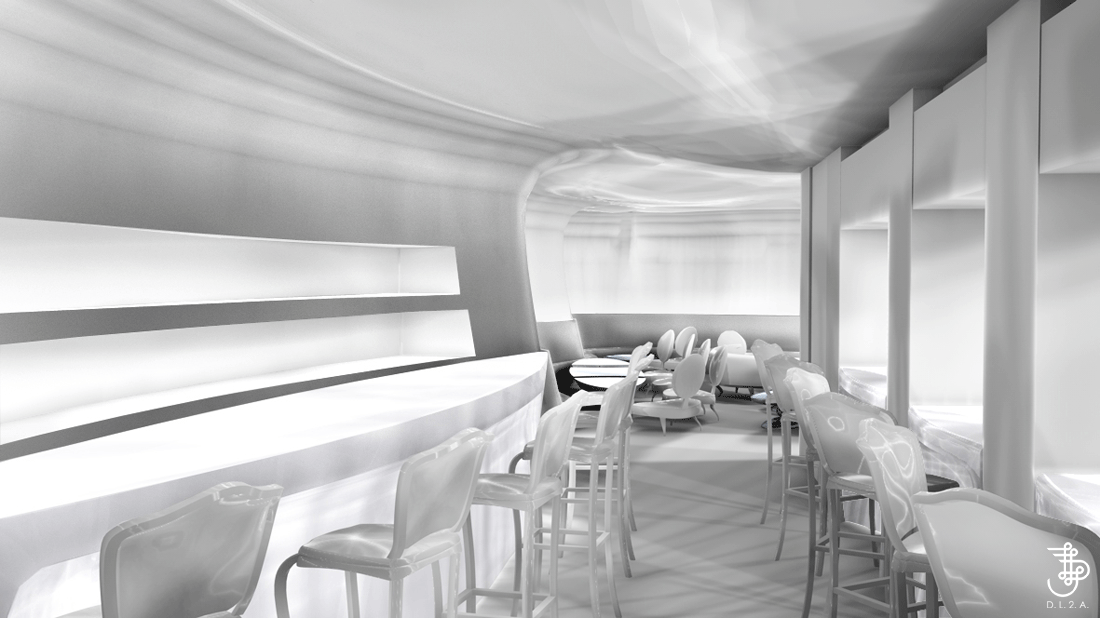
The twentieth and twenty-first centuries brought repeated transformations. Philippe Starck’s work in 2007 and 2016 introduced contemporary wit into the historic vocabulary, with interventions inspired by Dalí rather than a literal reconstruction of the past. In 2011, Le Meurice joined the first group of hotels to receive France’s official Palace distinction.
Since 2013, Alain Ducasse has overseen the culinary direction of Restaurant Le Meurice Alain Ducasse. The rooms and suites have continued to evolve, while the most recognisable public rooms preserve the scale and ornament that define the hotel. The result is not architectural purity. It is a controlled conversation between Belle Époque ceremony, Versailles references and modern Parisian design.
Le Meurice today: suites, restaurants and experiences
Restaurant Le Meurice Alain Ducasse holds two Michelin stars in the 2026 Guide, with executive chef Amaury Bouhours translating Ducasse’s philosophy into precise, contemporary cooking. Le Dalí offers a less formal room beneath Ara Starck’s monumental painted canvas. Bar 228 remains the darker, club-like counterpoint, with deep colours, wood and the pace of a classic hotel bar.
The Presidential Apartment Dalí, around 160 square metres, keeps the artist’s connection in view and looks across the Tuileries toward the city. At the top of the building, the Belle Étoile Penthouse opens to a broad private terrace and a panorama that can take in the Louvre, the Eiffel Tower and the Paris roofscape. The Valmont spa, fitness facilities and bespoke cultural itineraries extend the experience beyond a room key.
In 2026, the hotel also introduced a by-the-glass experience in its grand cru cellar, allowing rare bottles to be approached as a guided tasting rather than as trophies on a list. It is a small example of how old palace hotels remain relevant: they turn access, interpretation and service into the contemporary form of luxury.
Why travellers still choose it
Travellers choose Le Meurice for a position that is difficult to improve: the Tuileries directly opposite, the Louvre a short walk away, place Vendôme behind the arcades and the museums, fashion houses and restaurants of central Paris within reach.
They also choose it because the hotel offers a legible idea of Paris. The ceremonial dining room, quiet corridors, framed views and formal service deliver the fantasy of a palace, but the history prevents that fantasy from becoming weightless. Picasso’s wedding, Dalí’s long residence and the events of August 1944 are not decorative anecdotes. They explain why this building matters.
Le Meurice endures because it can be both grand and specific. It does not merely promise luxury in Paris; it offers one of the addresses through which Paris has repeatedly seen itself.
Practical location
Address: 228 rue de Rivoli, 75001 Paris, France.
District: 1st arrondissement, opposite the Tuileries Garden.
Nearest Métro: Tuileries, Line 1; Concorde is also nearby.
On foot: approximately five minutes to the Louvre, with place Vendôme and the Musée de l’Orangerie close by.
Official information: Le Meurice.
From the story to the front door
Le Meurice is an address where the arrival should feel as composed as the hotel itself. If this story has placed rue de Rivoli on your Paris itinerary, OUISTARS can arrange the practical chapter, from an airport welcome to a private chauffeured arrival opposite the Tuileries.
Watch: Le Meurice in motion
Official Le Meurice film, hosted on YouTube and embedded from Dorchester Collection. The video has not been downloaded or rehosted.
Editorial independence: This story was selected and produced independently by oui stars Travel. It does not imply sponsorship, partnership, a complimentary stay, endorsement or any commercial relationship with the hotel. The OUISTARS planning link is a separate reader service and did not influence the editorial selection or reporting.
Research note: Key facts were checked against the hotel’s documented history, the Ordre de la Libération, France’s Ministry of the Armed Forces, the Michelin Guide and Dorchester Collection’s current media records. Image rights and sources appear in every caption.
Continue the Paris season: Hôtel de Crillon · Ritz Paris · Four Seasons Hotel George V · Hôtel Lutetia
Osama Samaha
Editor-in-Chief, oui stars Travel