








THE WORLD, STREET BY STREET
From vanished city gates and revolutionary gunfire to the Élysée Palace and the quiet theatre of French luxury, this four-kilometre Paris walk reveals how power learned to dress itself.
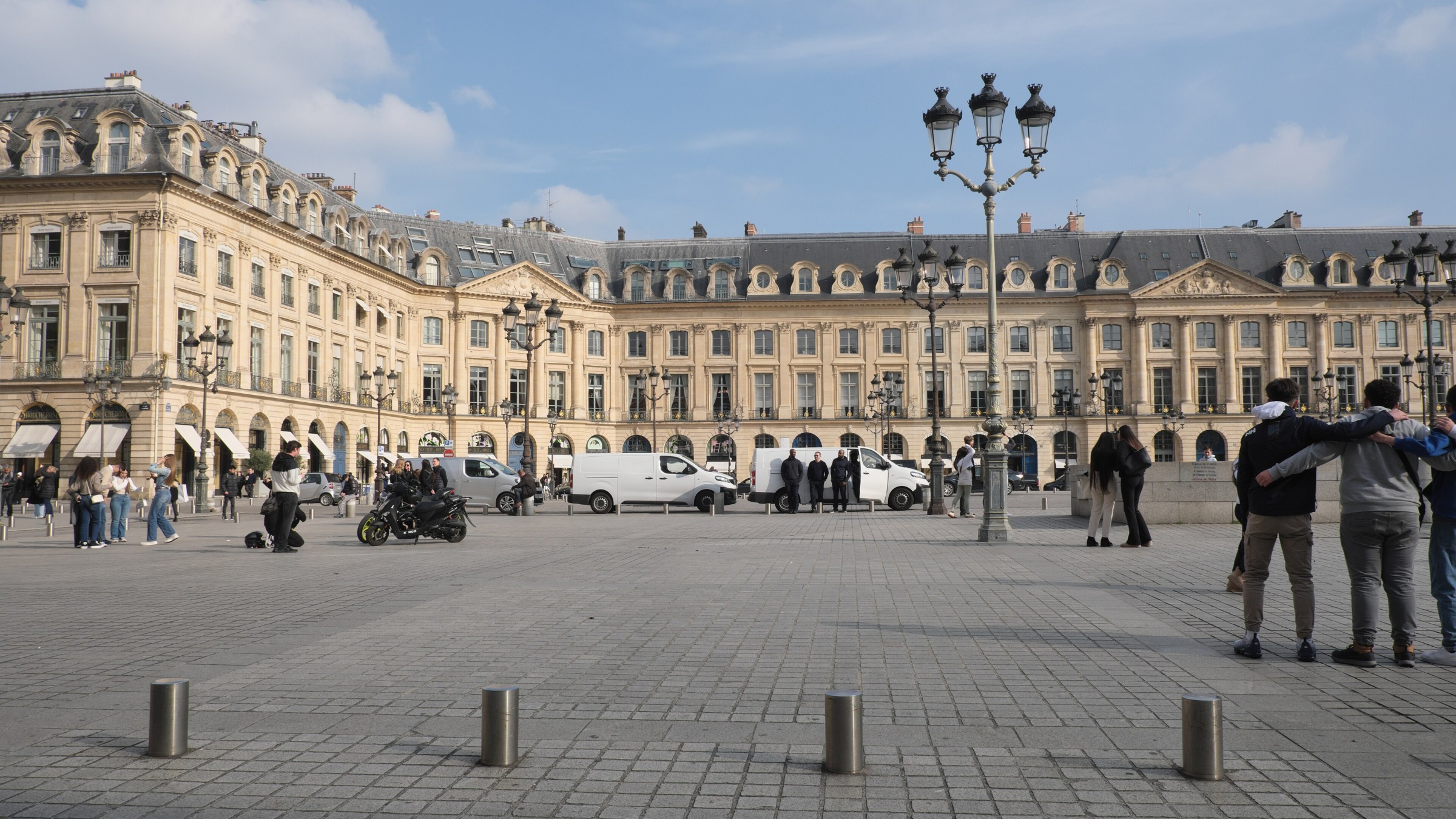
At first, Rue Saint-Honoré appears to have perfected the art of saying very little. The stone is pale, the windows immaculate and the entrances discreet. A security guard watches one doorway; a silk scarf moves in another window; somewhere beyond a carriage entrance, an auction preview is beginning.
But this polished surface is only the street’s latest costume. Joan of Arc attacked Paris at a vanished gate on this axis. Camille Desmoulins called a crowd to insurrection at the Palais-Royal. Robespierre rented a modest room nearby. Bonaparte’s cannon fired beside Saint-Roch. Farther west, the President of the Republic works behind the guarded gates of the Élysée Palace, while Hermès still occupies the address to which it moved its workshops in 1880.
Some streets sell beautiful things. Rue Saint-Honoré sells France’s image of itself: monarchy, revolution, state ritual, craftsmanship and desire, arranged in one long perspective.
One street, two names, two versions of Paris
Rue Saint-Honoré runs westward from the Les Halles quarter to Rue Royale for almost two kilometres. It passes through the orbit of the Louvre and Palais-Royal, approaches the Tuileries and Place Vendôme, and reaches the Madeleine district.
At Rue Royale, it changes name without changing direction. From there it becomes Rue du Faubourg Saint-Honoré and continues for more than two kilometres towards Place des Ternes.
The word faubourg is an urban fossil. It once described the settlement beyond the city gate. On one side of Rue Royale lies the dense, commercial and frequently rebellious old city. On the other stood damp ground, woods, modest dwellings and the former village of Roule, land that would eventually be recast as a district of aristocratic houses, ministries, embassies and luxury maisons. Rue Royale is the invisible border where the story changes register: from crowds to courtyards, from revolutionary clubs to guarded institutions.
The road that kept outrunning Paris’s walls
The street takes its name from the former Collégiale Saint-Honoré, which stood near today’s Rue des Bons-Enfants and Rue Croix-des-Petits-Champs. Sold as national property during the Revolution, the church was demolished in 1792. The institution disappeared; its name survived in the street.
For centuries, this was one of the principal western approaches to Paris. As the city expanded, successive Porte Saint-Honoré gates were pushed farther west. Their movement tells the story of a capital repeatedly overflowing its walls.
On 8 September 1429, Joan of Arc’s forces attempted to enter Paris at the Saint-Honoré gate. The assault failed. Nothing in the present-day streetscape prepares the walker for the vanished ramparts, ditches and violence beneath this polished shopping district.
At the eastern threshold, Rue de la Ferronnerie offers another dark prologue. Henri IV was assassinated there on 14 May 1610. The killing did not occur on Rue Saint-Honoré itself, but just east of it. The distinction matters: this street possesses enough real drama without borrowing another street’s history.
Palais-Royal: where power became theatre
In 1624, Cardinal Richelieu acquired property here and began creating the Palais-Cardinal. It later passed to the Crown and became the Palais-Royal.
Its arcades developed into an extraordinary commercial and social ecosystem filled with fashion merchants, jewellers, print sellers, booksellers, watchmakers, cafés, restaurants, gaming rooms and prostitution. It was an early theatre of consumption, but also a place where politics escaped formal institutions.
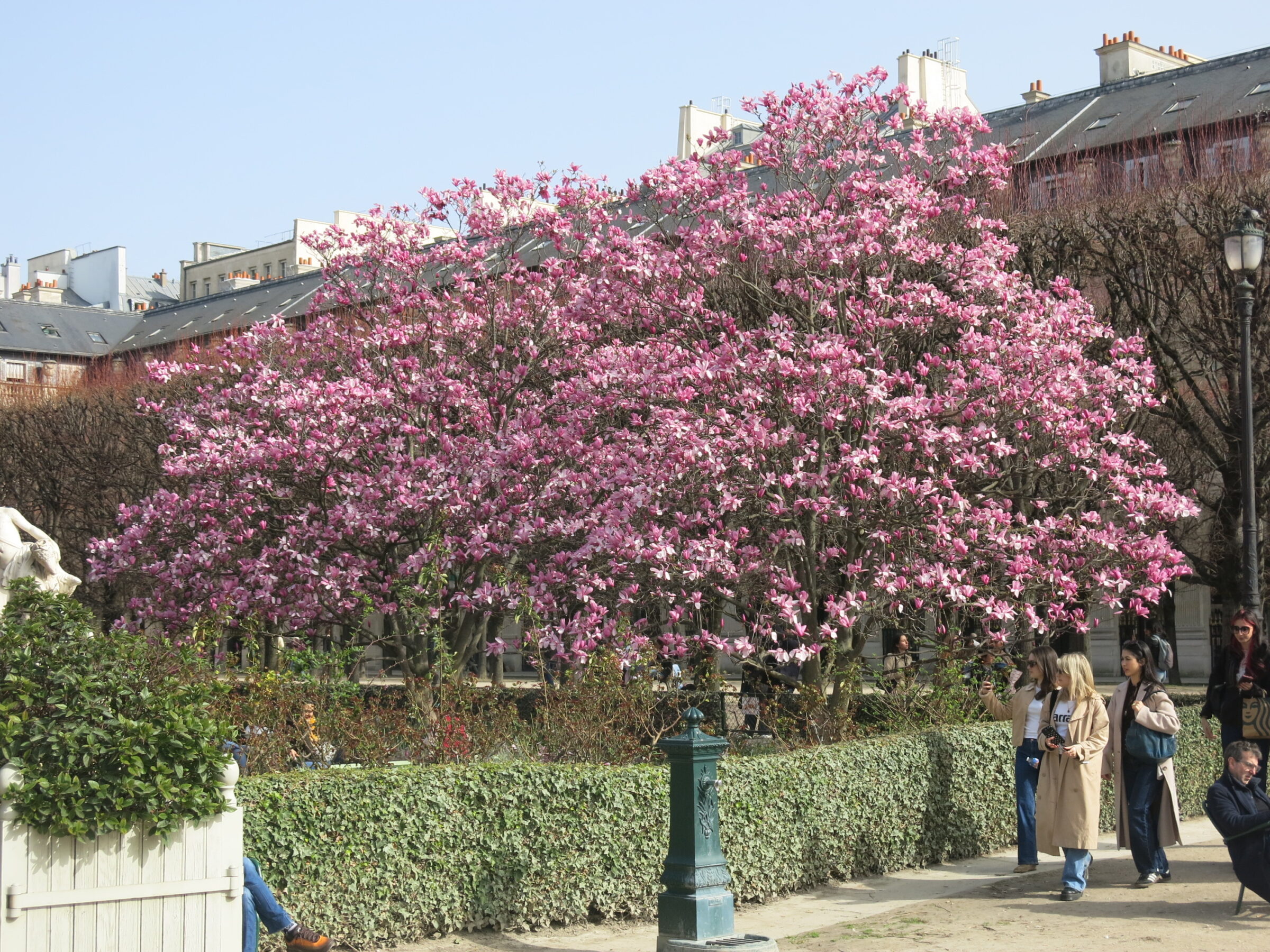
On 12 July 1789, Camille Desmoulins stood at the Café de Foy and called the crowd to arms. Two days later, the Bastille fell. The garden is serene today, yet its clipped trees and elegant arcades once formed one of the laboratories of revolutionary Paris.
The Louvre stands a short walk south rather than directly on Rue Saint-Honoré. That proximity is central to the story. Between the Louvre, the Palais-Royal and the Tuileries, royal authority was always physically close, even when the street began learning how to challenge it.
A street written by revolution
Today’s Place du Marché Saint-Honoré gives little warning that the Jacobin Club once met in a convent on the site. Robespierre delivered one of his final speeches there on 26 July 1794, two days before his execution.
From 1791 to 1794, he lived nearby with the carpenter Maurice Duplay, at the location now identified as 398 Rue Saint-Honoré. The original house and room do not survive. Historical documents sometimes give different numbers because the street was renumbered; the current official walking reference is 398.
Another decisive confrontation took place outside Saint-Roch. On 5 October 1795, 13 Vendémiaire, Year IV, the young General Bonaparte positioned artillery in the district and used grapeshot against royalist insurgents. The suppression was lethal. It helped create “General Vendémiaire” and accelerated Napoleon’s political rise.
Saint-Roch, at 296 Rue Saint-Honoré, therefore marks the place where republican order was defended by force and where one of Europe’s most consequential careers gathered speed.
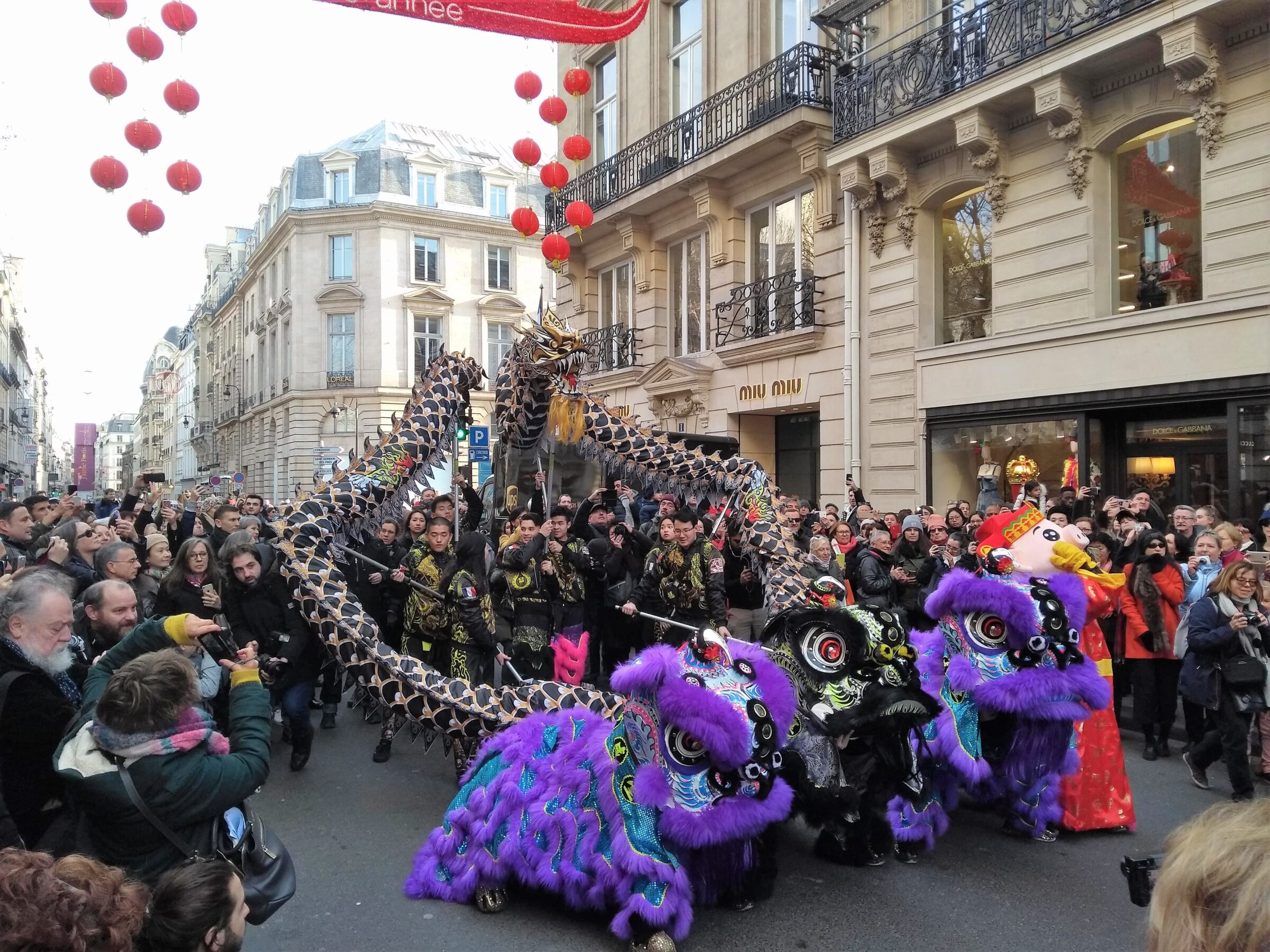
Beyond Rue Royale, the countryside became the State
The historical atmosphere changes after Rue Royale. According to the Presidency’s own account, the future Élysée site was still marshy ground in 1718, beside a simple road lined with cottages and woods. The Hôtel d’Évreux, completed in 1722, belonged to the first wave of grand residences that transformed this fringe of Paris.
Its origins also complicate the elegance. The official Élysée history acknowledges that the Count of Évreux financed construction using the substantial dowry of his wife, Marie-Anne Crozat. Her father, Antoine Crozat, had built a fortune connected to the slave trade. The palace’s beauty cannot be separated from the economic history that helped produce it.
In 1848, the building became by decree the residence of France’s first President of the Republic, Louis-Napoléon Bonaparte. Under the Third Republic it became the enduring presidential palace.
The gates at 55 Rue du Faubourg Saint-Honoré are now permanently guarded. The palace is not normally open for casual visits; public access is exceptional and usually requires advance registration.
Directly opposite, Maison Élysée at number 88 gives the public a regular way into the story. Nearby, Hôtel de Beauvau has housed the Ministry of the Interior since 1861. The former faubourg had become an administrative corridor beside the head of state.
How saddle leather became a language of luxury
Luxury here did not begin with runway fashion. Thierry Hermès established his harness workshop in 1837 at another Paris address. In 1880, his son Charles-Émile moved the workshops and bespoke saddle shop to 24 Rue du Faubourg Saint-Honoré.
Hermès was not founded at number 24. This is the address where the house learned to translate equestrian skill into a modern luxury language capable of surviving the disappearance of horse-drawn society.
At 233 Rue Saint-Honoré, the lineage of Goyard’s location reaches back to the Maison Martin trunk-making business, which moved to the site in 1834. François Goyard assumed control in 1853. Lanvin established a men’s address at 15 Rue du Faubourg Saint-Honoré in 1926. Contemporary houses continue the thread, including Saint Laurent at 213 Rue Saint-Honoré and Balmain at number 374.
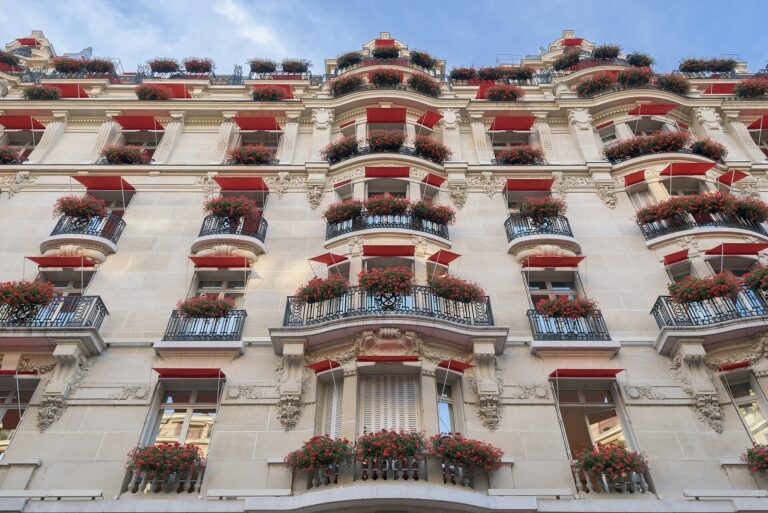
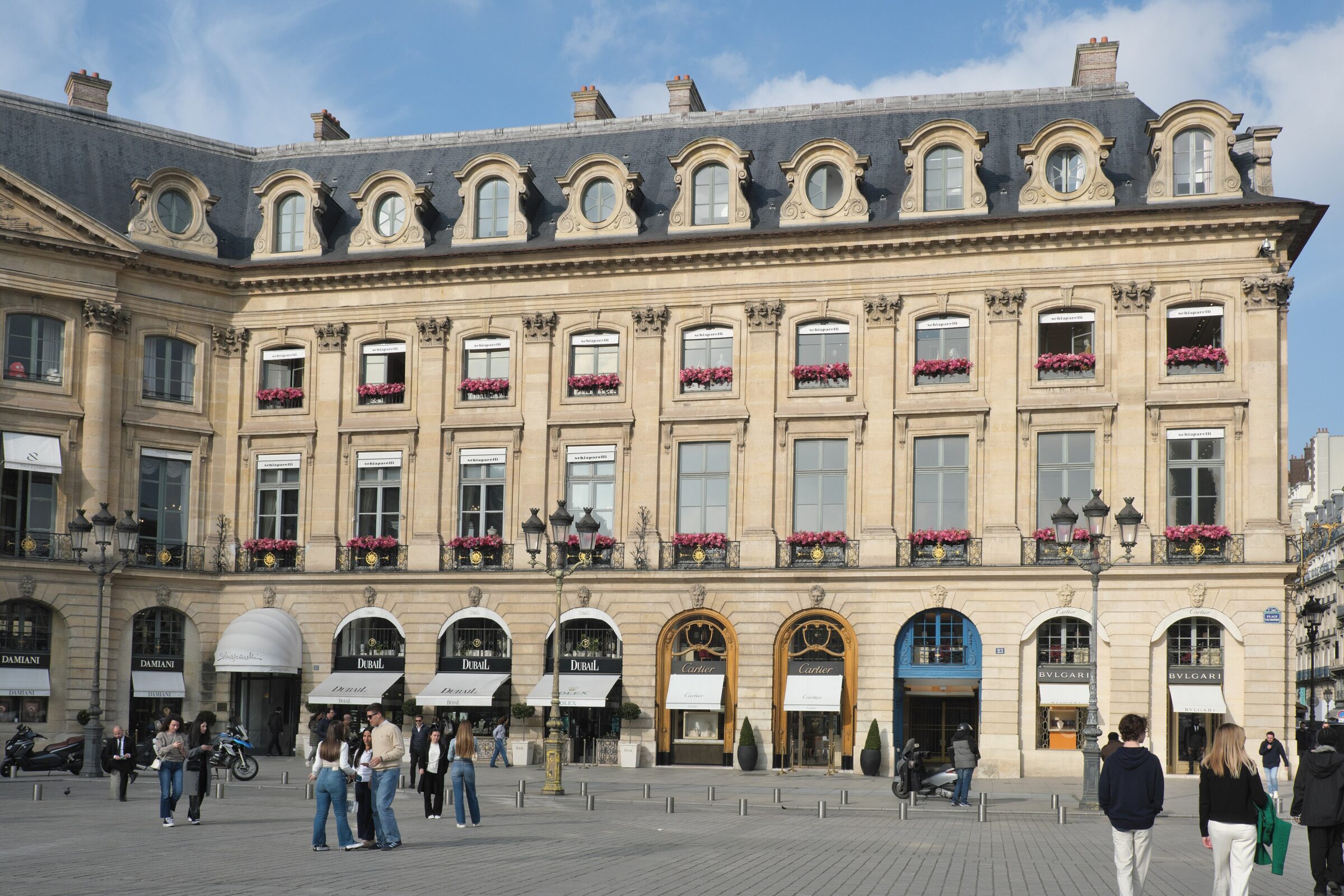
A list of shops would miss the point. Luxury inherited the older grammar of power: restrained façades, controlled thresholds, private rooms and signs legible to those who already know how to read them. The monarchy became a republic, but exclusivity found new costumes.
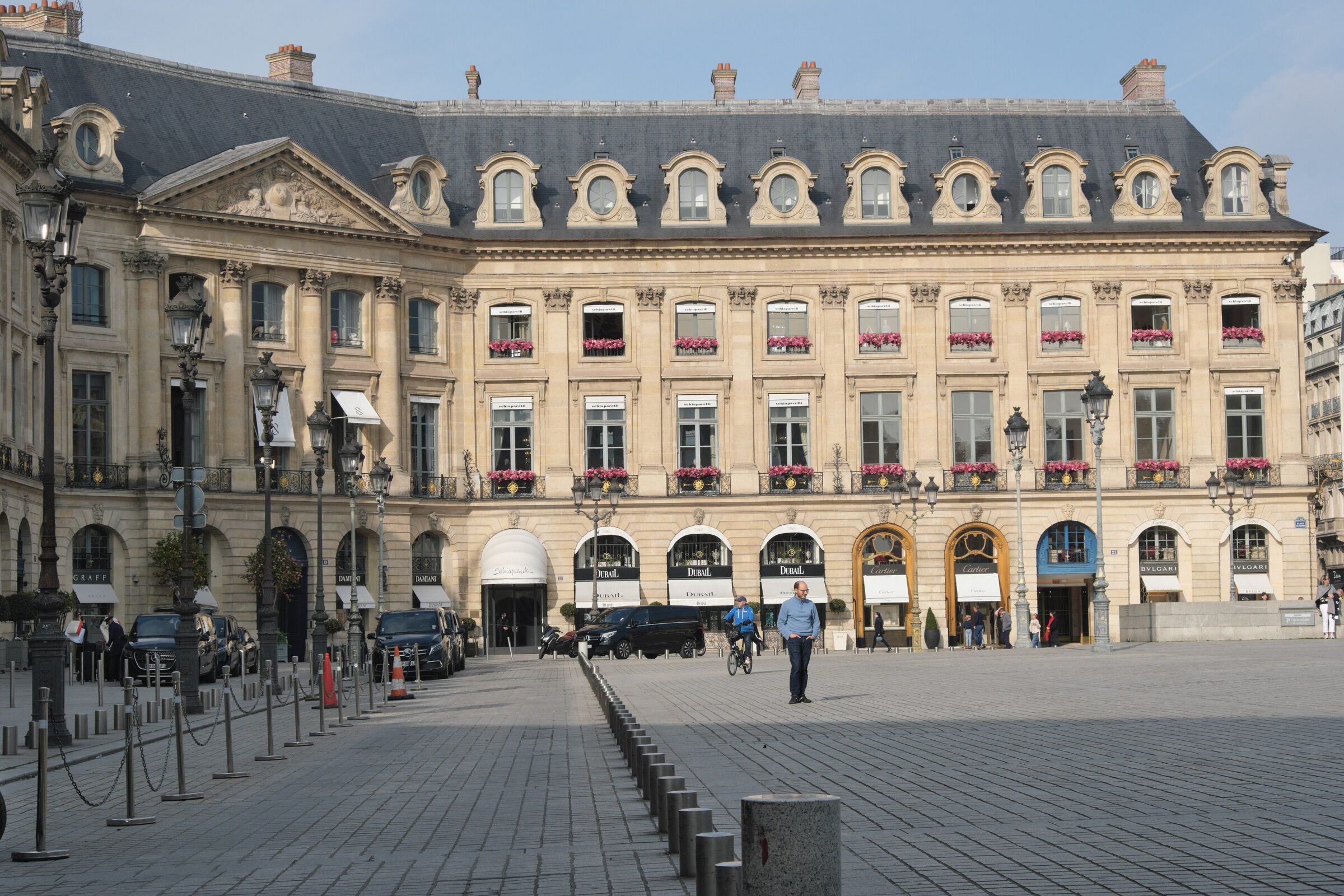
Art returns behind the carriage doors
Faubourg Saint-Honoré is increasingly an art address as well as a fashion one. Sotheby’s Paris occupies number 83, with auction exhibitions, private sales, public presentations and a café. Opera Gallery, at number 62, presents modern and contemporary art.
Near Palais-Royal, Fondation Cartier’s new home at 2 Place du Palais-Royal brings another major cultural institution onto the axis.
In this sense, the street has returned to one of the functions developed in the Palais-Royal arcades: circulating rare objects, money, looking and conversation in the same space.
The street is changing again in 2026
The setting is not construction-free in 2026. The City of Paris began preliminary work on a major requalification and greening of Rue du Faubourg Saint-Honoré on 15 June 2026. The plan includes wider pavements, planted areas and new granite street furniture.
Its first phase is due to conclude on 15 October 2026, while later phases are scheduled through December 2027. The official notice states that pedestrian circulation and access to buildings and businesses will be maintained. Visitors should nevertheless expect temporary barriers or altered sightlines and check the City’s update on the day of the walk.
The works add a contemporary question to the story: after centuries of serving carriages, official convoys and luxury traffic, who should this famous public street be designed for now?
Three ways to walk it
Walking times exclude shopping, meals, queues and extensive interior visits.
60 minutes: power and luxury
Begin at Madeleine station, served by Métro lines 8, 12 and 14.
- Cross Rue Royale and notice the exact point at which Rue Saint-Honoré becomes Rue du Faubourg Saint-Honoré.
- Continue past Hermès at number 24, the Élysée Palace at number 55 and Maison Élysée at number 88.
- Pass Sotheby’s at 83 and finish near Saint-Philippe-du-Roule. Entering Maison Élysée requires another 30 to 60 minutes.
120 minutes: Palais-Royal to the Élysée
Start at Palais-Royal–Musée du Louvre station, lines 1 and 7.
- Walk through the Palais-Royal garden, then join Rue Saint-Honoré.
- Continue past the historic Goyard address at 233, Saint-Roch at 296, Place du Marché Saint-Honoré and the Robespierre/Duplay location at 398.
- Cross Rue Royale, pause at Hermès and continue to Place Beauvau, the Élysée and Maison Élysée.
- Return via Madeleine, Miromesnil on lines 9 and 13, or Saint-Philippe-du-Roule on line 9.
240 minutes: the full historical axis
Begin near the Henri IV memorial on Rue de la Ferronnerie.
- Pass the Oratoire du Louvre and the northern edge of the Louvre before entering the Palais-Royal.
- Follow the two-hour route, adding an interior visit to Saint-Roch or Maison Élysée.
- Continue via Opera Gallery and Sotheby’s to Saint-Philippe-du-Roule at 154 Rue du Faubourg Saint-Honoré.
- With a café stop, photography and two interiors, the route fills half a day. Energetic walkers can continue to Place des Ternes.
Practical information
Open the 120-minute walk in Google Maps
- Palais-Royal: 8 Rue de Montpensier. Free entry. Open April to September 8:00 to 22:30; October to March 8:00 to 20:30. Métro Palais-Royal–Musée du Louvre, lines 1 and 7.
- Musée du Louvre: a short detour south. Open Monday, Thursday, Saturday and Sunday 9:00 to 18:00; Wednesday and Friday 9:00 to 21:00; closed Tuesday. Advance reservation is recommended. Check same-day alerts before travel.
- Saint-Roch: 296 Rue Saint-Honoré. Normally open daily 8:30 to 19:00. The City currently lists the church as not accessible to people with reduced mobility; verify before travelling.
- Hermès Paris Faubourg: 24 Rue du Faubourg Saint-Honoré. Monday to Saturday 10:30 to 19:00; closed Sunday.
- Élysée Palace: 55 Rue du Faubourg Saint-Honoré. Exterior viewing only in normal circumstances. Security restrictions can temporarily affect the immediate pavement.
- Maison Élysée: 88 Rue du Faubourg Saint-Honoré. Free. Tuesday to Saturday 10:00 to 19:00. Guided visits Tuesday to Friday at 10:15 and 11:30 by reservation. Saturday café access requires a reservation. No cloakroom; suitcases and large bags are prohibited.
- Sotheby’s Paris: 83 Rue du Faubourg Saint-Honoré. Consult the exhibition and auction calendar. The 83 Café normally opens Monday to Friday 10:00 to 18:00 and on selected exhibition weekends.
- Saint-Philippe-du-Roule: 154 Rue du Faubourg Saint-Honoré. Métro Saint-Philippe-du-Roule, line 9. Service times can affect visitor access.
Access update checked 27 September 2026
Fondation Cartier’s exhibition spaces at Palais-Royal are temporarily closed; only the bookshop is open. Its next exhibition is announced from 22 October 2026.
The Comédie-Française’s Salle Richelieu is due to reopen on 15 October 2026. Theatre visits resume on 17 October; until 11 October, the institution is offering exterior walking visits only. Recheck both institutions’ calendars before travelling.
Official video
The French Presidency presents Maison Élysée, the free museum facing the presidential palace, where state ceremony, craftsmanship and three centuries of history become accessible to the public. Video: Élysée / Présidence de la République. Embedded from the official verified publisher; not downloaded or re-hosted.
FAQ: visiting Rue Saint-Honoré
What is the difference between Rue Saint-Honoré and Rue du Faubourg Saint-Honoré?
They form one continuous east–west axis. The name changes at Rue Royale: the first section belonged to the old city, while the faubourg developed beyond the former gate.
Is Rue Saint-Honoré worth visiting if you are not shopping?
Yes. Palais-Royal, Saint-Roch, the Jacobin and Robespierre sites, Maison Élysée and the street’s architecture make the two-hour route rewarding without entering a boutique.
Can you visit the Élysée Palace?
The presidential palace is not normally open for casual visits. Public access is exceptional, especially during heritage events. Maison Élysée, opposite at number 88, is free from Tuesday to Saturday; check current reservations and security rules.
Planning a tailored Paris journey? Discover OUISTARS and its travel services.
Sources and fact-checking
- City of Paris: street nomenclature and history
- Paris je t’aime: Rue Saint-Honoré
- Paris je t’aime: Rue du Faubourg Saint-Honoré
- French Ministry of Culture: 400 years of Palais-Royal history
- City of Paris: Robespierre’s final residence
- Élysée: 300 years of the Hôtel d’Évreux
- Maison Élysée: visitor information
- Hermès: six generations of artisans
- Goyard: house history
- Mairie du 8e: current Faubourg Saint-Honoré works
- Louvre: opening hours and visitor alerts
- Fondation Cartier: current visitor information




_4.jpg)
.jpg)
