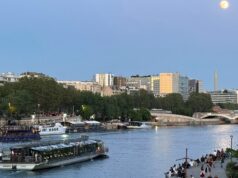
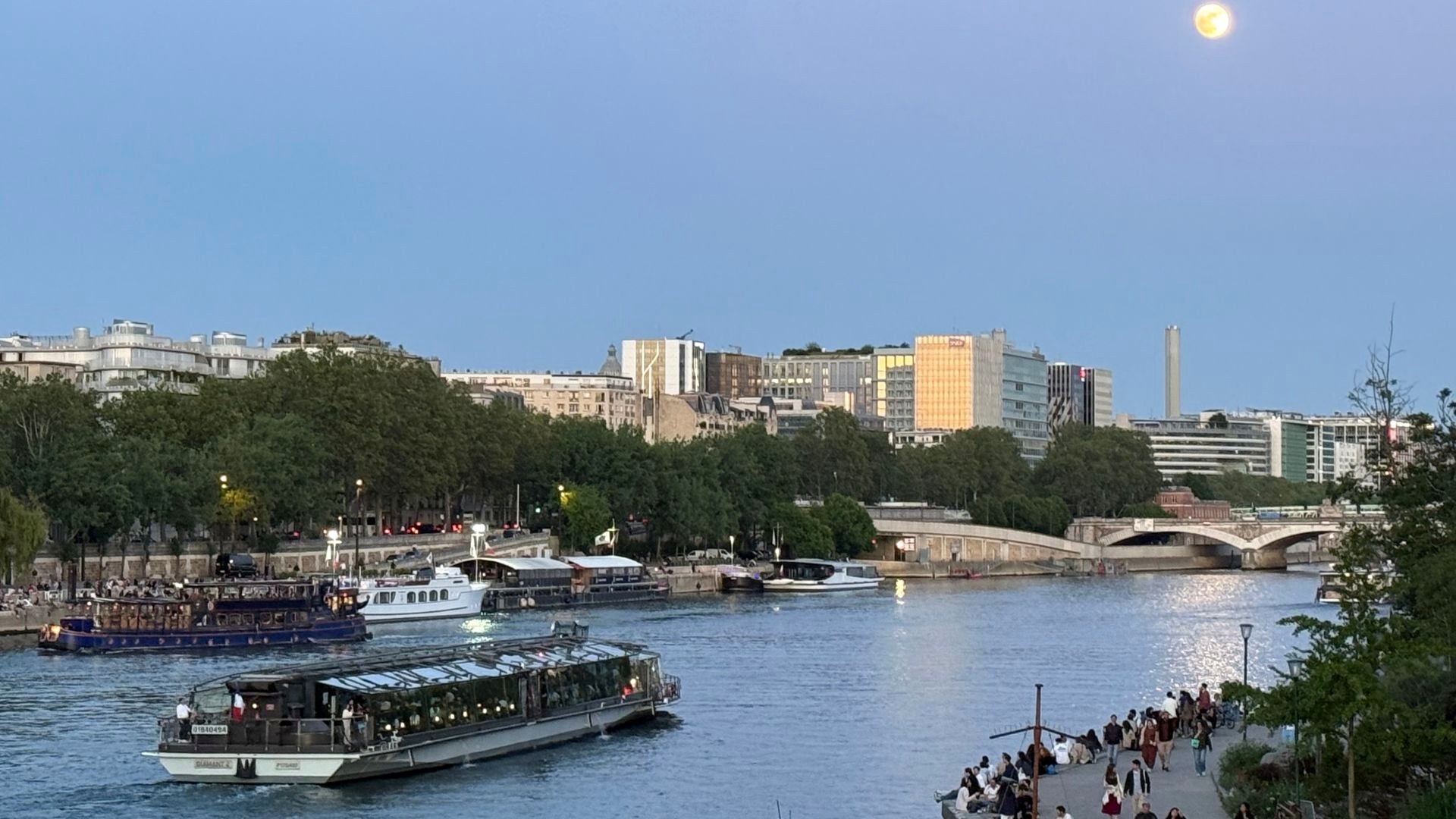
Paris is beautiful from the pavement. From the Seine, it becomes legible. The Eiffel Tower, palaces, museums, bridges and limestone façades do not arrive as isolated attractions; they unfold as one long urban composition. Around them, sightseeing boats, glass-roof dinner cruises, private yachts, party vessels, floating cafés and working barges keep the river in constant motion.
Why a Seine cruise is more than a tourist ride
Historic Paris was composed around the river. The UNESCO-listed Banks of the Seine, inscribed in 1991, bring together centuries of architecture between Pont de Sully and Pont d’Iéna. From Notre-Dame and the Louvre to the Grand Palais and Eiffel Tower, the river offers the one viewpoint from which the city’s monuments read as a continuous story.
Walking gives you texture; the boat gives you structure. From water level, bridges become rooms, quays become stage sets and the contrast between the Right and Left Banks becomes instantly visible.
Five very different ways to travel the Seine
1. The panoramic sightseeing cruise
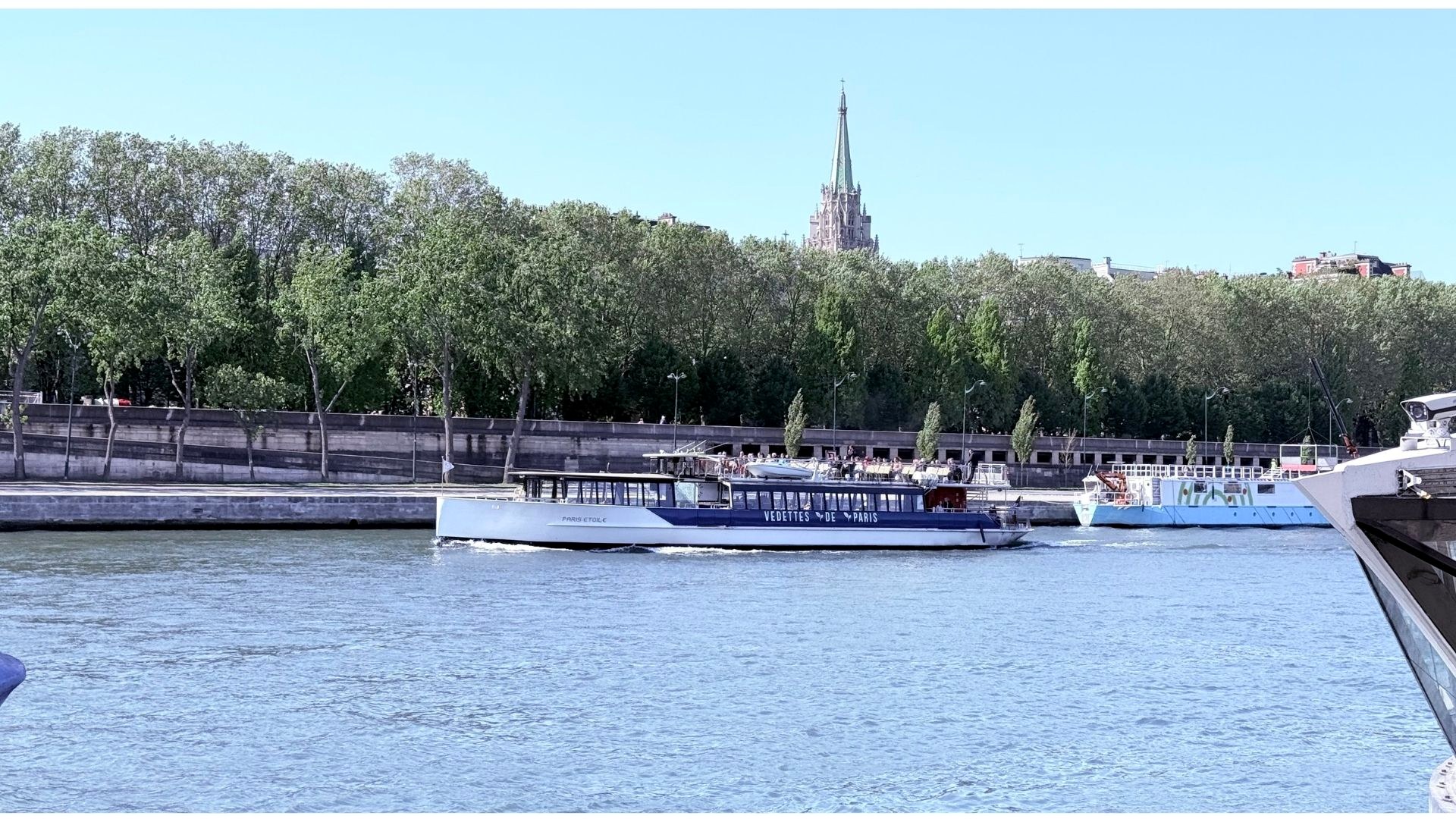
The classic first-timer’s choice: a large boat, indoor seating, an open deck and, usually, a loop of roughly an hour. It is the most efficient option for a short visit. Choose the upper deck in stable weather; choose a wide-windowed cabin when wind or rain is likely.
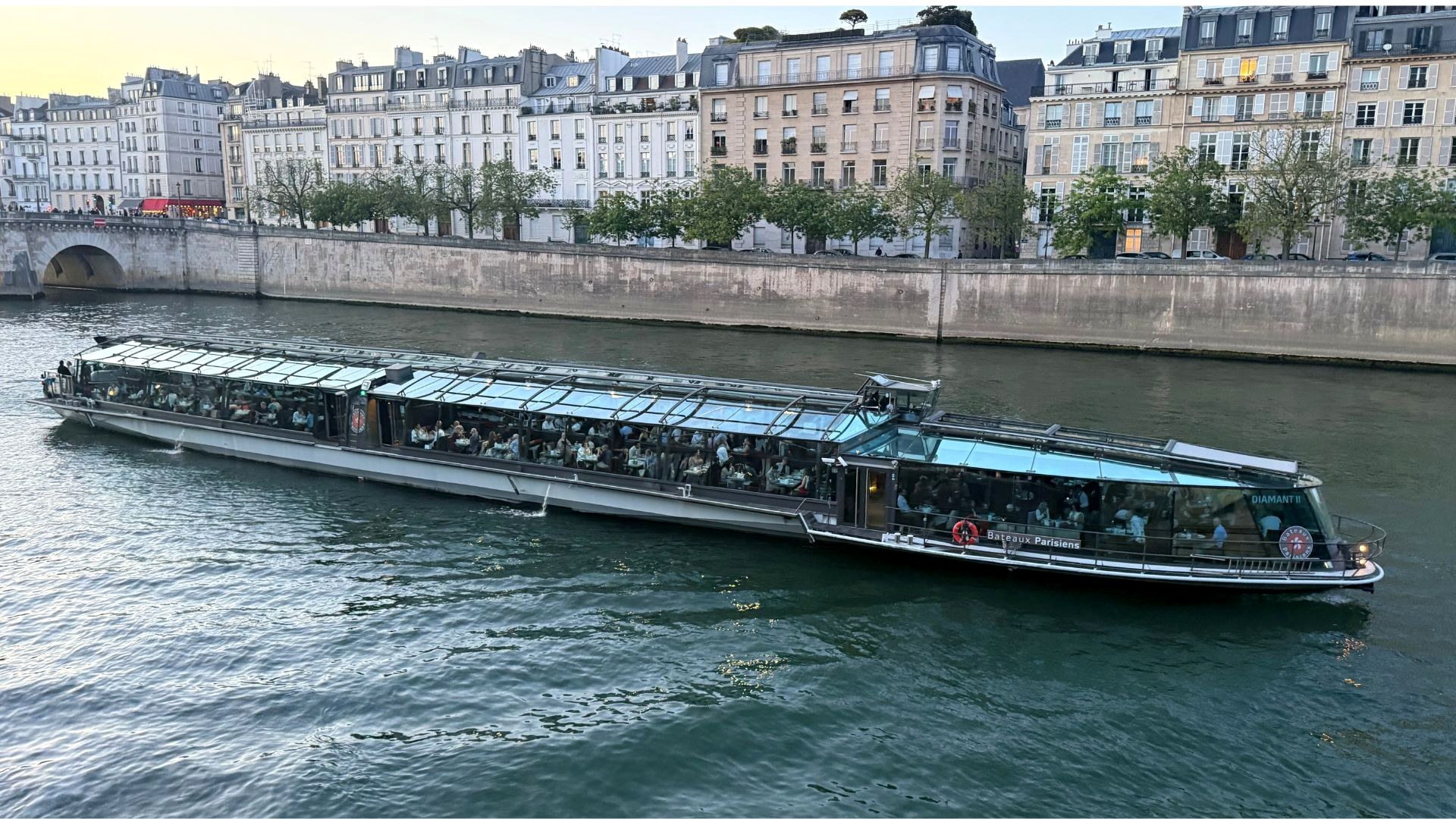
2. Lunch or dinner under glass
This is not simply transport with food. The city becomes a moving backdrop to a timed meal. Compare table position, cruise length, menu, included drinks and dress expectations—not just the headline price. A guaranteed window table may be a separate category, and it matters.
3. Private yachts and event boats
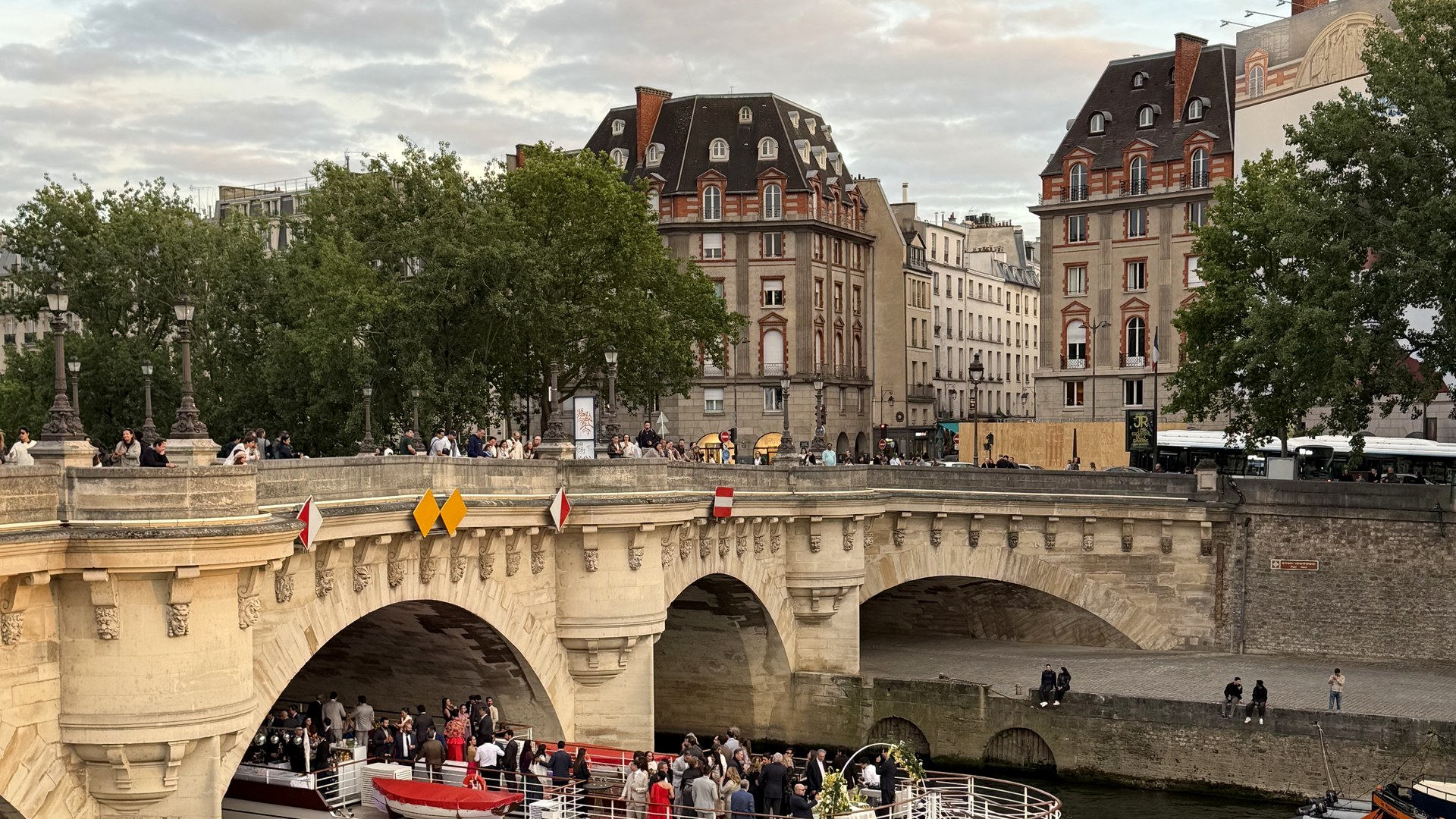
For proposals, birthdays, family gatherings, corporate evenings or content shoots, private charter offers control over timing and service. Ask for the true total: minimum hire, berth fees, catering, crew, sound equipment and weather or high-water clauses.
4. The hop-on, hop-off river shuttle
Publicly accessible tourist shuttles stop near major sights and can combine mobility with sightseeing. They are not a minute-by-minute substitute for the Métro: frequency is lower and service can vary with season, weather and river conditions. Think flexible attraction, not commuter transit.
5. Floating cafés, restaurants and working boats
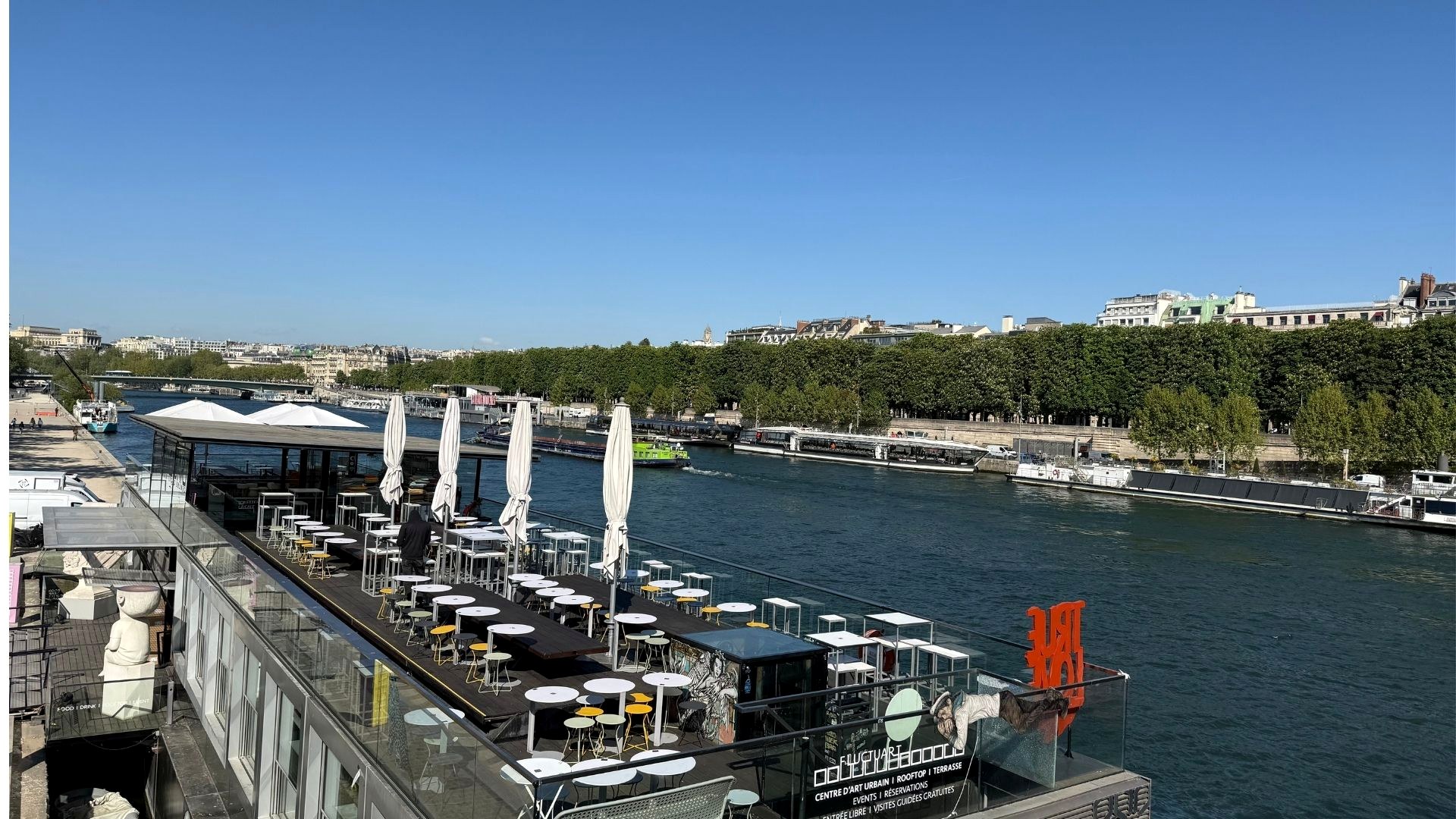
Some of the river’s best places do not sail at all. Moored terraces, bars, restaurants and cultural platforms create a second waterfront city. Add freight barges and service craft and the point becomes clear: the Seine is not urban decoration. It still works.
What you may see from the water
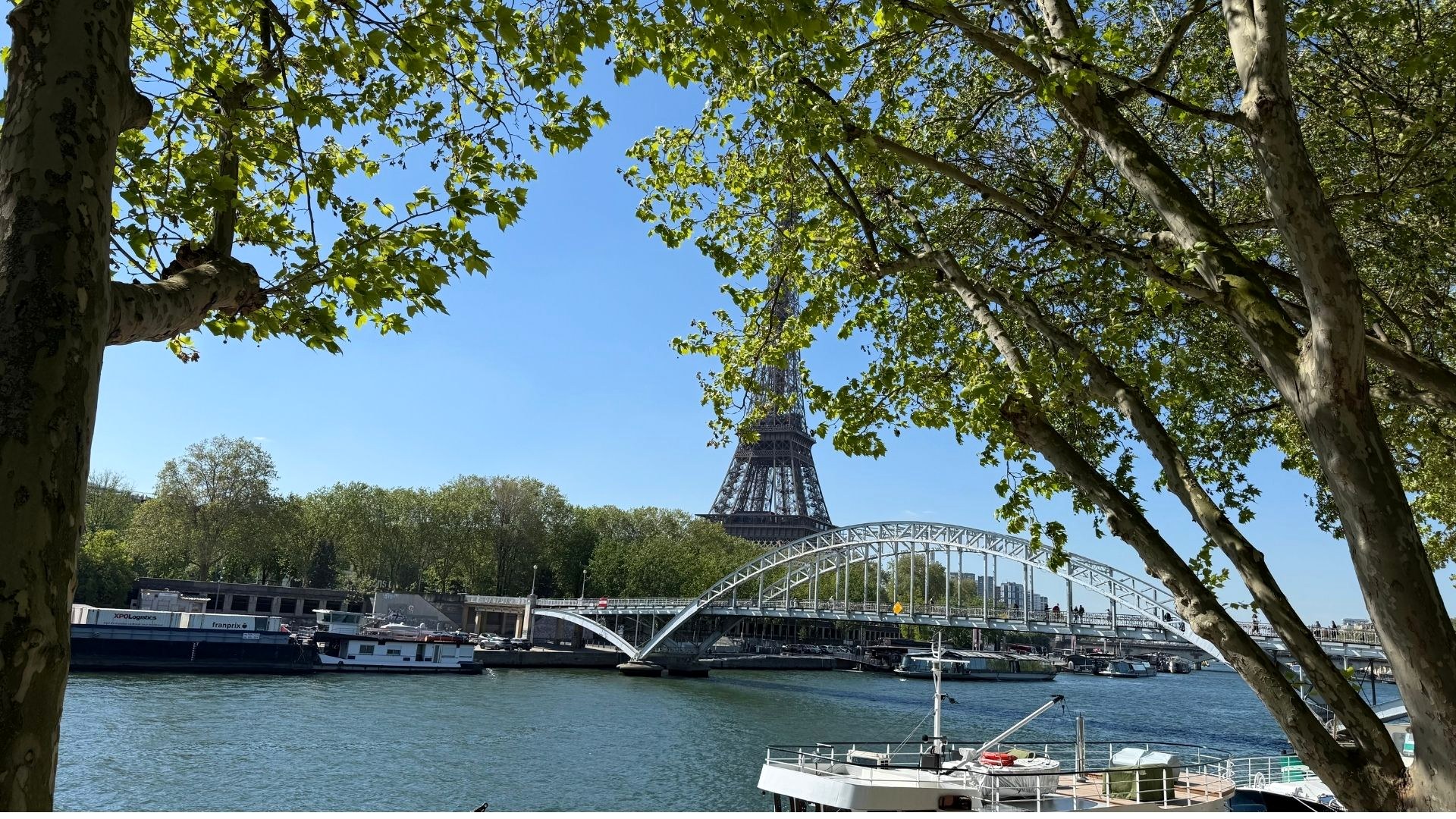
Routes vary by operator, departure point and river level, but central cruises may reveal the Eiffel Tower, Palais de Chaillot, Pont Alexandre III, Grand Palais, Place de la Concorde, Musée d’Orsay, Louvre, Institut de France, Pont Neuf, Conciergerie, Sainte-Chapelle and Notre-Dame. Do not only count landmarks. Watch the undersides of bridges, the changing stone, and the moment each monument is framed by another.
A smart morning itinerary
- 8:30–9:15: Walk near Pont d’Iéna or Bir-Hakeim while the quays are quieter and reflections cleaner.
- 9:30: Take coffee away from the boarding queue, then reach your pier about 30 minutes early.
- 10:00–11:15: Take a panoramic loop. Keep the sun behind your shoulder for cleaner photographs.
- 11:30–13:00: Continue on foot or choose a nearby museum, depending on your landing point.
Editor’s verdict: morning is best for architecture, bridges and photography. If understanding the city matters more than romance, book this slot.
The evening plan that delivers two Parises
- 60–75 minutes before sunset: arrive at the pier. Weekend queues punish last-minute timing.
- 20–30 minutes before sunset: board. You will begin in daylight, cross the blue hour and return to illuminated façades.
- After dark: choose dinner on board for a complete evening, or cruise first and eat ashore for more flexibility.
- After landing: walk the quay for twenty minutes. The river looks different once you have travelled through it.
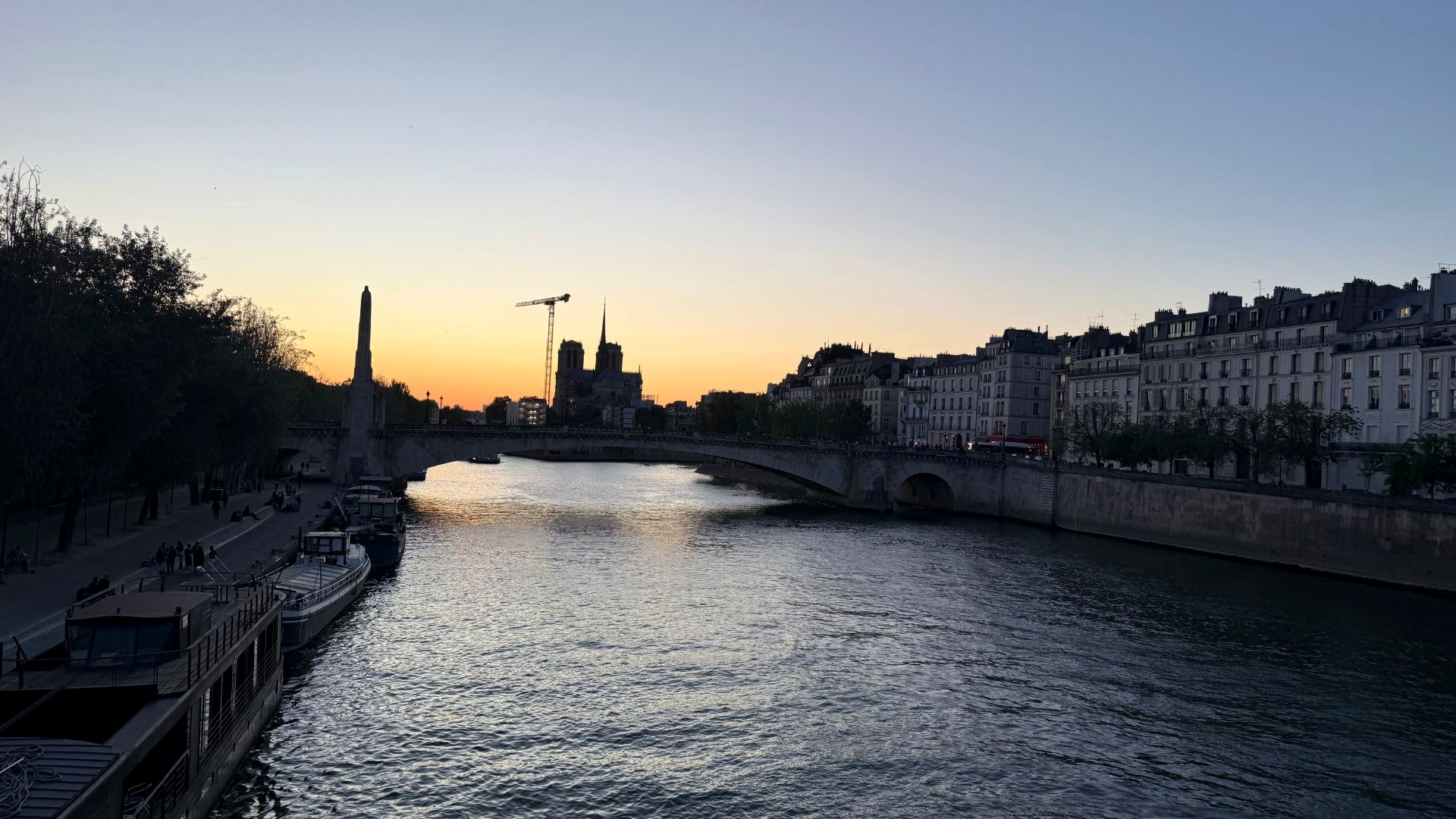
Should you cruise in the rain?
In light rain, yes: wet glass and stone can create beautiful reflections. Choose an enclosed boat with large windows and avoid products that depend entirely on the open deck. In heavy rain, strong wind or an official warning, safety outranks the itinerary. Confirm directly with the operator and check Météo-France and Vigicrues.
The City of Paris explains that lower quays can close progressively as the river rises and that river navigation is halted at 4.30 metres. A cruise can therefore be rerouted or cancelled even when it is not raining at boarding time. During orange or red rain-flood alerts, keep away from low riverbanks and follow official instructions.
OUISTARS video: the Seine in 16 seconds
Original OUISTARS video assembled from our photographs, with no commercial soundtrack.
Our final choice
First visit: a panoramic cruise in the morning or just before sunset. Special occasion: a glass dinner cruise with the table position confirmed. Family or group: a private boat after comparing hidden fees. Commitment-averse traveller: walk the bank, stop at a floating café and decide once the weather settles.
The Seine is not Paris’s backdrop. It is the line along which Paris arranged its memory. Sail it once in daylight and once after dark if you can. The first journey introduces the city; the second explains why its boats never stop.