







Editorial opinion | Civil liberties, economy and the national interest
France can protect the right to dissent without allowing every dispute to exhaust public services, weaken the economy and turn its most visited landmarks into permanent stages of disruption.
Strikes and demonstrations have a legitimate place in French democratic history. They have exposed injustice, compelled negotiation and sometimes corrected public policy. That record matters. It does not remove the need to examine the cost when an exceptional instrument becomes a routine relationship with power: lost working hours, disrupted transport, closed shops, confused visitors and police units committed for hours to managing a dispute.
Strike and protest on 29 September 2026: what is at stake?
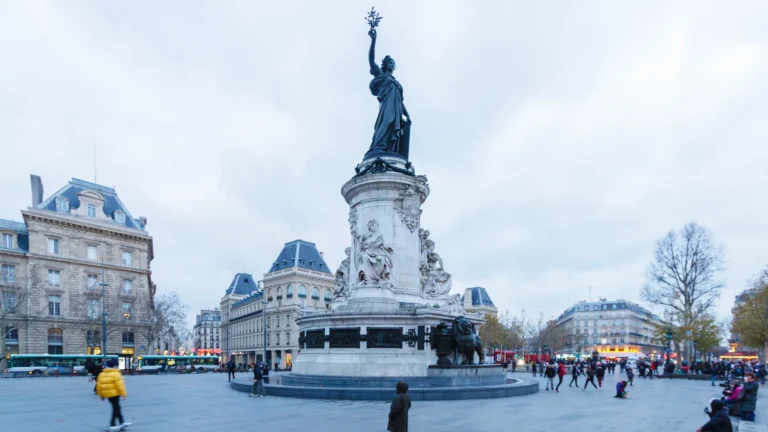
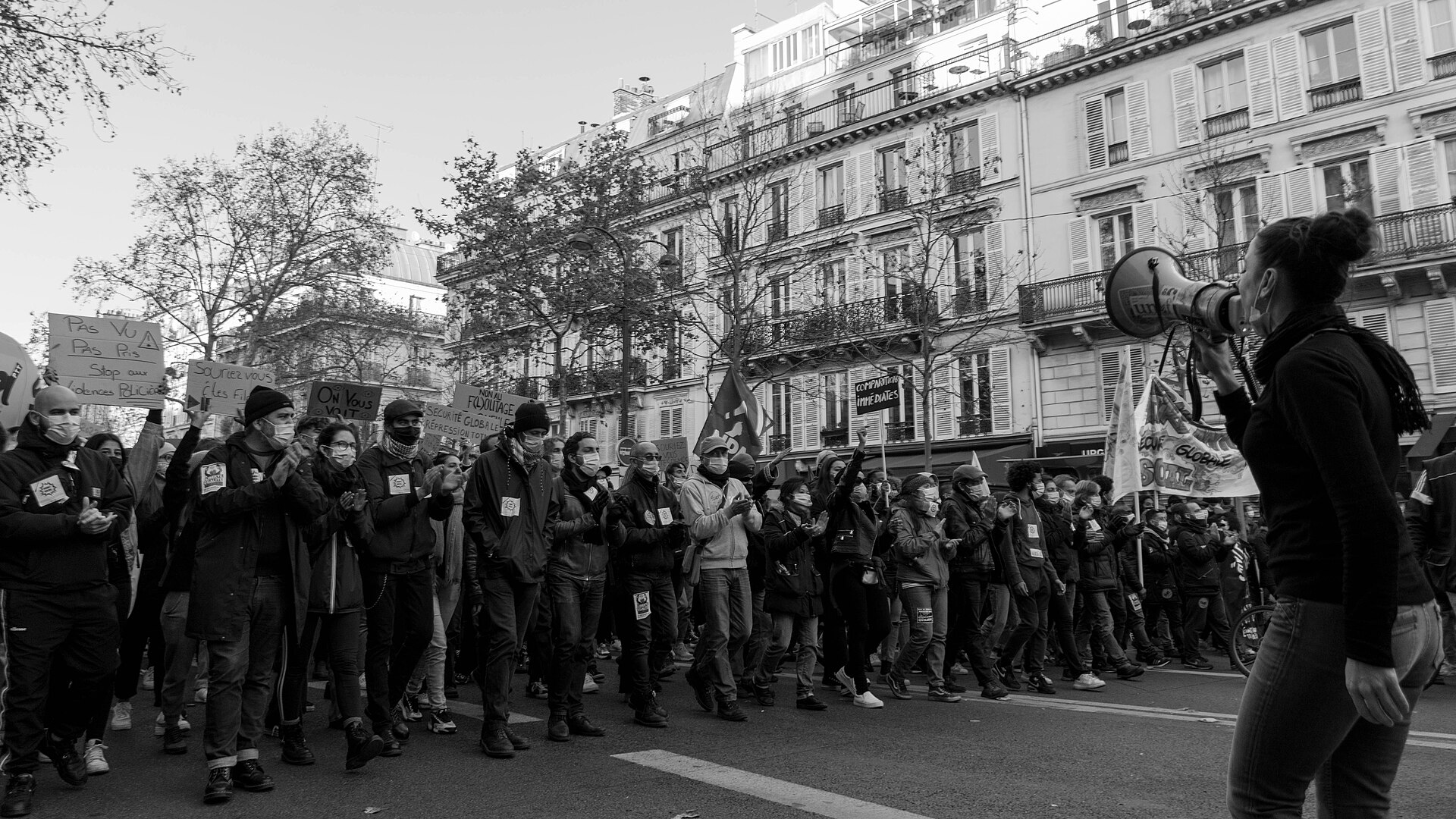
On 29 September 2026, a public-sector mobilisation returned this question to the centre of Paris. Demands concerning pay, working conditions and the resources available to public services deserve to be heard. Yet the announced march from République to Nation also illustrates a familiar pattern: residents, workers, travellers and companies must once again reorganise a day around disruption.
A constitutional freedom, not a licence for disorder
The right to strike has constitutional value in France. The Preamble to the 1946 Constitution nevertheless states that it is exercised “within the framework of the laws that regulate it”. The Constitutional Council recognises that Parliament may reconcile professional interests with continuity of public services and the protection of the general interest.
Public demonstrations are subject to prior declaration. Authorities may alter their route or timing and may prohibit an event where a sufficiently established threat to public order exists, subject to judicial review. French law therefore already contains the principle required for a serious reform: a genuine freedom can be organised and balanced with other rights without being extinguished.
Three different realities must not be blurred. Peaceful assembly is a freedom. A strike is a professional instrument of pressure. Vandalism, looting, arson and assault are offences. Violent offenders should be identified and prosecuted individually, without using their acts to discredit a peaceful crowd. Equally, a political slogan cannot turn a smashed shopfront into democratic expression.
The collective cost no single national account records
France does not publish a consolidated account for each major mobilisation combining policing hours, operating losses, travel cancellations, diversions, clean-up, insured damage and time lost by the public. The absence of measurement encourages exaggeration on every side. More importantly, it prevents citizens from judging whether a method was proportionate to the result it achieved.
Work and production. A worker unable to reach a job, a delayed delivery or a cancelled medical appointment is not an abstraction. Large organisations may absorb part of the shock; a restaurant, tradesperson or small company often bears it immediately.
International tourism. Overseas visitors do not necessarily understand the structure of a French labour dispute. They experience a cancelled train, an inaccessible museum or repeated images of confrontation. For Paris, predictability is part of the destination’s economic value.
Security. A prolonged public-order operation ties up units that cannot simultaneously perform other duties. France’s Court of Audit has documented an increase since 2018 in violence, damage and injuries affecting mobile security forces.
Retail and insurance. Closing in anticipation, protecting a façade, repairing damage and filing a claim all carry a cost. Over time, that cost appears in premiums, prices and public spending.
The freedom to dissent should not become an invisible tax paid by people who are not parties to the dispute.
France Assureurs estimated that the urban riots of June 2023 produced €793 million in damage and more than 17,000 claims. That figure is not a measure of peaceful demonstrations and must never be presented as one. It does show the scale of the bill when unrest becomes violence. Accurate context is essential to an honest debate.
Paris cannot become the automatic stage for every conflict in the world
The capital also hosts rallies linked to crises or governments thousands of kilometres away: Egypt, Sudan, other African states, the Middle East and elsewhere. People living in France — whether citizens, foreign nationals, refugees or members of a diaspora — may legitimately wish to testify, alert the public or defend relatives. National origin cannot determine the extent of a person’s civil liberties.
The serious question is different. Why should the Trocadéro, Place de la République or the surroundings of a major monument automatically become the backdrop to a dispute that French authorities have no power to resolve? Protecting a rally, redirecting traffic and securing property consume French public resources. The choice of location also affects the tourism and international image of the capital.
Our proposal is explicit: where a rally concerns only a foreign conflict, addresses a decision-maker outside France and involves no decision within the competence of French authorities, it should no longer be authorised as a march through Paris streets or outside major visitor landmarks. Expression would remain possible in designated civic spaces, through a static gathering, a verified petition, representation to the relevant embassy or an institutional hearing. France should not automatically carry the policing, urban and tourism cost of disputes it has no power to settle.
The rule must concern the subject, place and impact of the event, not a person’s origin. A prohibition based solely on nationality would be legally vulnerable and would distract from the real issue: preventing French public space and public money from being used automatically to stage foreign political confrontations. The same criteria must apply to all.
Protecting the image of France is not cosmetic. It means protecting jobs, investment, tourism revenue, residents’ daily lives and the ability of police to concentrate resources on the most serious risks.
A strike calendar beside the calendar that creates value
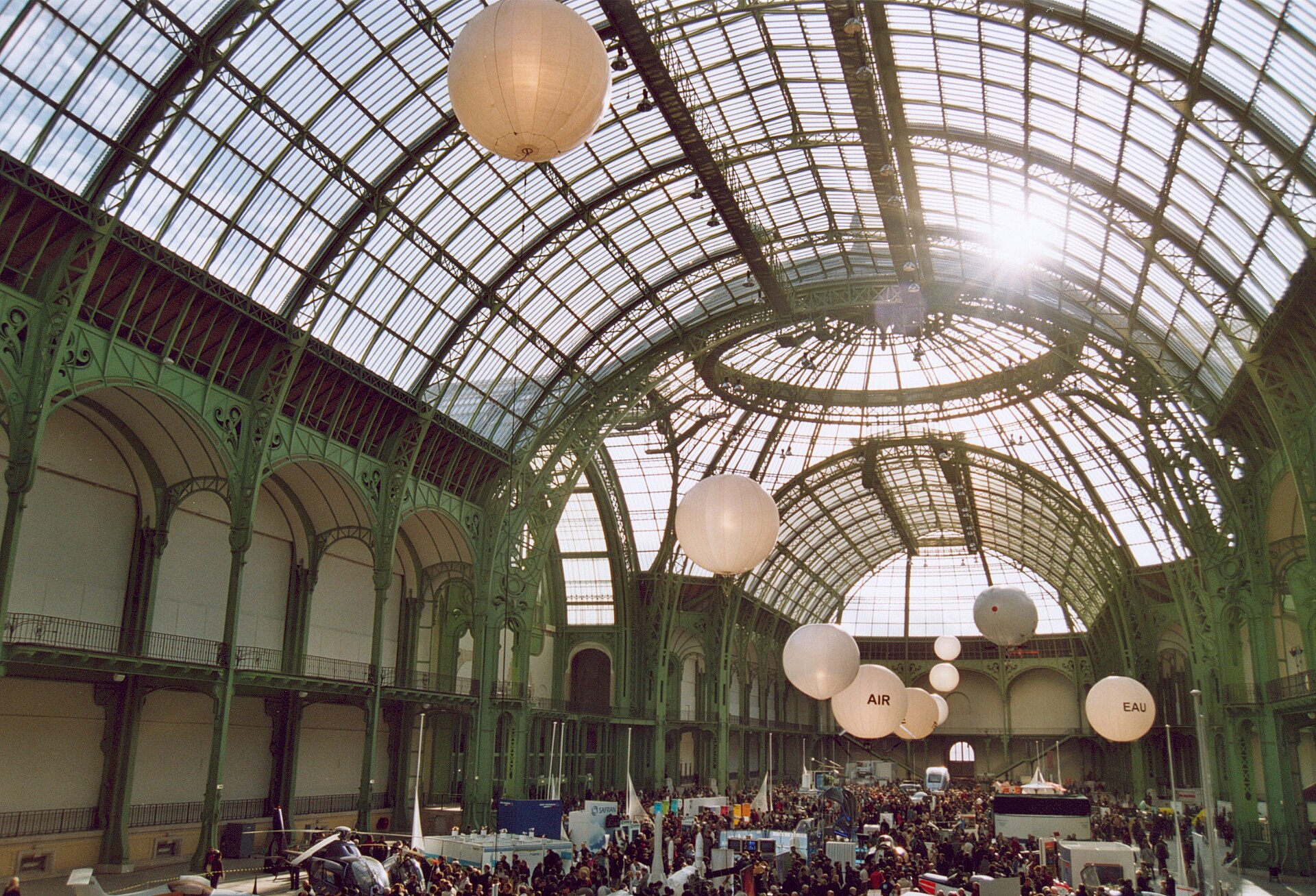
France organises exhibitions, congresses, festivals, sporting events and cultural seasons that attract visitors and generate activity for hotels, restaurants, shops and transport. Alongside those dates sits another calendar: notices of industrial action and days of mobilisation. The pattern is regular enough for public platforms to catalogue it so travellers and companies can adapt.
Advance information is useful; normalising permanent disruption is not. A strike may produce a necessary settlement, and a major event also requires public expenditure. The difference is that the economic return of a trade fair or congress is commonly measured, while the full cost of a day of disruption remains divided among administrations, businesses, insurers and individuals.
France should publish an annual report clearly separating peaceful demonstrations, industrial action, incidents and riots. It should record costs, injuries, damage, closures and compensation, as well as any agreements achieved. Measurement is not condemnation. It allows Parliament and the public to assess whether a method works.
Digital participation must be a route to decision, not a gimmick
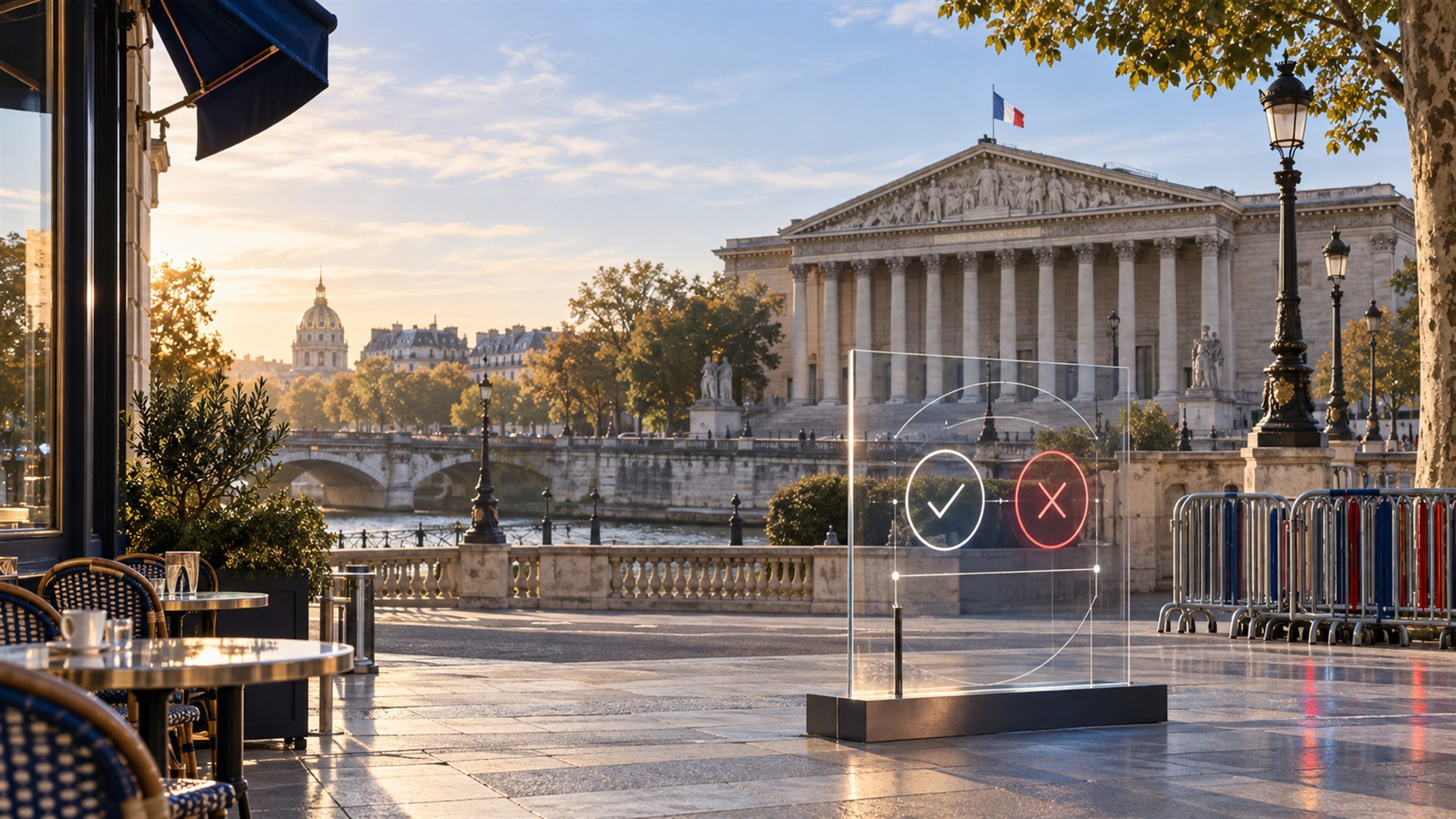
A “yes” or “no” button cannot resolve a complex social dispute. A poorly designed consultation can be manipulated by a loaded question, duplicate accounts or a funded campaign. A credible platform must identify the responsible decision-maker, present competing arguments, verify participants, protect the secrecy of individual choices, publish the stages of negotiation and require a reasoned response.
A platform provisionally called France Dialogue deserves a public feasibility study. Verified trade-union channels could publish a demand, supporting documents and proposed alternatives. The administration or employer would answer by a known deadline. Consultation could measure opinion among those directly affected without replacing the legal vote for industrial action or the work of Parliament.
Governance should be independent and include institutions, unions, employers, civil society, researchers and data-protection experts. Funding, moderation rules, question wording and technical systems should be auditable. Political profiles must never be created or sold. Physical participation points would remain necessary for people who cannot use a digital service.
PARIS RÉFÉRENCE, the association that publishes OUISTARS Travel, originated this editorial initiative and submits the principle to the competent authorities. Neither the association nor the magazine seeks to develop, operate or administer the future platform, or to take part in running it. Their role ends with formulating, documenting and transmitting the proposal. If the French state chooses to examine it, design, governance and operation should follow an independent public process.
A ten-year truce for essential services
France faces a difficult paradox: police officers, firefighters and health workers may themselves take to the street to demand staffing, equipment, pay and protection, while those same services must continue to protect the public and, in the case of police, secure everybody else’s demonstrations. Officers deployed around marches may then face paving stones, metal bars, fireworks or other projectiles. The state pays twice: first because it failed to resolve a structural demand early enough, and again because it must police its expression in the street.
We propose a ten-year national stability pact for policing, civil protection and hospitals. In exchange for a negotiated suspension of professional marches and service stoppages affecting essential missions, the government and Parliament would adopt a funded ten-year programme covering staffing, pay, equipment, occupational health, legal protection, buildings and training. Annual parliamentary review, binding mediation and a reopening clause in the event of non-compliance would prevent the truce from becoming a blank cheque.
The principle follows our earlier editorial, “If You Want a Safe Paris, Support Those Who Protect It”, which called for a ten-year contract between the police and society. Any savings actually verified through reduced public-order deployments, overtime and disruption should be published and redirected first to personnel, equipment and care for injured officers. We state no amount before a public audit establishes one.
Such a truce cannot be imposed by a slogan. It requires social agreement, a legal basis and enforceable safeguards. But it establishes a direction: meet the needs of those who protect and care for the public over ten years instead of waiting for their next demonstration.
An address to the institutions of the Republic
To the Ministry of the Interior and the Paris Police Prefecture: adopt a clearer doctrine protecting major tourist and heritage sites. Large rallies in these spaces should be limited during peak periods through reasoned decisions, with genuinely visible, accessible and secure alternatives.
To the Presidency of the Republic: open a national programme for resolving disputes before they reach the street: verified consultation, rapid mediation, a mandatory public response and an institutional trial of France Dialogue.
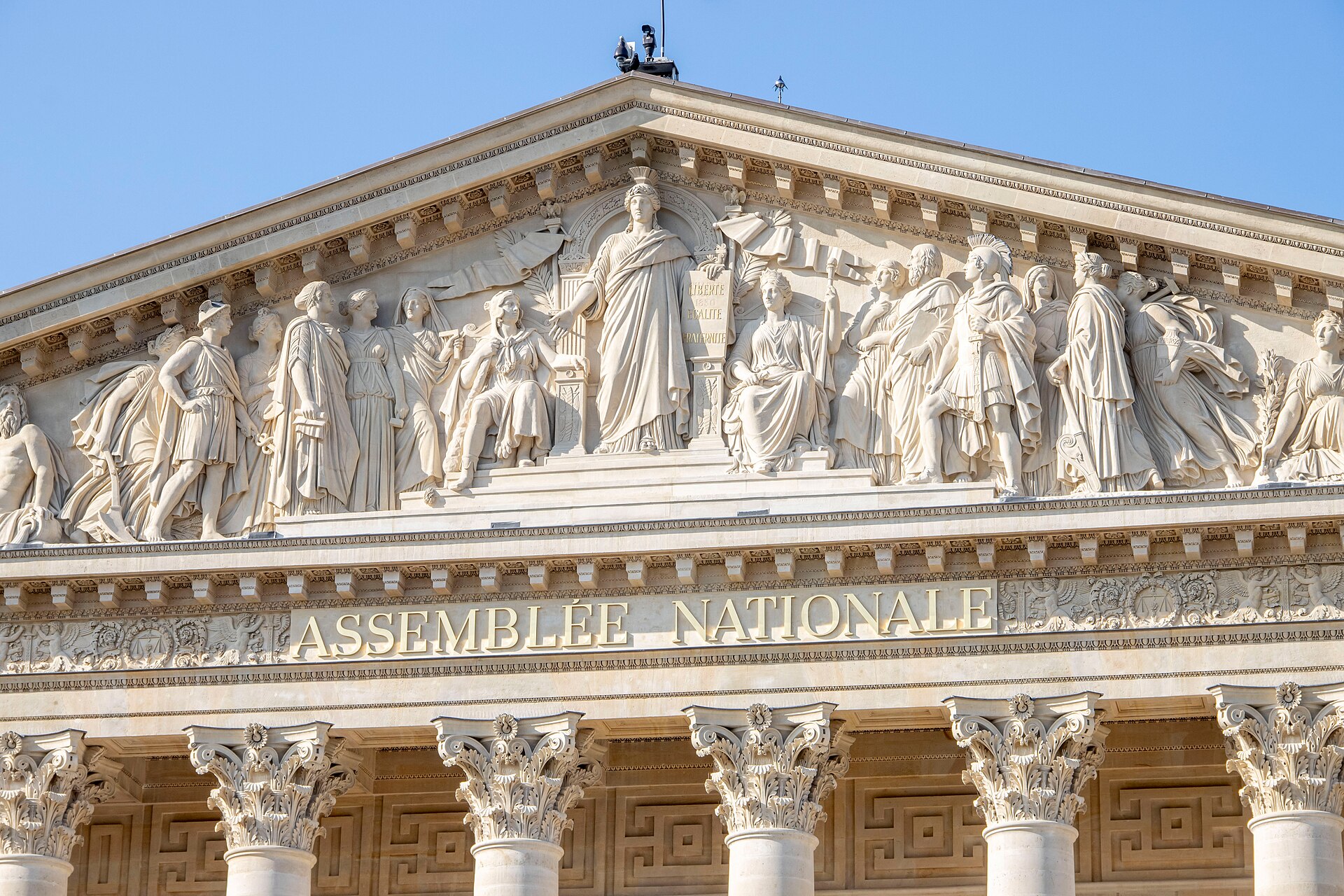
To the National Assembly and the Senate: establish a joint information mission on the economic, tourism, security and social impact of strikes, demonstrations and riots, alongside a rigorous legal framework for digital civic participation.
To the City of Paris: reconcile freedom of assembly with the protection of residents, businesses, visitors and monuments through public criteria applied equally to all.
Six practical decisions
- Negotiate before notice is served in essential services, using short, mandatory mediation where the law permits.
- Protect major visitor sites through stricter criteria governing place, timing, route and nuisance, coupled with credible alternatives.
- Negotiate a ten-year stability pact for essential services, with funded commitments, annual parliamentary review and binding mediation.
- Isolate violent groups quickly, prosecute offenders and protect peaceful demonstrators, journalists and security personnel.
- Publish costs and outcomes for every major mobilisation without confusing peaceful dissent with riots.
- Test France Dialogue for six months under independent supervision and publish the full result, including failure.
What this editorial does not demand
It does not call for a blanket ban on strikes or demonstrations. It does not propose different rules according to an organiser’s origin. It does not seek administrative power without judicial review, or an online vote capable of overriding representative institutions.
It asks that the street become a last resort rather than the first reflex; that monuments cease to be routine stages for disputes unrelated to them; that collective costs finally be measured; and that the state provide channels of dissent capable of producing a response, negotiation and decision.
France can remain free without becoming accustomed to exhaustion
A democracy is not judged by silent streets. It is judged by its ability to hear disagreement, protect those who express it peacefully and prevent conflict from becoming violence or indefinite paralysis. France does not have to choose between liberty and stability. It must organise the first more effectively in order to preserve the second.
The message to public officials is straightforward: open channels before marches form, measure what each method costs and achieves, protect Paris and its visitors, and guarantee that a documented objection receives an answer. Democratic progress does not mean abolishing protest. It means offering it a more effective outcome than repeated confrontation.
Sources and legal references
- French Constitutional Council — constitutional framework and the 1946 Preamble
- Constitutional Council — balancing the right to strike and the general interest
- Service-Public — demonstrations on public roads
- Service-Public — strikes in the public service
- French Court of Audit — mobile forces and public-order operations
- France Assureurs — assessment of the June 2023 urban riots
- CGT — call for mobilisation on 29 September 2026
- European Court of Human Rights — freedom of peaceful assembly
- Police nationale 2030 — operational pressure and management of demonstrations
- French Ministry of the Interior — firefighters’ demonstration and social dialogue
This is an analytical opinion article based on public sources. It distinguishes sourced facts from analysis and editorial proposals.