



THE STORY BEHIND THE HOTEL · PARIS, EPISODE NINE
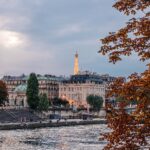
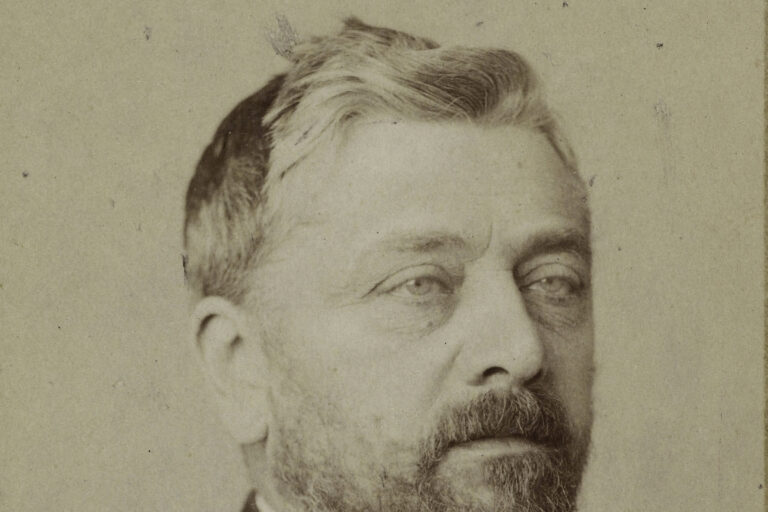
From a terrace above the Seine, the Eiffel Tower appears almost close enough to touch. It is the view that now defines Shangri-La Paris—photographed at breakfast, framed by bedroom windows, and watched as the city turns blue at dusk. Yet the man who built this palace was not chasing the tower. Prince Roland Bonaparte wanted a serious house: part family residence, part library, part scientific archive.
That tension gives the hotel its fascination. Behind one of Paris’s most coveted views stands a private mansion created for a botanist and geographer, later occupied by a financial company and the French state, altered almost beyond recognition, then restored as an encounter between French imperial memory and Asian hospitality.
This is not a hotel review, and no stay was provided. It is the documented story of a house that survived changing ideas of prestige.
A palace for books, plants and a Bonaparte
In 1891, Prince Roland Bonaparte acquired roughly 3,000 square metres on the Chaillot hill, opposite the Musée Guimet. He was Napoleon I’s grandnephew, but his interests extended beyond ancestry. Roland was a geographer, botanist and collector who needed a residence large enough for his family, his geographical library and an immense herbarium.
He commissioned architect Ernest Janty in 1892. Construction took four years, and the completed hôtel particulier became the home of Roland and his daughter Marie in 1896. The building was designed not merely to impress visitors but to organise knowledge: reception rooms for Parisian society, private apartments above them, and spaces capable of housing scientific collections on an extraordinary scale.
Architecture between Louis XIV and the modern age
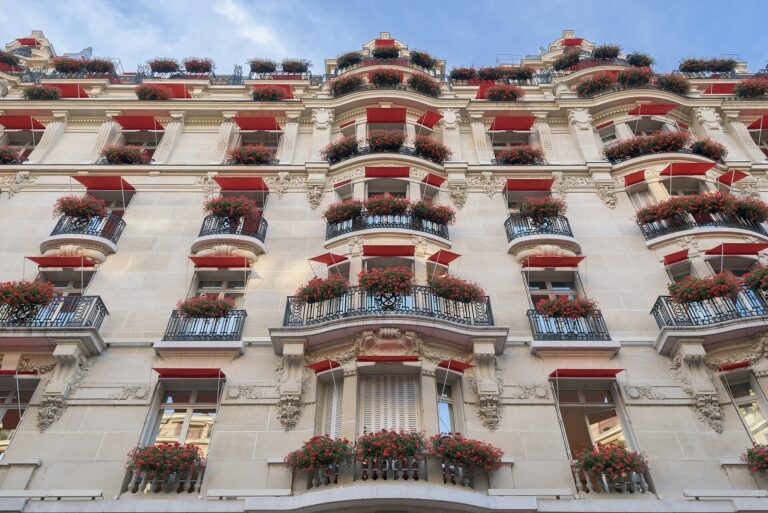
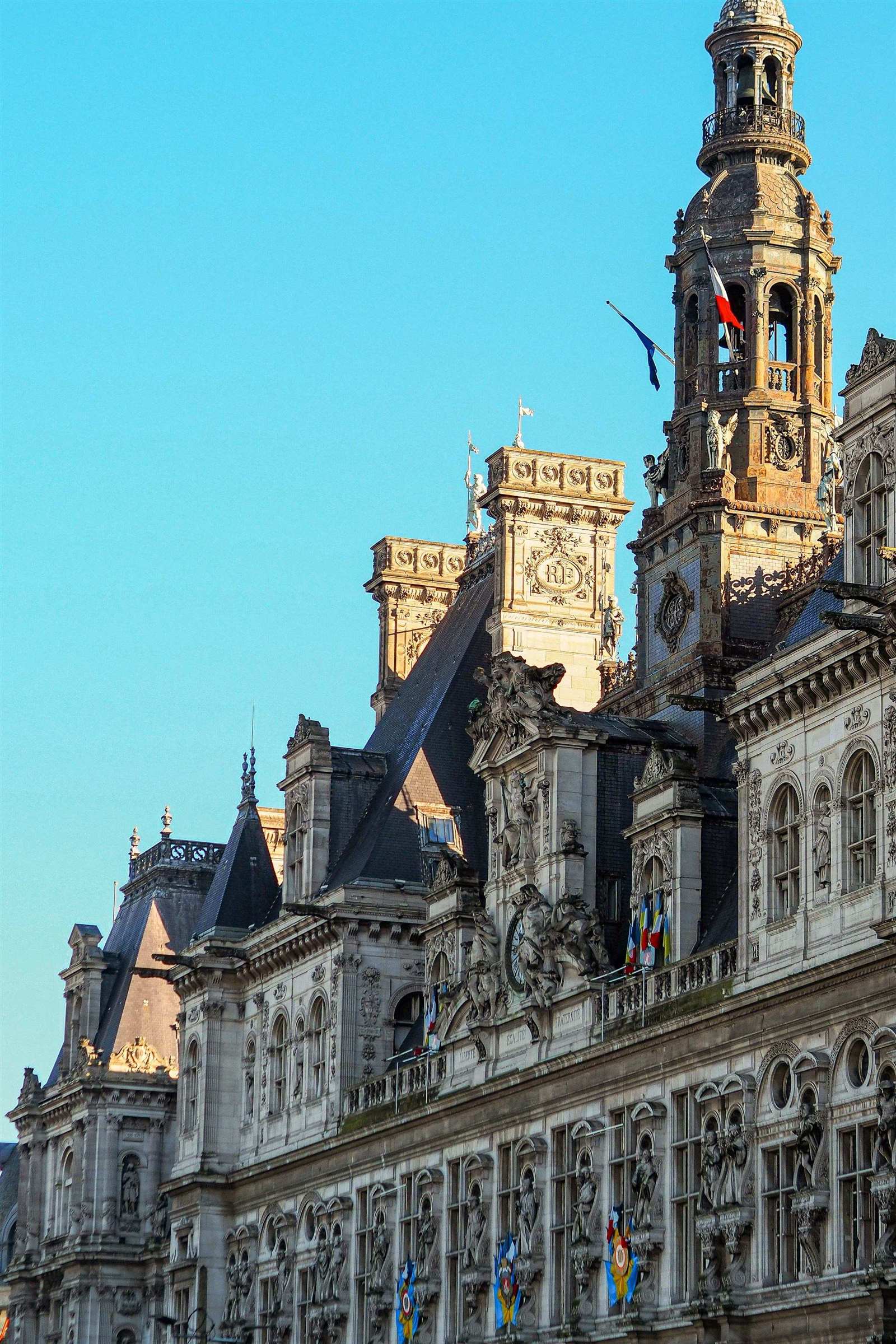
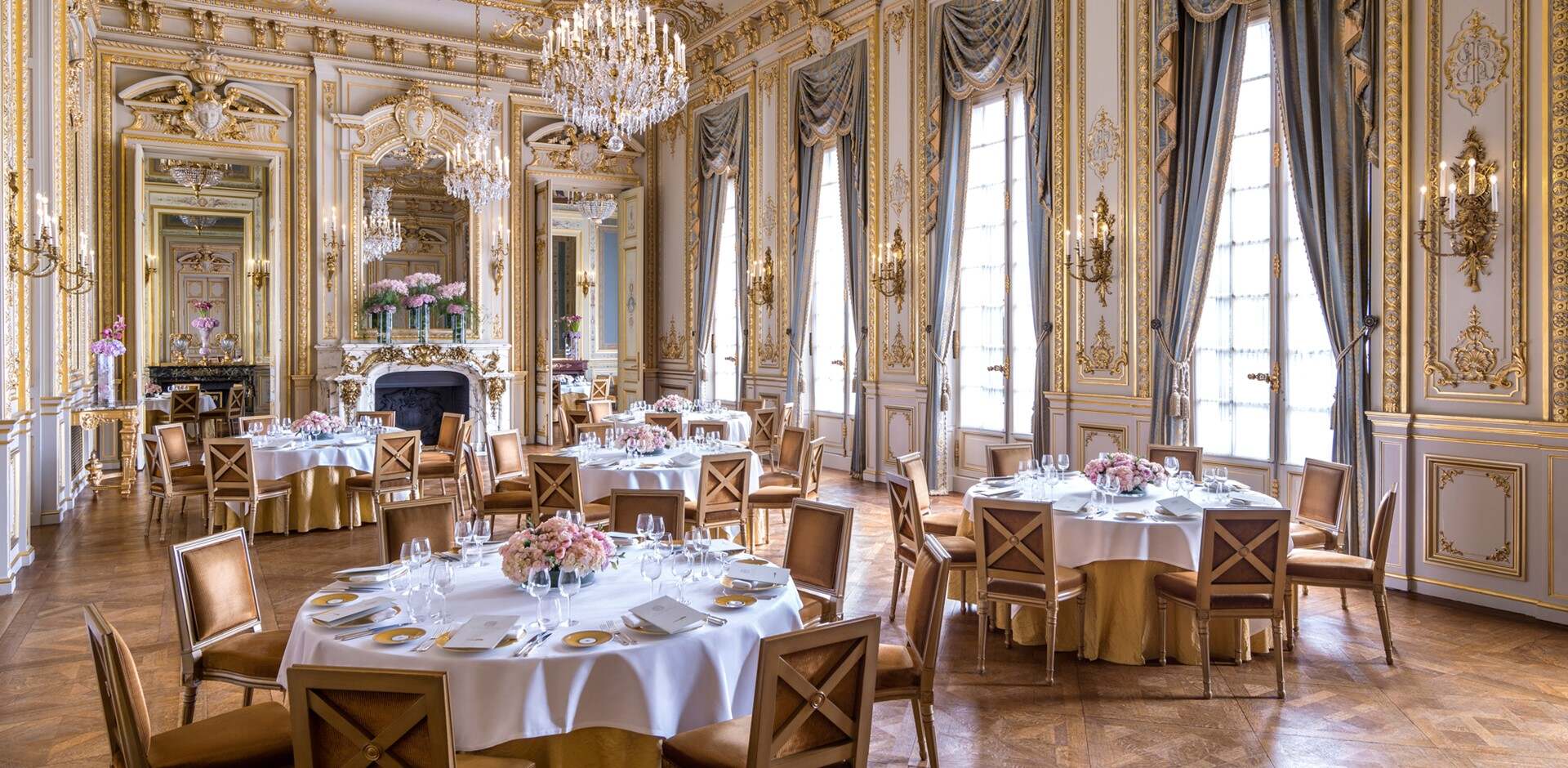
Janty’s architecture is eclectic rather than doctrinaire. The symmetrical stone façades, monumental staircase and grand salons borrow from the courtly vocabulary of Louis XIV and the eighteenth century. Empire references honour the Bonaparte lineage, while floral ironwork and stained glass anticipate Art Nouveau.
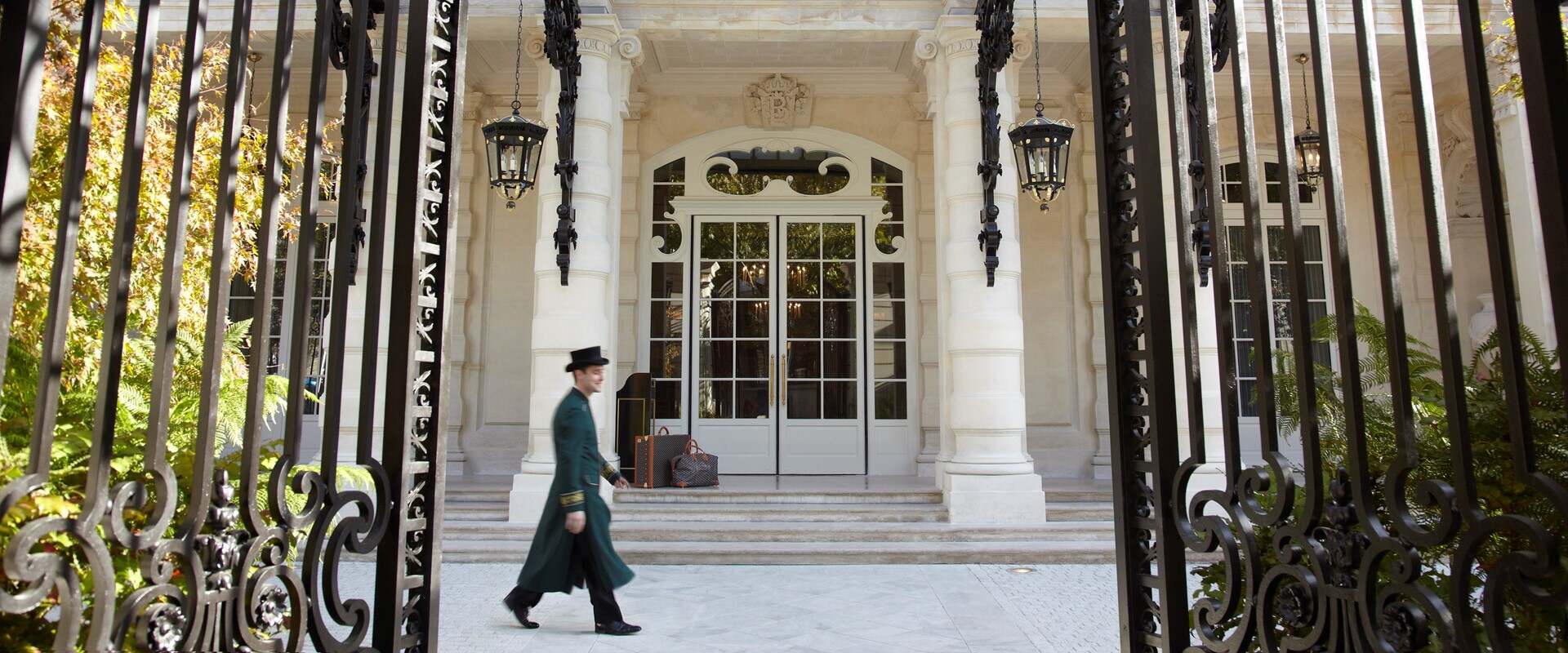
The entrance sequence was calculated as theatre. A wrought-iron and bronze gate leads through the building toward the staircase, where carved stone, gilding and generous landings slow the visitor’s ascent. The historic salons—Grand Salon, dining room and family salon—retain marble fireplaces, crystal chandeliers, parquetry and decorative details protected today as part of the monument.
It was also a working residence. The rear service areas and stables belonged to the same machine as the salons. More than a century later, those former stables would become one of the hotel’s most serene spaces.
IF THESE WALLS COULD TALK: Marie Bonaparte’s engagement
In 1907, the reception rooms became the setting for the engagement of Roland’s daughter, Marie Bonaparte, to Prince George of Greece and Denmark. The match joined the Bonaparte family to Greek and Danish royalty, but Marie’s later life would make the story far more compelling than a society announcement.
Marie became a pioneering psychoanalyst and a close collaborator of Sigmund Freud. In 1938, she used her position, money and diplomatic connections to help Freud and his family escape Nazi-occupied Vienna. The young woman once celebrated in these gilded salons became an important figure in the history of psychoanalysis—and in one of the twentieth century’s most consequential rescues of an intellectual life.
The rooms therefore hold two histories at once: the choreography of aristocratic Paris in 1907 and the future independence of a woman who refused to remain merely ornamental.
The names history can prove
The most important documented figures attached to the house are its original residents and their circle: Prince Roland Bonaparte, his daughter Marie and Prince George of Greece and Denmark, whose engagement was celebrated here. The hotel’s official and institutional histories do not publish a reliable celebrity guest register for the years after 2010. For that reason, this story does not repeat unverified internet lists of actors, singers or political visitors.
From private residence to institutional address
Roland Bonaparte died in 1924. The property was sold to the Compagnie Financière de Suez and, in 1944, acquired by the French state for the Centre Français du Commerce Extérieur. Offices and institutional use changed the building. Partitions, technical interventions and successive redesigns obscured much of the original domestic plan.
This was the difficult middle life of the palace: useful, prestigious, but increasingly separated from its first identity. The French Ministry of Culture records that major transformations altered much of the elevations and interiors, even though the original distribution and important decorative elements survived.
A four-year act of recovery
Shangri-La acquired the property in 2006. Architect Richard Martinet and interior designer Pierre-Yves Rochon led a restoration lasting four years—the same length of time as the original construction. Specialists studied surviving plasterwork, gilding, marble, parquet, ironwork and archival evidence while adapting approximately 20,000 square metres to contemporary hotel use.
The project did not pretend that nothing had happened since 1896. New rooms and services were introduced, but the most significant historic spaces were recovered as anchors. In 2009, the façades, roofs, gate, main staircase and a defined group of decorated rooms were officially registered as Monuments Historiques. Shangri-La Paris opened on 17 December 2010 and received France’s official Palace distinction in 2014.
The hotel today: 100 rooms and a view with global reach
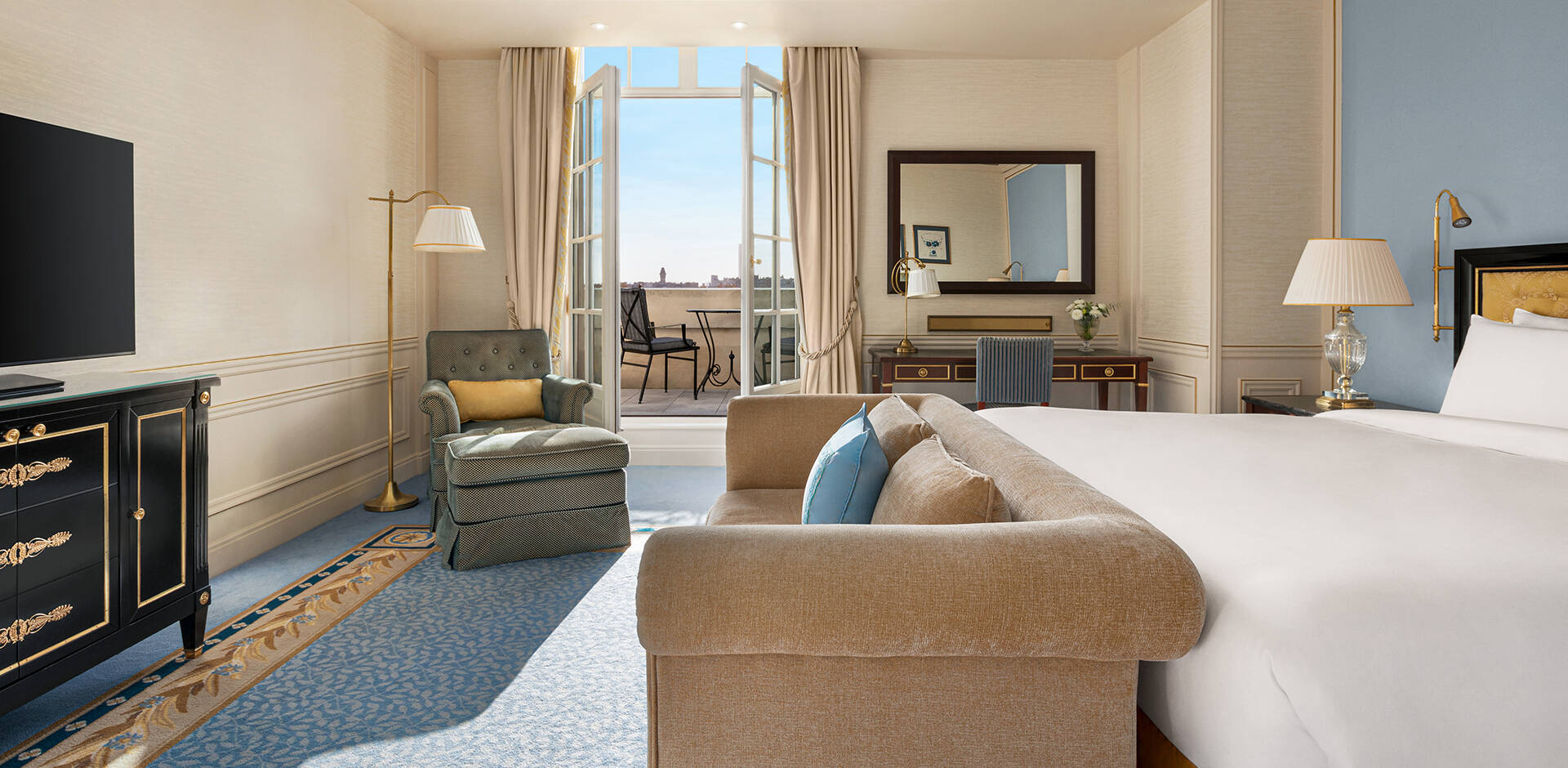
Shangri-La Paris now has 100 rooms and suites. The design combines French residential proportions with restrained Asian references rather than turning the building into a themed imperial set. The most sought-after categories are naturally those facing the Eiffel Tower: terrace rooms, duplex suites and signature suites that make the monument part of the interior composition.
The suites that explain the building
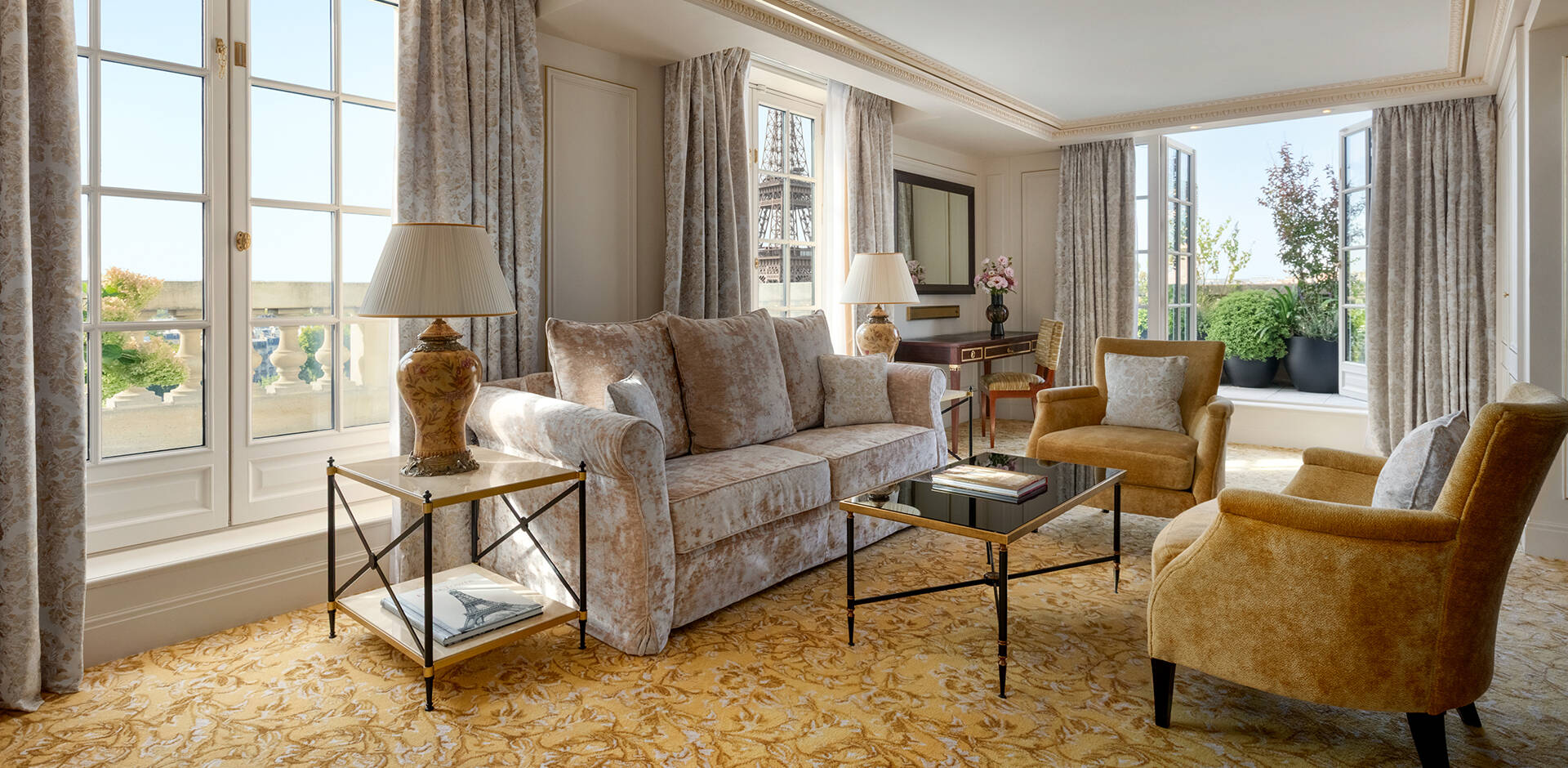
La Suite Gustave Eiffel uses a wraparound terrace to place the tower at the centre of the stay. La Suite Chaillot opens toward the Paris skyline, while La Suite Shangri-La extends the panorama from the Eiffel Tower toward the Grand Palais and Sacré-Cœur.
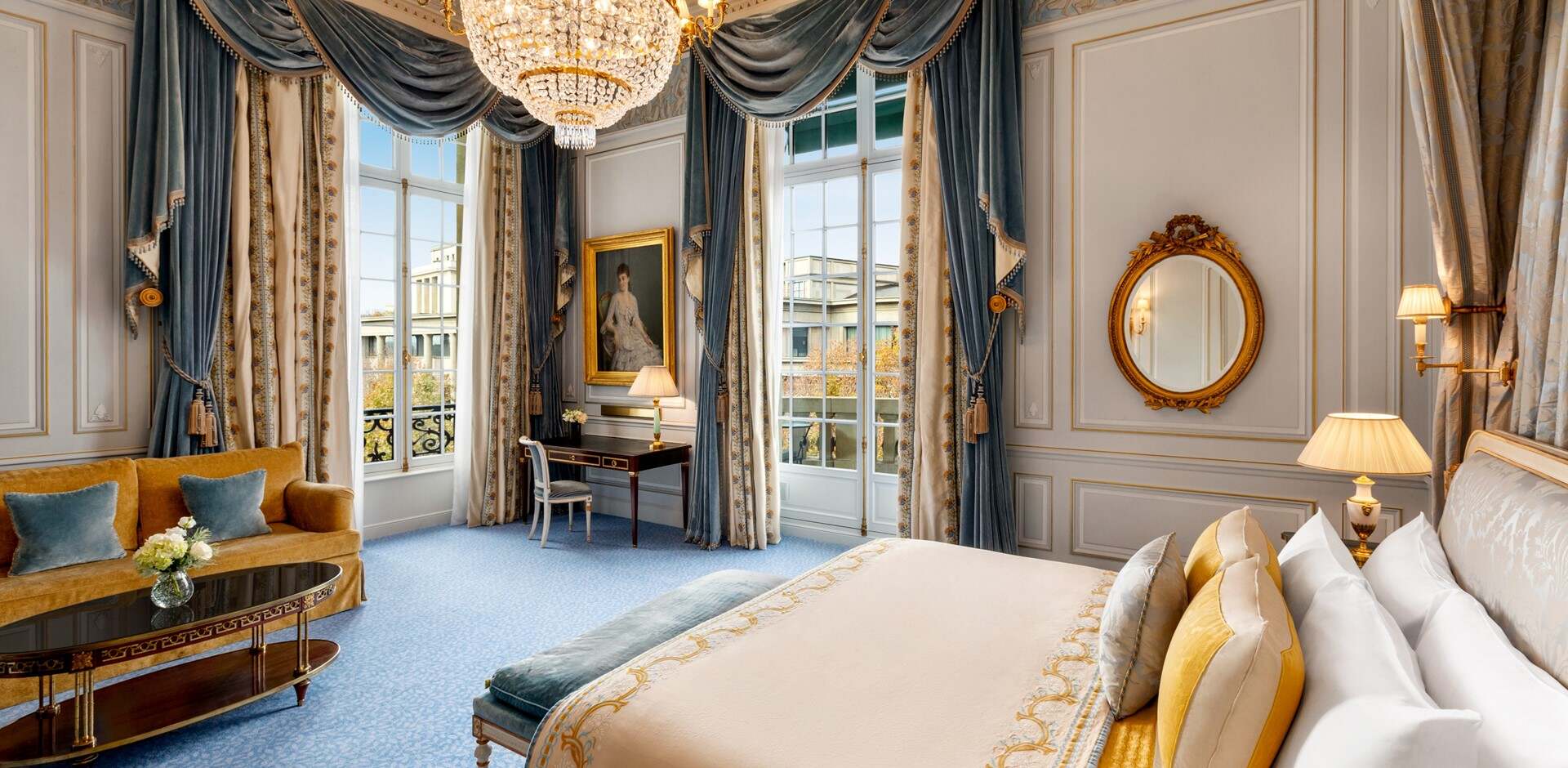
The historically essential suite is L’Appartement Prince Bonaparte. Located on the second floor in the prince’s former private quarters, the 315-square-metre apartment has five-metre ceilings, gilt mouldings, Versailles parquet and protected Directoire-style decoration. It looks toward Avenue d’Iéna and the Musée Guimet rather than making the Eiffel Tower its only subject—a useful reminder that the original house had an intellectual geography of its own.
Restaurants: Paris meets Asia without disguise
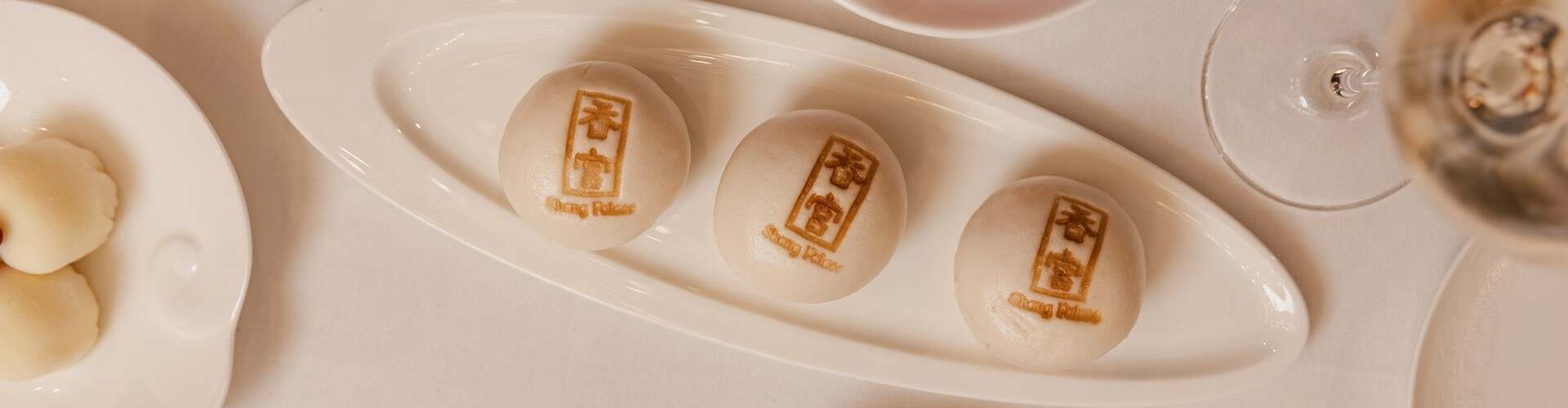
Shang Palace opened in 2011 as Europe’s first Shang Palace. It held a Michelin star from 2012 through 2024, a rare distinction that helped establish high Chinese gastronomy within the vocabulary of the Paris palace hotel. Today chef Tony Xu continues the restaurant’s regional Chinese foundations while incorporating carefully selected French produce.
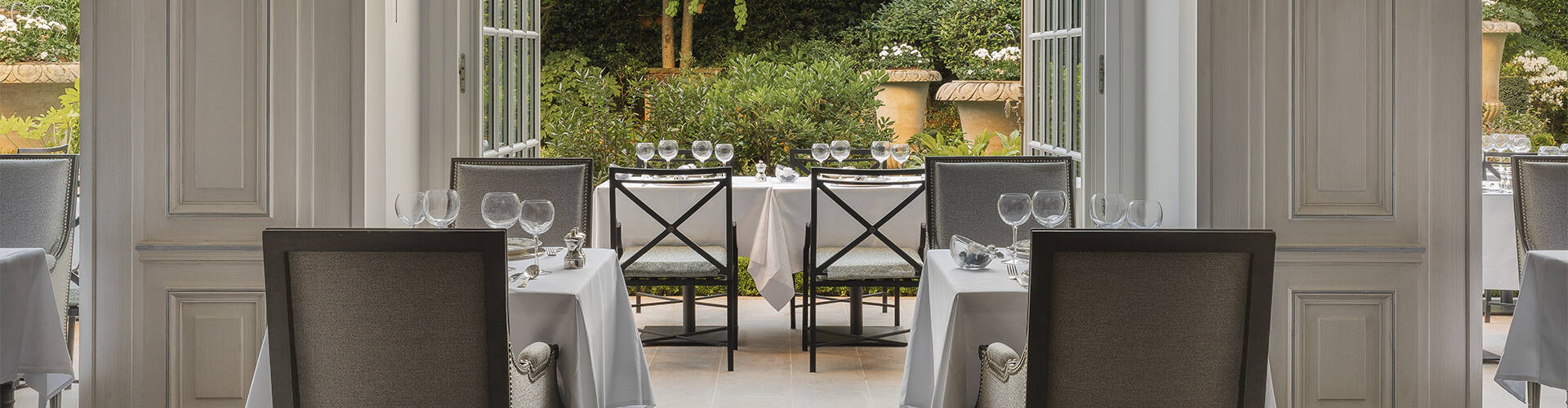
The hotel’s dining offer continues to evolve. Maison Roland, opened in May 2026, is a garden-facing Parisian bistro named for the first resident. Les Salons du Prince offer a lighter contemporary setting, while Le Bar Botaniste translates Roland’s passion for plants into the language of spirits and cocktails.
A pool where horses once stood
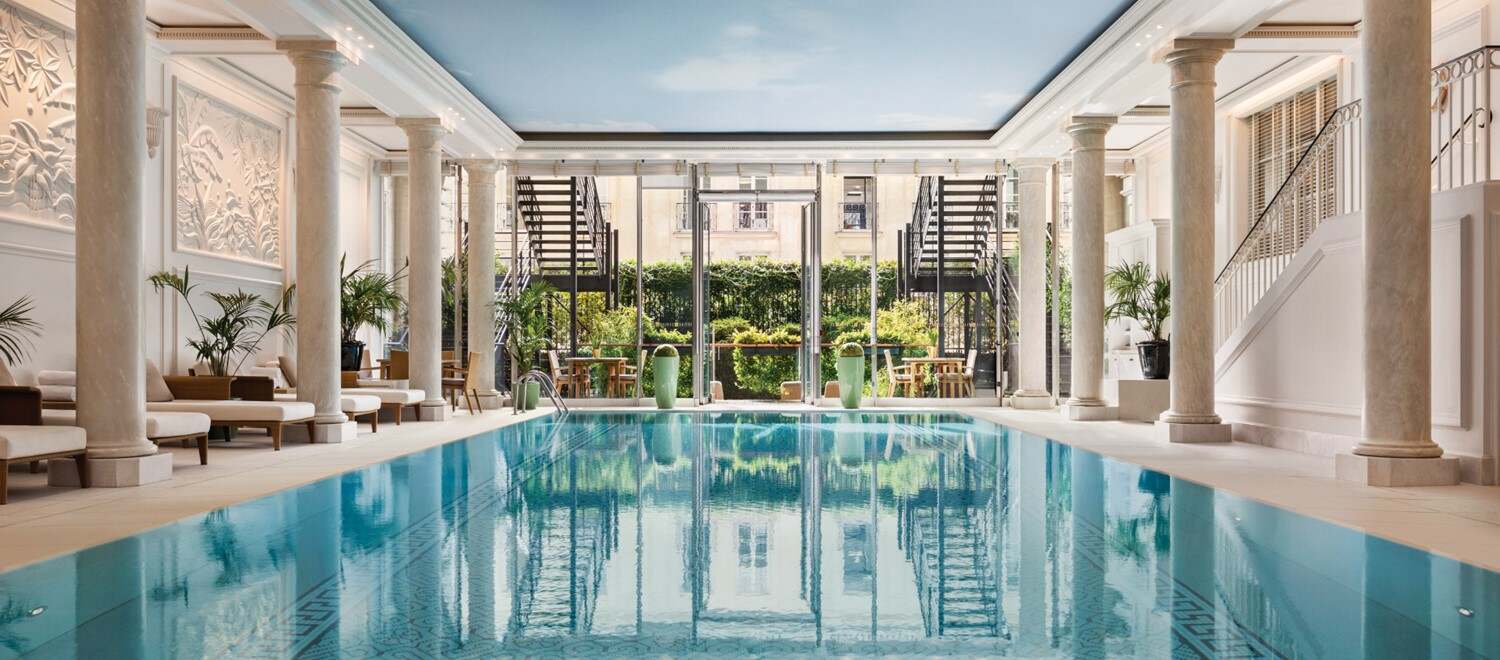
Chi, The Spa occupies the area of the prince’s former stables. Its centrepiece is a 17-metre pool flooded with natural light and opening toward a 94-square-metre green terrace. The transformation is one of the clearest examples of the restoration’s method: a service space from the private palace reimagined without erasing its position in the original plan.
Why travellers still choose it
The obvious answer is the Eiffel Tower. Few Paris luxury hotels give the monument such visual immediacy from so many room and terrace categories. But the stronger answer is contrast. Guests can wake to the most recognisable view in France, descend through protected Bonaparte interiors, eat serious Chinese cuisine and swim where nineteenth-century stables once stood.
It is also well placed for travellers drawn to art and architecture: the Musée Guimet faces the hotel, the Palais de Tokyo and Musée d’Art Moderne are nearby, and the Trocadéro, Seine and Eiffel Tower are within walking distance.
Practical information
Address: 10 Avenue d’Iéna, 75116 Paris.
District: 16th arrondissement, on the Chaillot hill.
Nearest Métro: Iéna, Line 9.
Check-in / check-out: 3 pm / 12 noon, subject to current hotel policy.
Official website: Shangri-La Paris.
Turn the Eiffel view into a complete Paris arrival
For readers choosing the Chaillot side of Paris, OUISTARS can organise the journey around the address: a personal airport welcome, a private transfer to Avenue d’Iéna and a tailored programme connecting museums, fashion, gastronomy and the Seine. The editorial choice remains independent; the practical journey is shaped around you.
Plan a made-to-measure Paris arrival with OUISTARS →
OUISTARS services are separate from this independent editorial selection and do not imply a partnership, sponsorship or hosted stay with the hotel.
Ask OUISTARS to arrange the request
Thinking of staying at Shangri-La Paris?
Share your dates, number of travellers, preferred room or suite and arrival details. Our concierge can research a suitable option, coordinate the hotel request, airport welcome and private transfer.
Request this stay with OUISTARS on WhatsApp →
Or contact the 24/7 OUISTARS concierge
OUISTARS acts as an independent travel and concierge service. Availability, rates, taxes, cancellation terms and inclusions are confirmed before any commitment. This commercial assistance is separate from the editorial coverage and does not imply a partnership with the hotel.
Watch: the official Shangri-La Paris film
This official film presents the former Bonaparte residence, its interiors and its relationship with the Eiffel Tower. It is streamed directly from Shangri-La’s official website and is not downloaded or rehosted.
Editorial independence and verification
Shangri-La Paris was selected for its architectural and historical significance. This article was produced independently and does not imply a partnership, sponsorship, complimentary stay or commercial endorsement. Historic facts were checked against the French Ministry of Culture, official hotel material and institutional tourism sources. Current facilities were checked on the hotel’s official pages in September 2026.
Selected sources
- French Ministry of Culture: former Roland Bonaparte residence
- Shangri-La Paris: official overview
- Official rooms and suites
- Chi, The Spa
- Shang Palace
- Maison Roland
Continue the Paris season with Prince de Galles and Hôtel Plaza Athénée.
Osama Samaha
Editor-in-Chief — OUISTARS Travel