















Supplier due-diligence guide · Paris
A beautiful image attracts you to a supplier; the contract and method protect the wedding. The best photographer is not one viral frame, and the best planner is the person who can explain the plan, backup and responsibility without fog.
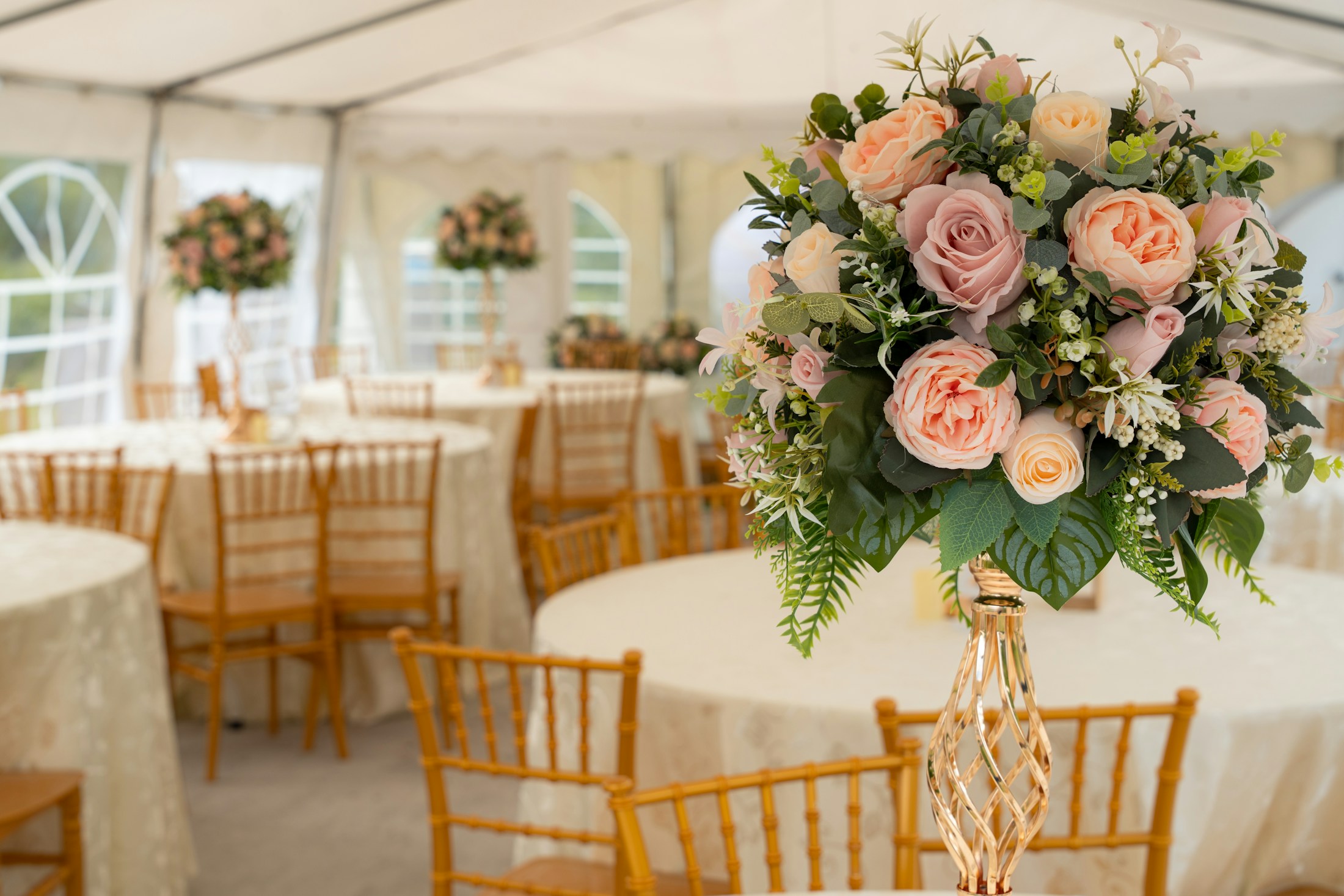
Featured image: a luminous floral wedding table under a white event tent. Photo: Adi Albulescu / Unsplash. Image source · Unsplash License. Used as décor inspiration; it is not presented as a Paris venue.
What to ask each team
| Supplier | Evidence to request |
| Photographer | full gallery and difficult light |
| Film | complete film and speech audio |
| Planner | timeline, responsibility, references |
| Florist | quantities and seasonal substitutes |
| Production | drawing, safety, install and removal |
See a complete story
Ask for a full wedding from preparation to dance in a comparable venue. Judge colour consistency, family groups, unscripted moments and night work.
Separate image-making from publication
The contract should state ownership, deliverables, timing and whether adults or children may be published or used in advertising.
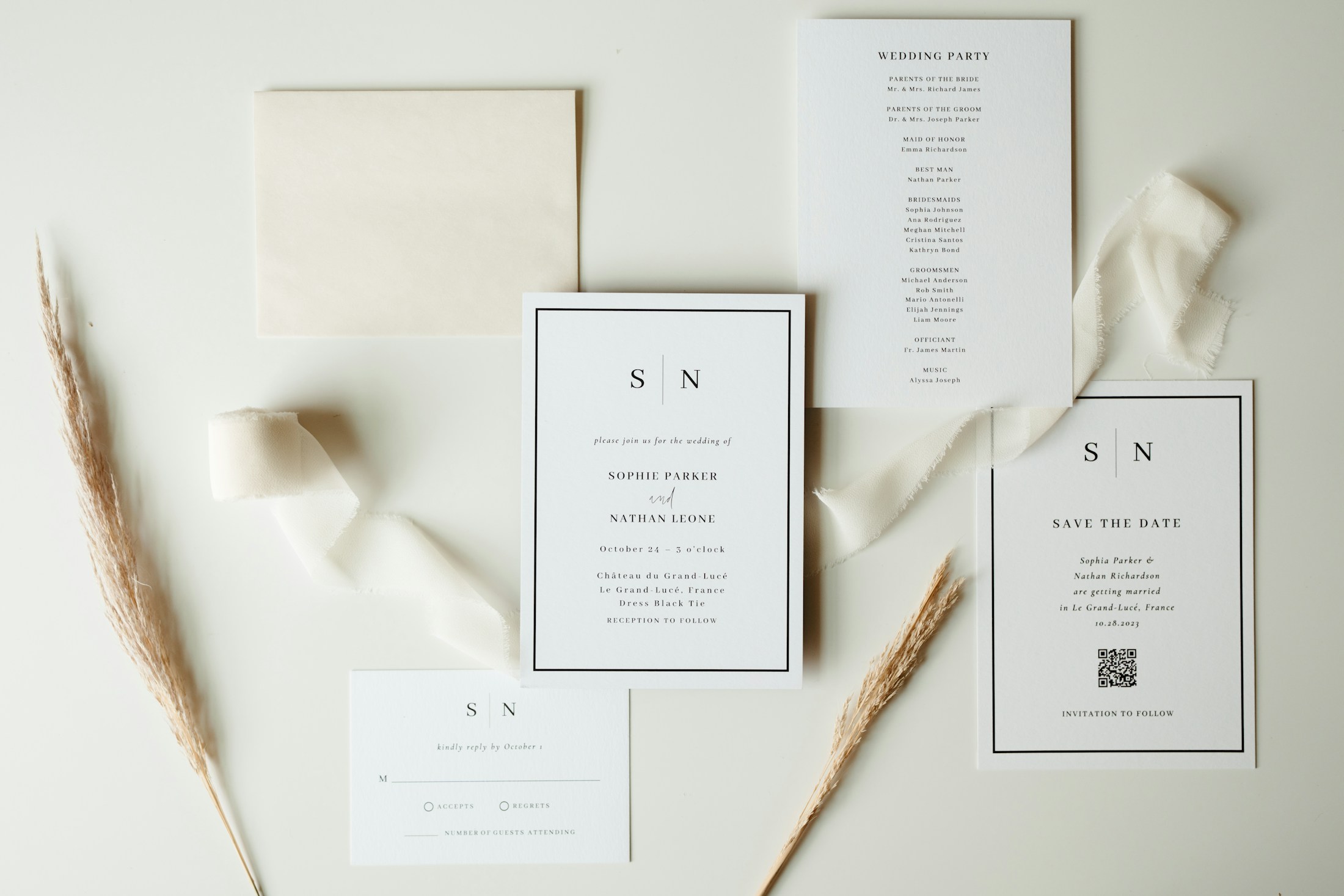
Planner: who does what?
Creative design, negotiation, supplier management and day-of direction are different services. Ask for a responsibility matrix and named substitute.
Seasonal flowers and décor
A reference image is not a bill of materials. Ask for approximate varieties, sizes, quantities, rented elements, heat plan and substitutes that preserve palette and shape.
Backup is professional
Spare cameras, dual storage, liability insurance, planner substitute, install window and safe power are risk management, not pessimism.
A practical checklist before meeting the photographer

Turn a portfolio into a comparable offer
Choose two complete galleries from venues and lighting conditions similar to yours. Ask who will actually attend: a studio name does not always identify the photographer. Compare family groups, portrait time and the team’s ability to work without interrupting guests.
Specify coverage hours, team size and whether film is included. Agree on edited images, file resolution, delivery method, deadlines and any album. Raw files are not an automatic inclusion; discuss them rather than assuming.
A beautiful design needs quantities and a plan
For flowers, request a description of each arrangement, its position and approximate size. Identify rented vases, candles and stands, who returns them and how damage is handled. If ceremony flowers will move to the reception, establish who carries out that change and when.
For lighting, consider both what guests see and what cameras record. A striking reference colour may alter faces. Discuss a sample or plan suited to the room, including electricity, installation, removal and venue approval.
Full planning and day-of coordination are different commissions
Define the task first. Do you need someone to find the venue, negotiate and manage the budget, or someone to receive completed contracts and run the day? Request deliverables, meeting dates and limits on revisions. A task without a named owner can remain unresolved until the last moment.
Name the person authorised to approve changes and additional charges. Every supplier should not seek a decision from the couple during the reception. Clarify subcontracting too: who is responsible for those teams and who monitors their work?
Ask a reference about an actual incident
Where a past client consents to contact, ask for a reference from a comparable event. Discuss punctuality, how a delay or change was handled and whether the final delivery matched the agreement. A specific incident tells you more than general praise.
DGCCRF guidance stresses identifying the service provider, understanding price calculation and knowing the terms before contracting. Use that principle to assemble a small file for each supplier: written offer, service scope, payment schedule and change policy. Clear limits make a better collaboration.
Compare proposals line by line—not only the final figure
The lowest quote may become the highest after overtime, travel, assistants, printing, installation and removal are added. Ask each supplier for a written proposal carrying the legal trading identity, contact details and relevant professional registration, then standardise the brief: date, venue, hours, team size, VAT, travel, meals, equipment, deliverables and options. Prices are comparable only when the scope is comparable.
For photography and film, separate attendance from editing and delivery. For planning, distinguish design, negotiation, budget control and day-of direction. For décor, require quantities, dimensions, materials, lighting and rented inventory—not only an inspiration photograph.
Payments, cancellation and postponement: read the difficult scenario first
Record the deposit, instalment dates, refund terms and overtime rate, including who may approve extra charges. The contract should address a change of venue, guest count or date; illness of the lead professional; travel disruption; site closure; dangerous weather; and force majeure. Is the substitute comparable, and who selects that person? Can payments move to a replacement date, and which documented costs remain non-refundable?
“Depending on circumstances” is not enough. Ask for notice periods, retained amounts, unrecoverable expenses and the dispute process. Keep the proposal, invoice, contract, emails and amendments together; a voice message should not silently rewrite a financial term.
Image rights, privacy and archiving
The photographer’s copyright does not erase the couple’s privacy and image rights. Define the licence you receive: downloads, printing, family sharing and social publication. In the opposite direction, decide explicitly whether the photographer, planner or venue may show the images on a website, in advertising or in competitions, with a clear opt-out for children, guests and private locations.
Ask how long files are retained, what backups exist, which video and audio formats are delivered, how film music is licensed and what happens if an album is damaged. A temporary online gallery is not a permanent archive; download the work and keep two separate copies.
Insurance, safety and venue approval
Request professional liability evidence where appropriate and confirm that the venue accepts the people and equipment. A décor plan should cover loads, rigging, power, candles, fire performance, emergency routes and access windows. Name who protects floors, removes waste and returns rented inventory.
Share one operating schedule with contacts, arrival times, loading access, photography windows, venue approvals and the rain plan. For an international wedding, select an operating language and one authorised decision-maker so suppliers do not receive contradictory instructions.
Red flags worth acting on
- No contract, invoice or verifiable professional identity.
- A beautiful portfolio without a complete event to review.
- Unlimited revisions or delivery promised without a written date.
- A large discount tied to immediate payment in full.
- No named substitute, backup equipment or data plan.
- Publication of children or guests without explaining consent.
- A décor concept that omits venue approval, safety and removal.
A strong supplier does not resist precise questions. Clear answers are part of the service—and the best early evidence of how the team will behave when the plan changes.
Checklist before signing
- full wedding gallery
- contract and deadlines
- publication/privacy rights
- insurance and backups
- lead and substitute
- rain plan
- safe installation drawing
- two comparable references
Frequently asked questions
How many photographers?
It depends on guests, sites and simultaneous moments. A second photographer helps in complex schedules.
Full planner or day-of coordination?
Day-of may work when contracts are complete; international guests and many suppliers favour full planning.
When should we book?
Begin once the date and venue are settled. Ask each supplier about availability and the preparation time for the service you need.
Sources and editorial verification
- PhotoShelter: preparing for wedding photography
- INPI: copyright protection
- City of Paris: filming and photography arrangements
Editorial review: 8 October 2026. Availability, prices, administrative requirements and permissions may change; verify with the responsible authority or supplier before commitment.
Watch the professional preparation
PhotoShelter’s official pre-event checklist for wedding photographers (English).