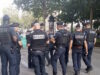
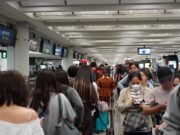













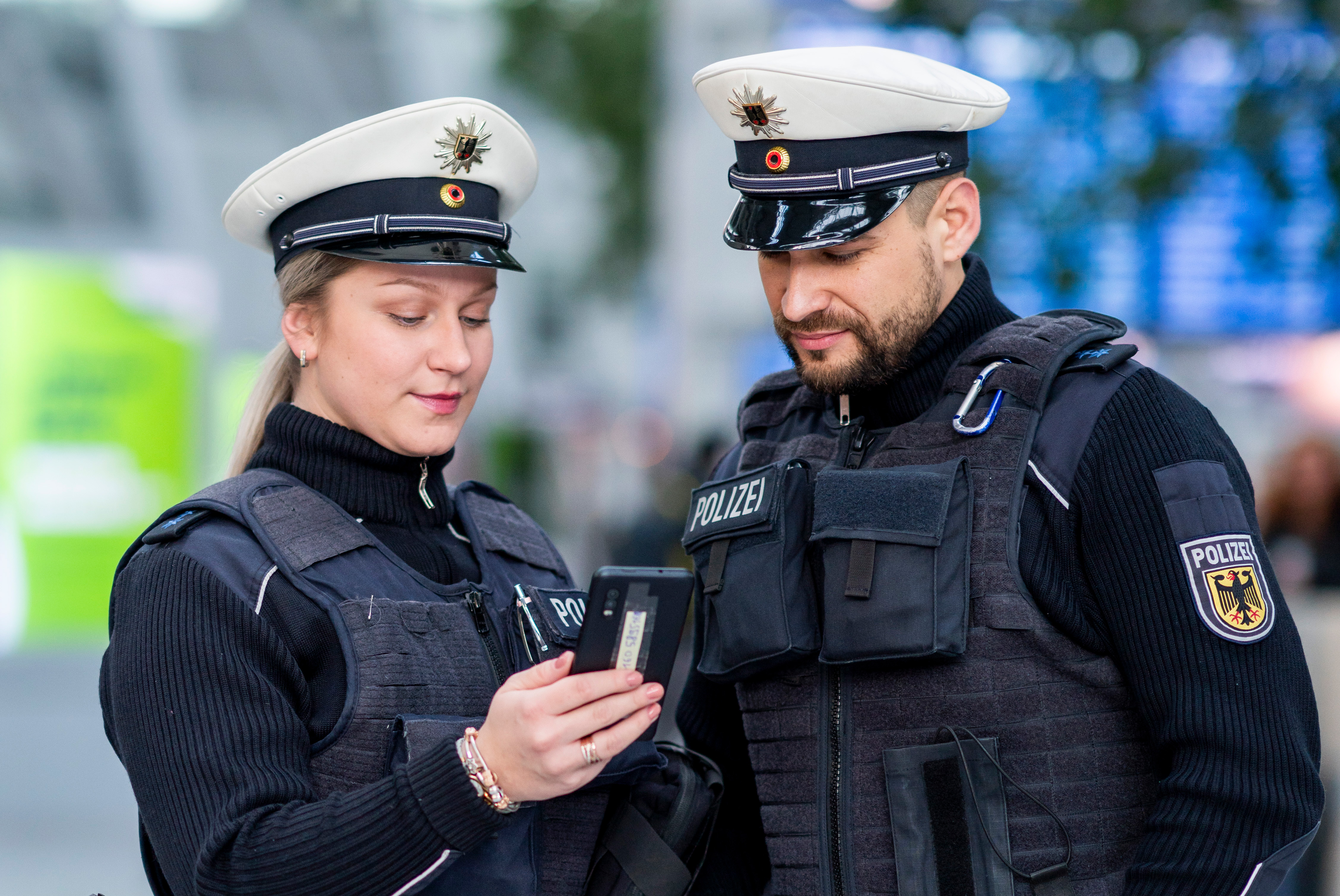
Italy border controls have returned for some passengers arriving from Spain by air and sea. The decision has put Schengen travel rules—and the future of open movement in Europe—under fresh scrutiny.
Millions of travellers have grown used to boarding a flight from Madrid to Rome as casually as moving between two cities in the same country. Then a crisis erupted thousands of kilometres away. It unfolded in Ceuta, on the African coast, and brought passports and border checks back to the centre of European travel.
Italy has temporarily reinstated checks on passengers arriving from Spain by air and sea. The move followed exceptional migration pressure in Ceuta. Spain’s Interior Ministry reported that about 50,000 people had crossed from Morocco. By Friday evening, 48,300 had been returned. Ceuta’s president had earlier put the number as high as 60,000, explaining why figures changed rapidly during the day.
The decision immediately produced an alarming question: is this the beginning of the end of Schengen? The clear answer is no. Schengen has not been cancelled. Spain has neither left nor been suspended from the area. Moreover, flights and ferries between Spain and Italy continue to operate.
Italy border controls: what happened?
Italian authorities ordered temporary border checks at airports and ports for people arriving from Spain. Initial language describing the measure as a “closure” created confusion. Later clarifications established that this is a resumption of controls, not a shutdown of travel. Reports citing Italian and Spanish officials said the checks were random and focused on non-EU nationals; EU citizens were not subject to new administrative requirements.
Italy and Spain do not share a land border. In practice, the measure concerns direct air and sea connections, including passengers arriving at Italian airports and ferry terminals from Spanish territory. Travellers should expect the possibility of document inspection and longer processing times, particularly at busy arrival periods.
Reuters reported that the measure was planned for one month. Its duration, scope and implementation can still be reviewed by the authorities, so travellers should check official airline, airport and government information before departure.
Why did Italy restore checks?
The immediate trigger was concern that some people who entered Ceuta could continue towards other European countries. Italy presented the checks as a precaution intended to identify arrivals, verify travel rights and address possible public-order or security risks.
This does not mean that every passenger from Spain is considered suspicious, nor that migrants should be treated as one uniform group. Border checks are a legal administrative tool. Individual identity and admissibility decisions must be made lawfully, proportionately and without collective assumptions.
Has Schengen really been cancelled?
No. The Schengen Borders Code allows a member state to restore internal border controls temporarily. However, it must identify a serious threat to public policy or internal security. The European Commission describes such action as a last resort that must be necessary, proportionate and limited in time.
For an immediate, unforeseeable threat, controls may initially be introduced for up to one month and extended within the legal limits if the threat persists. The state must notify the European institutions and other members. Temporary checks have been used by several Schengen countries in different circumstances without abolishing the system itself.
The difference matters. Abolishing Schengen would transform the legal framework for movement across much of Europe. Italy’s action is a targeted temporary measure on particular arrival routes. It adds friction to a journey; it does not erase freedom of movement.
What does this mean for tourists?
Most tourists can still travel normally between Spain and Italy. Tickets remain valid, airlines and ferry companies continue their services, and no new visa is required simply because a temporary check has been introduced.
The practical change is time. Passengers may be asked to present documents after landing or disembarkation, and queues can grow when several flights or ferries arrive together. Travellers should avoid tight connections, keep essential documents in hand luggage and follow carrier instructions.
EU citizens should carry a valid passport or national identity card. Non-EU visitors should carry their passport and a valid Schengen visa or residence permit, where applicable. They should also keep accommodation details, an onward ticket and evidence supporting the purpose of their stay.

What Schengen visa holders should know
A valid Schengen visa still permits travel within the area subject to its conditions. These Italy border controls do not create a separate visa requirement. A traveller legally present in Spain may continue to Italy if the existing visa is valid there.
- Check that the visa is valid on the date of travel and permits the required number of entries.
- Respect the authorised stay, normally calculated under the 90-days-in-any-180-day-period rule unless a different status applies.
- Carry the passport containing the visa and any current residence card.
- Be ready to explain the destination, accommodation and travel purpose.
- Remember that a visa permits an application to enter; border authorities may still verify that entry conditions continue to be met.
The EU Entry/Exit System is separate from this measure. EES concerns the recording of short-stay non-EU travellers at the Schengen external border; Italy’s decision concerns temporary controls on certain journeys inside the Schengen area.
Can travellers still move between Spain and Italy?
Yes. Direct flights, connecting flights and sea routes continue. The safest approach is to allow extra time, check in early and monitor official updates. Passengers changing planes in Italy should build a reasonable buffer into their itinerary, while ferry passengers should arrive at the terminal earlier than usual.
For broader context, read OUISTARS’ analysis of the Ceuta migration crisis, its feature on security as a foundation of tourism, and its report on international travel confidence in Europe.
Verified sources: The latest figures and border developments were checked against the Associated Press report and the European Commission’s Schengen guidance.
Possible impact on European tourism
The immediate tourism effect is operational rather than structural. Possible consequences include queues, missed connections and uncertainty. Airlines, airports, ports and tour operators may also face more work. If checks remain predictable and proportionate, the effect may be limited. If policies change frequently or communication remains unclear, travellers may postpone multi-country itineraries or choose simpler routes.
There is no verified evidence at this stage that the decision has caused broad tourism losses. Any claim of falling bookings or revenue would require data from airlines, hotels, tourism authorities and payment activity. The present risk is principally one of confidence and convenience.
OUISTARS Editorial Analysis
Europe does not have to choose between security and freedom of movement as if only one can survive. Effective security protects the trust on which open travel depends. But controls must remain targeted, lawful, humane, transparent and strictly temporary.
Poorly explained restrictions can create more anxiety than the checks themselves. Clear notices, trained staff, orderly queues and rapid decisions are essential. Travellers should know who may be checked, which documents are required and how long measures are expected to last.
Schengen’s strength is not the absence of every control in every circumstance. It is the ability to manage exceptional risks without turning temporary precautions into permanent barriers. The real test is therefore not whether checks exist today, but whether European governments remove them when the stated necessity ends.
Traveller checklist
- Confirm flight or ferry status before leaving for the terminal.
- Carry original passport, visa, residence card or EU identity card.
- Arrive early and avoid very short connections.
- Keep hotel confirmation and onward or return ticket accessible.
- Use official government, airport and carrier updates—not social-media rumours.
Frequently asked questions
Has Italy closed its border with Spain?
No. Italy has introduced temporary checks on some arrivals from Spain; travel continues.
Do tourists need a new Italian visa?
No. A valid Schengen visa remains valid according to its dates, entries and territorial conditions.
Are EU citizens affected?
They should carry valid identification, but official clarifications said the additional random checks focus on non-EU nationals.
Should passengers arrive earlier?
Yes. Extra time is prudent because document checks may create queues at airports and ports.
Is Schengen ending?
No. Temporary internal controls are permitted under the Schengen Borders Code and do not abolish the Schengen area.
OUISTARS travel planning: Travellers arranging a trip in France can review OUISTARS private chauffeur and luxury transportation services for airport meet-and-greet, hotel transfers and tailored journeys.