










Tourism and cultural analysis
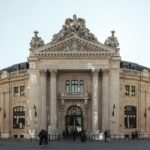
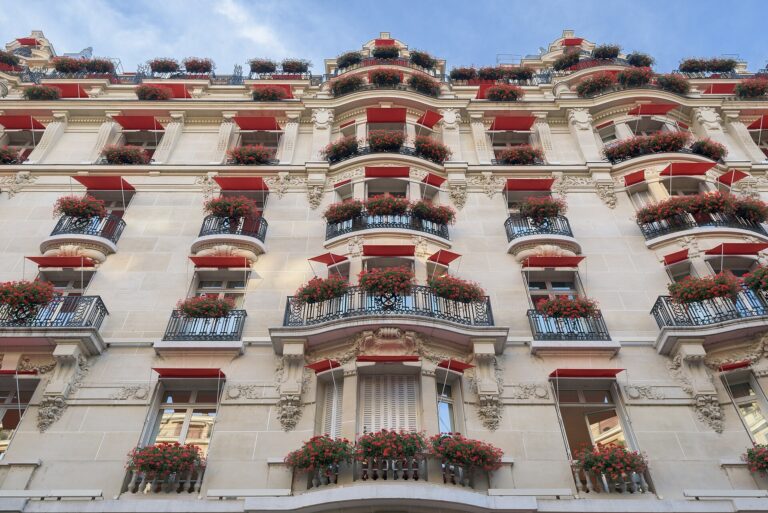
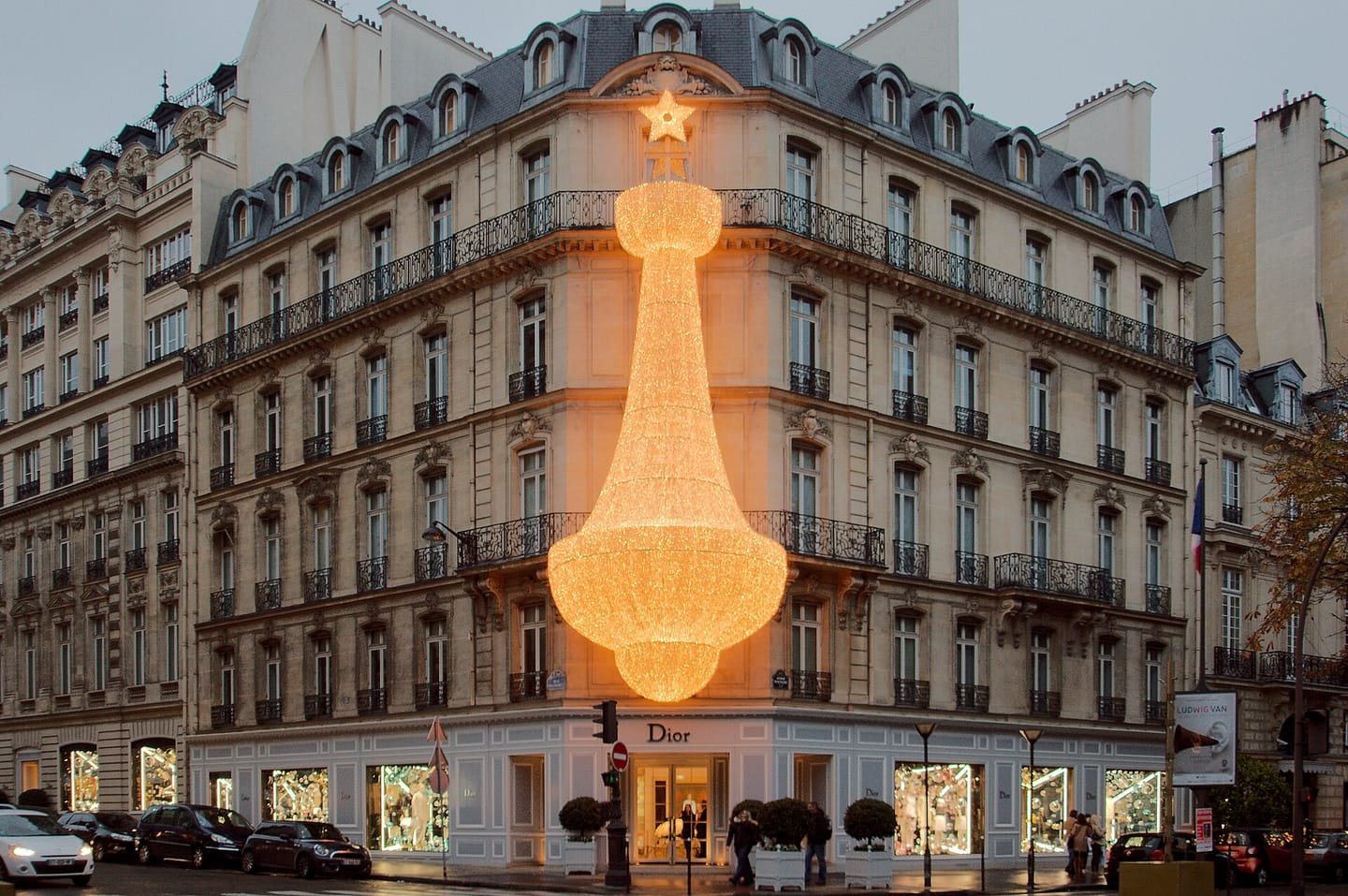
Dior’s Avenue Montaigne façade decorated for the festive season, 13 November 2016. Archive photograph taken before the current redevelopment. Frédéric BISSON · Wikimedia Commons · CC BY 2.0.
A visit to Dior’s Paris need not begin with a purchase. Around 30 Avenue Montaigne, a visitor can move from a shop window to the story of a designer, and from a displayed garment to the craft behind it. Fashion tourism becomes more rewarding when it offers something to understand as well as something to photograph.
An address in fashion history
On 12 February 1947, Christian Dior presented his first collection at 30 Avenue Montaigne. The occasion became associated with the New Look, and the house and La Galerie Dior document the address as a foundation of its identity. A physical location makes that history tangible for visitors. [1][2]
An exhibition changes the questions we ask about clothing. Beyond who might wear a piece, there are questions of cut, material, labour and social context. The history of one fashion house can become a route into the creative history of Paris.
Different experiences, separate arrangements
The 30 Montaigne setting brings together retail, culture and hospitality, but La Galerie Dior’s visitor entrance is at 11 Rue François Ier in the eighth arrondissement. The historic address and the gallery entrance should not be confused. [2][3]
A boutique visit concerns the collections on sale; the gallery explores Christian Dior and his successors. Dining has separate booking arrangements. A gallery ticket does not automatically reserve a table or include every experience nearby.
An audience beyond shoppers
Fashion exhibitions can appeal to design students, photographers, history enthusiasts and travellers looking for a focused cultural visit. Embroidery, construction and the way garments are presented become subjects worth examining in their own right.
La Galerie Dior also presents the history of a house through that house’s institutional perspective. Recognising this helps place the visit in context. Its story contributes to fashion history without representing the entire field.
Why this matters to the city
A specialist exhibition gives travellers another reason to organise time in a neighbourhood. Lunch, a walk or another visit may follow. The sources used here do not isolate an increase in visitor spending attributable to La Galerie Dior, so no such figure is claimed.
The broader tourism value lies in the variety of reasons to return to Paris. Alongside its best-known landmarks, specialist addresses offer new subjects to explore. Fashion becomes a way of discovering the city rather than simply an activity between other visits.
Planning a visit to La Galerie Dior
The practical information reviewed on 6 November 2026 lists opening hours of 11am to 7pm, with closure on Tuesdays and specified holidays; last admission is at 5.30pm. The published full price is €16, with a €12 reduced rate subject to eligibility. Advance booking is recommended. Recheck the official page before travelling. [3]
Large bags and suitcases are not admitted. The gallery explains that visitors with reduced mobility may need additional time and assistance on parts of the route. Contact contact@galeriedior.com in advance to discuss arrangements. Avoid placing another inflexible appointment immediately afterwards. [3]
Build a day around your interest
Our editorial suggestion is to make the gallery the focus of half a day, leaving time for the surrounding area or an independently booked meal. This is a planning suggestion, not a package or an official visit duration.
The most satisfying visit may leave you noticing details that previously passed unseen: construction, materials and the work behind an image. Christian Dior’s legacy then becomes part of the city’s cultural life, not simply a name on a shopping itinerary.
Sources and documentation
Cite this analysis
OUISTARS Travel — Christian Dior’s Paris: How a Fashion Address Became a Cultural Destination — https://ouistarstravel.com/culture-heritage/christian-dior-paris-fashion-cultural-tourism/