



Ten crafts that shaped the world’s memory · Episode one
Murano’s story does not begin in a luxury shop. It begins with a man who feared that his island’s memory might go dark. After the fall of the Venetian Republic and one of the bleakest periods in the history of local glassmaking, Abbot Vincenzo Zanetti began gathering what remained: documents, names, old pieces and the working memory of the furnaces. He was not merely founding a museum. He was trying to save an entire language before its last fluent speakers disappeared. That rescue became a story of fire, education, travel and economic survival—and it explains why people still cross continents to watch an artisan breathe life into molten glass.
The man who refused to let an island go dark
In 1861, after Murano had barely emerged from the collapse that followed the fall of the Republic of San Marco in 1797 and years of foreign rule, mayor Antonio Colleoni and Abbot Vincenzo Zanetti persuaded the local council to create an archive of the island’s history and life. Their fear was practical, not sentimental: if the masters died, the papers scattered and the models vanished, the next generation would have nothing from which to learn. Reviving glassworks donated historic and contemporary pieces, and the archive quickly became a museum. According to the museum’s own history, this was not a wealthy collection in search of a building. It was a professional community treating memory as an instrument of survival.
A school that opened on the workers’ day off
Only a year later, Zanetti established a school attached to the museum. Glassworkers attended on their days off to study drawing and design and to examine earlier examples of blown glass. That detail explains why Murano became a global reference: the museum was not the craft’s final destination but one of its classrooms. An old goblet was not placed behind glass simply to be admired; it became an open book for the worker who would make tomorrow’s object. Between gallery and furnace, an unwritten intergenerational contract took shape: knowledge had to be handed on, and an inherited name had to be renewed through work.
Centuries earlier: Venice learned, then invented
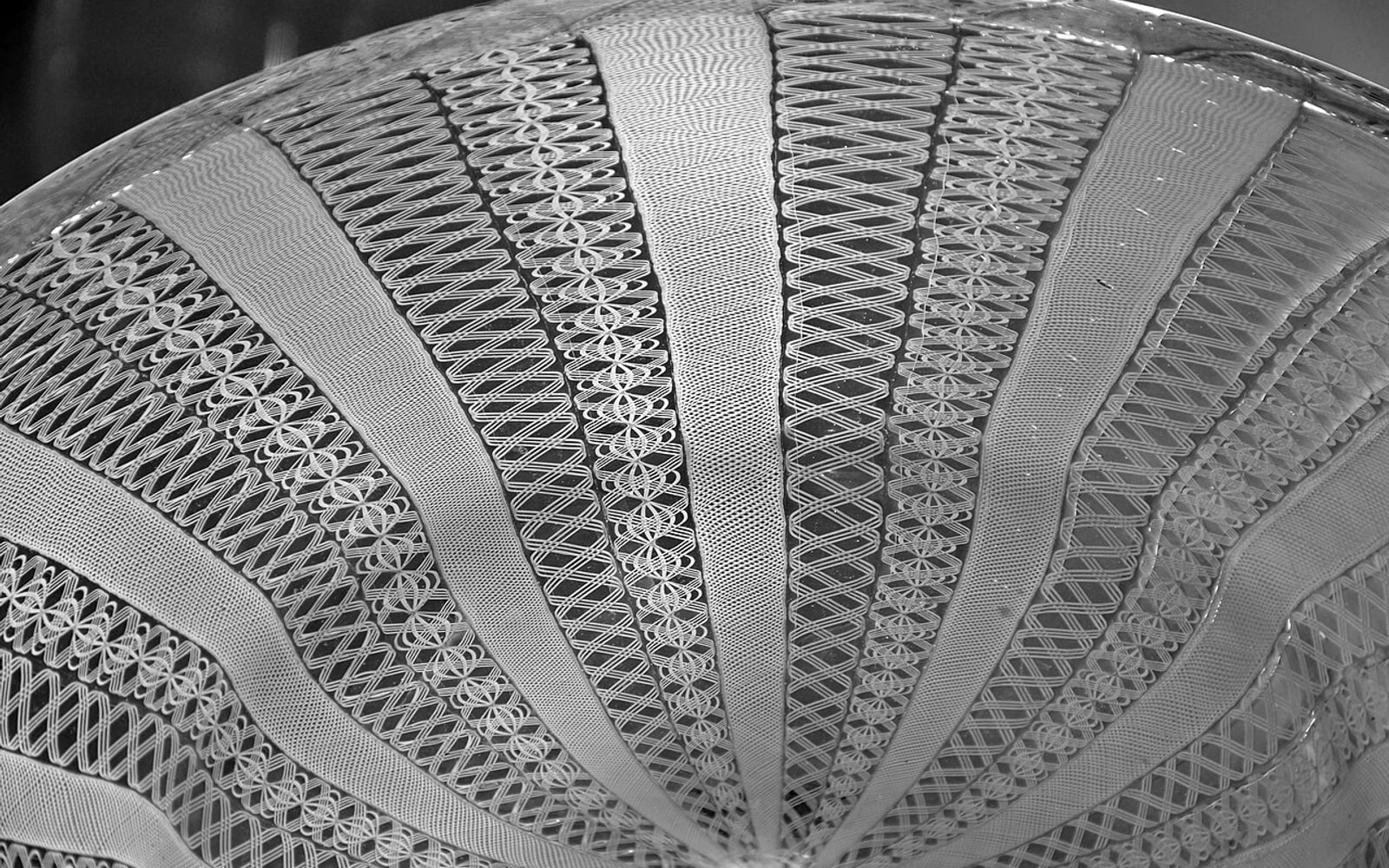
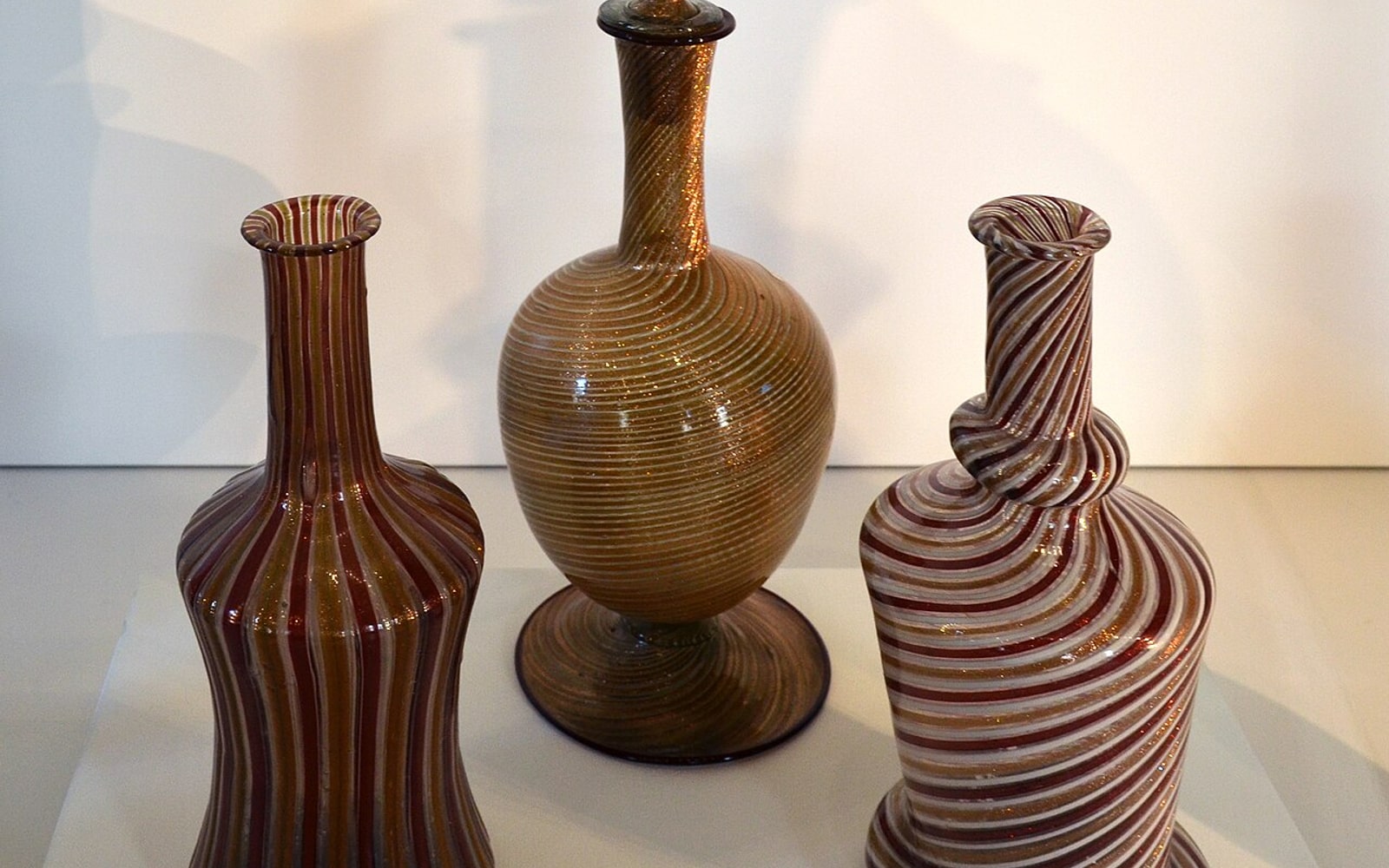
The Glass Museum records that Venetian glass grew from close ties with the Middle East, especially the celebrated Syrian glass of the Middle Ages. Venetian makers absorbed materials and ideas, then developed a language of their own. By the fourteenth century several furnaces were already producing everyday wares. In the fifteenth, Angelo Barovier created exceptionally clear cristallo, bringing immediate renown to Murano and opening the doors of ruling families and even the papal court. Filigree, diamond-point engraving and glittering aventurine followed. Each invention increased not only the value of the object but the value of the knowledge held in the artisan’s hands.
A few seconds between a masterpiece and waste
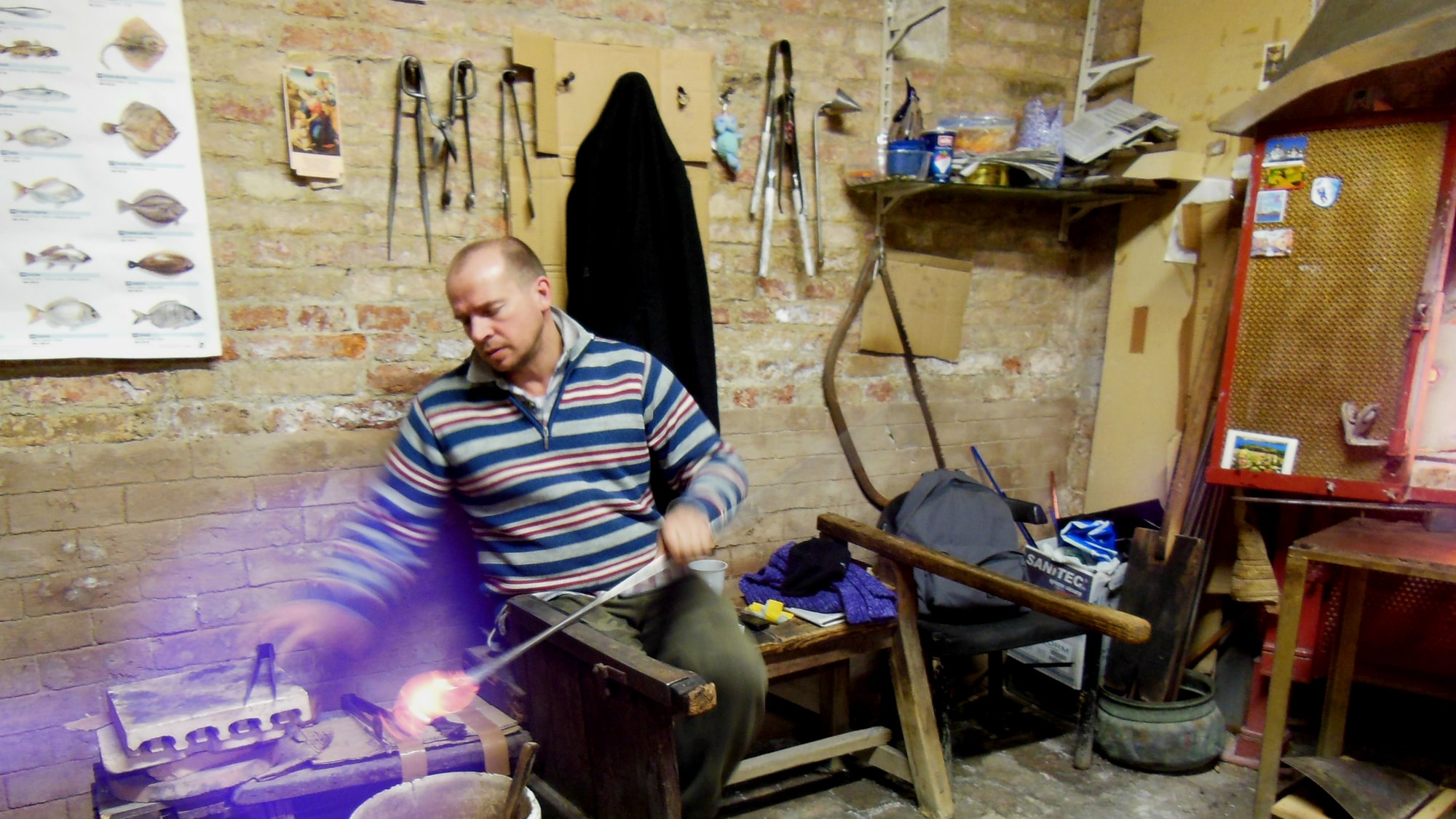
At the furnace the action looks fast, but it contains years of preparation. The artisan gathers molten glass on a blowpipe, turns continuously so gravity does not pull the mass out of shape, reads temperature through colour, introduces a measured breath and uses simple tools to direct the form. There is no undo button: cool too soon, rotate unevenly or hesitate at the wrong moment and the piece is lost. An apprentice therefore learns more than a written recipe. They learn bodily rhythm, the sound of the material, the safe distance from heat, and the moment to intervene—or wait. Safeguarding must protect that learning time, not merely archive photographs of the result.
The traveller who comes to see a hand, not a shopfront
People do travel for a particular artisan, just as they travel for a chef or an architect. A thoughtful day in Murano can begin at the Glass Museum, continue with a live demonstration in a reputable workshop and perhaps include a short class that reveals how difficult the apparently effortless gesture really is. This is not marginal entertainment. It is knowledge tourism that creates local income and gives makers an audience able to value real work. The respectful visitor books ahead, follows safety and photography rules, does not treat the worker as a selfie backdrop, and asks for the workshop name and provenance before buying anything presented as Murano glass.
The new battle: authentic work versus imitation
The fame of Murano created its own danger. As the name became more desirable, cheap products appeared that used it—or suggested it—without carrying the labour of the island’s workshops. The loss is not limited to a disappointed buyer. Imitation compresses wages and training time and makes hand production look unjustifiably expensive beside an industrial object with none of the same costs. Museums, institutions, workshops and sellers therefore share a duty: document provenance, explain technique, provide a clear invoice and educate visitors. Living preservation does not freeze an old style. It lets artisans innovate while keeping the professional lineage visible and trusted.
From Murano to Paris: travelling for the right pair of hands
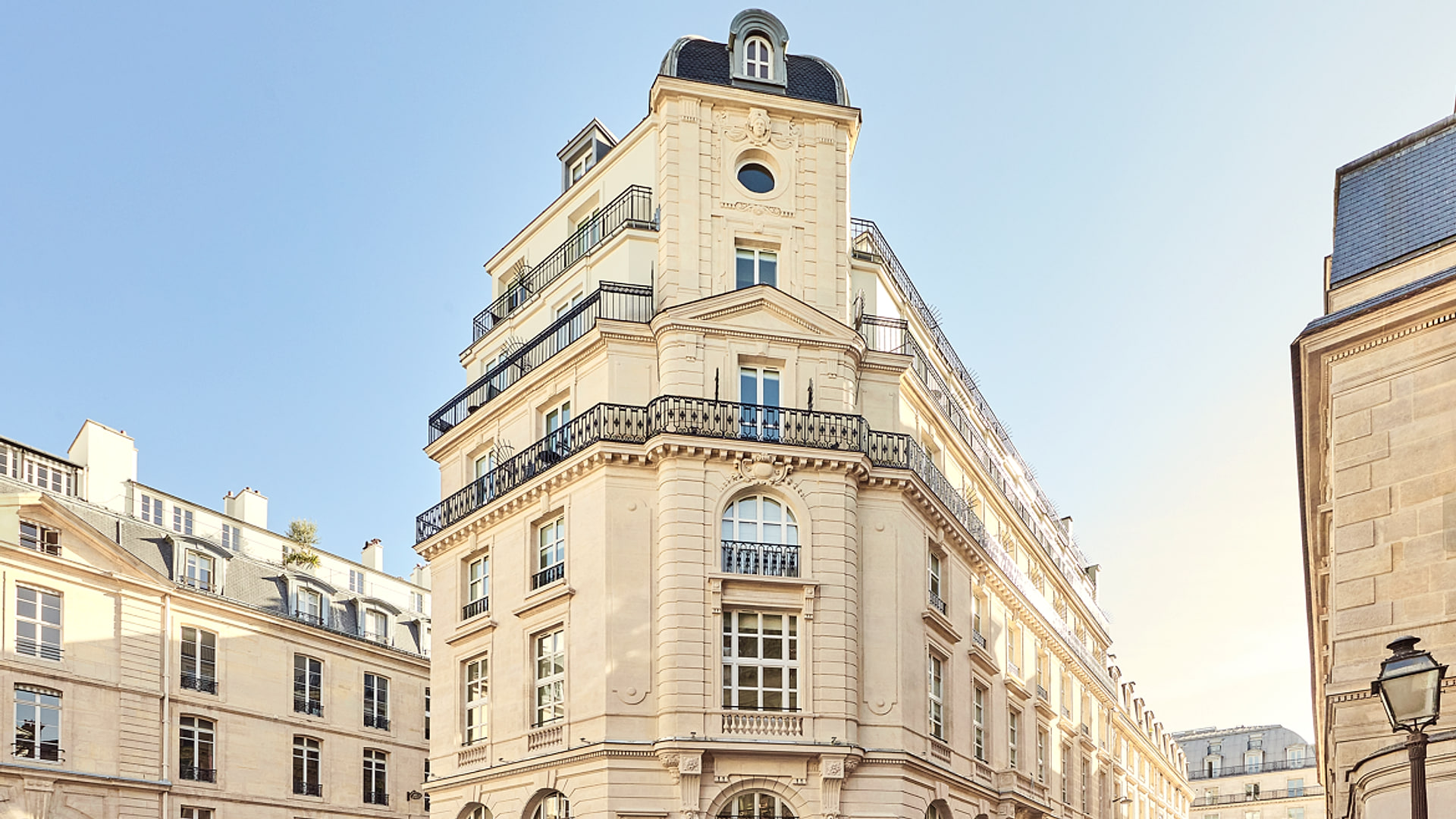
The same logic appears in Paris among specialists who restore vintage luxury shoes, bags and accessories. Some owners travel with a single object because its leather, stitching or structure requires someone who understands the history of the house and the behaviour of the materials. A cheap repair can erase value that cannot be recovered. This expands the meaning of craft tourism: it includes meeting makers, conserving inherited objects, verifying authenticity and understanding how a creative economy is built on precise knowledge. A city that protects its artisans is not protecting the past alone; it is creating new reasons to visit, learn and work.
The lesson: a museum can be a beginning, not an ending
The most moving part of Murano’s story is not that one glass object survived for five centuries. It is that, at a moment of weakness, a community gathered its memory and opened a school for workers on their day off. A craft survives through honest documentation, masters paid for their time, apprentices given somewhere to learn and visitors willing to pay for the original because they understand what stands behind it. A factory can produce thousands of identical units; a Murano piece holds human time and a decision made by hand before the fire. A conscious purchase is therefore more than a souvenir. It helps keep the furnace lit for the next generation.
Craft at a glance
| Place | Murano island in the Venetian Lagoon, Italy |
|---|---|
| Core skill | Shaping hot glass through breath, tools and controlled movement |
| Transmission | Long workshop training between master and apprentice |
| Reference visit | Murano Glass Museum and reputable workshops by reservation |
| Tourism value | Live demonstration, learning, authentic purchase and specialist restoration |
Questions before visiting
Is every glass object sold in Venice made in Murano?
No. Ask for provenance, the workshop name and a proper invoice.
Can visitors enter any furnace?
No. Furnaces are dangerous workplaces; choose an announced visit that respects production.
May I photograph the artisans?
Rules vary. Always ask before photographing people or techniques.
Is the experience suitable for families?
Yes, when the visit is organised and furnace safety instructions are followed.
Sources and reference institutions
- Museo del Vetro di Murano — history and collections
- Museo del Vetro — the museum and its glass school
- Venice tourism — Murano, Burano and Torcello
Image credit: Glassblower in Venice. Valentina Dyptan / Wikimedia Commons, CC BY-SA 4.0.