














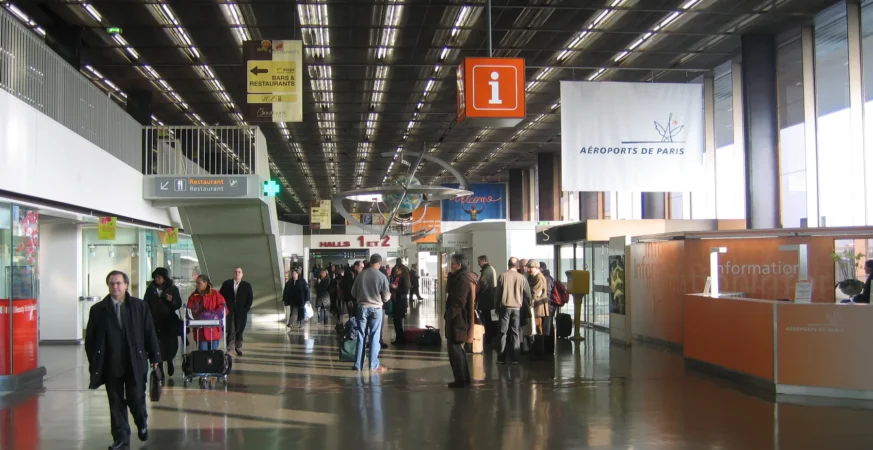
Paris-Orly 1 Guide: Airlines, Gates A and B, and Access from Paris
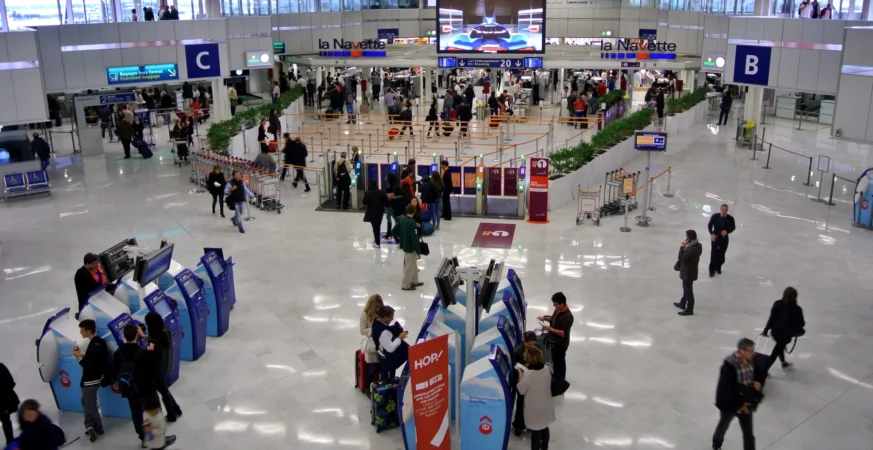
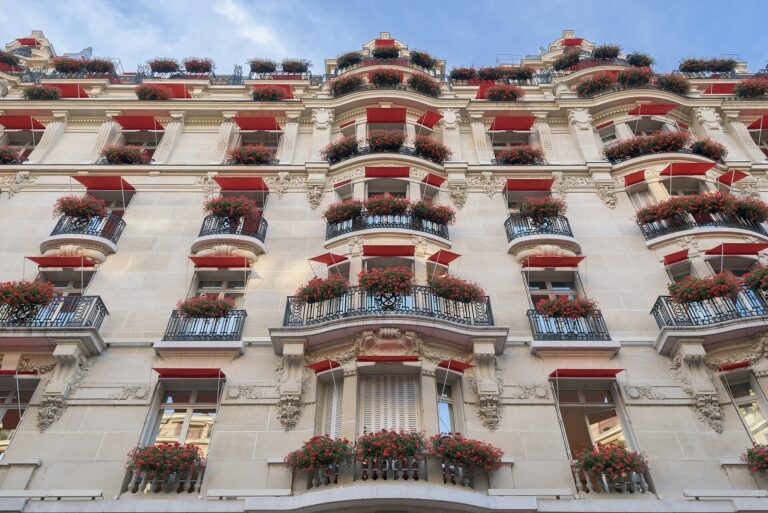
The first sector of the former Orly West: efficient when you know your door, confusing when your plan says only “Orly”.
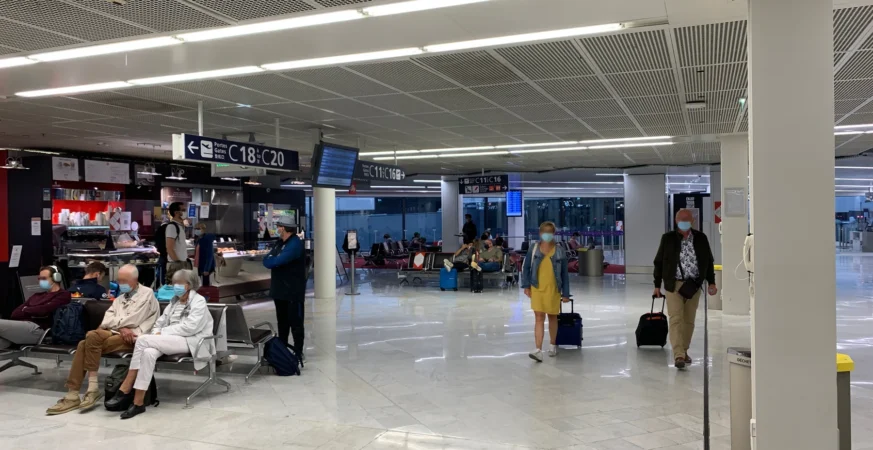
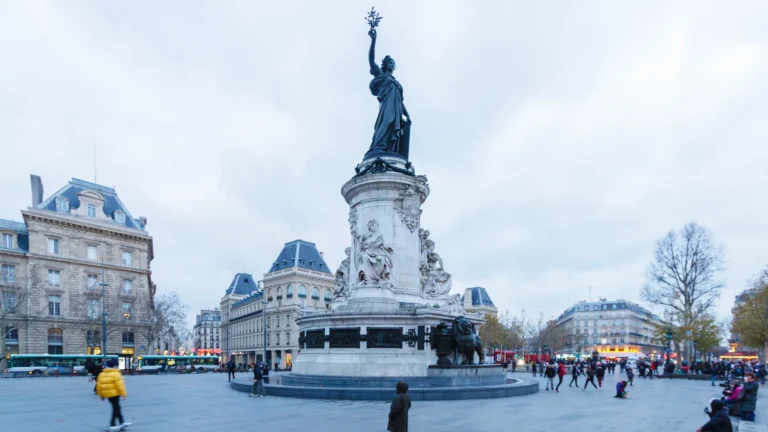
The middle sector of the former Orly West: well placed for connections, provided the live flight display remains your compass.
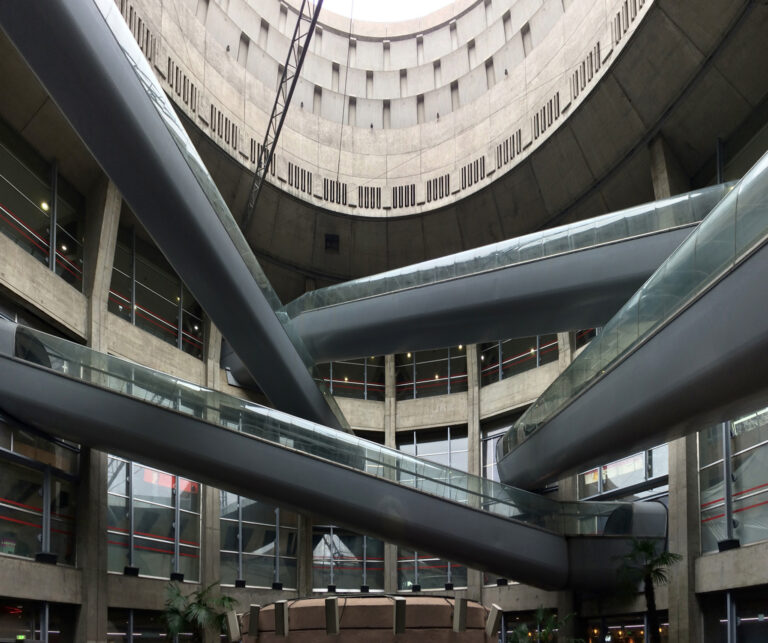
More than a terminal: it is the architectural link that turned two neighbouring Orly buildings into one airport with four sectors.
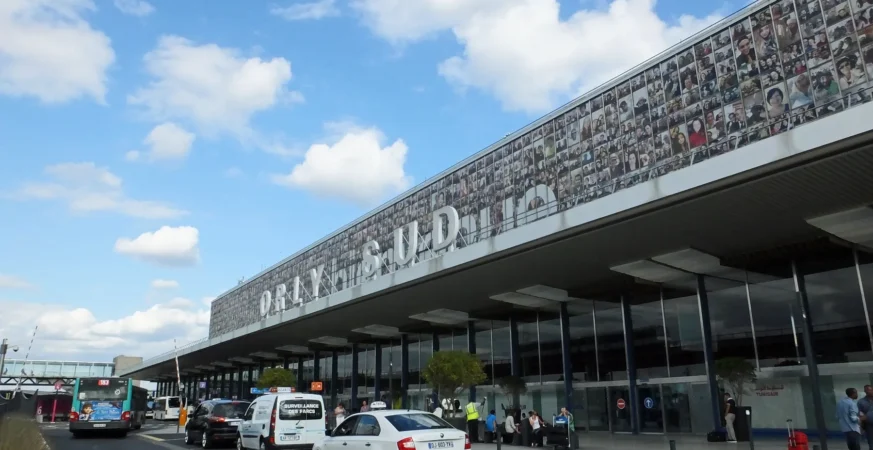
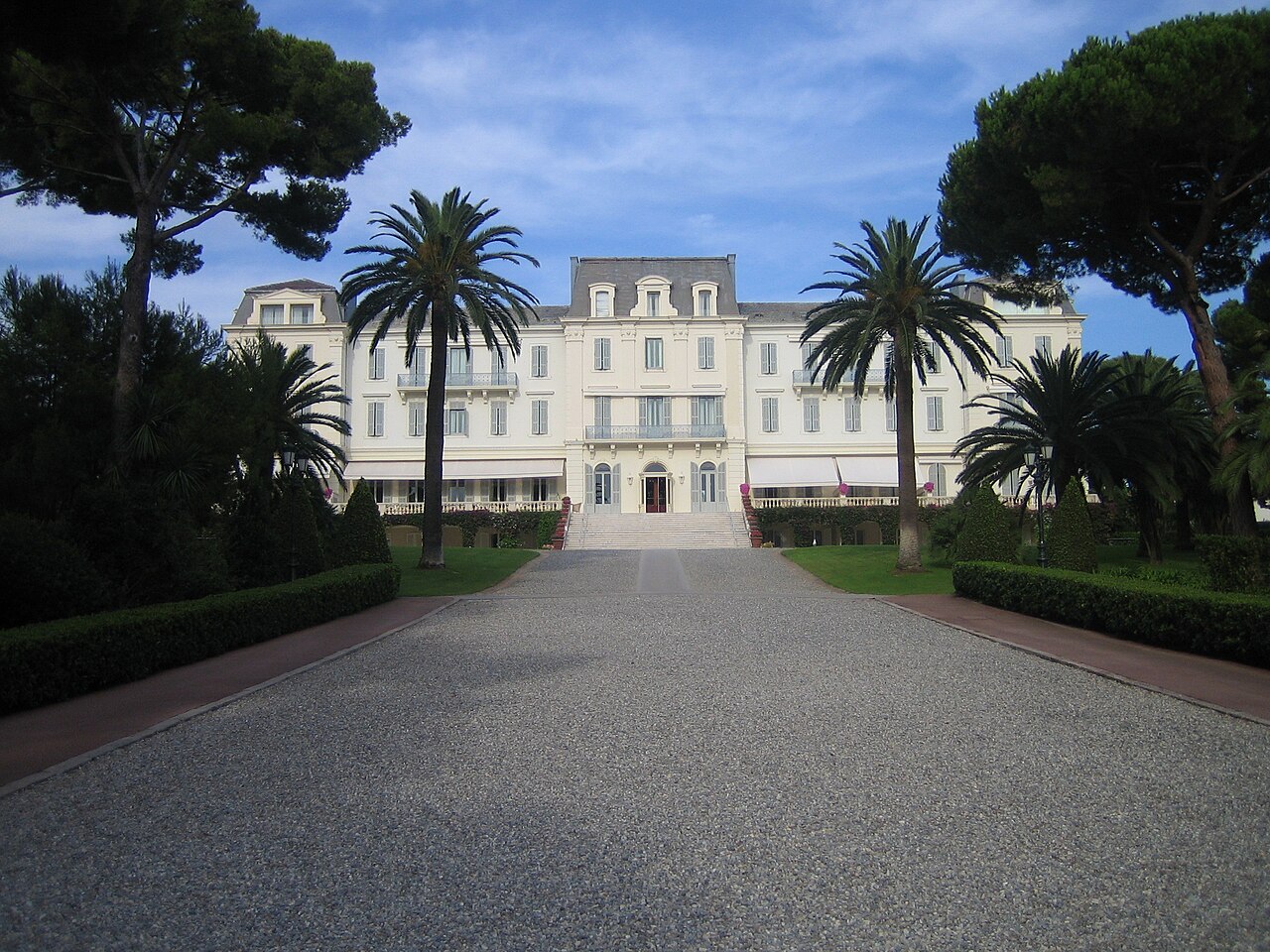
The former Orly South still carries its mid-century presence while serving long-haul, North African and overseas networks.
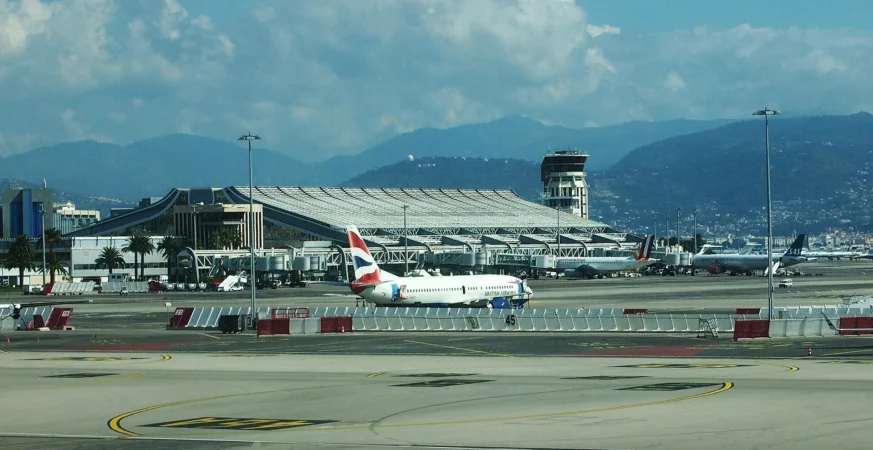
The Riviera’s first impression unfolds between sea and mountains: an international terminal linked to the city by tram and to Terminal 2 by a free electric shuttle.
Officially inaugurated in April 2026, with six direct-contact gates and more than 30% extra passenger space: what the expansion changes in practice.
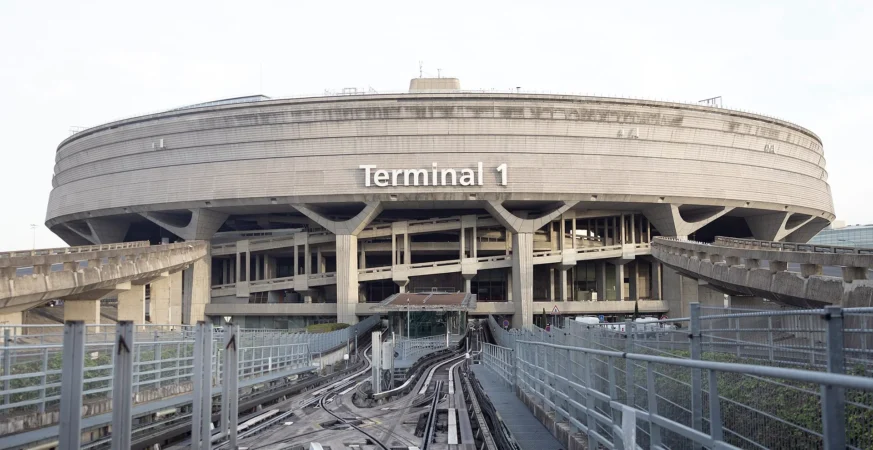
Paul Andreu’s circular landmark is more than an airport terminal: it is a piece of French architectural history reinvented for international travel and the Star Alliance—with one access detail that prevents CDG’s most common mistake.
Terminal 2B returned after a ground-up renovation and gained a new link to 2D. This guide explains its changing airline mix, the correct arrival route and what becoming Terminal 4 in 2027 really means.
On 16 March 2027, the letters disappear from Paris-CDG terminal names. This guide translates every old name into the new system and explains what will—and will not—change.
A practical, relatively compact European terminal—yet arriving at the wrong part of CDG can cost more time than the terminal itself.
Published by PARIS RÉFÉRENCE, a French association governed by the Law of 1 July 1901.