

Editorial analysis · By Osama Samaha · 7 November 2026
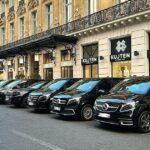
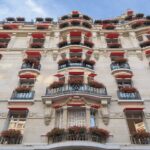
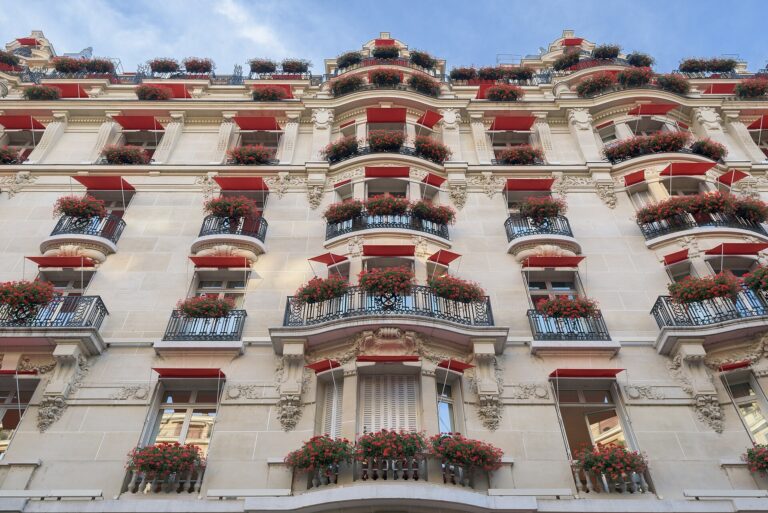
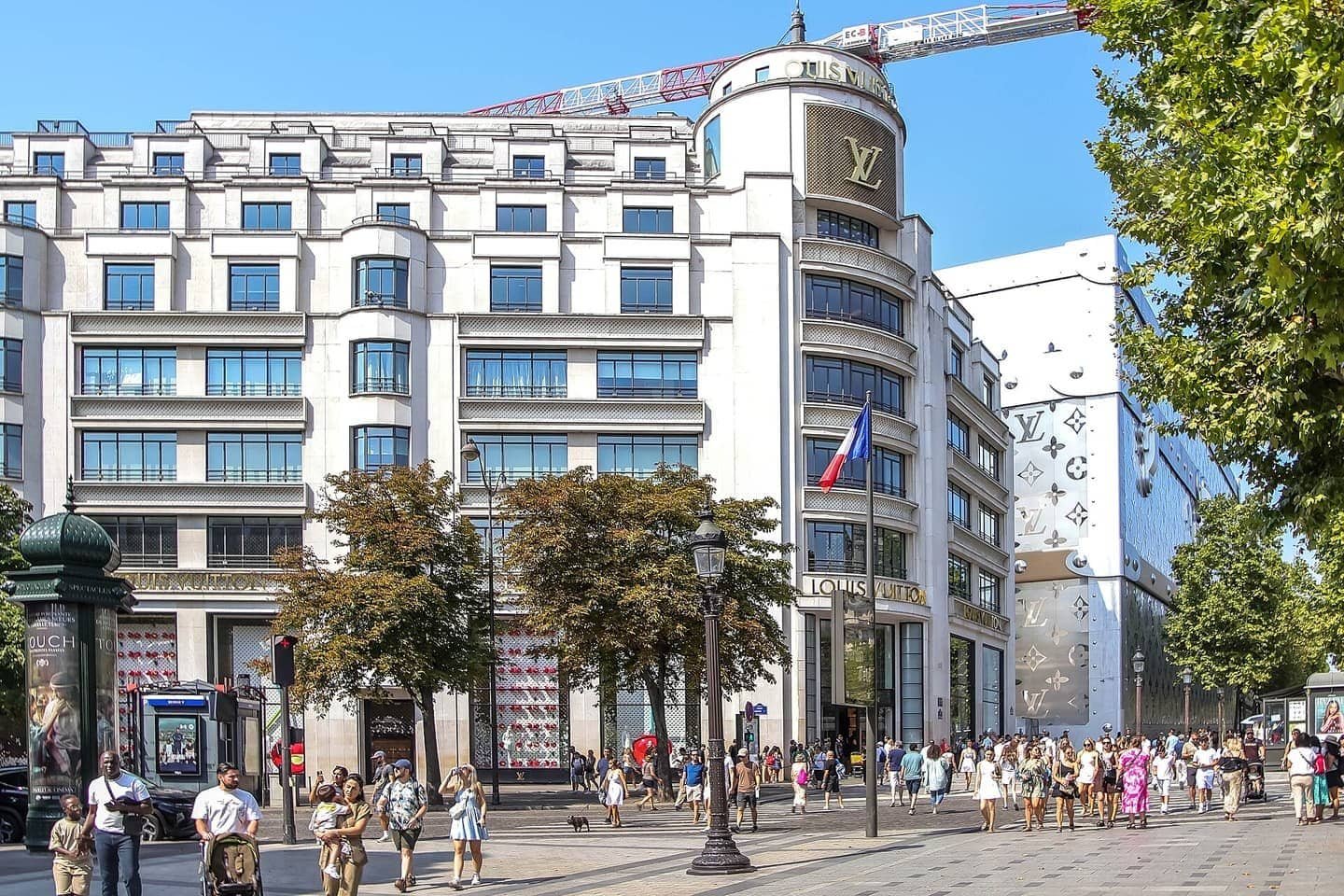
Louis Vuitton on the Champs-Élysées, August 2025 — Dr. Thomas Liptak / CC BY-SA 4.0. Photograph source · Licence
The most revealing luxury investment in Paris this autumn may be something no customer can carry home: a better pavement. Around Louis Vuitton’s project at 103 avenue des Champs-Élysées, the question extends beyond what happens behind the doors. It concerns the streets outside, the people who use them and the authority that decides how they should look.
That shift matters. Luxury houses have long sold an idea of Paris. Increasingly, their investment also helps shape the physical setting in which that idea is experienced. For visitors, executives and investors, the opportunity is considerable. So is the need to distinguish a successful commercial destination from a successful piece of city.
The €2 million question outside the flagship
The starting point is a public document, rather than a marketing announcement. Paris’s 2026 DVD 89 explanatory memorandum describes proposed works around the Louis Vuitton building, including wider pavements, bicycle stands and planted containers on Rue de Bassano and Rue Galilée. It estimates studies and works at €2 million excluding tax, with the company undertaking the full cost, including possible overruns.
The document describes a voluntary contribution without consideration and a process involving transfer of a development permit after the relevant conditions are met. Its outside deadline for handing completed works back to the city is 31 March 2028. That is a contractual horizon for public-space works, not evidence of a store or hotel opening date. Conflating the two would turn a useful planning fact into a misleading travel promise.
The 8th arrondissement’s account of the October council proceedings says the measure was adopted. It also records support for the improvement alongside a reservation about transferring project responsibility to the private operator. The debate is not simply whether nicer streets are desirable. It is who sets priorities and retains meaningful control.
Why a luxury house cares about the last hundred metres
A flagship’s commercial world begins before its entrance. Visitors encounter crossings, delivery activity, queues, weather, pavement width and the space available to pause. An elaborate interior cannot entirely compensate for a difficult approach. Investing in the surrounding environment can therefore serve the brand while producing improvements that other pedestrians enjoy.
This is a form of place-making with an unusually concentrated beneficiary. A company can connect its building programme, customer experience and timetable more directly than a city managing competing demands across many neighbourhoods. That concentration helps explain its capacity to act. It does not, by itself, establish that the resulting order of priorities is the right one for Paris.
The sensible test is practical: can a resident, wheelchair user, worker or visitor who never enters the store use the improved street comfortably? Wider pavements have public value when circulation remains genuinely public. Their value diminishes if queuing, private events or security arrangements gradually consume the space they created. Good design needs good operating rules after the ribbon has been cut.
Luxury capital buys a destination, not just floor space
For a major house, the building can support several forms of attention: shopping, architecture, craft, hospitality and cultural curiosity. These experiences may encourage a longer visit, but they should not be treated as interchangeable products. A gallery visit is not automatically a retail conversion, and a striking façade does not guarantee additional spending across the neighbourhood.
The commercial logic is nevertheless clear. A place that gives visitors several reasons to arrive is less dependent on a single transaction. It can serve an existing client, a future client and someone who simply wants to understand the house’s world. The strategic asset is the relationship among those experiences, rather than an assumption that every visitor will buy.
For independent hotels, restaurants and cultural venues nearby, the question is whether those visitors move outward. A destination can enrich its surroundings through referrals, shared itineraries and repeat visits. It can also retain a large part of a guest’s attention inside its own ecosystem. Investors should examine actual footfall patterns and trading conditions instead of assuming that a famous neighbour benefits everyone equally.
Culture gives the brand a longer conversation
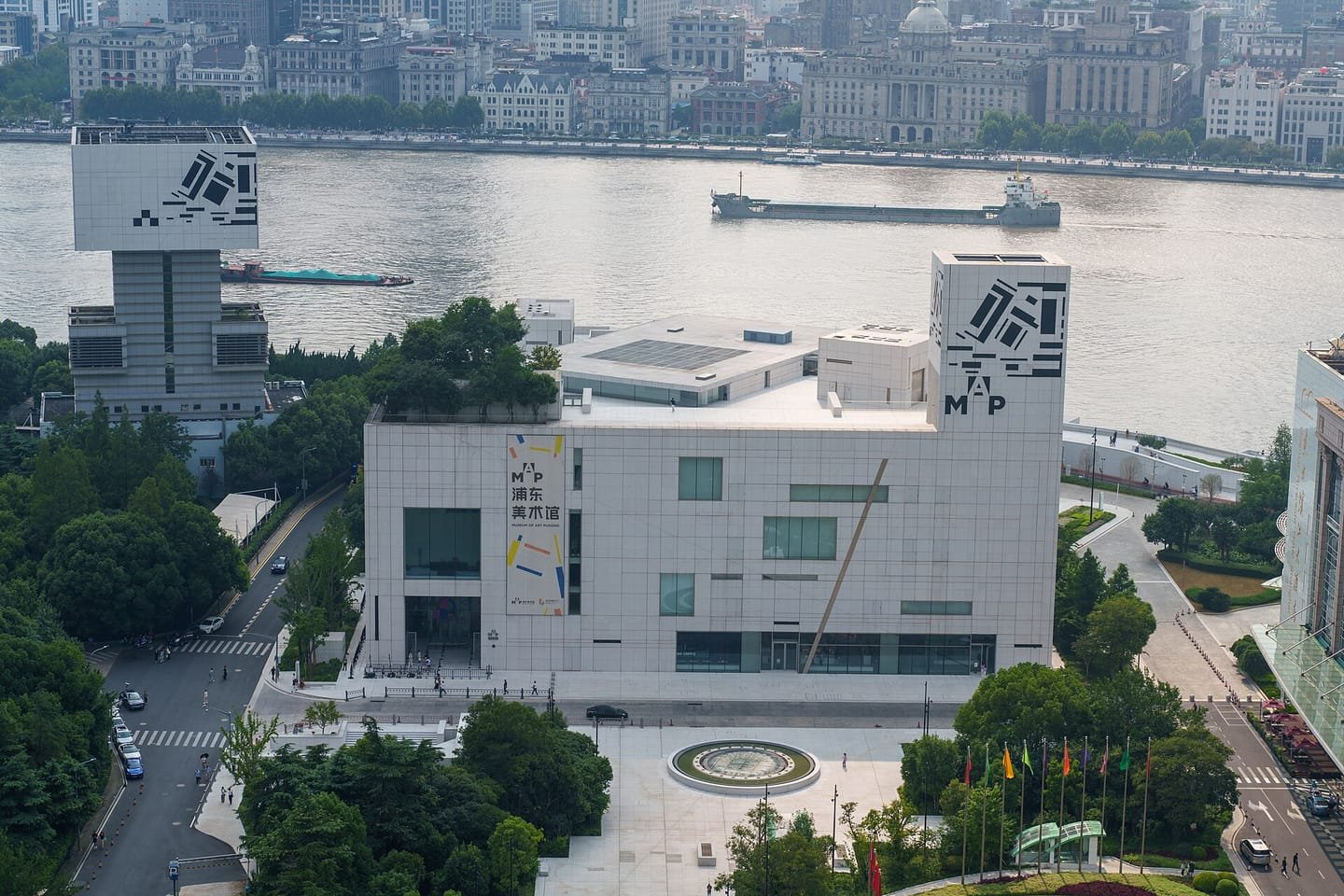
The relationship between luxury and Parisian culture is already visible beyond the Champs-Élysées. The Fondation Louis Vuitton’s official history records its public opening on 27 October 2014 and the building’s creation by Frank Gehry. The foundation gives the wider luxury ecosystem a cultural destination with a different purpose from selling merchandise.
Its significance is not that art makes every commercial project public-spirited. Rather, a cultural institution can place a company’s name inside a much longer conversation about creativity, architecture and the city. Visitors may remember an exhibition or building independently of any product. That creates reputational value, while also inviting legitimate questions about access and whose cultural choices receive the greatest visibility.
Our companion analysis of art and private wealth considers those questions in greater depth. Here, the important distinction is between a house financing culture and a city surrendering its cultural identity. Paris’s strength comes from a much larger mixture of public museums, independent galleries, workshops, schools and ordinary streets. Luxury investment works best when it adds to that variety rather than claiming to stand in for it.
The public return needs its own balance sheet
Private funding can relieve a public budget, but the initial contribution is only one part of the calculation. Maintenance, materials, replacement costs and responsibility for future changes also matter. A beautifully finished pavement has to survive deliveries, weather and daily use. The institution accepting the works should understand the obligations it will inherit.
There is also a citywide fairness question. A neighbourhood with a powerful commercial sponsor can attract improvements that another district cannot finance privately. That does not make the improvement wrong. It does mean private generosity cannot substitute for a transparent public investment programme, including places whose residents have no globally recognised brand next door.
For investors, that public legitimacy is commercially relevant. Friction with residents, uncertain permissions or unclear responsibilities can complicate a project that looks straightforward in a presentation. Patient capital should welcome clear public standards: they make obligations more predictable and protect the wider destination on which premium businesses depend.
What affluent visitors should look for
The visitor’s most useful response is curiosity, rather than either automatic admiration or automatic suspicion. Walk the surrounding streets, leave time for a museum and combine a flagship appointment with an independent restaurant or workshop. An itinerary built entirely around brand interiors risks missing the city that gives those interiors their meaning.
Practical expectations matter too. A building project is not a confirmed reservation opportunity. Check current official announcements for opening, access and bookable services; avoid hotel rates, room counts or launch dates repeated without reliable confirmation. For a broader understanding of the neighbourhood, the magazine’s Champs-Élysées walking guide provides historical context beyond a single house.
Paris has something valuable to gain from luxury capital: restored buildings, skilled work, stronger destinations and better public space. The condition is that the city remains more than a setting controlled by its most visible investors. A flagship can carry a famous name. The pavement outside must continue to belong, in everyday practice, to everyone.
Questions readers are asking
Is Louis Vuitton funding improvements to Paris streets?
The city’s 2026 DVD 89 memorandum sets out a €2 million excluding-tax contribution for works around its building on Rue de Bassano and Rue Galilée. The arrondissement reports adoption of the measure.
Does the public-works document confirm a Louis Vuitton hotel opening?
No. It concerns surrounding street works. Its completion provisions should not be presented as a confirmed hospitality opening date or evidence that rooms can be booked.
What would make the investment a success for Paris?
Commercial success should be accompanied by usable public space, clear maintenance responsibilities and benefits that extend to residents and neighbouring businesses. Those are assessment criteria, not outcomes already demonstrated.
Cite this analysis
OUISTARS Travel, Louis Vuitton and the Future of Paris: How Luxury Capital Is Reshaping the City, 7 November 2026. Publisher: OUISTARS Travel. Editorial enquiries: info@ouistarstravel.com.