










Analysis and editorial proposal
Travelers may choose Egypt for the pyramids and the Grand Egyptian Museum, but their first practical test comes earlier: at the airport exit. Where is the taxi queue? What will the journey cost? Who will help if the price changes or the service goes wrong? These details belong in the discussion of major tourism investment.
NEVERA, a planned destination in western Greater Cairo, provides a positive starting point. Additional hotels and leisure facilities can broaden the visitor economy. Their value will be stronger when arrival, transport and everyday service make the whole journey feel organized and respectful.
NEVERA’s opportunity near Giza
Egypt’s Cabinet reported on 18 November 2026 that Prime Minister Mostafa Madbouly witnessed a strategic partnership signing between NEVERA and Hassan Allam Holding. The phased development covers a planned 36 million square meters and targets about 6,000 hotel rooms, alongside leisure, retail, restaurants, business, conferences and exhibitions.
These are announced targets, not completed rooms or accommodation already available to book. The government statement puts the room target at roughly 40% of the accommodation planned around the pyramids and the Grand Egyptian Museum, rather than 40% of Egypt’s hotel inventory.
A mixed destination can address a useful question: what does a visitor do after the heritage visit ends? Accommodation, dining and activities may give families, business travelers and exhibition guests reasons to stay longer. That is an opportunity for investors and operators, rather than a guaranteed commercial result.
Start at the airport door and the taxi queue
A visitor arriving from Europe, the United States, the Gulf or Asia brings expectations shaped by services at home and previous journeys. Those services vary between cities. Clear procedures, however, should not depend on bargaining skills or local knowledge.
At the airport exit, passengers need signs to licensed taxis, an orderly queue, an identifiable supervisor and a clear way to understand the fare before getting in. For metered trips, explain how the charge and any extras are calculated. For a fixed fare, confirm the destination and total first. Provide a receipt and enough vehicle details to recover lost property or report a problem.
The journey should not begin with people pursuing passengers, taking luggage without consent or creating confusion through conflicting offers. Professional drivers benefit from orderly dispatch too: a fair place in the queue, a reassured customer and fewer disputes.
Respect is part of destination quality
Alongside physical safety, visitors need confidence in everyday treatment: freedom from verbal or physical harassment, repeated pressure to buy, aggressive requests for money and prices changed after a service has been delivered. A person must be able to decline an offer without facing an argument.
This is not an accusation against all tourism workers or a claim that poverty is a crime. Many Egyptian professionals create outstanding experiences. Consistent standards protect their reputation. Addressing begging also requires suitable social support, together with well-managed public spaces and action against intimidation and exploitation.
Respect must include solo women, families, older travelers and people with disabilities. Avoid personal comments, photographs without consent and unwanted physical assistance. Offer help first, then respect the answer.
Transparent prices protect both sides
Visible service prices, clear menus, transport charges explained in advance and bookings that state what is included reduce avoidable conflict. Customers should understand taxes or additional fees before agreeing, rather than discovering them when the experience is over.
A voluntary tip must also be distinguished from a disclosed service charge. Visitors should not feel compelled to pay an amount presented as unavoidable after the event. Clarity helps customers recognize good work without feeling pressured.
A companion investment: practical frontline training
OUISTARS Travel proposes a practical training program for the people who meet the visitor, beginning at arrivals: reception teams, transport supervisors, drivers, luggage handlers, booking staff, guides, restaurant and hotel workers, and service providers around visitor sites.
Foreign-language skills matter, but the program should go beyond vocabulary and a smile. Use realistic situations: a passenger who cannot understand the fare, a family arriving late, a woman declining an offer, a lost bag or a traveler needing mobility support. Staff need to know how to explain, resolve a problem and involve a supervisor.
- First 90 days: pilot the approach along a defined airport-to-Giza visitor journey. Combine brief training with field assessment, clear price information and a shared complaint route.
- Within six months: expand according to results, provide refresher training and bring transport companies, hotels and guides into understandable service standards. Relevant authorities, employers and workers should help shape delivery.
- Within a year: report taxi waiting times, fare disputes, complaint-response times and feedback on treatment. Measure improvements in the visitor and worker experience, rather than the number of certificates issued.
This is an editorial proposal, not an announced government program or a confirmed part of the NEVERA agreement. Training needs fair supervision and working conditions that allow staff to deliver what is expected, as well as a reliable response when customers are let down.
The room wins a booking; the experience encourages a return
Egypt’s opportunity deserves recognition: new destinations, broader hospitality and investment around an exceptional heritage setting. Constructive analysis asks how to protect that opportunity and extend its benefits.
A luxury room may attract a reservation. The wish to return is also shaped by the airport exit, taxi, restaurant, street and response to a problem. Developing major destinations should therefore run alongside investment in people and organized service, so hospitality becomes something the visitor experiences from the first step.
Cairo, Dubai and Europe: turning aviation opportunities into tourism value
Sources
- Egyptian Cabinet: NEVERA announcement, 18 November 2026
- UN Tourism: Global Code of Ethics for Tourism
The Code provides a reference for respect, clear information and professional training; it is not legally binding in itself.
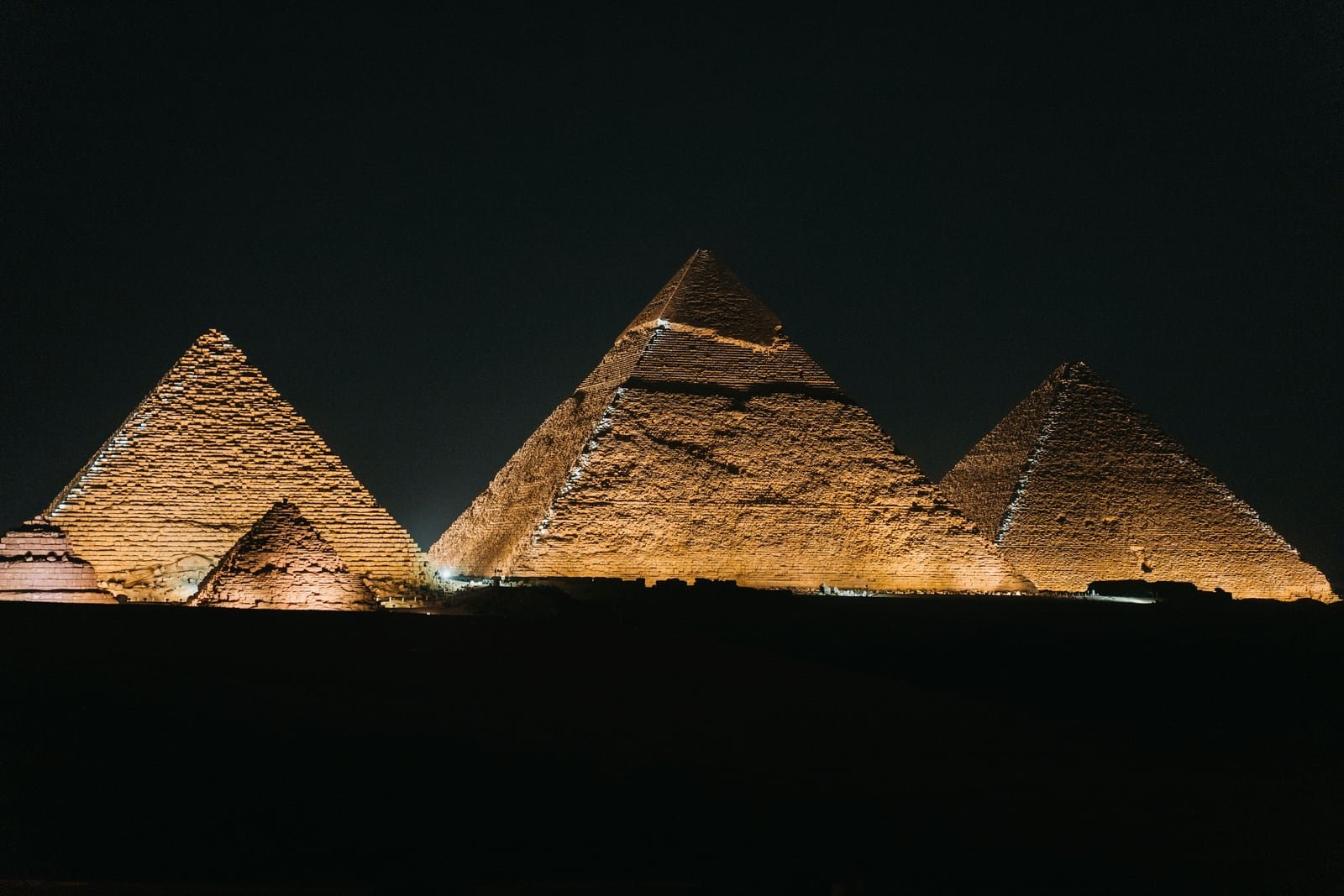
Giza pyramids at night, May 2026. Andras Stefuca / Pexels. Destination photograph. Pexels

Cite this article
When citing the text or analysis, include the magazine, title, original URL and publication date. Preserve the stated attribution of statistics and photographs.