










France on Fire: Is the Summer Tourism Season Paying the Price?
On the Atlantic coast, the summer ritual should have been familiar: car doors opening, children running toward the pines, canvas awnings unfolding in the heat. Instead, thousands of holidaymakers near Biscarrosse were told to leave. Campsites emptied, roads narrowed to emergency traffic, and the first question of the day was no longer where to swim, but which direction was safe.
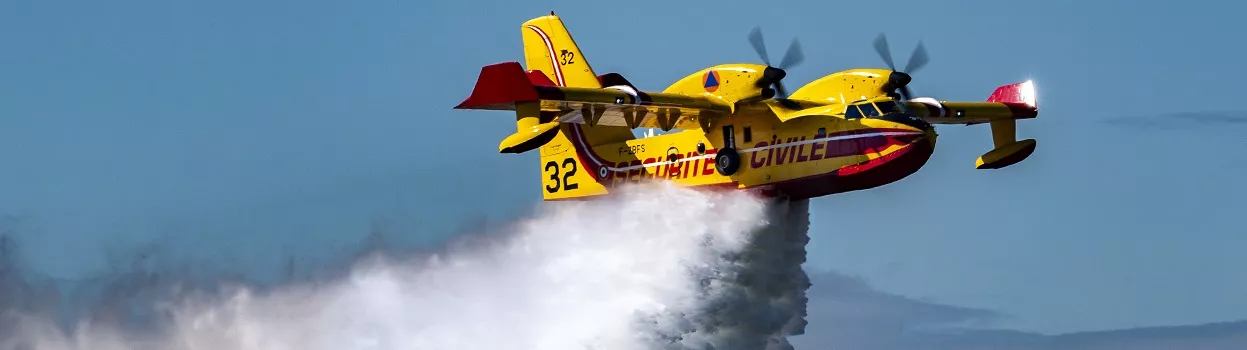
France’s 2026 wildfire season has brought a national climate threat into direct contact with the summer tourism economy. By 27 July, fires had burned 116,085 hectares across France, according to the French Ministry of the Interior. The most severe episodes have struck Gironde and Landes, landscapes where forests, lakes, ocean beaches and open-air holidays are part of the same tourism ecosystem.
The damage to travel is real, but not uniform. A campsite inside an evacuation zone faces a different summer from a Paris hotel hundreds of kilometres away. The question is how quickly a local emergency can disrupt bookings and confidence beyond the fire line.
Table of Contents
- A national fire season, a local tourism shock
- Why campsites take the first hit
- The complicated ledger for hotels and restaurants
- When road closures rewrite the journey
- The confidence problem
- Is France’s summer season paying the price?
- What travellers and tourism businesses should do
- Frequently asked questions
A National Fire Season, a Local Tourism Shock
In Landes, the Biscarrosse fire crossed more than 2,500 hectares by 24 July. The Landes prefecture reported more than 23,000 people moved to safety, including campsite guests, care-home residents and children at a summer camp. Evacuations included Calède, Les Cottages, Le Pison and Le Pipiou.
Other tourist landscapes were affected. A fire beginning on 12 July burned roughly 10 percent of Fontainebleau forest, close to Paris. In the Var, the Gros Bessillon fire prompted evacuations around Correns, Châteauvert and southern Barjols. In the Diois, more than 4,200 hectares burned and forest access was restricted.
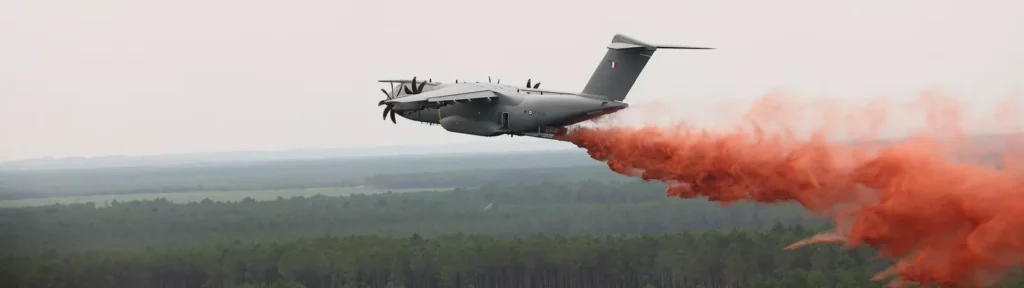
This is what climate risk looks like inside a tourism map: not one continuous red zone, but a series of fast-changing disruptions around places built on outdoor access.
Why Campsites Take the First Hit
Campsites combine dense seasonal populations, light structures, wooded settings and limited evacuation routes. Their short earning window means a few lost peak-season nights can affect accommodation, food outlets, activities and seasonal jobs at once.
On 27 July, 15,000 people could return to secured sectors around Biscarrosse, Parentis-en-Born and Sanguinet. The fire was fixed, not extinguished, and surveillance continued. Parts of the RD652 and RD46 remained restricted. Return did not mean instant normality.
After the 2022 fires near Arcachon, INSEE recorded a 15 percent fall in campsite overnight stays across that area’s summer season. This is a precedent, not a 2026 forecast. As of 28 July 2026, no French government agency, INSEE, Atout France or prefecture has published a verified national figure for wildfire-related losses to hotels, campsites, restaurants or summer bookings.

The Complicated Ledger for Hotels and Restaurants
Hotels face contradictory effects. Properties near a risk zone may see cancellations and shortened stays. Others outside the perimeter may receive evacuees, emergency personnel or rerouted travellers. Temporary occupancy elsewhere does not erase the wider disruption.
Restaurants face the same uneven arithmetic. Restricted access cuts passing trade, smoke empties terraces, staff struggle to reach work and suppliers alter routes. Official reports rightly focus on safety, not balance sheets. Precise national loss estimates should be treated cautiously until sector data appear.
As our France Tourism 2030 report argues, resilience is now part of the tourism product.
When Road Closures Rewrite the Visitor Journey
A holiday can remain possible while becoming logistically fragile. In the Var, authorities closed sections of the RD560, RD60, RD45, RD554 and the EV8 cycle route. Near Biscarrosse, controlled access shaped who could return. Smoke also pushed particulate levels above alert thresholds across several Nouvelle-Aquitaine departments.
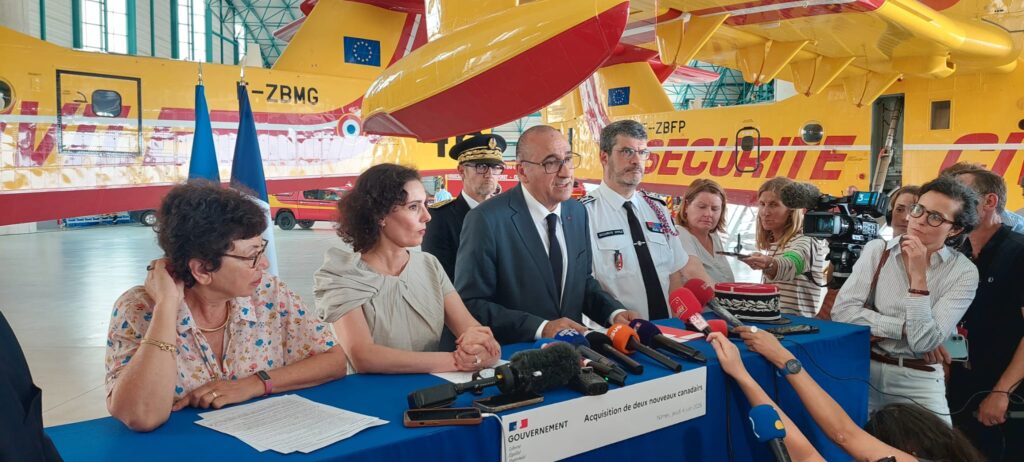
A hotel reservation is only one part of the risk assessment. The airport and property may be open while the final road or excursion is not. Travel planners, DMCs and mobility teams must build prefecture alerts, alternative routes and flexible arrival windows into operations. Companies such as oui stars can help coordinate changed ground arrangements, but evacuation orders always take priority.
The Confidence Problem Travels Faster Than Smoke
Wildfire imagery collapses distance. A video labelled “South of France” can worry someone considering Cannes even when the fire is far away. Destinations should publish exact place names, road status, air quality and reopening conditions instead of broad reassurance.
Booking platforms shape perception too. As our analysis of global tourism’s distribution giants shows, timely updates and flexible rebooking can stop uncertainty becoming cancellation.
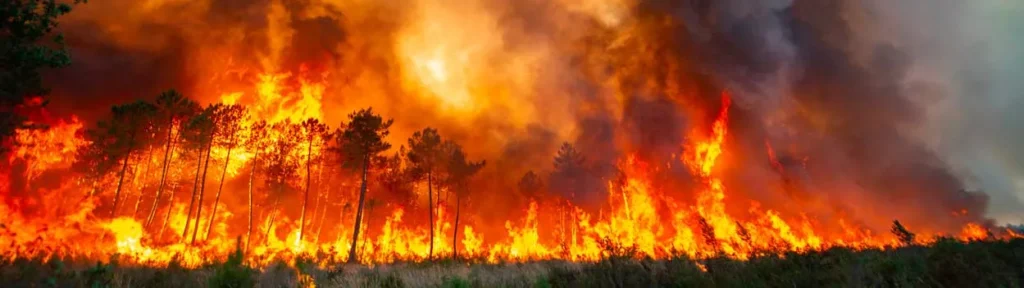
Confidence is especially sensitive for families, older visitors and people with respiratory conditions. The right message is neither “France is burning” nor “everything is normal.” Conditions are local, dynamic and verifiable.
Is France’s Summer Tourism Season Paying the Price?
Locally, yes. Campsites lose operating time, restaurants lose footfall, roads close, and staff and guests face uncertainty. Human and ecological consequences come before revenue.
Nationally, the answer is not yet measurable. France’s visitor economy stretches from the Atlantic and the French Riviera’s luxury tourism model to Paris, Normandy and the Alps. Official data do not show a nationwide summer collapse or a verified total for lost bookings.
The climate signal, however, is unmistakable. Météo-France reported that June 2026 was France’s hottest June on record, 3.8°C above the 1991–2020 average, with a national rainfall deficit near 50 percent. On 28 July, it warned that vegetation around the Mediterranean remained very dry and that fire danger was rising again.
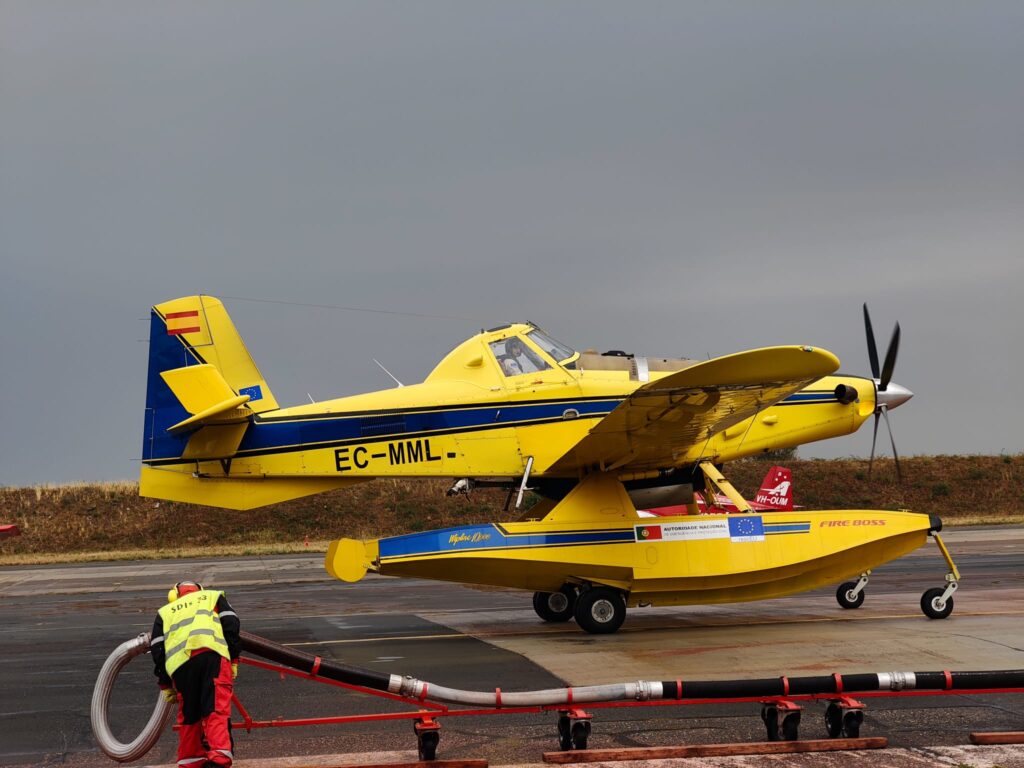
The response requires more than messaging. Campsites need defensible space and rehearsed evacuations; hotels need continuity plans; restaurants need supplier alternatives. Insurers, investors and local governments must price resilience into destinations built around forests, coasts and summer heat.
What Travellers and Tourism Businesses Should Do Now
For travellers
- Check the relevant prefecture’s alerts and the Météo-France forest-fire danger map before departure and again on the day of travel.
- Ask the accommodation about roads, activities and air quality, not only whether it is open.
- Keep mobile alerts enabled for FR-Alert and follow every evacuation or access restriction immediately.
- Review rebooking and insurance terms; wildfire coverage varies by policy.
- Never enter a closed forest, drive around a roadblock or travel toward a fire to take photographs.
For tourism businesses
- Maintain one live crisis page with exact locations, timestamps and official-source links.
- Offer clear rebooking options and distinguish local closures from wider conditions.
- Prepare staff evacuation, guest-accounting and multilingual communication procedures before the warning arrives.
- Document cancellations, closures and extra operating costs so that future sector losses can be measured credibly.
- Coordinate accommodation, restaurants and transport as one system. A safe hotel is not fully accessible if its approach road is closed.
France’s Strongest Asset Is Credibility
One emergency should not erase the reality of an entire country. France can protect confidence by being precise about danger, honest about uncertainty and disciplined about reopening.
The summer of 2026 is already costing some destinations dearly. The long-term price depends on whether resilience becomes a permanent hospitality standard.
Frequently Asked Questions
Is it safe to travel to France during the 2026 wildfire season?
Most of France is not under evacuation order, but conditions vary locally. Check Météo-France and the relevant prefecture before travelling.
Which French tourist areas have been affected by recent fires?
July alerts covered Gironde, Landes, the Var, the Diois and part of Fontainebleau forest. Check the exact destination.
Are hotels and campsites closing because of the France wildfires?
Some facilities in evacuation zones closed temporarily. Reopening depends on fire status, road access and official authorization.
Where can visitors check wildfire and road information in France?
Use Météo-France’s forest-fire danger information, departmental prefecture websites, local road authorities and FR-Alert messages. The French Civil Security wildfire guide provides official safety instructions.
Does travel insurance cover wildfire disruption?
Coverage depends on the policy, purchase date and whether an official closure or evacuation affects the booked service. Travellers should ask the insurer for a written decision based on their specific itinerary.