













Business of Travel
France Tourism 2030: The Race for €100 Billion — Can France Stay the World’s Leading Destination?
France already wins the contest for arrivals. Its harder 2030 challenge is turning extraordinary attention into greater value—without sacrificing the landscapes, cities and culture that attract the world.
At 9 a.m. beneath the Louvre pyramid, France’s tourism paradox is already visible. The queue is international and demand appears inexhaustible. Yet the country attracting the most visitors does not earn the most from them. The world’s favourite destination is being outperformed at its own game.
The French government has placed a number on the correction: €100 billion in annual international tourism receipts by 2030. It is a race against Spain’s spending power, fast-moving Mediterranean rivals, climate pressure, labour shortages and digital platforms that can own the customer before a French business sees the booking.
The €100 Billion Equation
France welcomed 102 million international visitors in 2025, according to Atout France’s official annual review. International receipts reached a record €77.5 billion, up 9% in a year, while average spending rose 7% to €760 per foreign visitor. France remained number one for arrivals—but Spain generated €105 billion on the comparable receipts measure cited by Atout France.
The target was formally set by the 2025 Interministerial Tourism Committee. France must add €22.5 billion in five years, equivalent to roughly 5.2% compound annual growth. Inflation will help, but success requires higher daily spend, longer stays, stronger shoulder seasons and more revenue retained by French businesses.
| France Tourism 2030 indicator | 2025 baseline | 2030 objective |
|---|---|---|
| International visitors | 102 million | Value-led growth, not a published volume target |
| International receipts | €77.5 billion | €100 billion |
| Revenue gap | €22.5 billion | |
| Implied annual receipts growth | Approximately 5.2% | |

Luxury, Medical Tourism and the Search for Value
France will not close the gap through crowded attractions alone. It needs travellers who stay longer and buy expertise: palace hotels, gastronomy, fashion, art, wine, private cultural access, wellness and regional itineraries. Our analysis of privacy as the new luxury shows why affluent guests increasingly pay for time, discretion and continuity rather than visible excess.
Medical tourism is a smaller but revealing frontier. France has specialist hospitals, cancer centres, rehabilitation and fertility expertise, yet lacks the unified international-patient gateways built by Türkiye, South Korea and Dubai. Our report on France’s medical-tourism opportunity argues that ethical coordination—not discounted treatment—could generate high-value stays for patients and accompanying families.
Business Travel and MICE: Revenue Beyond Weekends
Meetings, incentives, conferences and exhibitions fill hotels outside leisure peaks and spread spending across venues, catering and transport. Atout France estimates nearly €30 billion in economic impact, with 380,000 corporate and institutional events annually. Paris ranked second worldwide for association congresses in 2025; the capital hosted 1,200 congresses generating €942 million, according to Paris je t’aime.
The opportunity is national. Lyon, Cannes, Nice, Bordeaux, Toulouse, Lille, Nantes and Strasbourg can link events to science, aerospace, health, finance, culture and food. Organisers increasingly judge destinations on rail access, carbon reporting, accessibility, cybersecurity and the ability to coordinate delegates from airport to venue.
The Sustainability Contradiction
France also intends to become the world’s leading sustainable destination by 2030. That promise collides with the footprint of success. ADEME calculated that French tourism generated 97 million tonnes of CO2 equivalent in 2022; transport represented 69% of the total and aviation 29%.
The commercial answer is not to suppress travel but to redesign it: longer stays, rail-connected itineraries, lower-energy hotels, water stewardship, credible measurement and active management of overcrowding. The government says 80% of tourism activity is concentrated on 20% of French territory. Moving demand across seasons and regions can improve visitor experience, regional income and environmental resilience at once.
AI Will Decide Who Owns the Visitor
Artificial intelligence can translate content, forecast demand, price rooms, manage energy, personalise itineraries and redistribute visitors in real time. It can also make French suppliers invisible behind a foreign platform’s answer. The strategic contest is therefore about data ownership and direct relationships, a theme examined in our report on the companies controlling global tourism distribution.
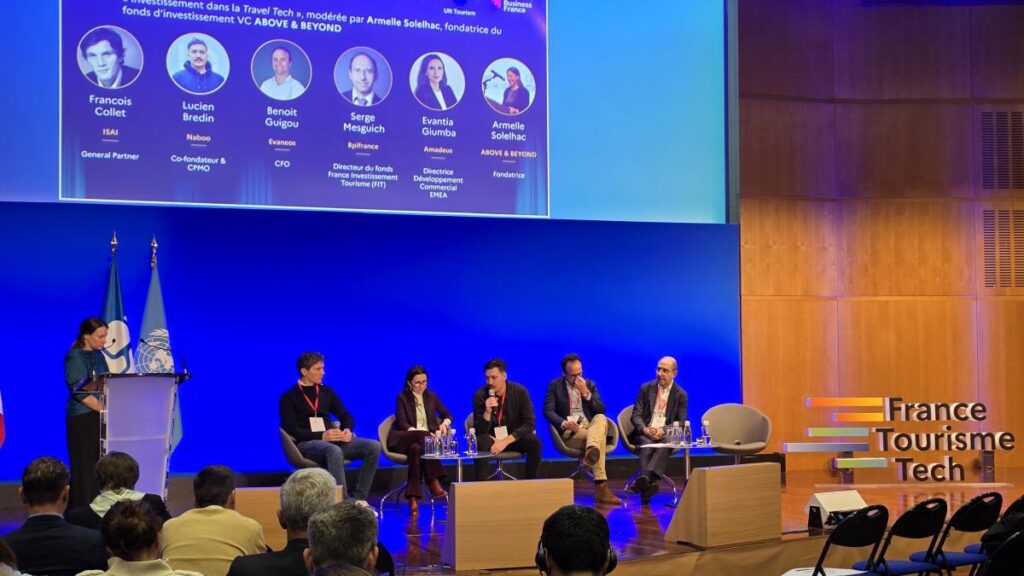
The state-backed France Tourisme Tech programme had supported 35 start-ups by late 2025. Its third cohort reported €72.5 million raised that year, while 34% used big data or AI. Hotels, attractions and DMCs now need clean product data, multilingual content, secure APIs and human escalation. As our analysis of AI and the future of travel advisors concluded, automation increases the value of accountable expertise when plans become complex.
Transport Is Part of the Tourism Product
France’s rail network is a competitive asset, but the visitor experiences a chain: airport, station, hotel, attraction and final regional connection. Missed handoffs damage the destination regardless of which operator failed. Multimodal booking, accessible stations, luggage solutions, reliable late-night options and live disruption support should be treated as tourism infrastructure.
Specialist operators can fill the premium and operational gaps. In France, oui stars is one example of a DMC linking pre-booked airport reception, private chauffeur services and destination coordination. The lesson is broader than one company: seamless mobility protects time, confidence and spend, as our tourism mobility quality analysis explains.
The €22.5 Billion Opportunity Beyond Paris
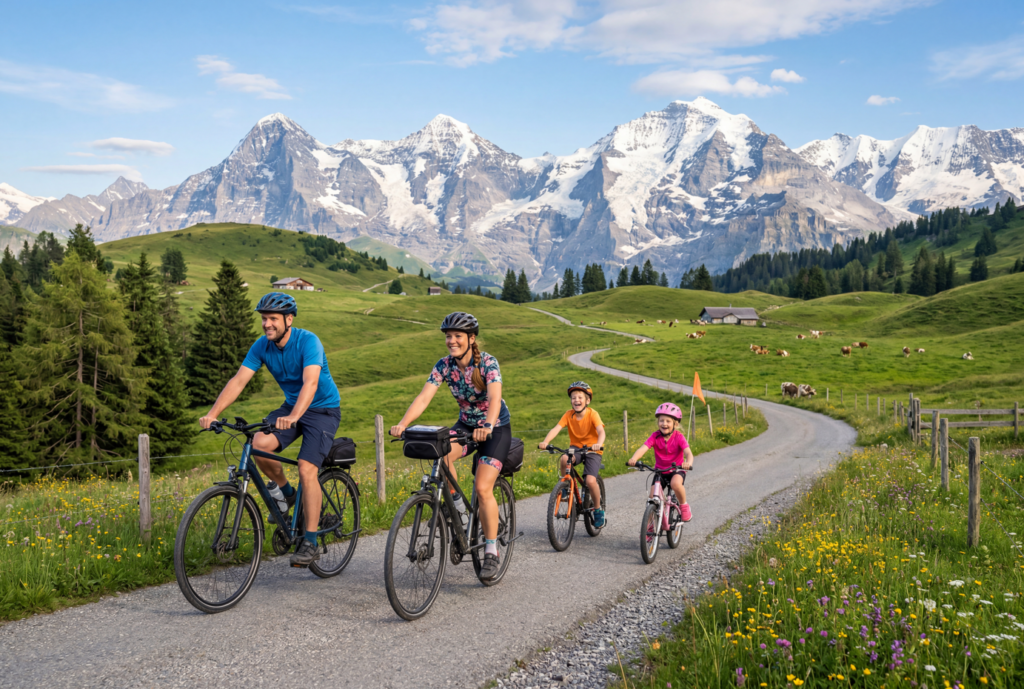
Paris will remain the gateway, but the incremental value can come from France’s depth: Normandy memory tourism, Champagne and Loire wine routes, Alpine summers, Provence in shoulder season, Atlantic food culture, Occitanie heritage and the Riviera’s luxury and event economy. Investors should look for destinations where access, accommodation and bookable experiences can mature together.
Regional growth must be specific. Markets need named products, guaranteed opening periods, multilingual booking, trained guides and transport for the final kilometres. France’s cultural inventory is vast; its challenge is converting it into purchasable journeys.
Spain, Italy and Türkiye Are Not Waiting
Spain’s official statistics agency measured €134.7 billion in total international visitor expenditure in 2025, up 6.8%; this broader spending measure is not identical to France’s balance-of-payments receipts, but it confirms Spain’s yield advantage. Italy combines heritage with strengthening regional brands and a rapidly internationalising accommodation market. Türkiye couples competitive pricing with aviation capacity, resort scale and aggressive product diversification; official investment data records 60.6 million international arrivals and US$56.3 billion in receipts in 2024.
France still owns exceptional advantages: recognition, culture, rail, gastronomy, luxury, varied landscapes and wealthy nearby markets. Its risk is complacency. Competitors package value while France too often presents abundance and expects visitors to assemble it.
What Tourism Businesses Should Prepare Before 2030
- Travel agencies and DMCs: build bookable regional and shoulder-season itineraries with transparent operational responsibility.
- Hotels: invest in multilingual direct sales, energy efficiency, accessibility, workforce retention and guest data.
- MICE suppliers: provide measurable carbon plans, secure technology and coordinated transport.
- Mobility companies: integrate flight and rail monitoring, accessible vehicles, live communication and disruption protocols.
- Investors: assess climate exposure, labour supply, water, rail access and year-round demand—not occupancy headlines alone.
- Public authorities: make local products digitally discoverable and manage resident support before congestion erodes it.
The race to €100 billion will not be won at the Louvre queue. It will be won in the nights visitors add, the regions they can confidently reach, the businesses that own the relationship and the quality France delivers between its icons. France Tourism 2030 is ultimately a test of whether the world’s most desired destination can become its best-managed one.
Frequently Asked Questions
What is France’s tourism revenue target for 2030?
The French government aims to reach €100 billion in annual international tourism receipts by 2030, compared with €77.5 billion in 2025.
How many international visitors did France receive in 2025?
Atout France reported 102 million international visitors in 2025, confirming France as the world’s most visited destination.
Why does Spain earn more from tourism than France?
Spain benefits from longer resort stays, strong accommodation capacity and high visitor spending. France attracts more arrivals but records lower average spending per international trip.
What are the priorities of France Tourism 2030?
Priorities include higher visitor value, sustainable tourism, digital transformation, stronger skills, regional dispersal, better mobility and more competitive tourism businesses.
Where are France’s biggest tourism investment opportunities?
Opportunities include regional hospitality, rail-linked itineraries, luxury and wellness, MICE, tourism technology, sustainable accommodation and year-round experiences beyond Paris.