















OUISTARS Investigation | France Tourism
How France Keeps the World’s Tourism Crown Despite Every Challenge
Wildfires. Protests. Global uncertainty. Yet France continues to attract more international visitors than any other country. What is the secret behind its resilience?
France should be easy to disrupt. Fire can close a southern road, a rail strike can redraw a weekend and inflation can make Paris feel suddenly expensive. Still, the visitors come—then come back.
In 2025, France received 102 million international tourists, according to Atout France. Receipts rose 9% to a record €77.5 billion. This is a tourism system with unusual shock absorbers.
The Crown Is Real—but the Scoreboard Is Complicated
France leads by arrivals, not by every measure of tourism power. Its 102 million visitors generated €77.5 billion, about €760 per international trip. Spain welcomed fewer people but collected much more: INE reported €134.7 billion in international tourist expenditure in 2025.
Istat recorded more than 535 million accommodation nights in Italy in 2025, 55.3% from foreign guests. The US National Travel and Tourism Office counted 68.3 million international visitors, but longer, higher-spending trips keep America a receipts powerhouse.
France has won the volume contest. Its next contest is value.

France’s Secret Is Not Paris. It Is the Portfolio.
The Eiffel Tower may close the sale, but it does not explain repeat business. France can sell Paris, the Alps, the Riviera, Loire châteaux, Normandy and Champagne inside one national brand.
That breadth reduces dependence on one season. Europeans supplied 76% of international nights in 2025, North American demand grew by more than 10%, and Asian markets continued to recover. Domestic tourism also stabilises demand: the OECD says French residents accounted for two-thirds of hotel and camping nights in 2024.
A traveller avoiding Mediterranean heat can choose Brittany; a family priced out of Paris can build a Loire or Normandy itinerary. France does not disappear when the itinerary changes.
The Regions Are No Longer Supporting Actors
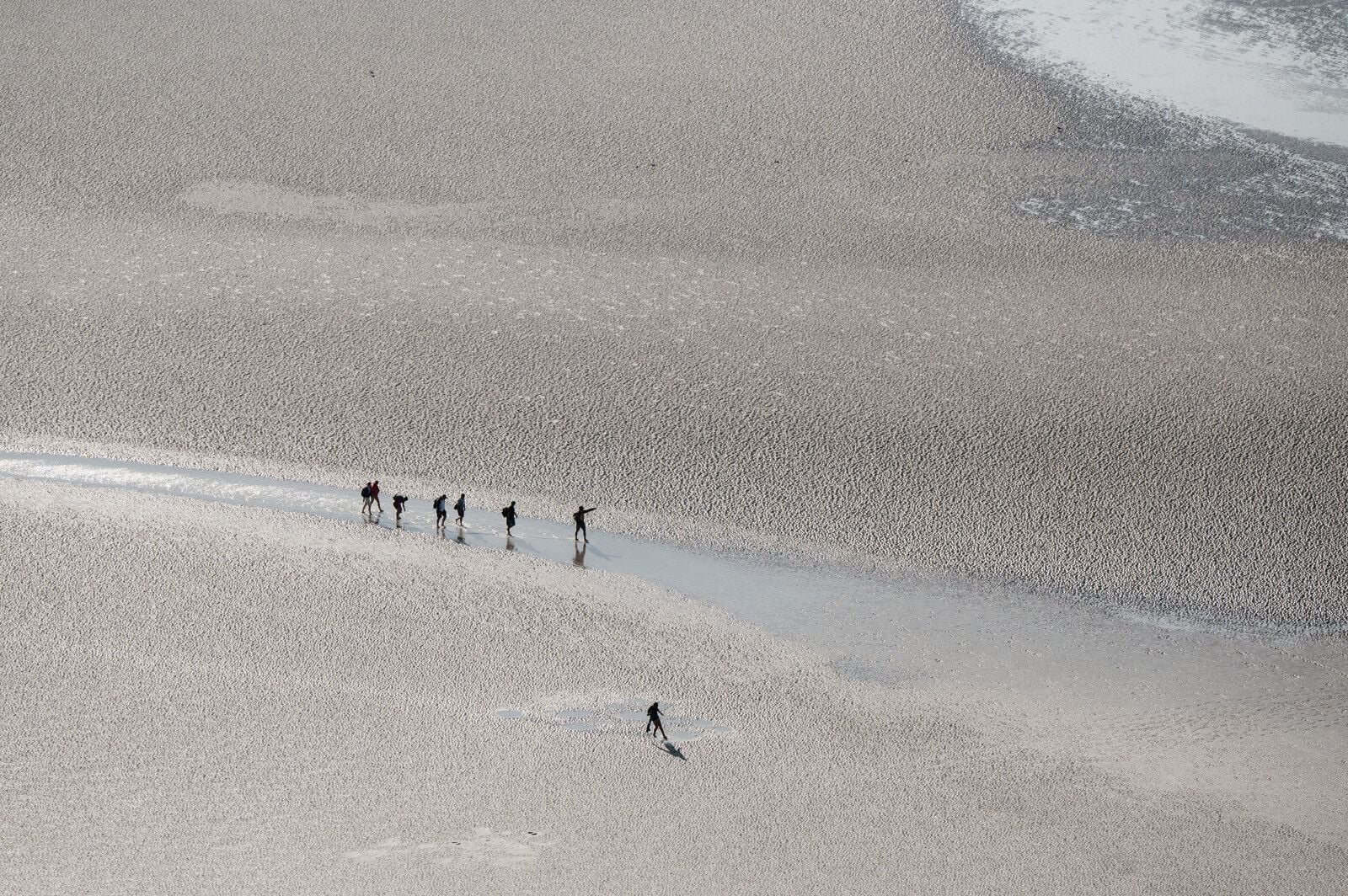
Resilience is spreading beyond Paris. Île-de-France recorded 89.7 million commercial accommodation nights in 2025, up 8.2%; Auvergne-Rhône-Alpes reached 61.4 million, Nouvelle-Aquitaine 57.4 million and Provence-Alpes-Côte d’Azur 56.2 million, according to Insee.
Paris still converts global attention
From April to September, Île-de-France logged 48.9 million nights—12% above 2024. Four- and five-star hotel nights rose 13.8%, suggesting the Olympic afterglow and Notre-Dame’s reopening produced more than a brief spike.
Normandy and the Riviera broaden the map
Normandy exceeded 13.1 million summer-season nights, up 7.2%, while Riviera upscale hotels outgrew their wider market. Our guides to seeing Versailles beyond the obvious route and the competition facing the French Riviera show the commercial strength of a network, not one postcard.

The €22.5 Billion Question
The government wants international receipts to reach €100 billion by 2030. From 2025, that requires another €22.5 billion—roughly 29% growth in five years. Our France Tourism 2030 investigation examines the wider strategy; the immediate task is to increase value per stay, extend trips and distribute spending better.
Spain earns more from fewer arrivals, helped by longer resort stays. France’s many short cross-border trips lift volume without equivalent spend. The answer is better connection: Paris plus Champagne; a congress plus the Riviera; culture plus gastronomy, shopping and craft.
Luxury Is Becoming an Economic Strategy
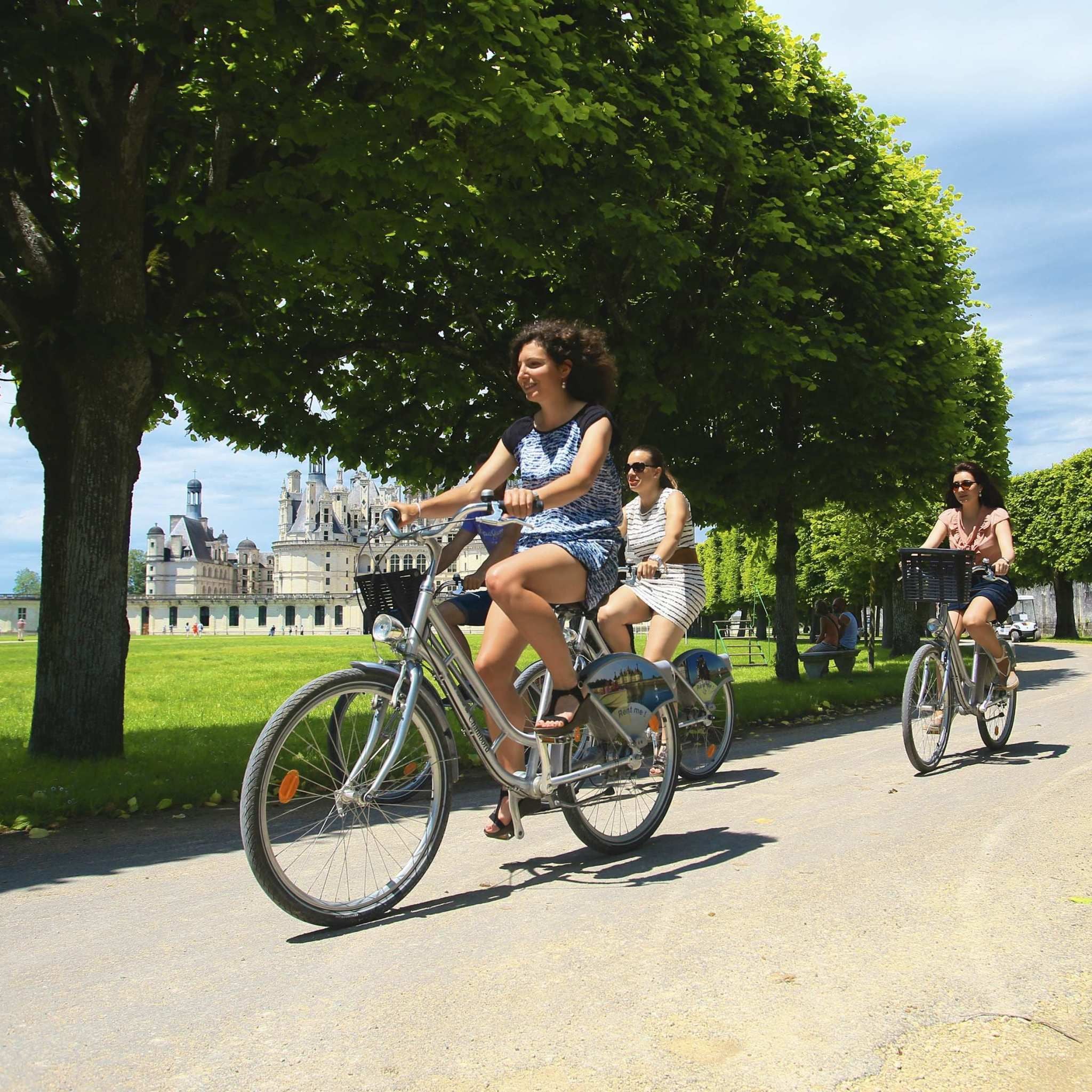
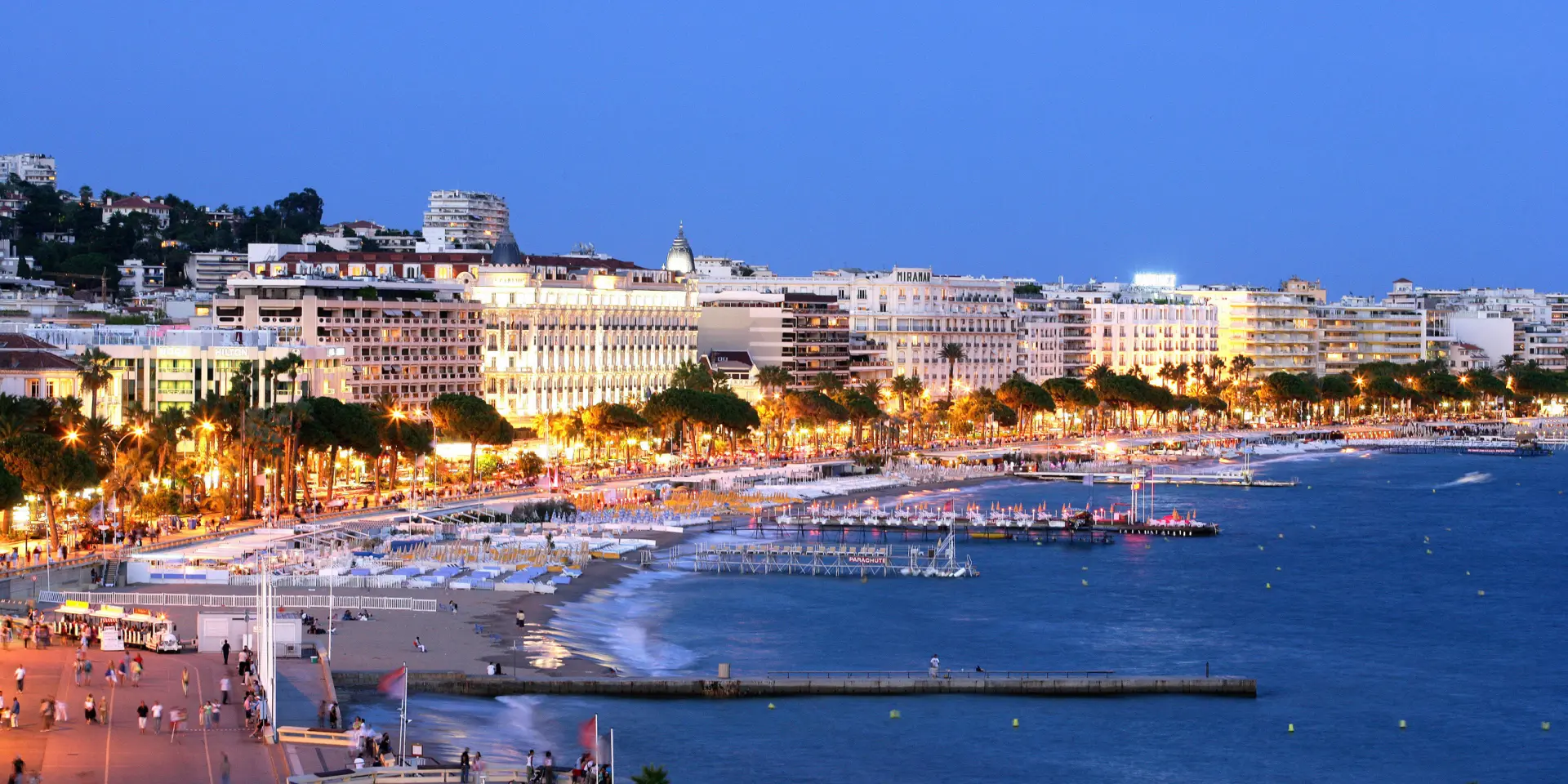
Luxury travel is a direct route from volume to value. Palace hotels, haute cuisine, fashion, art fairs and yacht events generate spending beyond the room. In Provence-Alpes-Côte d’Azur, high-end hotels represented 40% of hotel nights in 2025; foreign demand rose 12.2%.
Premium tourism succeeds only when the chain works. A palace stay loses its lustre if airport reception and regional transfers feel improvised. oui stars, for example, links destination support with pre-booked airport transfers and private chauffeur services in France. The wider principle: friction destroys value.
Culture and Business Travel Keep the Calendar Moving
Museums, heritage, gastronomy, fashion and events create year-round demand. The government counts more than 1,200 trade fairs, 2,300 congresses and 380,000 corporate events annually, producing €32 billion in economic impact.
One major event can reshape demand; congresses and fairs do the same on weekdays. France’s advantage is a calendar able to move leisure, corporate and cultural audiences through the same hospitality economy.
Investment Is Moving from Recovery to Reinvention
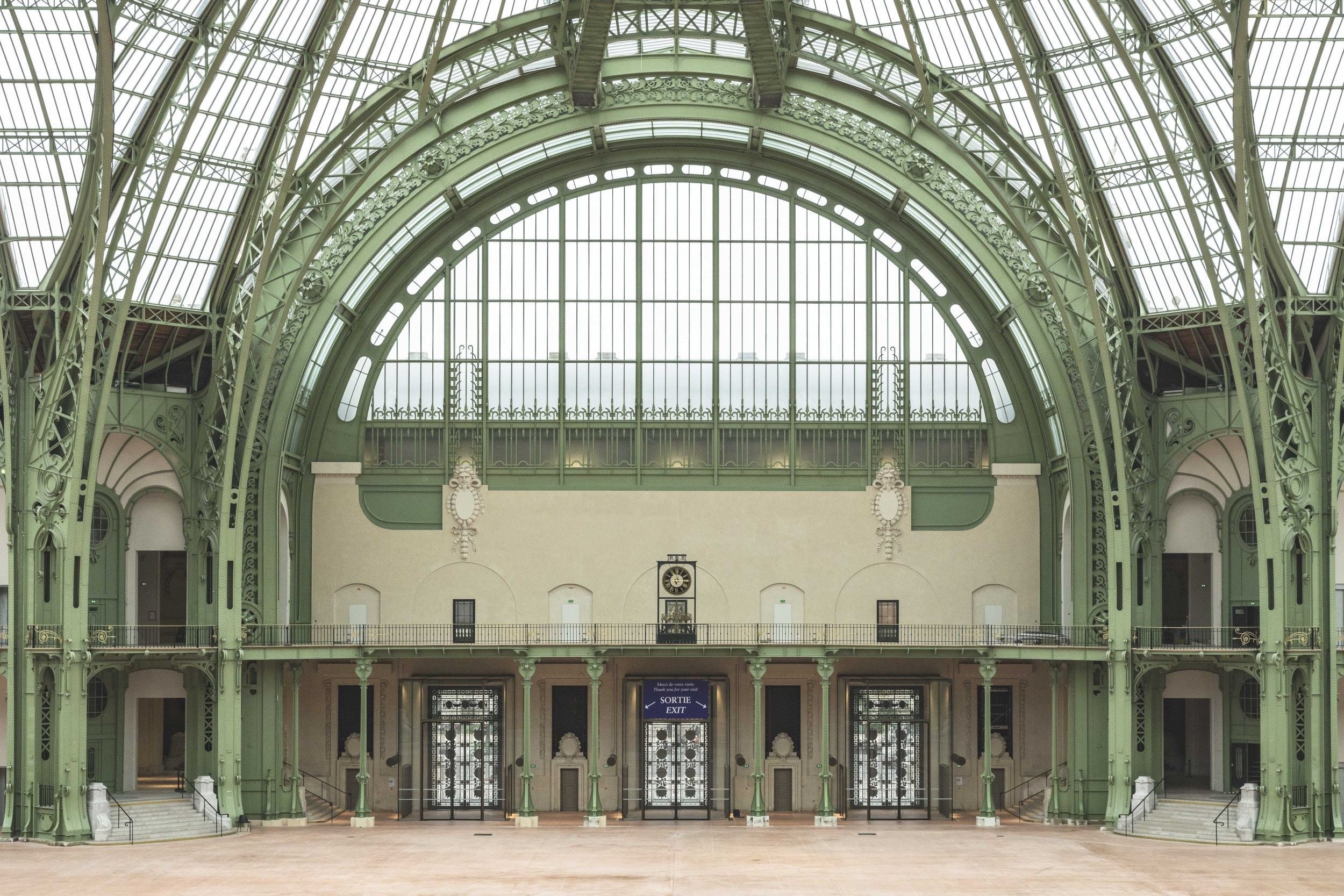
Atout France estimates tourism investment averaged €21 billion a year from 2022 to 2024. The next cycle will be more selective, testing energy use, water exposure, staffing, access and year-round demand.
Destination France mobilised €1.9 billion from 2022 to 2024. The 2025 strategy added the €100 billion target, sustainability, better data, business events and technology. France Tourisme Tech has supported 25 companies; the test is whether innovation also reaches small hotels, agencies and regional operators.
The Threats France Cannot Romanticise
Climate risk is now an operating cost
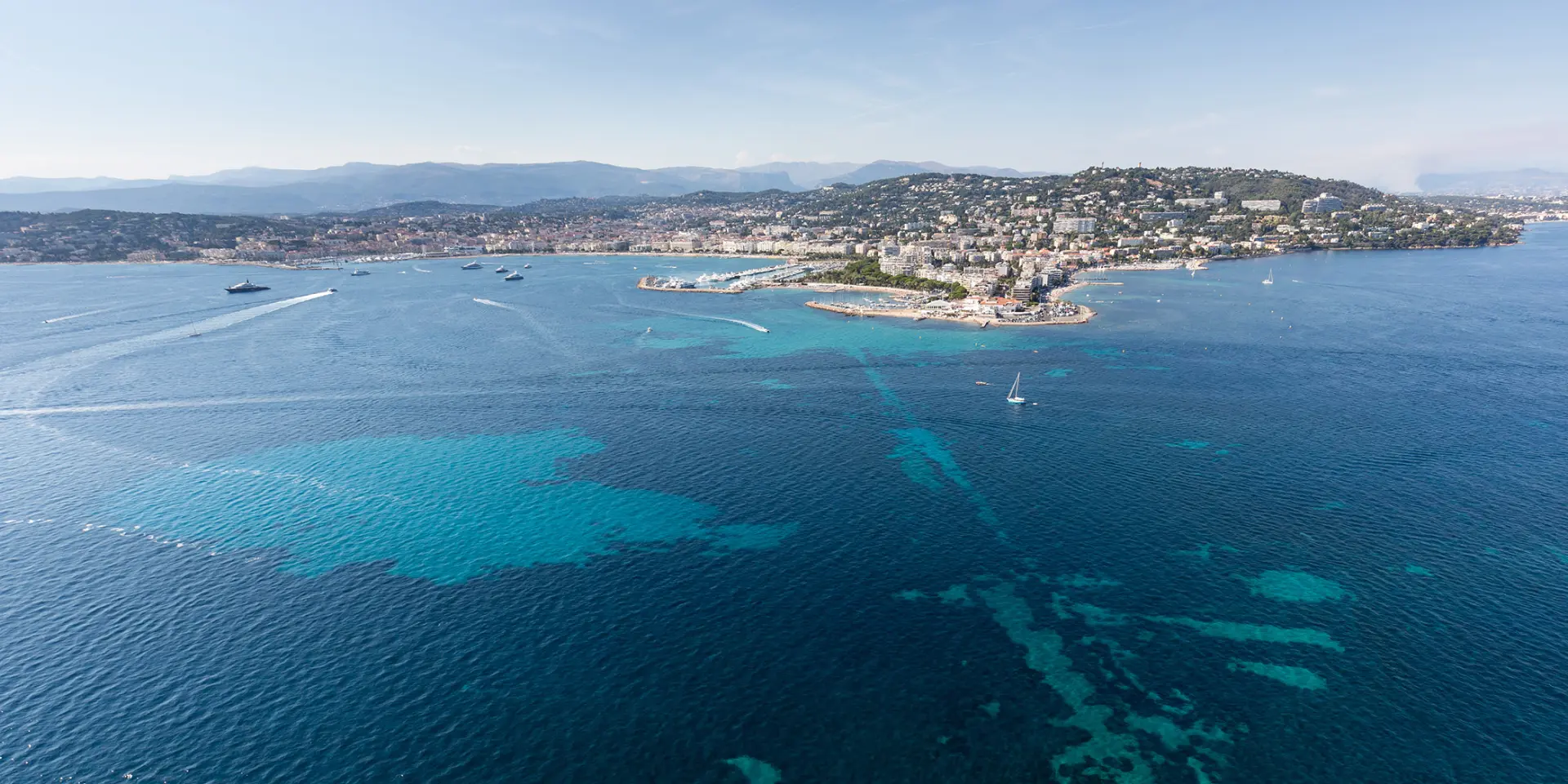
Wildfires, heat, water scarcity and unreliable snow affect insurance, roads and investment. Tourism represents an estimated 11.2% of French greenhouse-gas emissions, based on ADEME research. Our report on wildfires and summer tourism shows why local alerts matter more than national generalisations.
Success can damage the product
Overcrowding strains housing and resident confidence. High prices weaken value perceptions; labour shortages threaten service, and fragmented data slows decisions. Protests and transport disruption remain visible risks, even when localised.
Resilience is not invulnerability. The crown is maintained trip by trip: reliable bookings, preserved places and a welcome that justifies the price.

Exclusive OUISTARS Analysis: France’s Real Competitive Moat
OUISTARS Travel Magazine identifies four advantages competitors struggle to reproduce together: cultural density, geographic variety, proximity to Europe’s travelling population and a premium ecosystem linking hospitality, gastronomy, retail, events and mobility.
“France remains the global tourism leader because it offers a lifetime of different journeys. It keeps its crown when it connects them with consistency, hospitality and time-saving coordination.”
— Sam Samaha, statement prepared for OUISTARS Travel Magazine
This explains why France absorbs shocks that can overwhelm a one-season destination. To reach €100 billion, it must persuade visitors to stay longer, explore farther and trust the journey enough to spend more.
The Crown in 2030 Will Be Earned, Not Inherited
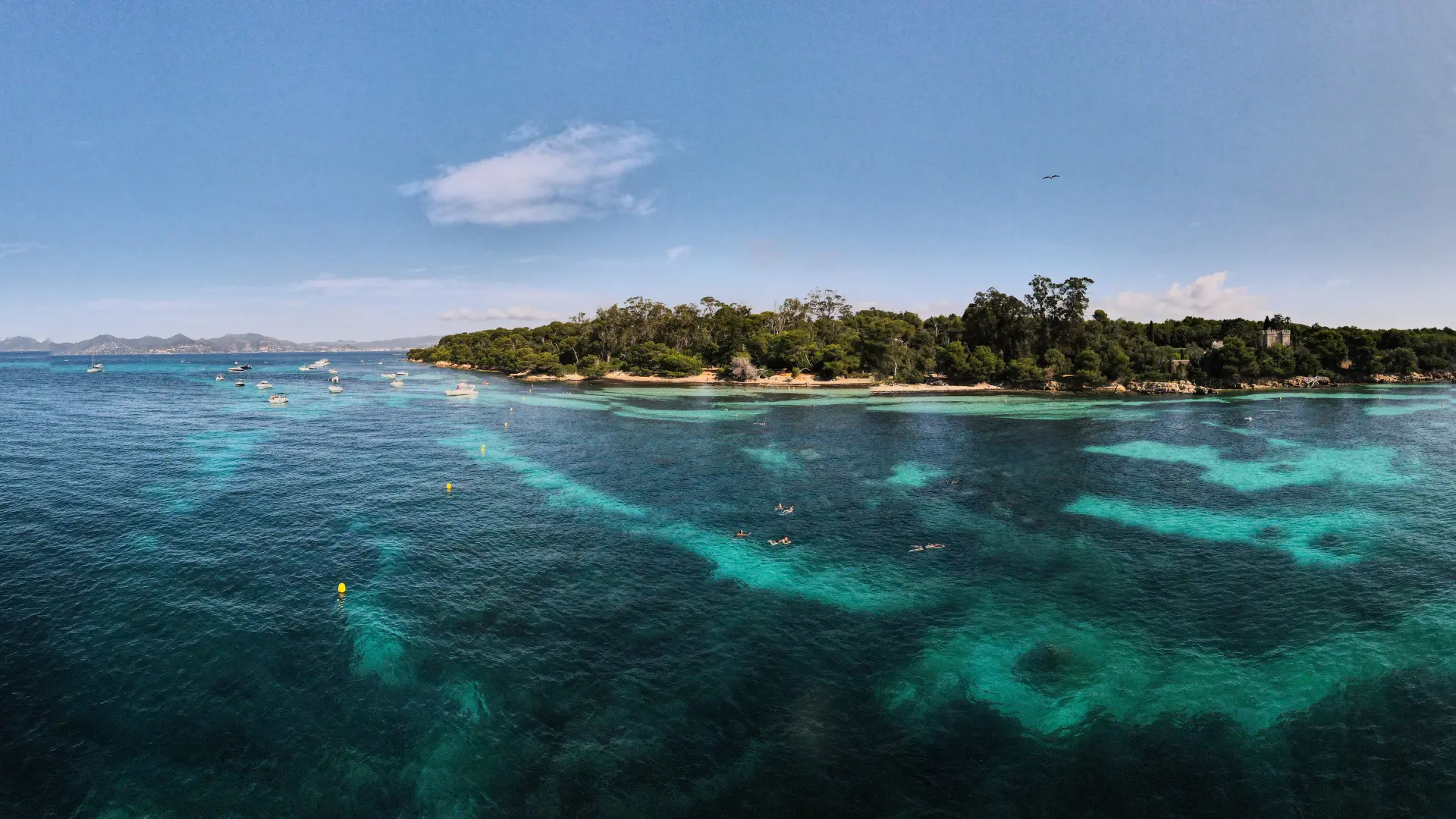
France is difficult to exhaust. Paris supplies the magnet; the regions add depth; culture, luxury and events add year-round value; domestic and European travel provide stability.
The next scoreboard will reward quality over queues. France must protect the places that create desire, remove the friction that shortens stays and turn a famous country into a connected experience.
Frequently Asked Questions
Is France still the world’s most visited country?
Yes. Atout France reported 102 million international tourists in 2025, confirming France’s first-place ranking by international arrivals.
How much tourism revenue did France earn in 2025?
France recorded €77.5 billion in international tourism receipts in 2025, up 9% from 2024.
What is France’s tourism target for 2030?
The French government aims to reach €100 billion in annual international tourism receipts and make France the world’s leading sustainable tourism destination by 2030.
Why does Spain earn more tourism revenue than France?
Spain benefits from longer stays and higher average spending. France records many short European trips that lift arrivals without equivalent expenditure.
What are the biggest risks to tourism in France?
Climate hazards, overcrowding, service and labour shortages, high prices, transport disruption and weaker visitor spending are among the main risks. France’s regional diversity reduces exposure but does not remove it.