











Fourteen suitcases. One family. One international departure. And a demand for €700 that a Gulf businesswoman says transformed an ordinary arrival at Gare du Nord into a moment no traveller would want to face.
The woman later became an OUISTARS client. During a recent booking for a private transfer from Paris to Gare du Nord, ahead of an Eurostar journey to London with her family and around 14 suitcases, she shared an experience that she says happened last year.
What she says happened outside Gare du Nord
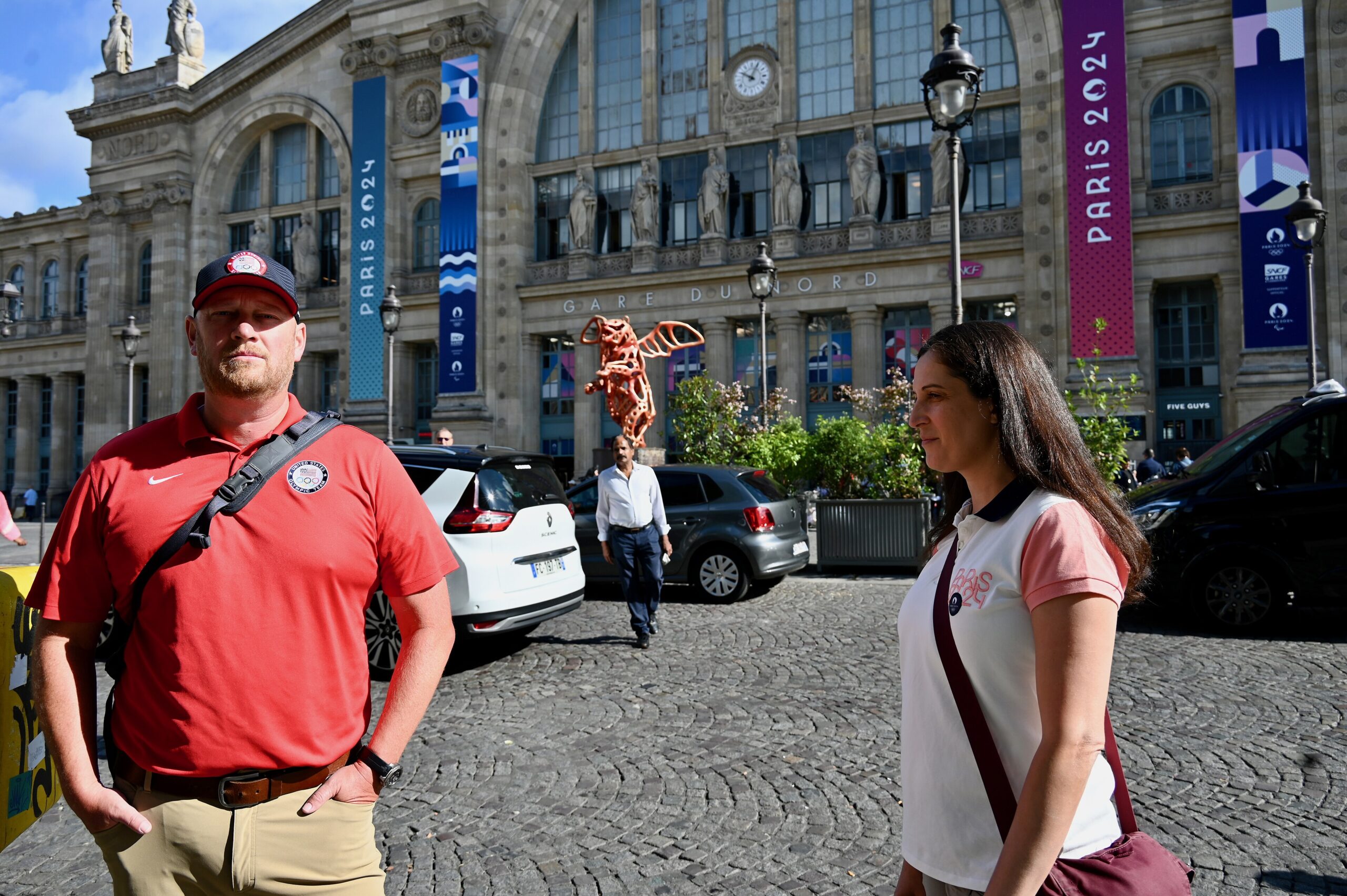
According to her personal testimony, she had previously booked transport through a ride-booking application. The vehicle dropped the family in the normal passenger drop-off area outside Gare du Nord—not inside the station.
Before the family entered the building, several people wearing yellow or orange high-visibility vests approached them outside and offered to carry their luggage to the Eurostar departure area.
According to the customer’s personal account, she felt that the driver appeared to direct them to those individuals.
After the luggage had been taken into the station, she says the individuals unexpectedly demanded €700. She refused, asked for the police and station security later intervened before the situation escalated.
This is the customer’s personal testimony. OUISTARS did not witness the event and has not independently verified her assumptions. This feature makes no allegation against the driver, the application or any company, and it does not claim that any coordination existed.
Why busy international stations require a plan
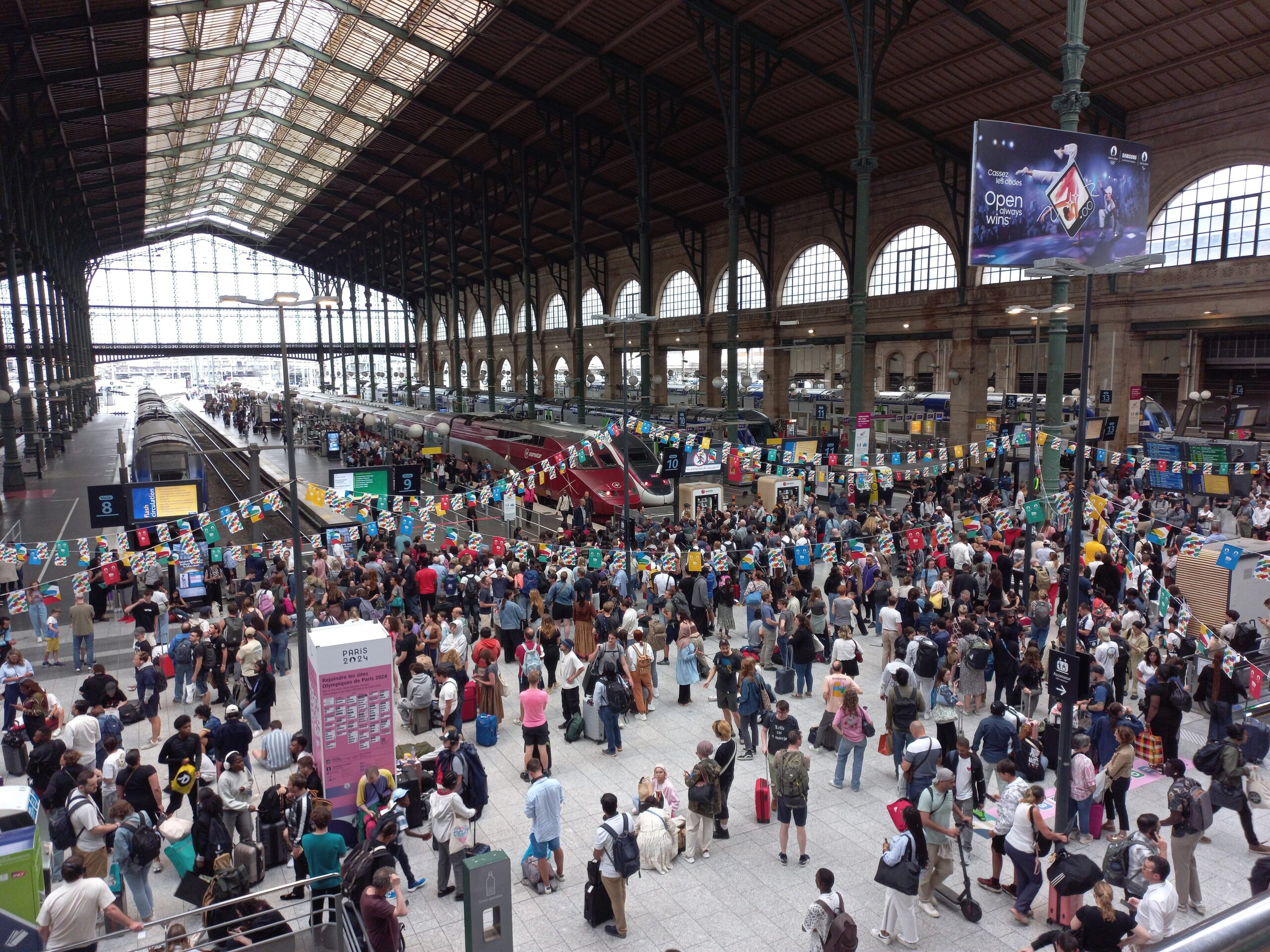
Gare du Nord is not an ordinary neighbourhood station. SNCF described it in its 2024 modernisation material as Europe’s largest railway station by traffic, with about 222 million visits a year, roughly 700,000 travellers a day and around 2,200 trains daily. It connects Paris with London and other major European cities while also serving regional trains, suburban rail, the RER and the Métro.
That scale creates energy and convenience, but also pressure. A family arriving with children, several trolleys and a large number of suitcases may be focused on passports, tickets and departure time. An unsolicited offer that appears helpful can therefore be accepted before anyone asks the most important questions: Who provides the service? What exactly is included? How much will it cost?
Official assistance and an unsolicited offer are not the same thing
A high-visibility vest is not, by itself, proof that someone works for SNCF, Eurostar, a station contractor or an authorised concierge. Official personnel should be identifiable, connected to a clearly named service and able to direct travellers to a desk, meeting point or booking confirmation.
Gare du Nord has an official left-luggage and concierge service. Its published terms explain that porter assistance is subject to availability and should be booked in advance. Eurostar also publishes specific station directions and departure guidance. Travellers requiring accessibility assistance should use the official booking channels provided by Eurostar or SNCF rather than relying on an approach made outside the building.
Before anyone touches your luggage, ask three questions
- Who do you work for? Ask for the organisation’s name and visible identification.
- Where is the official desk or meeting point? A legitimate service should have a verifiable location or booking reference.
- What is the total price? Agree the complete amount in writing before the first bag is moved. Never accept “we will discuss it later”.
If the answer is vague, if the person avoids identification or if the price is not clear, decline politely and keep your luggage with you. Do not allow the group to become separated from the bags.
A better departure plan for families with many suitcases
Large-family travel is easier when responsibilities are decided before the vehicle leaves the hotel. One adult should manage documents and tickets. Another should count the bags at every handover. Children should remain beside a designated adult, not beside the luggage trolley. Photographing the complete luggage set before departure can also make recounting faster.
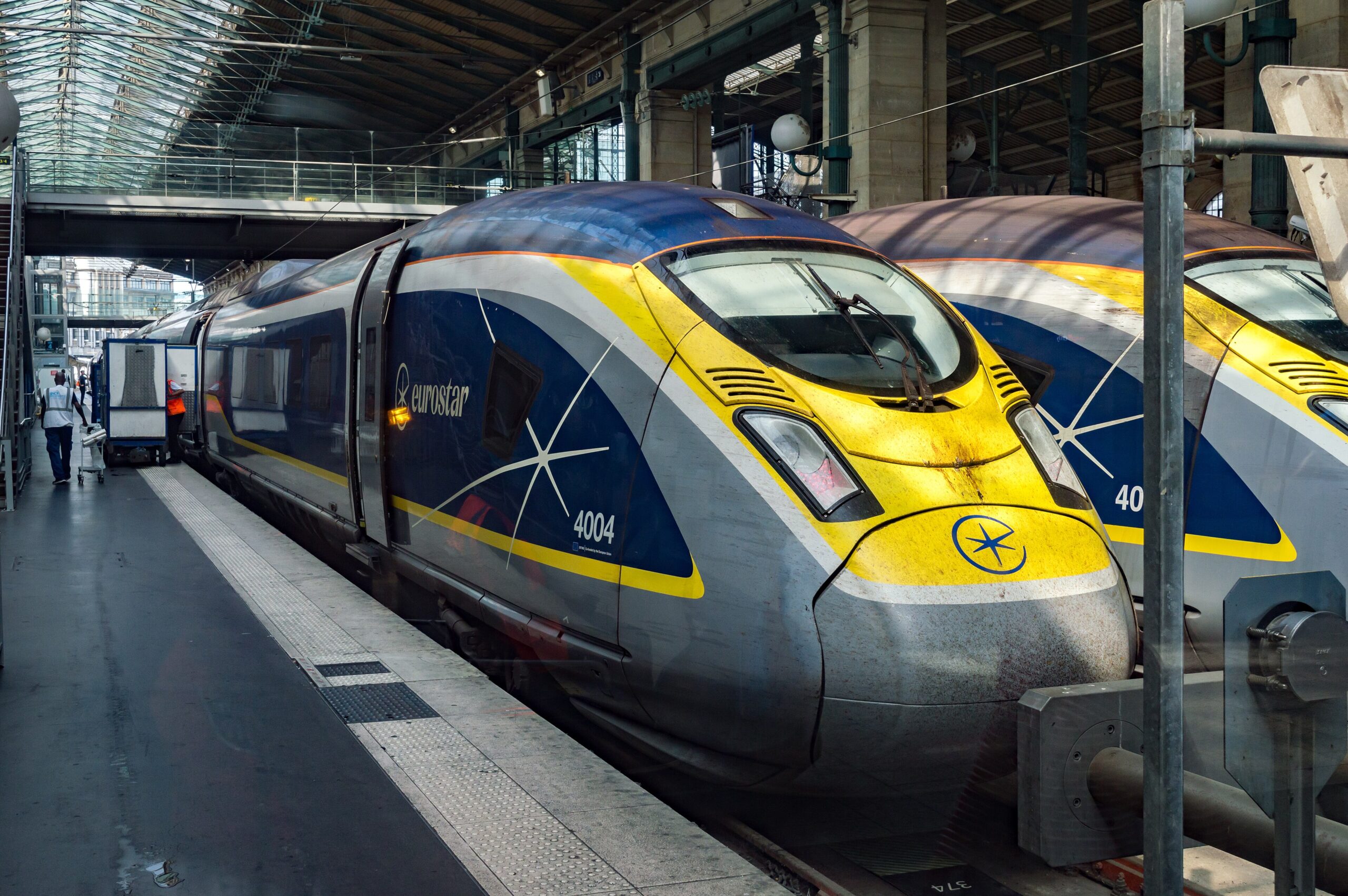
Eurostar tells passengers to check the latest recommended arrival time shown with their booking. For London routes, travellers complete ticket, passport, security and luggage checks before departure. At Paris Gare du Nord, the Eurostar terminal is in Hall 2 on the first-floor mezzanine. Travellers should allow additional time when travelling with a large family, reduced mobility or exceptional luggage.
What to do if someone pressures you for money
- Stay calm and do not follow the person to an isolated area.
- Move towards a staffed Eurostar, SNCF or security point.
- Keep passports, phones, wallets and tickets with you.
- Do not hand over cash simply to end verbal pressure if you feel safe enough to seek help.
- Record the time, location, clothing and description only if doing so does not increase risk.
- In France, call 17 for police or gendarmerie assistance, or 112 for the European emergency number. The 114 emergency service is available for people who are deaf, hard of hearing, deafblind or aphasic.
The Paris Police Prefecture publishes multilingual tourist safety information and explains how visitors can report an offence. Ask official station staff to guide you to the appropriate security or police service.
Visitor protection also protects France’s image
Major stations are gateways to France. A traveller’s first or final impression of Paris may be formed on the pavement outside a terminal, during a crowded transfer or while looking for the correct entrance. Continued visible patrols, clear signage, active enforcement against unauthorised commercial approaches and easy-to-find official assistance help protect visitors as well as the country’s tourism reputation.
OUISTARS respectfully encourages French authorities, SNCF, station operators and transport partners to keep strengthening coordination around major hubs. The objective is not to make travel feel intimidating. It is to make legitimate help unmistakable and unwanted pressure easier to report.
Paris remains a city travelled safely by millions
This testimony should not define Gare du Nord or Paris. Millions of residents and international visitors use the city’s transport network safely every year. Most departures are routine. Awareness, verified assistance and a few minutes of advance planning can prevent confusion from becoming a costly or distressing encounter.
For wider planning, read OUISTARS’ guide to how security supports French tourism, its guide to premium Paris airport transfers and its comparison of the best private car services in Paris.
Frequently asked questions
Use a service booked through SNCF, Eurostar or the station’s official concierge channels. Ask for identification, a booking reference, the official meeting point and the total price before handing over any bag.
Stay in a public area, keep your documents with you and approach official station staff or security. In an emergency in France, call 17 or 112.
Eurostar departures use Hall 2 on the first-floor mezzanine. Follow current Eurostar directions and the arrival time shown with your booking.
A smoother way to reach the train
For families travelling with extensive luggage, the final kilometre matters as much as the train ticket. Many choose OUISTARS because a professional chauffeur can accompany guests to the appropriate station access, assist with luggage, remain available until departure when requested and help the family avoid uncertainty during a busy international departure. The value is not simply the car; it is a clear, accountable journey from the hotel door to the correct station entrance.