






Independent editorial analysis · Information checked through 10 November 2026.
Jmex · Wikimedia Commons · CC0
South-west of Paris, France is attempting something harder than building another business district: creating a place where laboratories become companies, patents become industry and researchers meet patient capital. Paris-Saclay already combines universities, public research, global companies and new transport. Its 2035 test, however, is not the number of buildings delivered. It is whether talent, scale-up capital and industrial contracts stay in the ecosystem.
From laboratory to market
EPA Paris-Saclay reports 911 start-ups and 4,624 direct jobs in young companies, with more than €700 million raised. The wider cluster brings together about 16,000 researchers and companies including Airbus, Air Liquide, EDF, Renault, Safran, Thales and TotalEnergies. For investors, that concentration offers unusual proximity to science, customers and specialist talent.
The 2035 work also acknowledges the weaknesses: international visibility below the cluster’s scientific weight, weaker patent performance and too few places where researchers, companies and citizens meet. Proposed answers include connected incubators, a shared map of research and partnerships, and academic consulting for businesses.
Transport is innovation policy
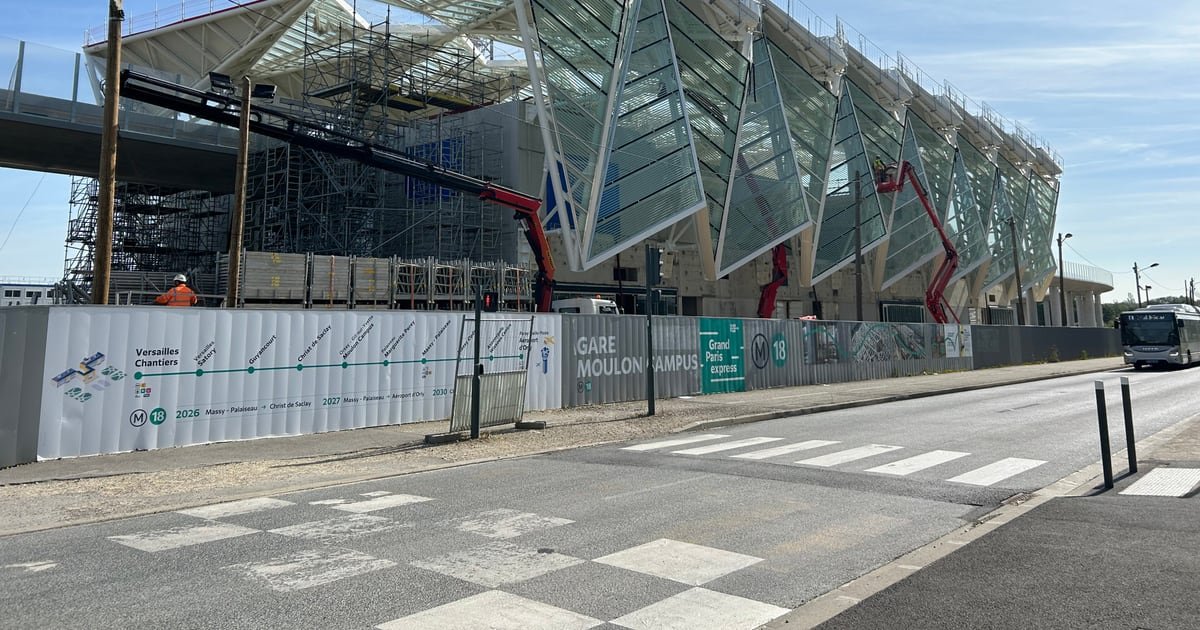
Grand Paris Express Line 18 changes the geography of time around the plateau, but a metro line alone does not create an ecosystem. The value depends on buses, cycling, interchange, housing and daily services. International employees and visiting executives judge the entire experience, not the laboratory in isolation.
Deep tech requires patient capital
Quantum, health, energy and advanced engineering companies do not scale like consumer apps. Paris-Saclay therefore needs investors able to fund industrialisation, trials and regulation—not only seed rounds. Large corporate neighbours matter when pilots and procurement become real contracts.
A quiet, high-value visitor economy
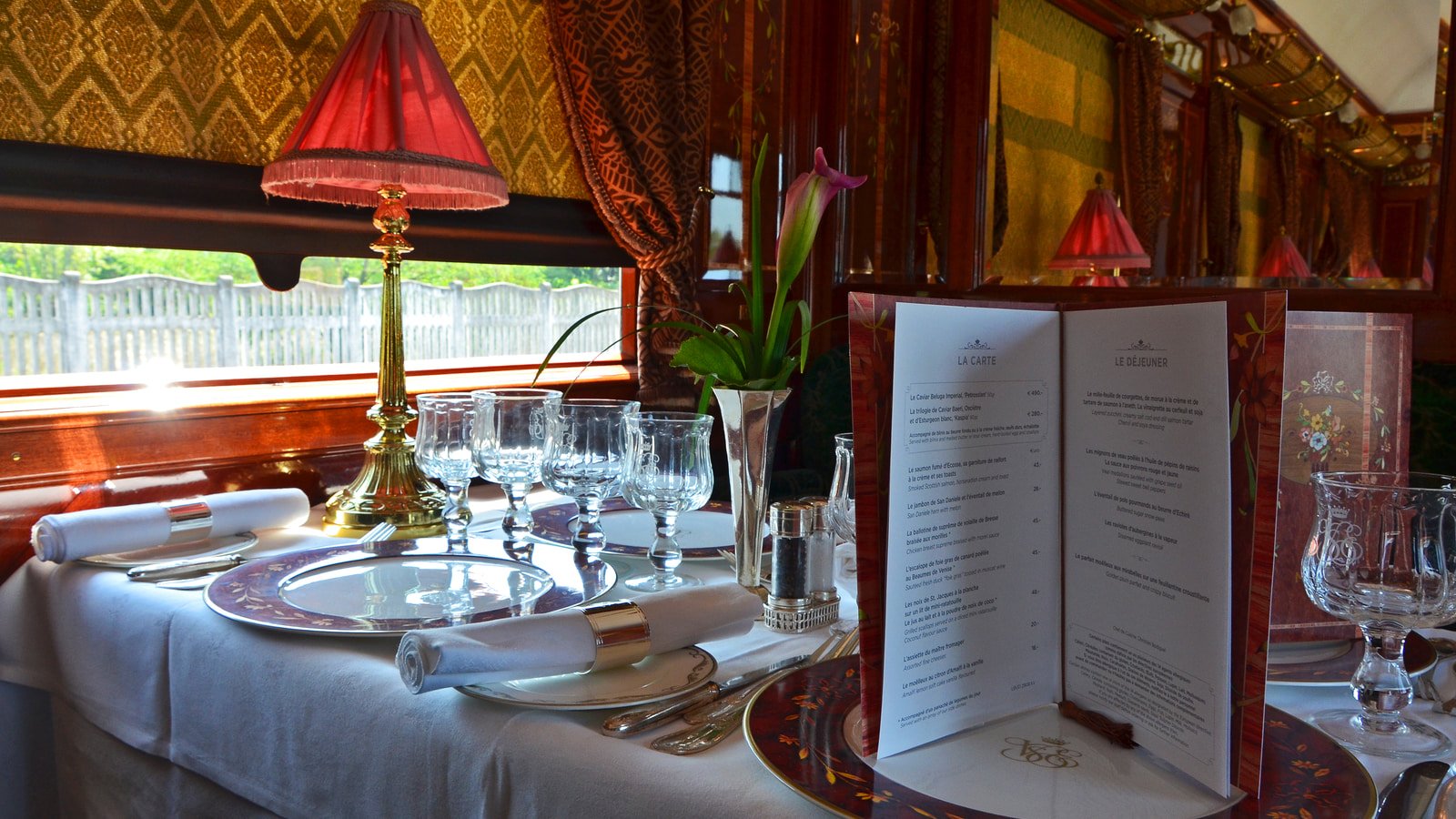
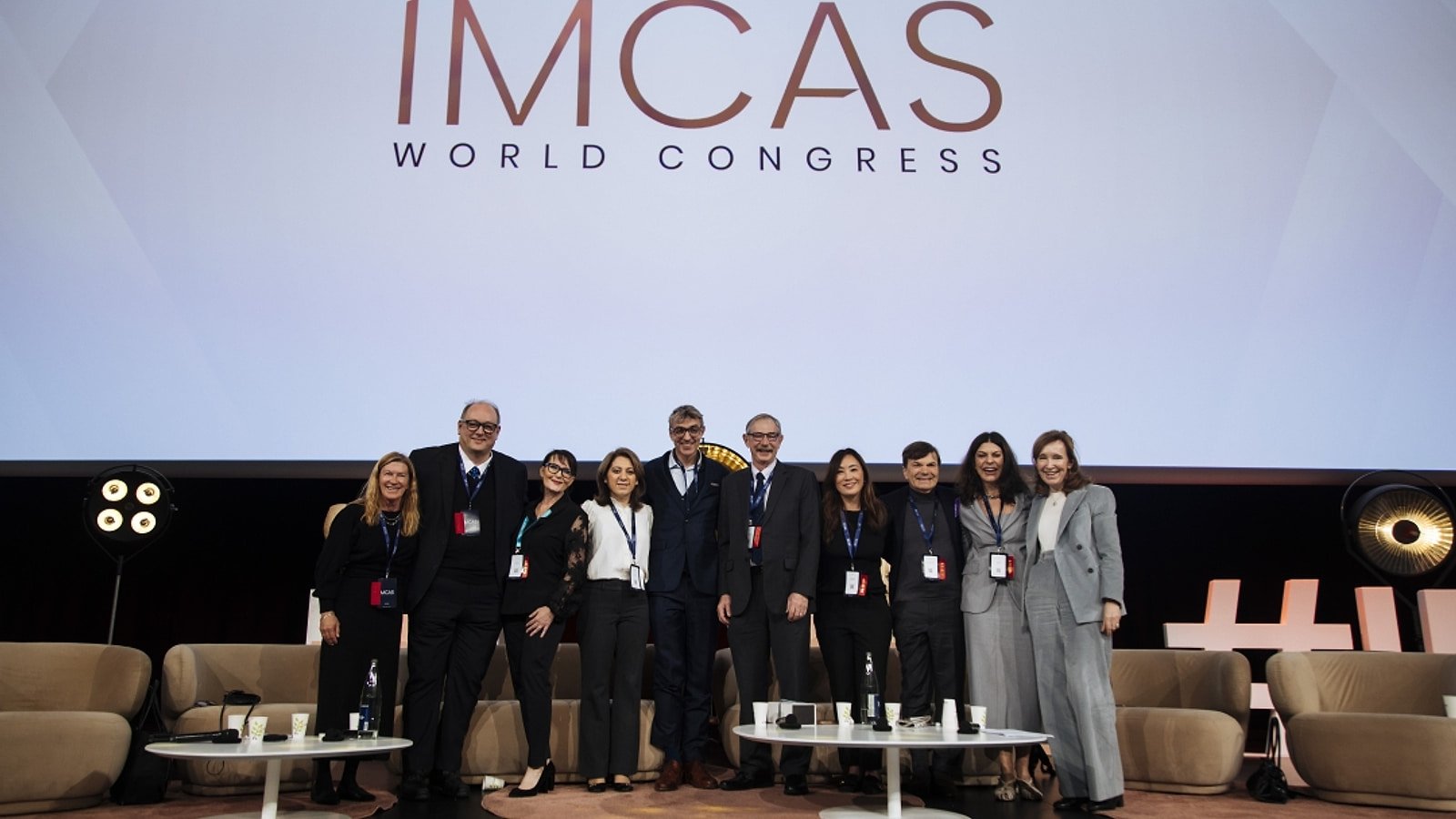
Innovation districts also generate conferences, delegations and executive stays. Combined with nearby Versailles and Paris, this can support a specialised hospitality economy built around reliable mobility, short cultural programmes and high-quality accommodation rather than mass tourism.
What it means
For investors, the opportunity is not simply property near a university; it is structured access to laboratories, incubators and industrial buyers. For travel businesses, demand will come from scientific delegations, executives and short, service-intensive stays.
Frequently asked questions
Is Paris-Saclay a standalone city?
No. It is a broad scientific and economic territory south-west of Paris, spanning several campuses, municipalities, laboratories and business districts.
Do announced funding figures guarantee success?
No. They indicate scale and momentum; outcomes still depend on execution, later-stage capital, transport, housing and scale-up capacity.
Official sources

Cite this article
When citing the text or analysis, include the magazine, title, original URL and publication date. Preserve the stated attribution of statistics and photographs.
OUISTARS Travel — Paris-Saclay 2035: Can France Build a Global Engine for Science and Investment?
Published: