














EUROPE · BUSINESS TRAVEL 2030
The video call did not kill business travel. It raised the price of a weak reason to travel. As costs rise faster than trip volume, European companies will increasingly reserve the train, flight and hotel for moments that create value only presence can deliver.
The new test: what changes because someone was there?
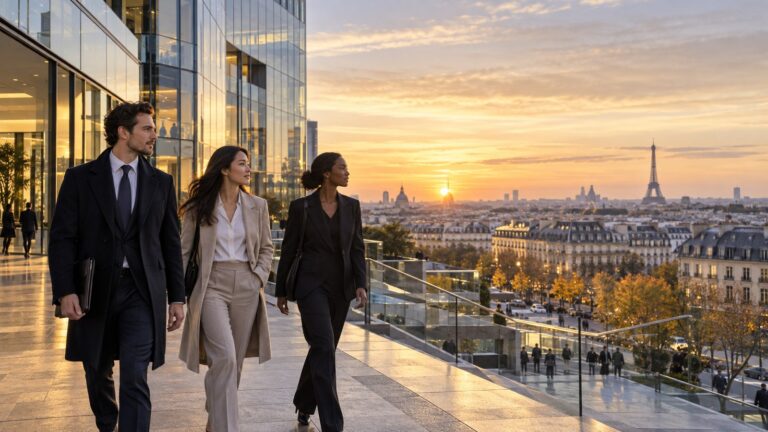
A routine status update rarely justifies an airport day. A negotiation, site inspection, complex workshop, client recovery or relationship-building moment often does. The useful question is not whether in-person meetings are better in general, but whether physical presence changes the decision, speed, trust or quality of the outcome.
GBTA’s 2026 European outlook—research supported by Visa—forecasts spending growth far above trip-volume growth. The figures are forecasts, not guaranteed results, but they underline the pressure on travel managers to show value for every journey.
Design the outcome before booking the ticket
A worthwhile trip begins with an outcome: a signed decision, a prototype reviewed, a problem solved or several stakeholders aligned. The itinerary should then concentrate meetings that benefit from proximity instead of stretching one appointment across three expensive days.
Companies can compare the full cost with the expected value, including travel time, fatigue and carbon—not airfare alone. A shorter rail journey with reliable working time may outperform a flight once airport transfers and waiting are counted.

Rail changes the map of the European meeting
The European Commission’s high-speed rail plan aims to shorten cross-border journeys and improve fast, reliable connections. This can make city-centre-to-city-centre travel more competitive and allow companies to choose meeting locations based on total journey quality.
Rail will not replace aviation on every route. The practical future is multimodal: flight for long distance, train for connected corridors and well-planned ground transport for the final leg. The measure is not ideology; it is productive, predictable door-to-door time.
The hotel becomes part of the workplace
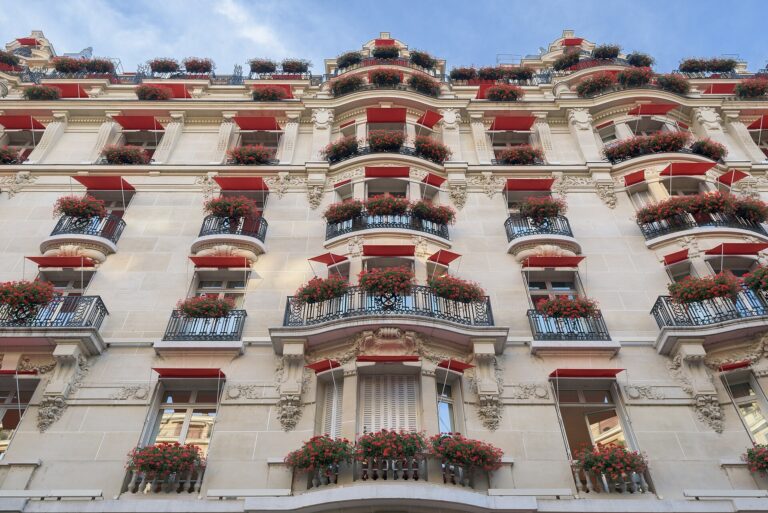
A business hotel cannot rely on a desk and Wi-Fi label. Travellers need quiet rooms, reliable connectivity, sensible early arrival options, secure places for calls, healthy food outside rigid hours and fast help when plans change.
Destinations also benefit when the trip is well designed. A useful conference or client visit supports hotels, restaurants, transport and venues. A badly planned journey produces cost without creating loyalty or repeat demand.
AI organises; people remain accountable
Artificial intelligence can compare routes, enforce policy and rebuild itineraries after disruption. It should not make an opaque decision about traveller safety, accessibility or the importance of a client relationship. A named human must remain responsible for exceptions and duty of care.
The European business trip of 2030 will be less automatic and more intentional. The winners will not be companies that stop travelling, nor those that restore every old habit. They will travel when presence has a job to do—and design the whole journey so that job can be done well.
Frequently asked questions
Is European business travel still growing?
GBTA forecasts higher 2026 spending, although forecasts are not guarantees and spending is rising faster than trip volume.
Which meetings are most worth travelling for?
Negotiations, site work, complex workshops, client recovery and relationship-building moments where presence changes the outcome.
Will rail replace flights?
No. Rail can win on connected short and medium corridors, while aviation remains essential for longer routes.
How should companies measure value?
By comparing expected business outcome with total door-to-door cost, productive time, traveller wellbeing, risk and carbon.
Official sources

Cite this article
When citing the text or analysis, include the magazine, title, original URL and publication date. Preserve the stated attribution of statistics and photographs.
OUISTARS Travel — The Future of Business Travel in Europe: What Makes a Trip Worth Attending?
Published: