







THE STORY BEHIND THE HOTEL · PARIS, EPISODE 4
At one Paris address, the same doors admitted German intelligence officers during the Occupation—and, months after liberation, survivors returning from the camps. Hôtel Lutetia is not simply a palace with a past. It is a building in which the moral temperature of history changed completely.
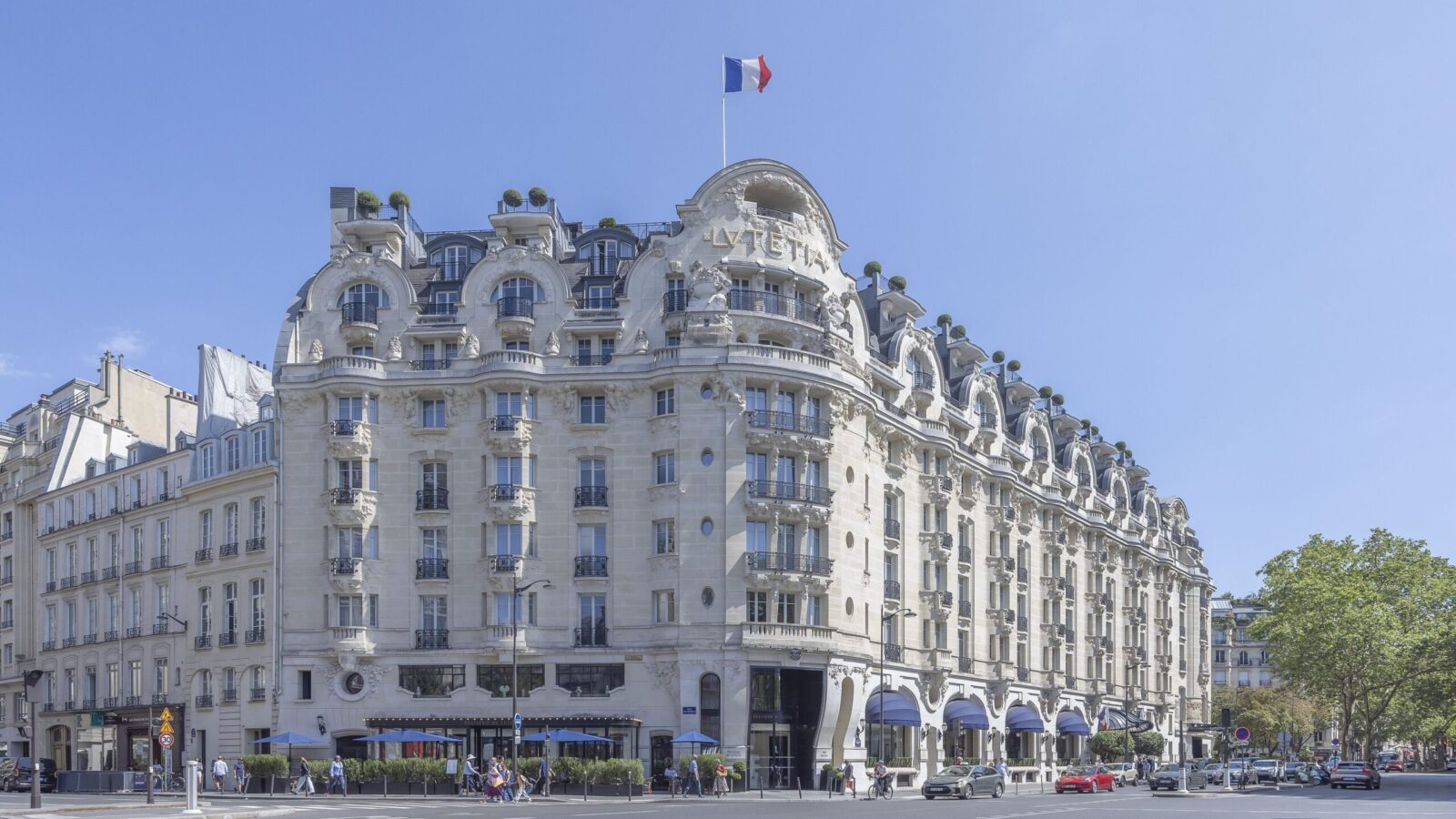
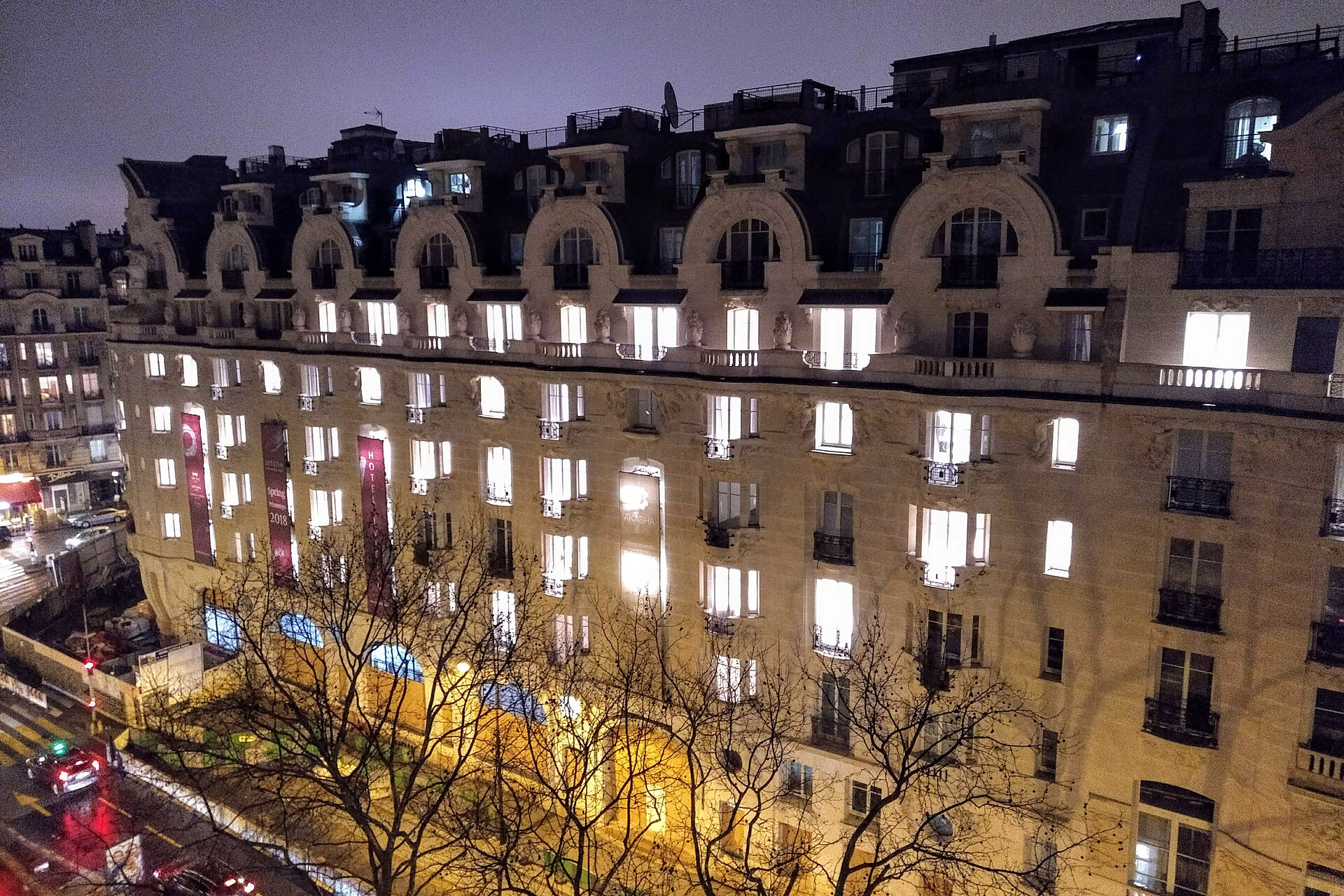
Stand at the corner of boulevard Raspail and rue de Sèvres and the first impression is exuberance: an undulating stone façade, vine leaves, grapes, angels and balconies that seem to move with the street. The Lutetia was born to celebrate commerce, travel and the confident modernity of 1910. It later became a refuge for artists and political exiles, a headquarters of occupation, and then a place where families waited beside handwritten lists for the names of people who might never return.
Few Paris luxury hotels contain contradictions this severe. Fewer still have carried them into the present without turning memory into décor.
A hotel born across the street from a department store
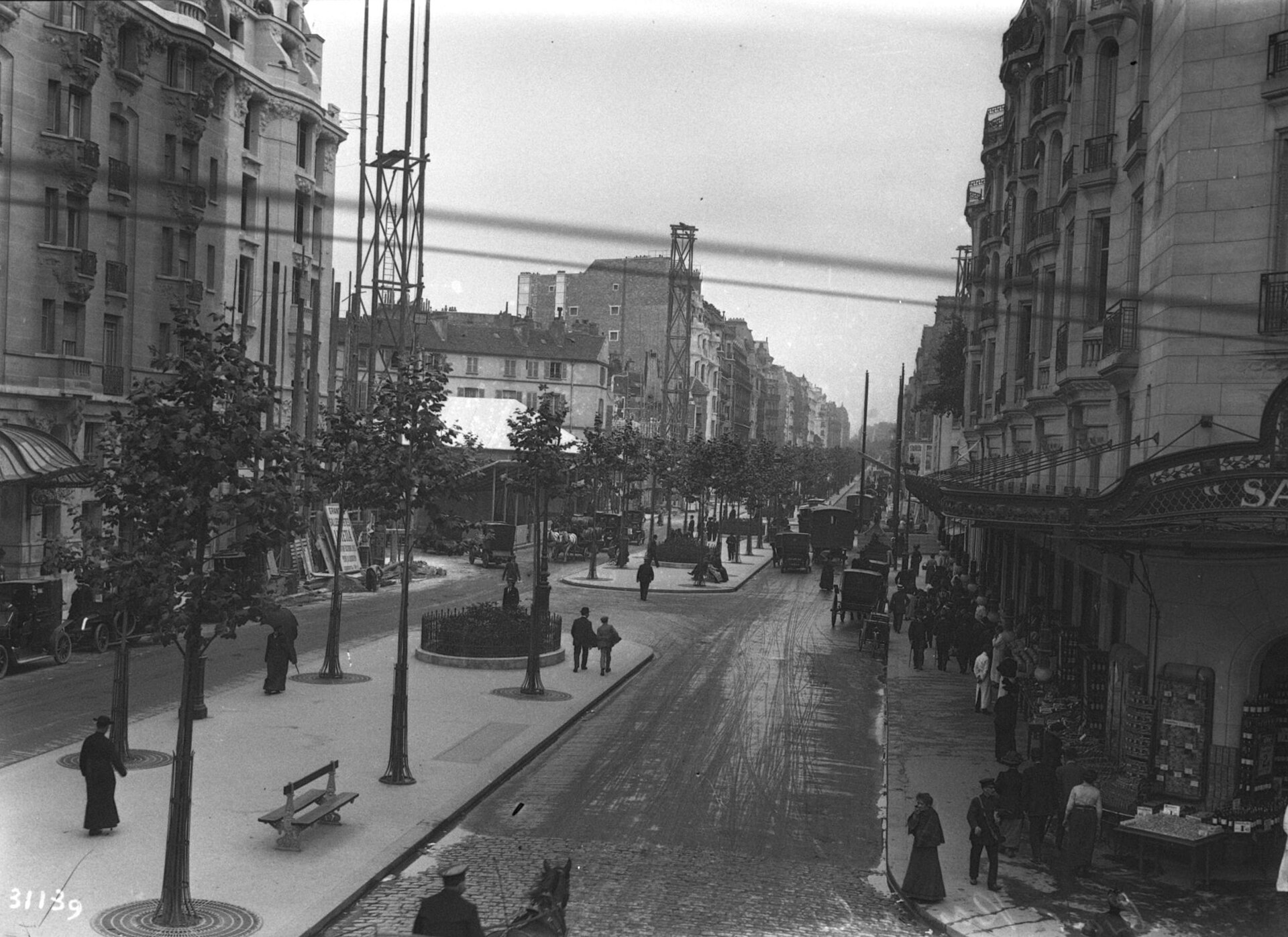
The story begins with Le Bon Marché. The Boucicaut family, founders of the pioneering department store, wanted a refined place for provincial and international customers, suppliers and commercial partners to stay on the Left Bank. Construction began in 1907 on the former garden of the Abbaye-aux-Bois; the new hotel was inaugurated on 28 December 1910 with a buffet, dinner and ball.
Its practicality was as important as its ceremony. Every room offered hot water, a telephone connection to reception, direct ventilation and rolling shutters operated from inside—comforts presented as remarkable innovations at the time. The name reached much farther back: “Lutetia” was borrowed from Lutetia Parisiorum, Roman Paris. The hotel adopted the city’s ship emblem and the motto Fluctuat nec mergitur: tossed by the waves, but never sunk.
An Art Nouveau wave moving toward Art Deco
Architects Louis-Hippolyte Boileau and Henri Tauzin designed the original building. Boileau’s family connection to the architecture of Le Bon Marché made the commission a deliberate visual conversation across rue de Sèvres. The structure was technically ambitious, using concrete, glass and hot-riveted steel foundations; the façade was anything but industrial in spirit.
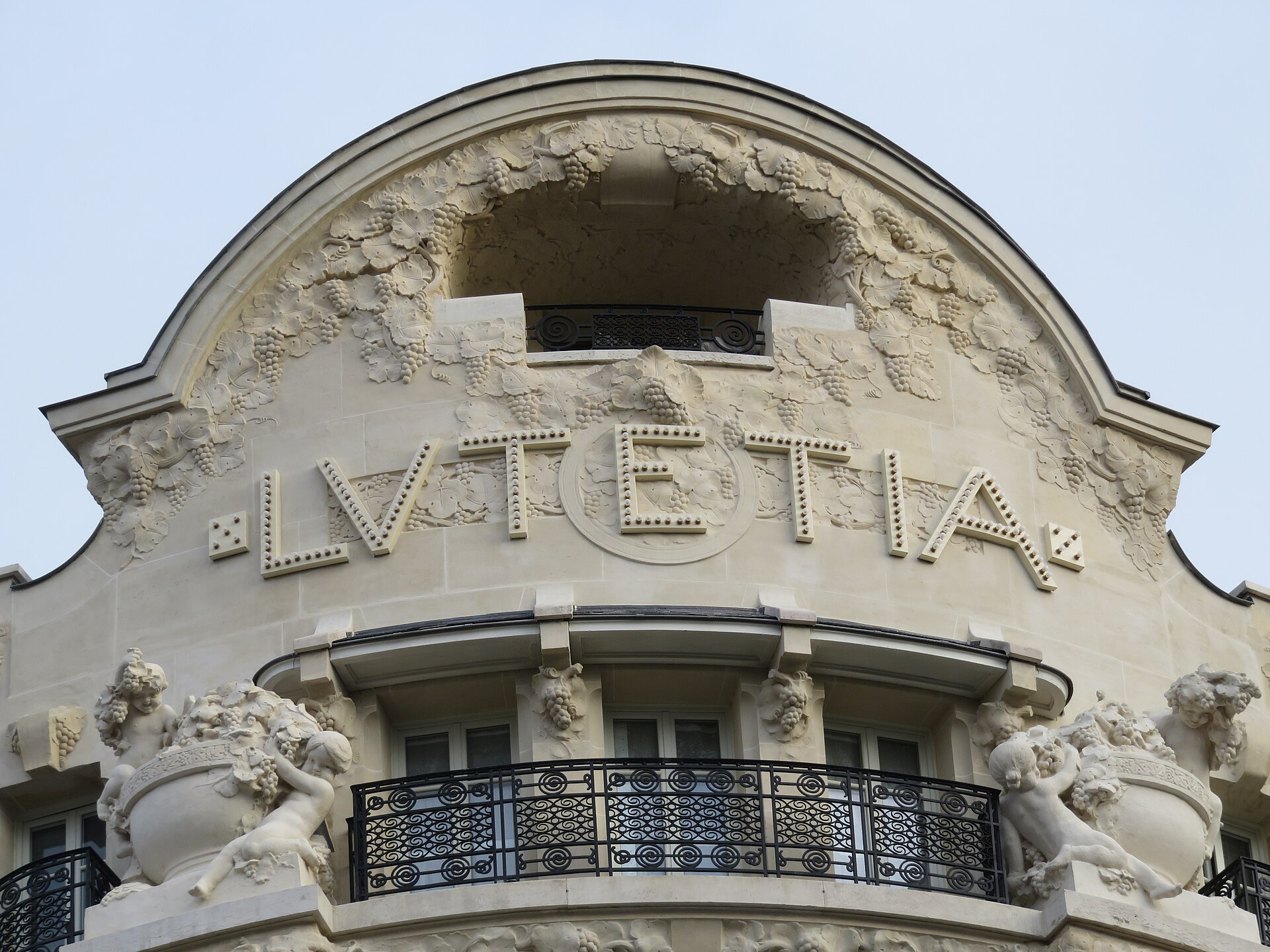
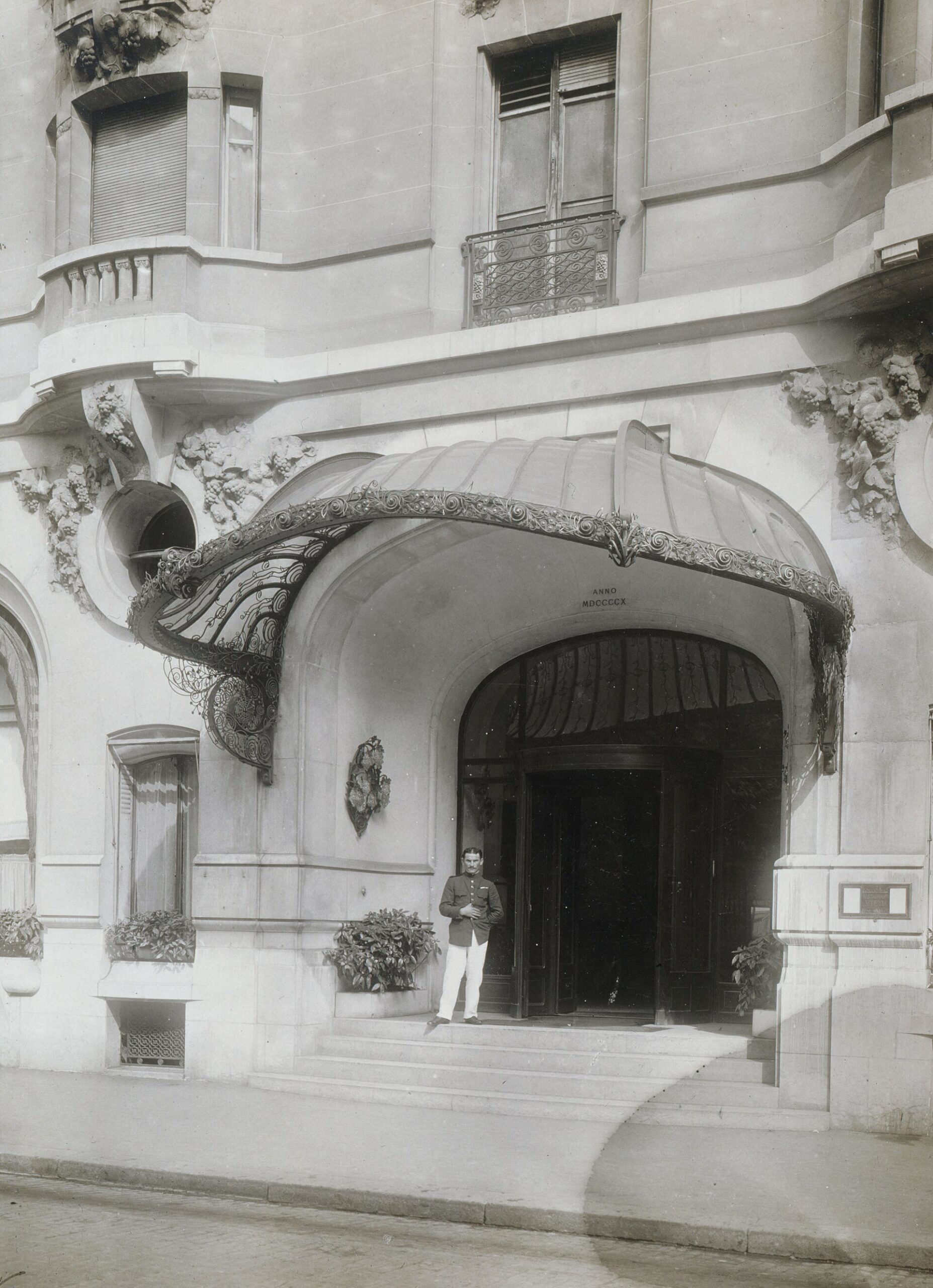
Its corner bends rather than breaks. Sculptor Léon Binet covered the exterior with trellises, birds, putti and bunches of grapes, a natural vocabulary that softens the stone. Yet the geometry gradually tightens: the Lutetia stands at the passage between Art Nouveau’s organic line and the cleaner discipline that would become Art Deco.
An extension followed in 1912 with two levels of reception rooms and additional bedrooms. In 1927 the central courtyard was finally enclosed, creating a ballroom and enlarging the brasserie. The French Ministry of Culture now protects the façades, roofs, principal halls, staircases and historic salons; the property was partially listed as a Monument historique in 2007.
War, writers and the political life of the Left Bank
The Lutetia’s address placed it close to publishers, cafés, galleries and the arguments of Saint-Germain-des-Prés. André Gide came to lunch and meet writers. Explorer Alexandra David-Néel organised her travel notes here in 1921. Antoine de Saint-Exupéry and Consuelo stayed; Nobel laureate Roger Martin du Gard was another documented guest. Later the hotel’s orbit included Albert Camus, Jean Cocteau, Juliette Gréco, Boris Vian, Samuel Beckett, Jean-Paul Sartre and Josephine Baker.
The names matter only because the hotel functioned as a meeting place, not as a celebrity ledger. Its salons connected literature, publishing, music and politics. Between 1935 and 1937, German émigré intellectuals and politicians gathered here around Heinrich Mann to seek a common front against Nazism. The so-called Lutetia Committee did not overcome its internal divisions—but its presence makes what followed especially bitter.
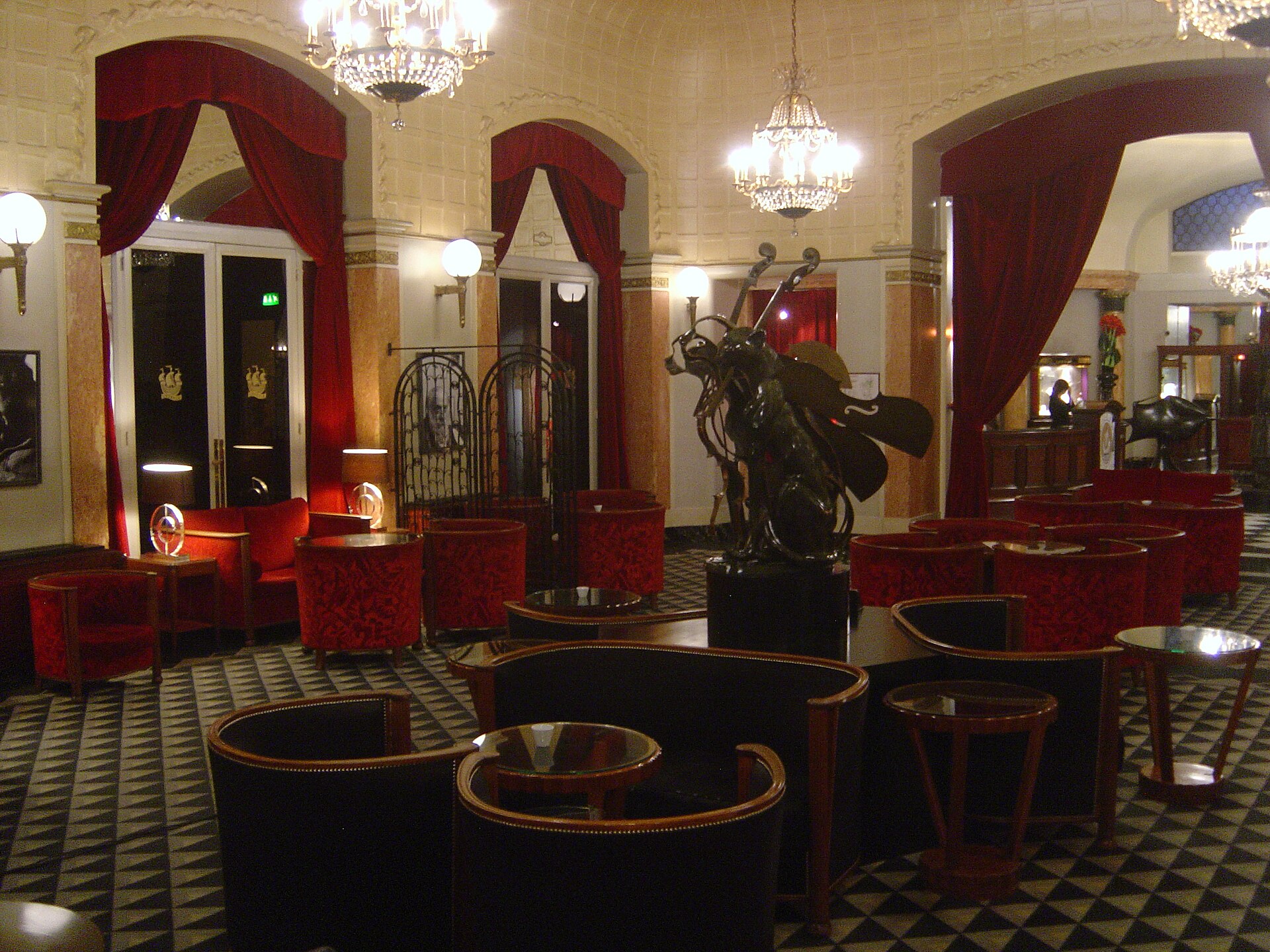
The darkest transformation
German forces occupied Paris on 14 June 1940. Five days later, the Abwehr—the German military intelligence service—installed operations in Hôtel Lutetia. The “Dienststelle Lutetia” was directed by Colonel Friedrich Rudolph. Counter-intelligence specialists processed information seized across France; that intelligence helped organise surveillance, raids and arrests of Resistance members. The last German personnel left in mid-August 1944, shortly before the liberation of Paris.
This period cannot be softened into a vague phrase such as “the hotel was requisitioned.” The building was part of the machinery of occupation. That fact is central to its story.
IF THESE WALLS COULD TALK: the lists in the corridor
In April 1945 the hotel changed purpose with extraordinary speed. Resistance veterans André Weil, Maxime Bloch-Mascart and Marie-Hélène Lefaucheux pressed General de Gaulle’s government for a dedicated centre for people returning from the concentration camps. Gare d’Orsay could receive prisoners of war and forced labourers, but it was ill-equipped for deportees arriving exhausted, ill and often without papers.
The Lutetia reception and control centre opened on 19 April. Returnees were disinfected, medically examined and interviewed so their identities could be confirmed; the gravely ill were transferred to hospital. Volunteers found food and clothing, telephoned families and offered rooms until people were strong enough to leave. The kitchens sometimes served 5,000 meals in a day. In May, 426 children from Buchenwald arrived.
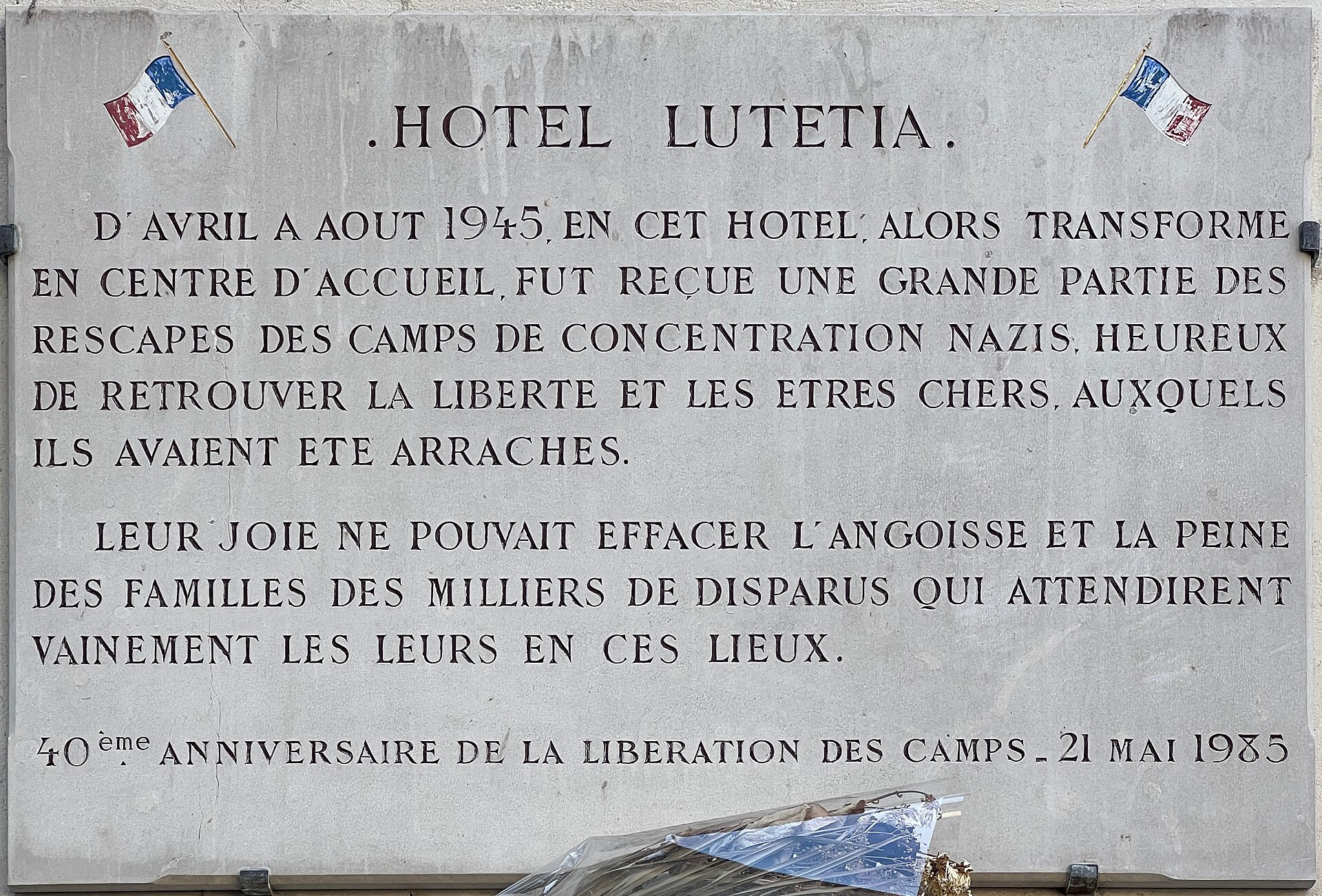
Outside and in the ground-floor corridor, relatives waited with photographs. Search notices and names were pinned to boards. Every published list could produce joy, a mistaken identity or the final recognition that someone would not come home. France’s Ministry of the Armed Forces estimates that between 17,000 and 20,000 people passed through the Lutetia—slightly more than one deportee in three—before the centre closed at the end of August 1945.
The most powerful story in these walls is therefore not a glamorous anecdote. It is the reversal itself: rooms used by an intelligence service that hunted resisters became rooms in which survivors rested and families searched for them. A memorial plaque on the façade keeps that passage in public view.
Culture returns—and the hotel begins to age
After the war, the Lutetia recovered its role in Left Bank culture. Jazz, publishing dinners, fashion and cinema returned. Sonia Rykiel reshaped parts of the interiors in the 1970s; artists including César and Arman left their mark. By the time the hotel closed for renovation in 2014, 280 works of art had been catalogued.
But accumulated layers also concealed the original building. Historic frescoes disappeared beneath coats of paint, circulation became compromised and the room plan belonged to another era. Charm alone could no longer solve the practical needs of a contemporary Paris Palace.
The four-year restoration: recovering what survived
The owners entrusted Jean-Michel Wilmotte with a complete transformation, working with Perrot & Richard on the protected fabric and specialist craftspeople on frescoes, glass, mosaics and sculpture. The hotel closed in 2014 and reopened in 2018.
The number of rooms and suites fell from 233 to 184, allowing larger accommodation and new suite configurations. The ground floor was re-planned around daylight; a new internal courtyard linked Le Saint-Germain, the library and Bar Joséphine. In the former Salon Borghèse, restorers uncovered floral frescoes beneath dozens of layers of paint. Their conservation required about 17,000 hours of work. The brasserie regained its original double-height volume.
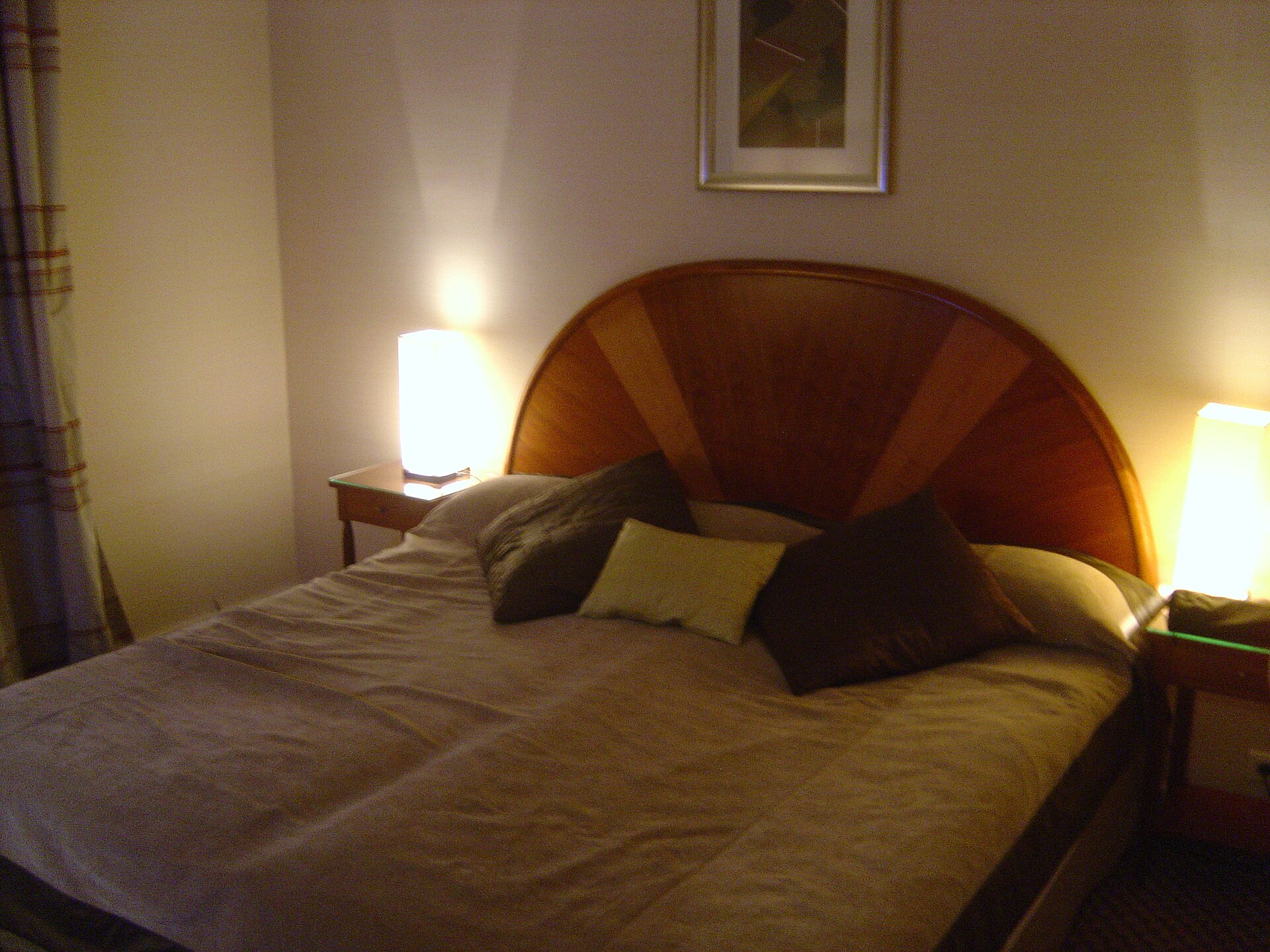
Wilmotte chose polished eucalyptus, bronze, stone and Statuario marble, using the dark gleam of ocean-liner corridors as a counterpoint to pale bedrooms. Old and new were not blended into anonymity: the project lets a visitor see where 1910 ends and a contemporary interpretation begins.
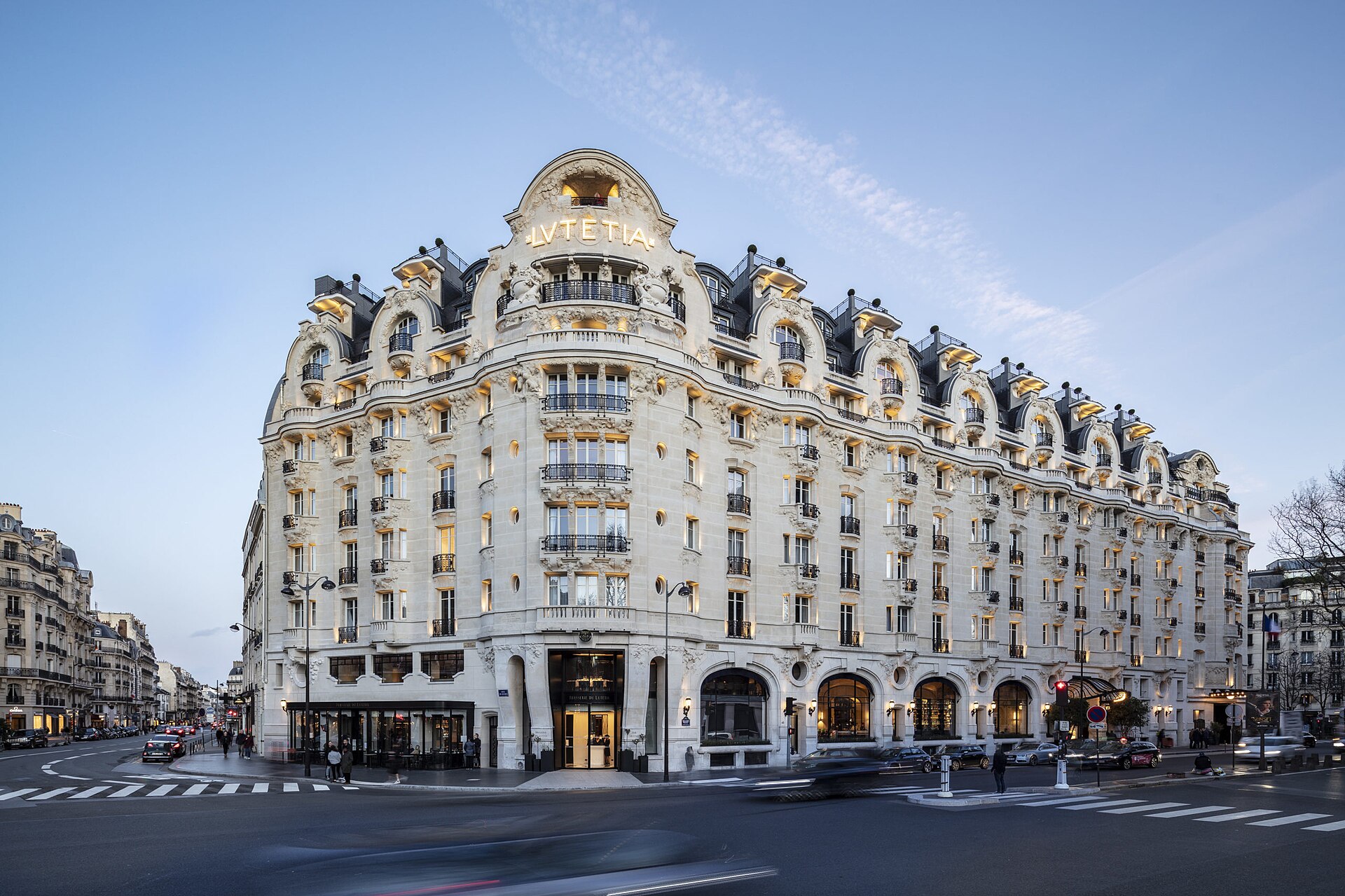
The Lutetia today
Mandarin Oriental assumed management on 3 April 2025; the Akirov family remains the documented owner. Now branded Mandarin Oriental Lutetia, Paris, it is the only hotel with France’s official Palace distinction on the Left Bank. The collection comprises 184 rooms and suites, including signature accommodations connected to Josephine Baker, Isabelle Huppert and Francis Ford Coppola, plus panoramic penthouses.
Brasserie Lutetia remains the public-facing dining room at the street corner. Bar Joséphine sits beneath the restored historic frescoes; Le Saint-Germain is lit through a painted glass canopy by Fabrice Hyber; Bar Aristide turns toward the Left Bank’s jazz memory. The 700-square-metre spa includes a 17-metre indoor pool, hammam, sauna, hydrotherapy and treatment rooms.
Those amenities explain the palace classification. They do not explain the emotional weight of the address. That comes from the building’s refusal to have a single identity.
Why travellers still choose it
Travellers choose the Lutetia because it gives them a different map of luxury Paris. This is not the ceremonial Right Bank of place Vendôme or avenue Montaigne. It is the Left Bank of Le Bon Marché, publishers, galleries, cafés and streets that invite walking. The hotel offers palace-level service without severing itself from neighbourhood life.
They also choose it for architecture with visible character, large modernised rooms, destination bars and a spa substantial enough to change the rhythm of a city stay. But the deepest reason is continuity. The façade that welcomed shoppers in 1910 has witnessed exile, occupation, return, artistic reinvention and meticulous restoration. The Lutetia is not important because nothing happened to it. It is important because so much did.
Practical location
Address: 45 boulevard Raspail, 75006 Paris, France.
District: Saint-Germain-des-Prés / Notre-Dame-des-Champs, 6th arrondissement, opposite Le Bon Marché.
Nearest Métro: Sèvres–Babylone, Lines 10 and 12.
Best for: travellers who want a historic Paris Palace on the Left Bank, close to galleries, bookshops, cafés and the Luxembourg Garden.
From the story to the front door
The Lutetia belongs to a part of Paris best entered without hurry. If this story has put the Left Bank on your itinerary, OUISTARS can arrange the practical chapter, from an airport welcome to a private chauffeured arrival on boulevard Raspail, so Paris begins before the hotel doors.
Watch: the modern Lutetia in motion
Official Hôtel Lutetia film, hosted on YouTube and embedded from the publisher; not downloaded or rehosted.
Editorial independence: This story was selected and produced independently by oui stars Travel. It does not imply sponsorship, partnership, a complimentary stay or endorsement. The OUISTARS planning link is a reader service and did not influence the hotel selection or reporting.
Research note: Key facts were checked against the French Ministry of Culture heritage record, the Ministry of the Armed Forces history of the 1945 reception centre, a Franco-German historical dossier, the hotel’s restoration documentation and current Mandarin Oriental facts. Image licences are stated in every caption.
Continue the Paris season: Hôtel de Crillon · Ritz Paris · Four Seasons Hotel George V
Osama Samaha
Editor-in-Chief — oui stars Travel



[…] Continue the Paris season: Hôtel de Crillon · Ritz Paris · Four Seasons Hotel George V · Hôtel Lutetia […]