








Those Who Built Paris — Episode 1
He saved monuments from ruin, completed others through daring imagination, and made a nineteenth-century spire feel eternal. After the fire, France chose his Notre-Dame all over again.
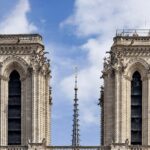
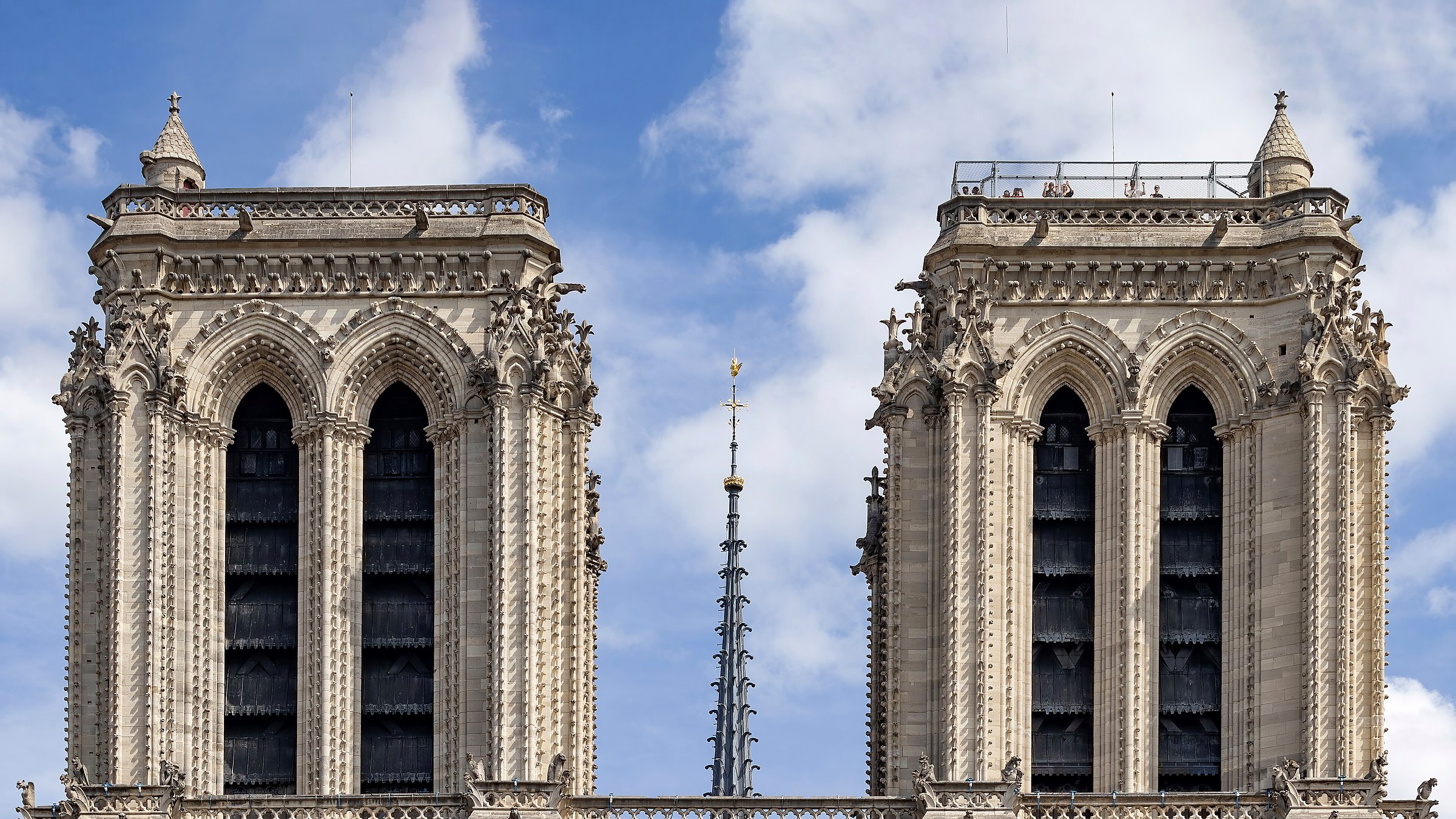
The restored west towers frame the rebuilt spire in July 2026: France chose to recover the nineteenth-century silhouette it once debated. Notre-Dame de Paris — I.Mahesh, 20 July 2026, CC BY-SA 4.0, via Wikimedia Commons. Faithful 16:9 crop, tonal balancing and conservative sharpening by OUISTARS Travel; no object, sky or architectural alteration. Image source · Licence: CC BY-SA 4.0.
The spire the world watched fall
At 7:50 p.m. on 15 April 2019, the silhouette of Paris changed. Notre-Dame’s burning spire leaned with unbearable slowness and disappeared through the cathedral roof. Millions watched as though the Middle Ages were vanishing before their eyes.
But the spire was not medieval. It had been designed in the nineteenth century by Eugène Viollet-le-Duc.
That does not make the loss less authentic. It makes it more revealing. Viollet-le-Duc created something so persuasive that France absorbed it into its oldest memory—proof that restoration can become creation and, given time, heritage.
The fire reopened the question that followed him for more than a century: should a damaged monument be preserved as history left it, or returned to an ideal state? On 9 July 2020, France chose Notre-Dame’s pre-fire silhouette. His controversial vision had become history worth protecting.
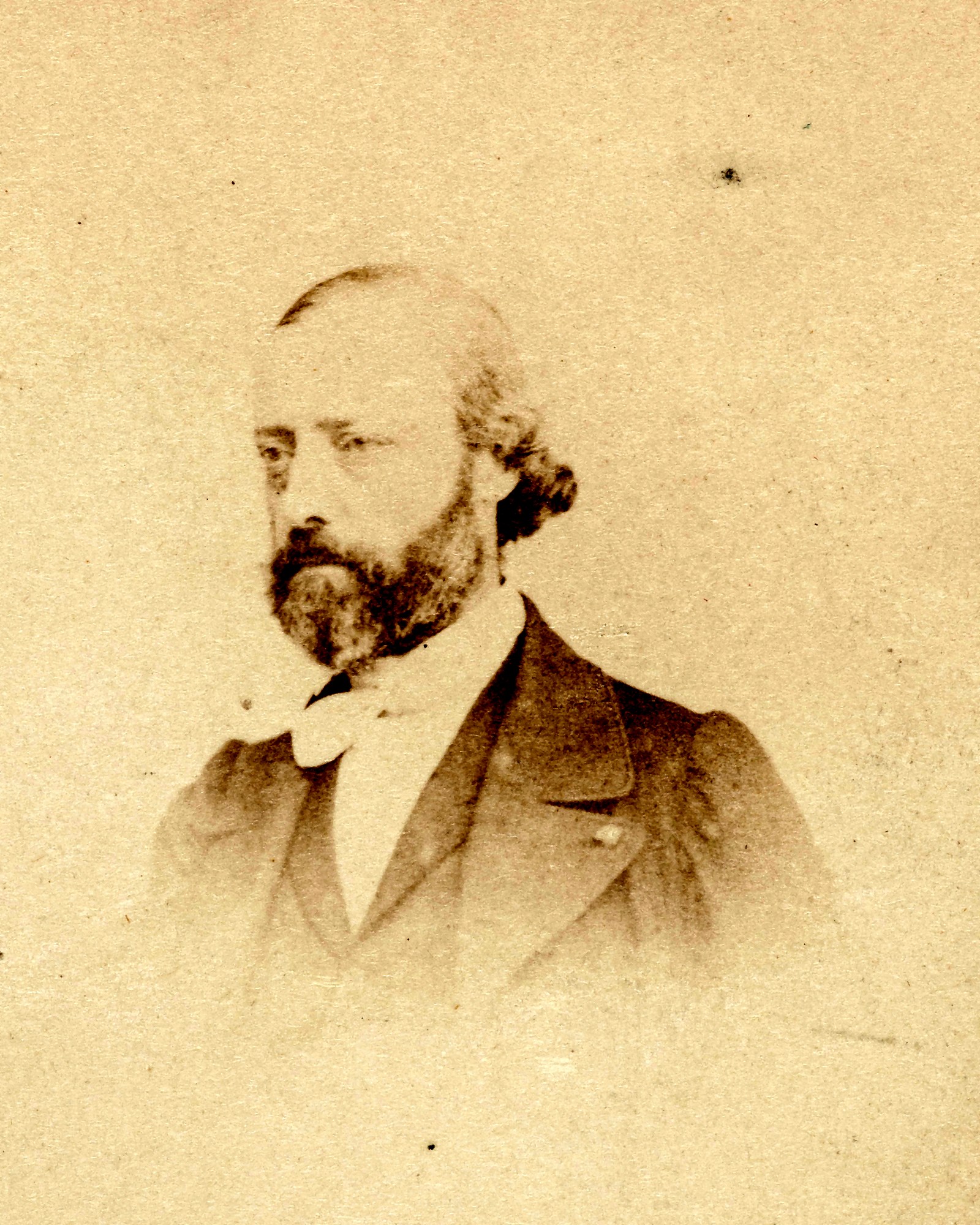
The self-taught architect who learned by looking
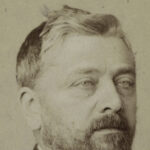
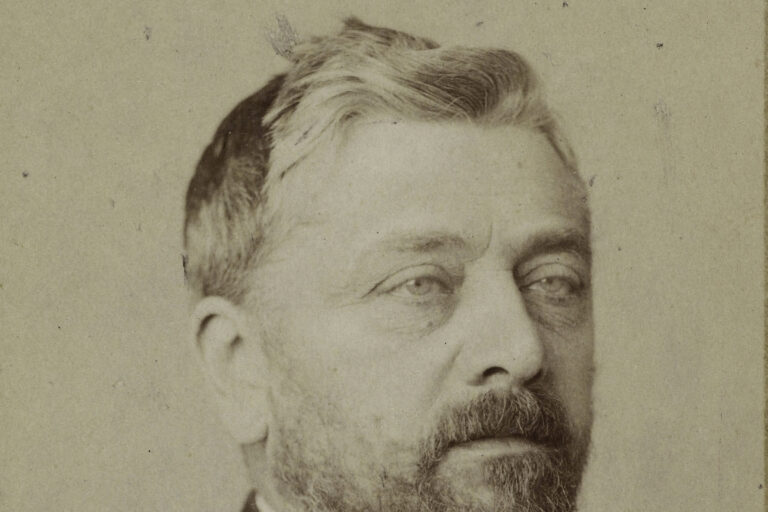
Born in Paris on 27 January 1814, Eugène-Emmanuel Viollet-le-Duc rejected the conventional route through the École des Beaux-Arts and its inherited classical formulas. Between 1831 and 1836, travel through France and Italy became his education: he sketched, measured and studied buildings at close range.
His drawings were investigations. A vault or timber frame recorded forces in balance; an irregular wall preserved centuries of decisions. He read monuments as living systems, not frozen images.
France needed that kind of reader. Revolution, neglect and weather had left major monuments in peril, just as a national concern for patrimony was emerging. In 1840, inspector Prosper Mérimée entrusted the 26-year-old with the endangered basilica of Vézelay. It launched the career of nineteenth-century France’s defining—and most disputed—restorer.
Notre-Dame: when rescue became authorship
By the 1840s, Notre-Dame bore the scars of neglect and revolutionary damage. Sculptures were destroyed, its old spire gone and parts of the fabric in urgent need.
Viollet-le-Duc and Jean-Baptiste Lassus submitted their restoration project in 1843, won the competition in 1844 and began work in 1845. The partnership matters: it would be inaccurate to credit the cathedral’s entire nineteenth-century transformation to one man. After Lassus died in 1857, however, Viollet-le-Duc continued alone. The cathedral was rededicated on 31 May 1864, though finishing work carried on afterward.
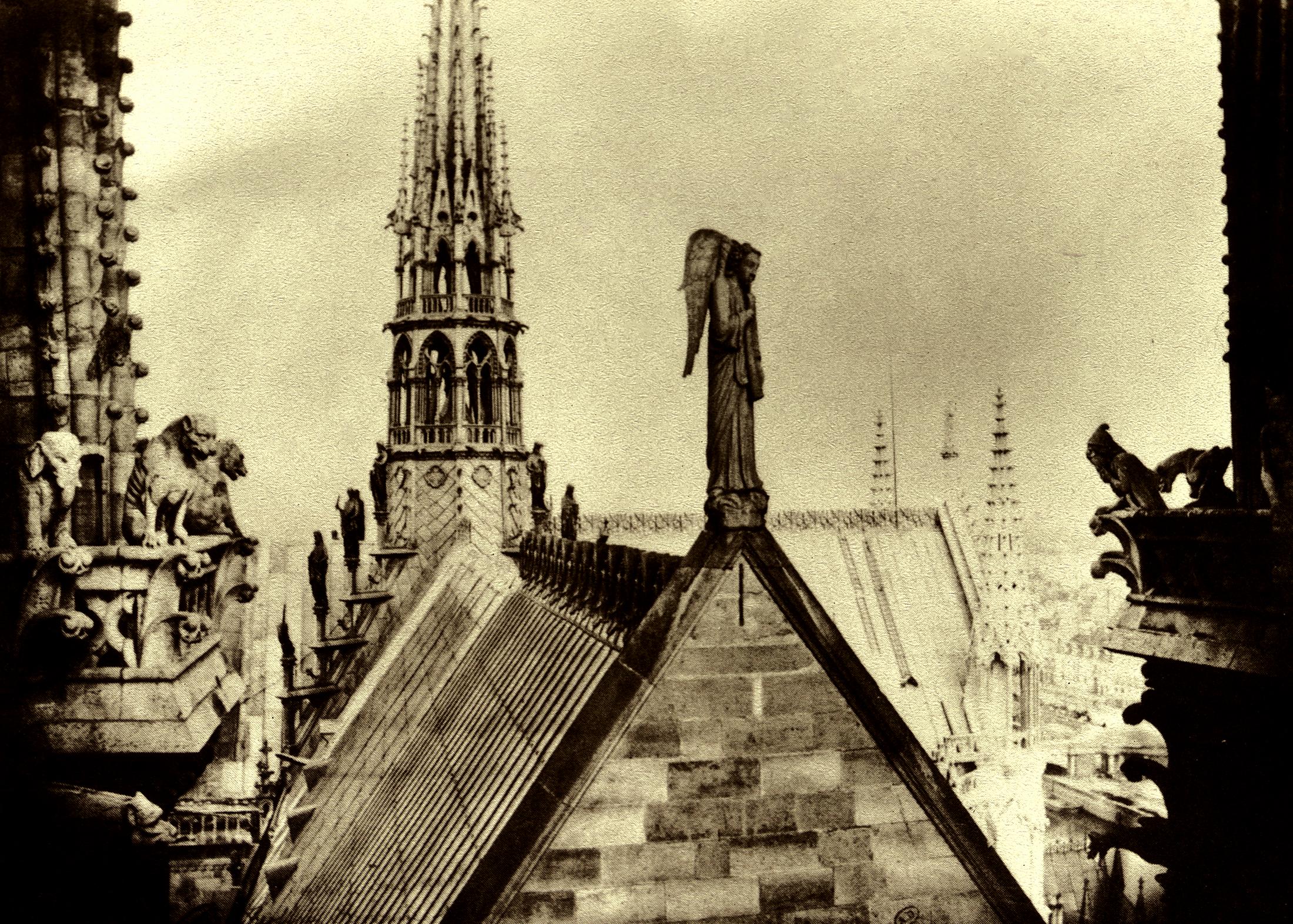
The project repaired masonry and sculpture, revived the gallery of kings and reshaped the cathedral’s appearance. Its commanding addition was a 96-metre crossing spire, built around roughly 500 tonnes of timber and sheathed with about 250 tonnes of lead. Sixteen copper apostles and evangelists stood around its base.
One figure disclosed the architect’s relationship to his work. Saint Thomas—the patron of architects—was given Viollet-le-Duc’s features. While the other apostles faced outward over Paris, Thomas turned back toward the spire, holding a ruler inscribed with the architect’s name. It was a signature, a self-portrait and perhaps a moment of doubt rendered in copper.
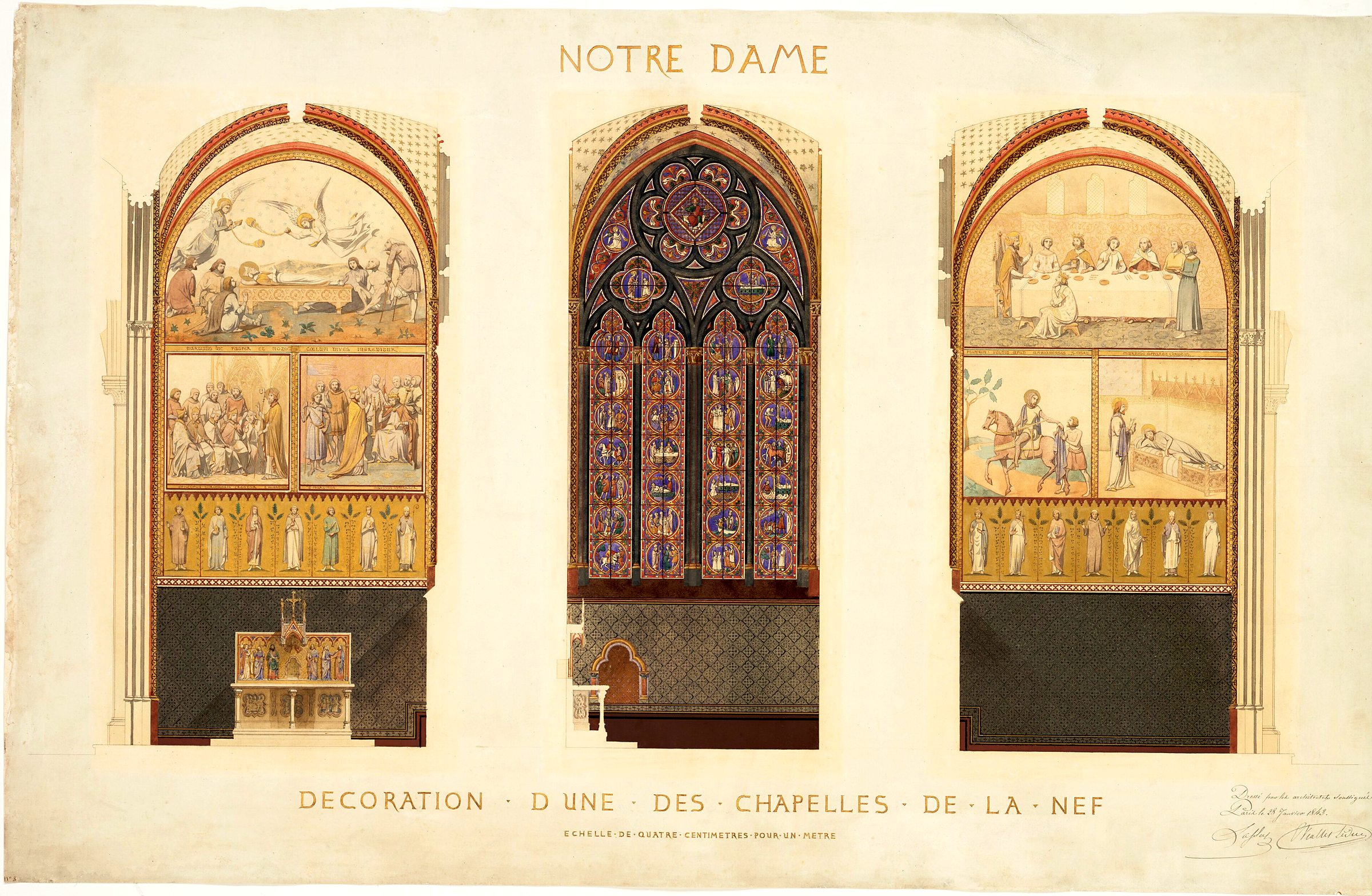
A radical definition of restoration
Viollet-le-Duc’s fame rests as much on an idea as on a building. In his Dictionnaire raisonné de l’architecture française, he argued that restoring a structure did not merely mean maintaining or repairing it. Restoration could establish a complete state that might never have existed at any single moment.
That sentence is both the source of his power and the charge against him.
He was not casually inventing picturesque ruins. Gothic architecture, he believed, had an intelligible logic: loads, materials, structure and use formed a rational whole. Understand that system deeply enough and an architect could infer how an incomplete monument ought to be finished. Fidelity meant loyalty to its governing principle, not every accident of time.
The danger is clear. Who decides which period expresses the “true” monument? His method saved fragile structures with technical intelligence, but privileged the restorer’s judgement over ambiguous evidence.
The reconstructed spire is a twenty-first-century structure reproducing a nineteenth-century design long understood as medieval. Its authenticity lies less in a single date than in a silhouette, a craft tradition and shared attachment.
Monsters above Paris
Notre-Dame’s famous chimeras sharpen the paradox. Often mistaken for medieval gargoyles, these brooding creatures belong to the nineteenth-century restoration. Gargoyles are waterspouts; chimeras are imaginative guardians. More than fifty were placed around the towers—the current official inventory counts 54—creating a stone population now inseparable from the cathedral.
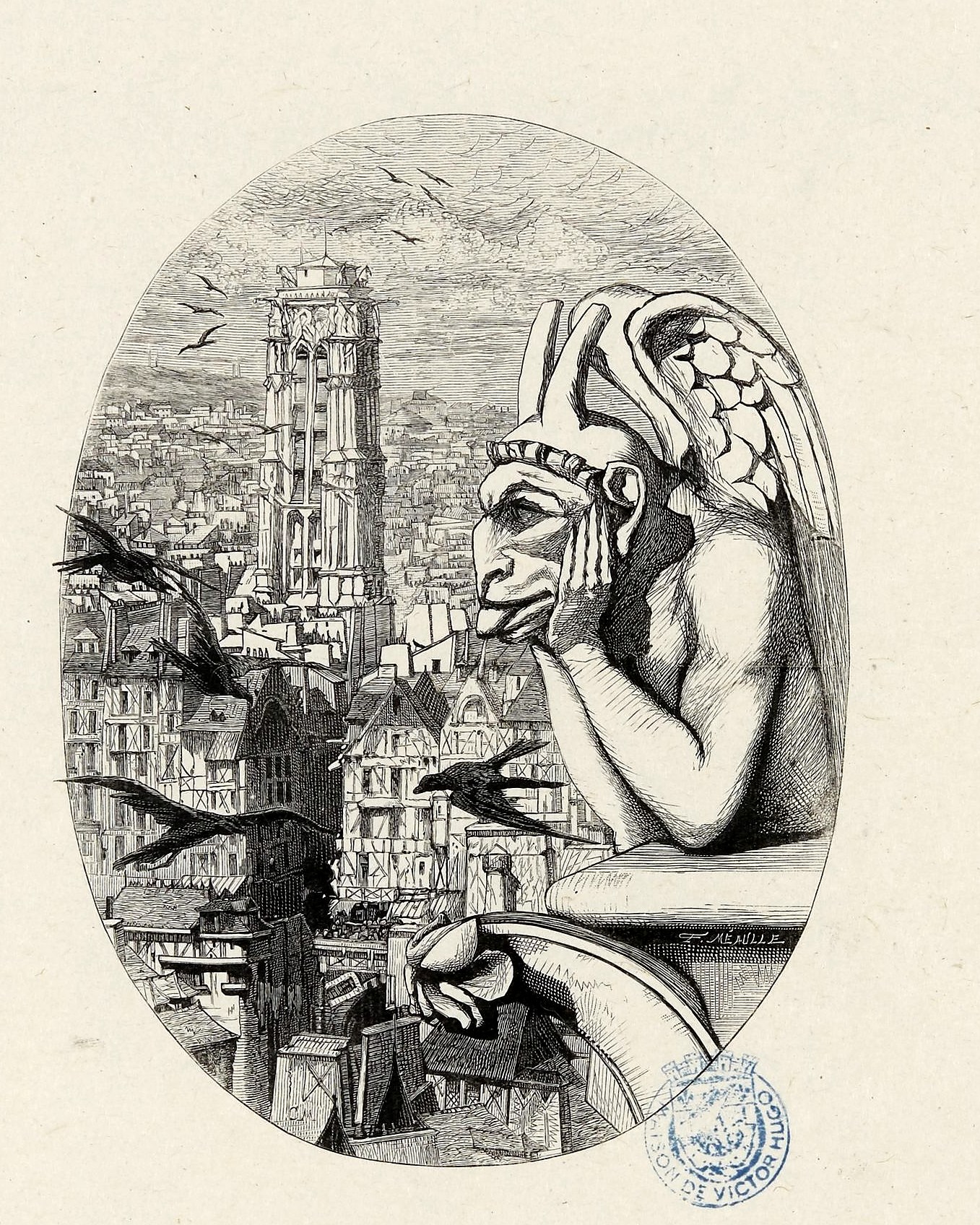
The pensive Stryge, head in hands above modern Paris, became one of France’s most reproduced “medieval” images—proof that an addition can alter how an entire era is pictured.
Sainte-Chapelle: the laboratory of colour
Sainte-Chapelle offered another demanding test. Viollet-le-Duc worked there with Félix Duban and Lassus, not as a solitary author, to recover the radiance of a royal chapel that seems to dissolve into stained glass.
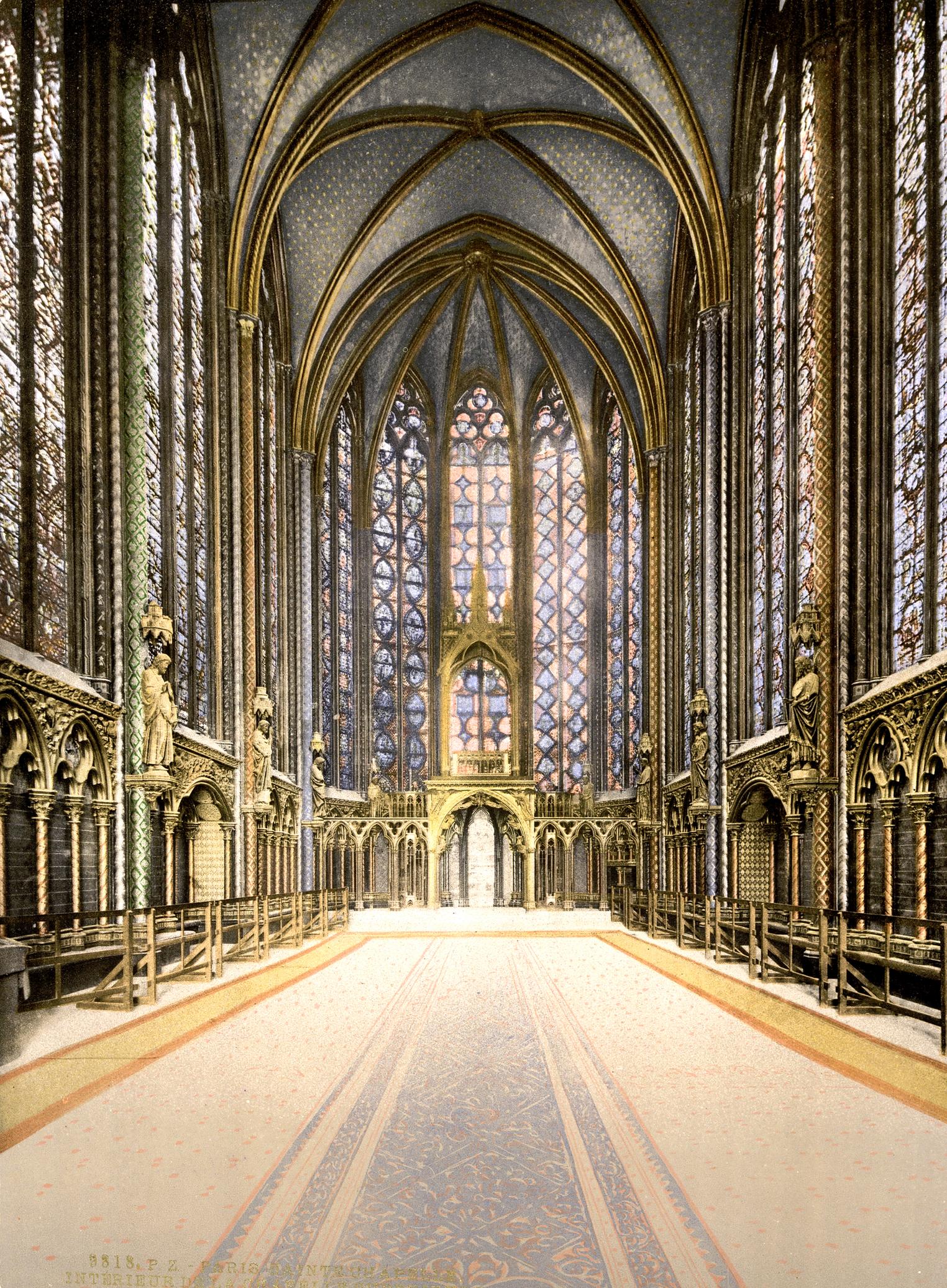
The campaign restored sculpture, polychromy and detail through archaeological study, yet recovering colour required interpretation where evidence was partial. Today’s chapel is both a thirteenth-century masterpiece and a record of how the nineteenth century staged the Middle Ages.
Pierrefonds: the Middle Ages as imperial dream
The Château de Pierrefonds offered a larger imaginative field. Dismantled in the seventeenth century, it remained a spectacular ruin until Napoleon III’s project expanded from selective conservation into an ideal castle.
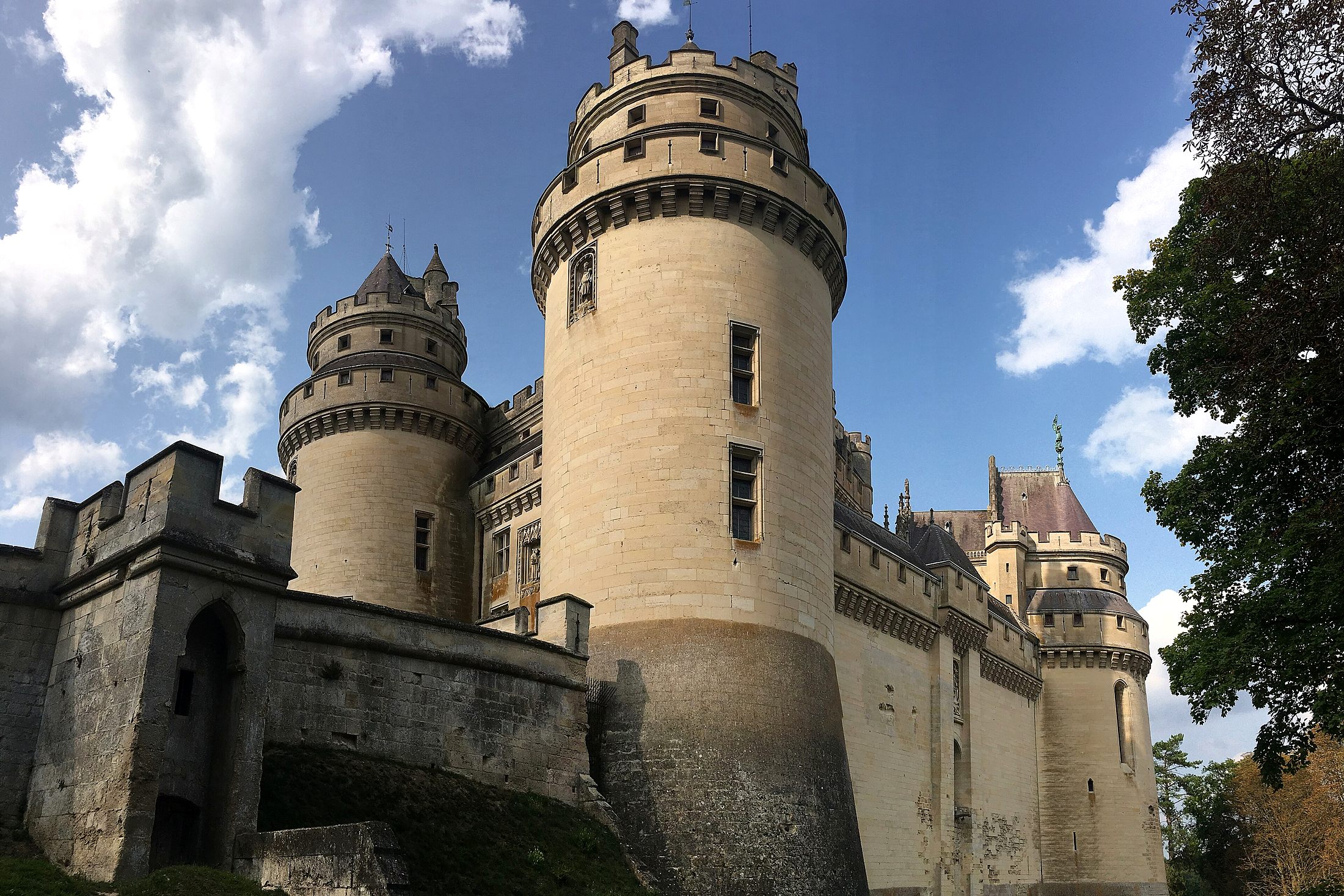
Pierrefonds fuses archaeology, modern construction and imperial theatre. Defensive forms become drama; interiors unfold in colour, heraldry and sculptural fantasy. It is no neutral return to one historical state, but a learned proposition about what a medieval castle could have been.
Visitors can feel his method’s seduction before judging it: too informed to dismiss as fantasy, too inventive to mistake for untouched history.
Carcassonne: authenticity on trial
At the fortified city of Carcassonne, Viollet-le-Duc confronted a vast defensive ensemble threatened by decay and demolition. His work helped preserve a place that might otherwise have been profoundly diminished. It also generated one of restoration history’s most durable controversies.
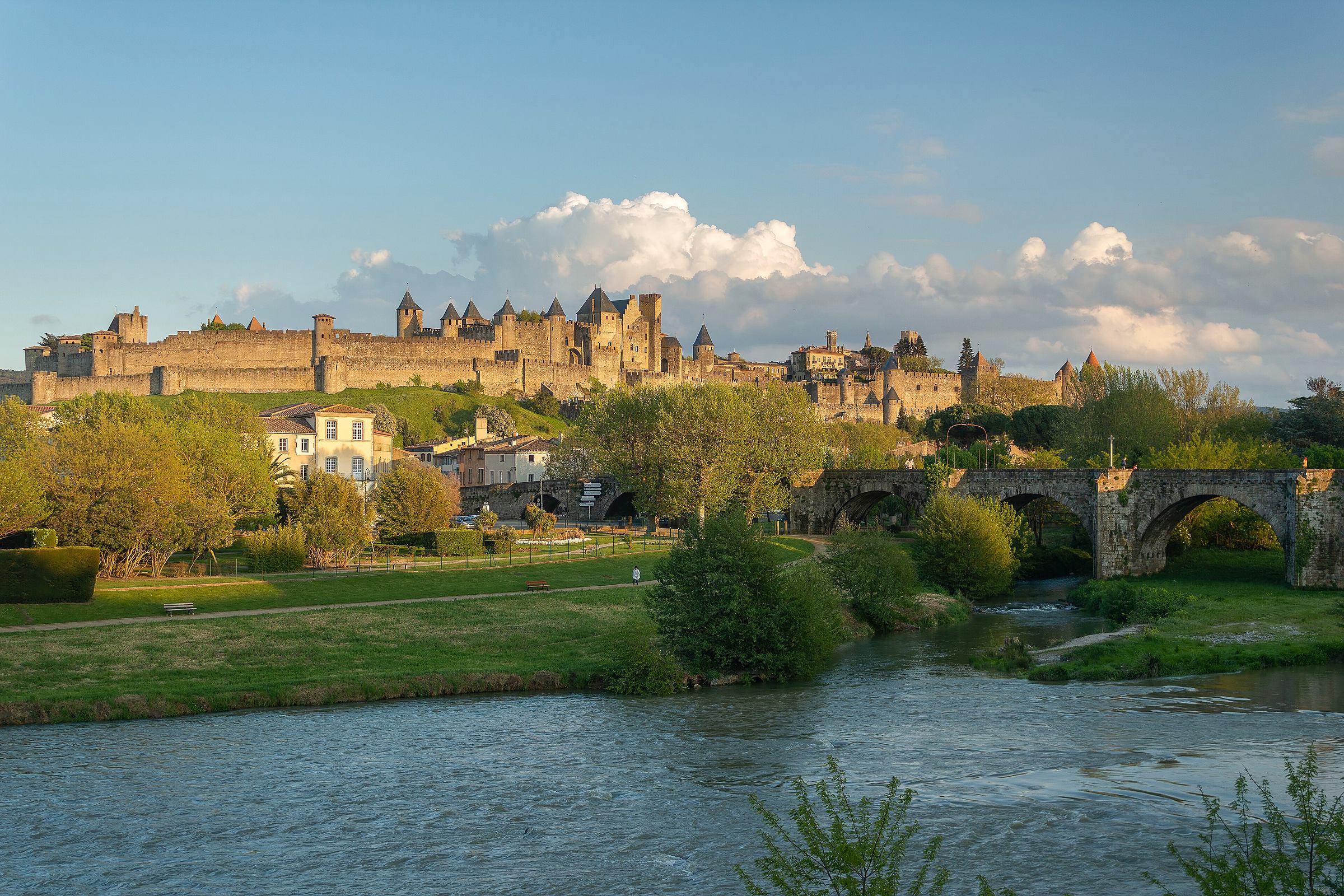
From 1872, critics argued that steep slate roofs imposed northern models on Languedoc. Later research complicated the claim: evidence for steep coverings existed. The sharper critique is that Viollet-le-Duc consolidated varied historical layers into one legible fortified city, and its coherence changed the evidence it sought to recover.
UNESCO holds both truths together: the medieval ensemble is outstanding and the nineteenth-century campaign historically significant, while roof and crowning interventions affected medieval authenticity. Carcassonne is where preservation and reinterpretation became inseparable.
The engineer inside the medievalist
His romantic reputation can obscure his modernity. Gothic building mattered not because it was quaint, but because it revealed a rigorous structural system. Materials and forces should be visible; form, function and construction belonged together.
His drawings and theories influenced architects escaping academic imitation, from structural rationalism into Art Nouveau and modernism. Auguste Perret and Antoni Gaudí worked in a world his ideas had helped reshape.
He even imagined iron-framed forms rather than dressing modernity forever in medieval costume. He looked backward to extract principles for the future.
The ideas that cannot be excused
Admiration for his architectural intelligence must not turn into hagiography. Research documented by France’s Institut national d’histoire de l’art shows that, particularly after 1860, Viollet-le-Duc adopted racial theories and pseudo-scientific hierarchies, influenced in part by Arthur de Gobineau. He attempted to connect artistic and architectural development to supposed racial characteristics. These claims were not harmless period ornament; they belonged to an ideology used to rank human groups and naturalise inequality.
This record neither erases the monuments nor reduces the man to one verdict. It prevents aesthetic achievement shielding historical truth: his legacy includes both transformative brilliance and prejudice.
From Viollet-le-Duc to the Venice Charter
The 1964 Venice Charter moved away from such confidence in stylistic completion, stressing authentic material, contributions from different periods and distinguishable new work. The restorer should transmit evidence, not complete a presumed ideal.
Yet every intervention chooses what to stabilise, reveal, remove or foreground. Viollet-le-Duc remains uncomfortable because he made that authorship conspicuous.
The 2019 fire made philosophy a national decision. Against proposals for a contemporary gesture, France chose the cathedral’s last complete pre-fire state. It did not prove Viollet-le-Duc “right”; it showed that his intervention had accumulated meaning a replacement could not simply supersede.
For the full chronology of the disaster and reconstruction, read OUISTARS Travel’s Notre-Dame fire, restoration and reopening guide. To compare another Paris monument where architecture became national spectacle, continue with our story of the Palais Garnier.
High above the cathedral roof, Saint Thomas once again turns toward the rebuilt spire. The face is Viollet-le-Duc’s, but the question belongs to us: when we restore a monument, are we recovering the past—or choosing which past the future will remember?
Where to see his work
The following practical details were checked on 8 October 2026. Monument operations, security restrictions and weather closures can change, so confirm on the official site before travelling.
Notre-Dame de Paris
6 Parvis Notre-Dame–Place Jean-Paul II, 75004 Paris — map. Entry to the cathedral interior is free. At the time of verification, opening hours were Monday to Wednesday and Friday, 7:50 a.m.–7 p.m.; Thursday, 7:50 a.m.–10 p.m.; Saturday and Sunday, 8:15 a.m.–7:30 p.m. A free reservation may reduce waiting, but it is optional; avoid unofficial sellers advertising paid “skip-the-line” cathedral access.
The towers use a separate entrance. From October to March, published hours were 9 a.m.–5:30 p.m. A timed €16 e-ticket was mandatory. Expect 424 steps and no lift; weather or operational conditions can close the route.
Sainte-Chapelle
10 Boulevard du Palais, 75001 Paris — map. From October to March, published hours were 9 a.m.–5 p.m. Secure a timed slot through the official ticket office and recheck current conditions. The chapel lies inside the Palais de Justice security perimeter, so allow extra time for checks and bring only what you need.
Château de Pierrefonds
Rue Viollet-le-Duc, 60350 Pierrefonds — map. From September to April, published hours were 10 a.m.–5:30 p.m.; standard admission was €9. The Salle des Preuses was closed during restoration at the time of verification, with an interpretive model available. The journey from Paris rewards a half-day or longer: the approach through the village is part of the drama.
Cité de Carcassonne
1 Rue Viollet-le-Duc, 11000 Carcassonne — map. From October to March, the château and ramparts were open 9:30 a.m.–5 p.m.; standard admission was €13. Allow around two hours and avoid the final entry slot if you want to read the fortifications rather than simply cross them.
Cité de l’architecture et du patrimoine
1 Place du Trocadéro et du 11-Novembre, 75116 Paris — map. Open 11 a.m.–7 p.m., closed Tuesday, with late opening Thursday until 9 p.m. The collection offers the best concentrated route into Viollet-le-Duc’s thinking, including an 1843 model of Notre-Dame before restoration and an 1859 model of the spire’s timber frame.
Why he still shapes the Paris we see
Viollet-le-Duc did not merely repair old France. He helped teach the modern state that monuments required expertise, documentation, funding and public responsibility. He made restoration intellectually ambitious—and left later generations to manage the consequences of that ambition.
His greatest works resist the comfort of purity. Notre-Dame is medieval and nineteenth-century, original and reconstructed, sacred fabric and national image. Carcassonne is a surviving fortified city and a powerful restoration-era composition. Pierrefonds is ruin, scholarship and dream. Their contradictions are not flaws in the story; they are the story.
Perhaps that is why the rebuilt spire matters so much. It does not return Paris to an untouched past, because no such past exists. It restores a landmark created by one century, loved by another, destroyed in a third and rebuilt for those still to come.
Share the story: #ViolletLeDuc #NotreDameDeParis #ParisArchitecture #FrenchHeritage #GothicArchitecture #CulturalTravel #VisitParis #PeopleWhoBuiltParis #OuiStarsTravel
Sources and fact-checking
- French Ministry of Culture: Eugène Viollet-le-Duc, an artist in his time — chronology, works and cultural context.
- Notre-Dame de Paris: the spire and the nineteenth-century restoration — dimensions, sculpture and project history.
- Institut national d’histoire de l’art: critical profile of Viollet-le-Duc — theory, writings and the racial pseudo-science in his later historical system.
- Cité de l’architecture et du patrimoine: Viollet-le-Duc — structural rationalism, influence and museum legacy.
- Centre des monuments nationaux: Château de Pierrefonds history — the imperial commission and the project’s expansion.
- French Ministry of Culture: the Carcassonne controversy and UNESCO’s Carcassonne record — the roof debate, authenticity and world-heritage value.
- ICOMOS: the 1964 Venice Charter — later conservation principles concerning historic layers and distinguishable additions.
- Official visitor information: Notre-Dame interior, Notre-Dame towers, Sainte-Chapelle, Pierrefonds, Carcassonne ramparts and the Cité de l’architecture.
OUISTARS Travel checked names, dates and attributions through authoritative institutional records available on 8 October 2026. Prices and opening hours are operational information and should be reconfirmed before a visit.