








Editorial analysis · Updated: 15 October 2026, Paris time
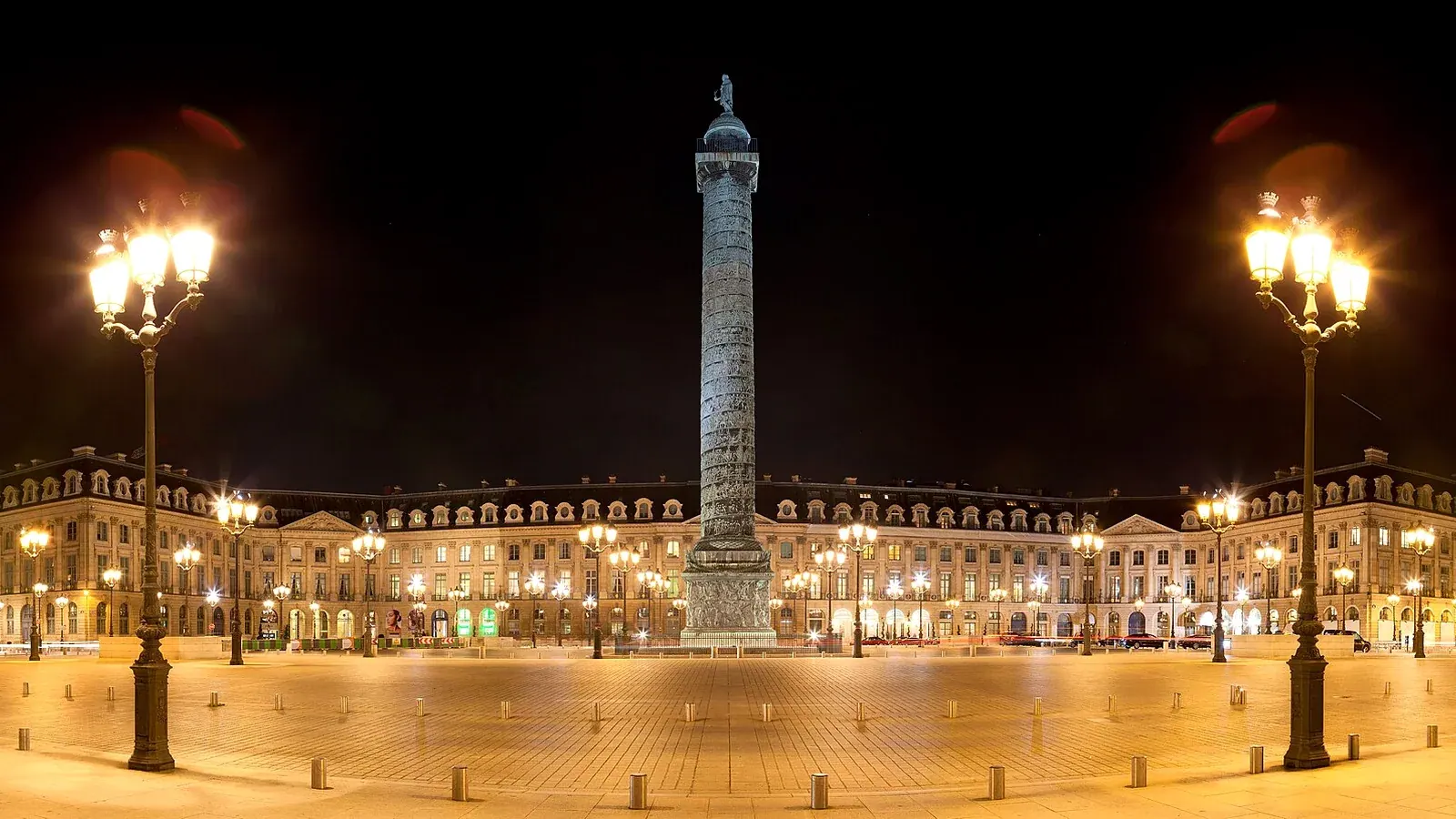
Opening photograph: Place Vendôme illuminated at night in Paris. Photo: Dimitri Destugues — CC BY-SA 3.0. Source and licence: https://commons.wikimedia.org/wiki/File:Place_Vend%C3%B4me_-_Panorama.jpg
Paris sells the dream of a palace hotel, a couture appointment and a memorable dinner. The harder promise is the journey between them. A beautiful suite cannot shorten an airport queue, supply a missing station lift or resolve a failed restaurant reservation. Those ordinary moments help decide whether an expensive trip feels worth its price.
This distinction matters because Paris is no longer judged only against Rome and London. Premium travellers compare its end-to-end delivery with Tokyo, Singapore, Dubai, Geneva and private resorts. Paris owns cultural density and emotional authority that competitors cannot copy. It does not automatically own convenience, accessibility or calm.
A record market sets a higher bar
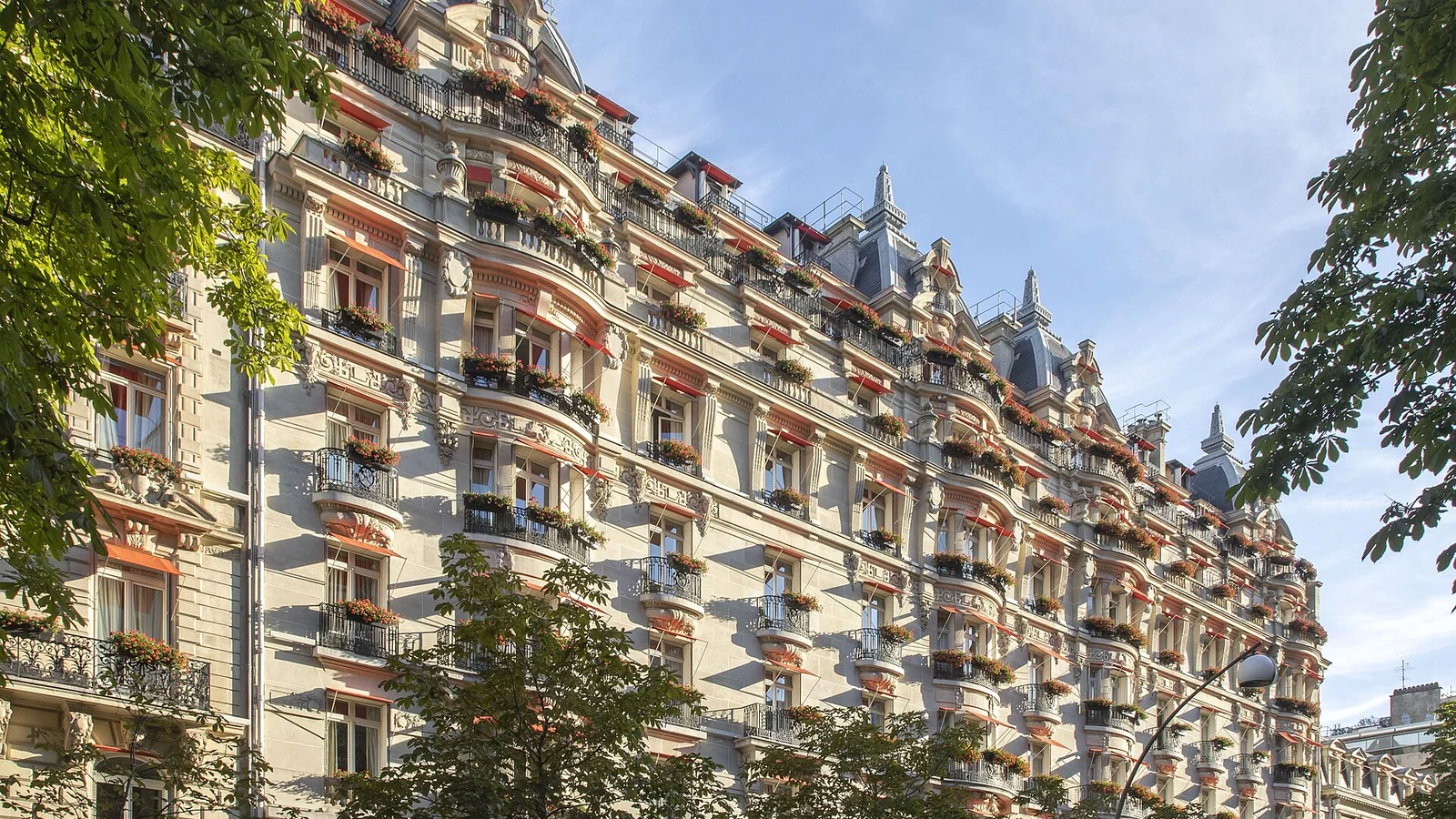
Fact: Paris Region welcomed nearly 50 million visitors in 2025, including more than 23 million international travellers. Tourism generated almost €24 billion, a regional record, and international visitors contributed nearly €16 billion. In the first half of 2026, spending reached €11.8 billion, 4% above the previous year and 17% above 2019.
The city therefore has no demand crisis. It has a value-delivery test. When a destination charges at the top of the market and attracts high-contribution visitors, ordinary failures become more expensive. A lost bag, inaccessible route or dishonest transfer does not merely irritate one guest; it weakens the pricing power of the entire destination.
The appeal is easy to understand. Museums, fashion houses, auction rooms, restaurants and distinctive hotels give visitors reasons to cross the city. That concentration of experiences is an asset; the ability to move comfortably between them determines how much of it a guest can enjoy.
Luxury is now a chain, not a room category
A five-star room cannot guarantee a well-run journey. Guests also need accurate arrival instructions, reliable reservations, privacy and someone who takes responsibility when plans change. The test is practical: can the hotel explain the station exit, confirm the meeting point and offer a workable alternative when the original arrangement fails?
Analysis: Paris excels where scarcity and expertise are controlled by a house: a couture fitting, a chef’s tasting menu, a museum after-hours visit, a specialist guide. It is less consistent where public and private systems meet: airport to city, hotel to taxi, pavement to doorway, tax-refund desk to airline gate.
This is the same economic boundary behind France’s global luxury machine. Brands can control their boutiques. They cannot alone clean the street, police a station, provide an accessible metro network or prevent a strike.
The hotel can no longer hide the city
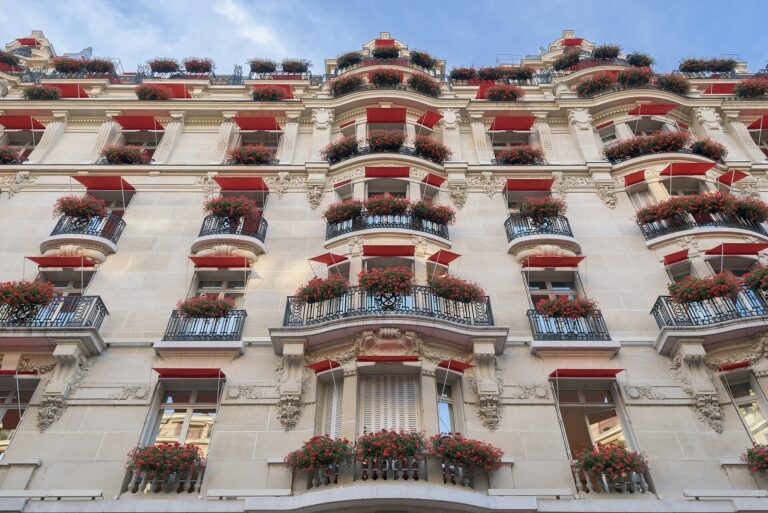
Paris’s palace hotels and renovated landmarks have raised the private standard. The Ritz Paris, Le Bristol, Hôtel de Crillon, Cheval Blanc Paris, La Réserve, Four Seasons George V and Hôtel Plaza Athénée compete through design, gastronomy, wellness and highly personalised service. International groups and French operators continue to invest because demand supports premium rates.
Yet the hotel bubble is porous. Guests want to walk, shop, see art and eat across the city. A concierge can arrange a car, but an experience based entirely on insulation forfeits the reason to choose Paris. True urban luxury should make the city legible and enjoyable, not require permanent protection from it.
The investment opportunity is therefore not only more suites. It is the interface: trained drivers, luggage handling, accessible routes, trustworthy booking, street-level hospitality and rapid problem resolution.
Arrival: improvement without seamlessness
The extension of Metro line 14 transformed Orly access. Île-de-France Mobilités says Châtelet–Les Halles is about 25 minutes from the airport, the line is fully accessible and more than 25,000 passengers used the airport extension daily before Orlybus closed in March 2025. This is public infrastructure improving the premium and mass-market journey at once.
Charles de Gaulle remains more complex. The RER B is valuable but does not feel like a curated arrival for every traveller with luggage, children or reduced mobility. Road transfers are exposed to traffic and inconsistent meeting arrangements. Border control and baggage performance can vary by time and terminal.
The region’s airport investment programme therefore matters to luxury positioning, not just capacity. OUISTARS examined that question in the €8.2 billion test for Paris airports. The metric should be predictable door-to-door time and successful recovery, not marble alone.
Accessibility is a premium-service issue
Île-de-France Mobilités identifies line 14, with 21 stations, as the only Paris Metro line fully accessible from one terminus to the other, including for wheelchair users. Other accessible stations do not make an entire journey step-free: the departure station, interchange, destination and lift availability all need checking. This distinction matters before a visitor commits to a hotel or a timed booking.
The historic network creates real engineering constraints, and alternatives by bus, tram or RER exist. But the visitor experiences the gap, not the legal exception. Premium hotels and operators should provide route intelligence before arrival, verify lift status and price accessible transport transparently.
Accessibility investment produces broad returns: smoother luggage movement, easier family travel, less staff intervention and a more inclusive resident city. It is not a niche courtesy.
Cleanliness: large effort, uneven perception
The City of Paris says 6,200 field staff work on cleaning, including 5,000 collecting waste. They service 2,900 kilometres of pavement; street bins are emptied one to three times daily; around 1,600 kilometres of streets are vacuumed and washed at least weekly.
The staffing figures describe the scale of the operation, rather than a guarantee of cleanliness on every street at every hour. Nightlife, crowds, building works and individual behaviour can undo a cleaning round. For a visitor, the useful question is whether a problem near the hotel is reported and dealt with promptly.
Analysis: luxury districts need service-level management, not only citywide inputs. Measure response time, recurring hotspots, overflowing bins, graffiti removal and public-toilet availability by zone and hour. Publish results. A spotless morning avenue that deteriorates by evening has not met the visitor journey.
Safety: the data and the feeling
Crime figures need the same care as hotel ratings. The Interior Ministry’s assessment of public-transport offences in 2024 reported fewer recorded victims than in 2023. That is not a measure of every offence, and a national report cannot establish the safety of a particular Paris street or station.
The report says non-violent theft accounted for 77% of recorded victims of theft, violence and payment-related fraud in French public transport. Losing a passport or telephone can disrupt the rest of a holiday. Clear reporting instructions and help with replacement documents are therefore part of useful hospitality, alongside sensible precautions around belongings.
The policy objective is not theatrical policing. It is credible guardianship, visible assistance, rapid reporting, multilingual support, action against fake taxis and scams, and hotel protocols that help victims recover documents and travel plans.
Service culture at the price point
Parisian reserve is not bad service. Many premium travellers value discretion over scripted enthusiasm. The problem arises when discretion becomes silence, when rules are explained without alternatives, or when institutional boundaries are passed to the guest.
At high prices, the expectation is ownership of the problem. The restaurant calls back. The hotel checks the driver. The museum explains an inaccessible entrance before arrival. The boutique tracks delivery. Recovery can create more loyalty than flawless routine.
Good service begins with asking rather than guessing. A visitor may need a step-free route, adjoining rooms, a quiet arrival, a particular language or flexibility around children’s meals. Nationality is no substitute for those questions. Our reporting on American spending power examines a market; it does not prescribe what an individual guest will want.
The digital layer is part of the street
In an update published on 21 July 2026, the City of Paris described a visitor-information network involving 37 participating kiosks, a free location-based application and a telephone concierge. The telephone service operates in English and French, seven days a week from 9am to 6pm, including public holidays, on +33 1 49 52 42 81. The hours matter: seven days a week does not mean around the clock.
This is useful direction. A premium destination should make official information easier than misinformation. The next step is interoperability: real-time accessibility status, licensed transport, museum inventory, neighbourhood capacity, disruption notices and verified emergency guidance in one trustworthy layer.
Digital concierge must not replace people. It should free trained people to solve complex problems while routine information remains instant and accurate.
Does luxury require hiding inequality?
No serious assessment can ignore the contrast between expensive hotels, global flagships and visible hardship. Homelessness and poverty are not aesthetic defects to be removed for visitors. They are social conditions requiring housing, health and welfare policy.
A luxury strategy that merely displaces vulnerable people from flagship streets would be ethically indefensible and operationally temporary. The public-realm standard should be safety, hygiene, dignity and access for everyone. Visitors can accept the reality of a city; they are less forgiving of institutional neglect.
This matters for investment because social stability is destination infrastructure. Businesses benefit from funding neighbourhood partnerships, staff housing solutions and credible social procurement rather than cosmetic exclusion.
How Paris compares
Comparisons with Tokyo, Singapore, Dubai or Geneva should begin with the same questions: how easy is arrival, can the guest navigate independently, and what happens when a booking fails? Broad reputations are a poor substitute for comparing a real itinerary, a location and a budget. Paris has its own cultural appeal; dependable service should allow visitors to enjoy it.
Paris should not imitate their urban identities. It should learn from their operational clarity. Luxury in Paris can remain textured, spontaneous and human while becoming more reliable.
The winning proposition is not perfection. It is confident recovery: when weather, strikes, crowds or old infrastructure intervene, the city and its businesses provide options quickly and honestly.
A policy and investment scorecard
- Arrival reliability: publish terminal-to-hotel time ranges, queue performance and disruption recovery.
- Universal access: map verified step-free routes and fund the interfaces between stations, pavements and hotels.
- Public-realm service levels: manage cleaning, lighting and toilets around actual footfall, including evenings.
- Visitor security: measure reporting time, document recovery support and action against transport fraud.
- Hospitality skills: train for languages, cultural literacy, disability and problem ownership.
- Digital trust: create verified, real-time destination information without forcing visitors into multiple apps.
- Resident benefit: judge every tourism intervention by whether it improves daily life for people who live and work there.
So, is Paris delivering?
OUISTARS assessment: Paris still delivers exceptional luxury moments and an unrivalled concentration of cultural value. It does not yet deliver a consistently luxurious citywide chain. The gap is not a lack of marble, Michelin stars or famous names. It is variability between institutions, neighbourhoods and hours.
Demand and spending establish the region’s commercial strength. They do not measure every visitor’s satisfaction. Line 14, the visitor-information network and cleaning operations show where public services support the experience; gaps in accessibility show why a luxury label cannot describe the whole city without qualification.
Paris sells luxury to the world because it created many of the codes. To keep the right to charge premium prices, it must make the ordinary parts of the journey feel as considered as the extraordinary ones.
Watch: inside a Paris luxury landmark in 2026
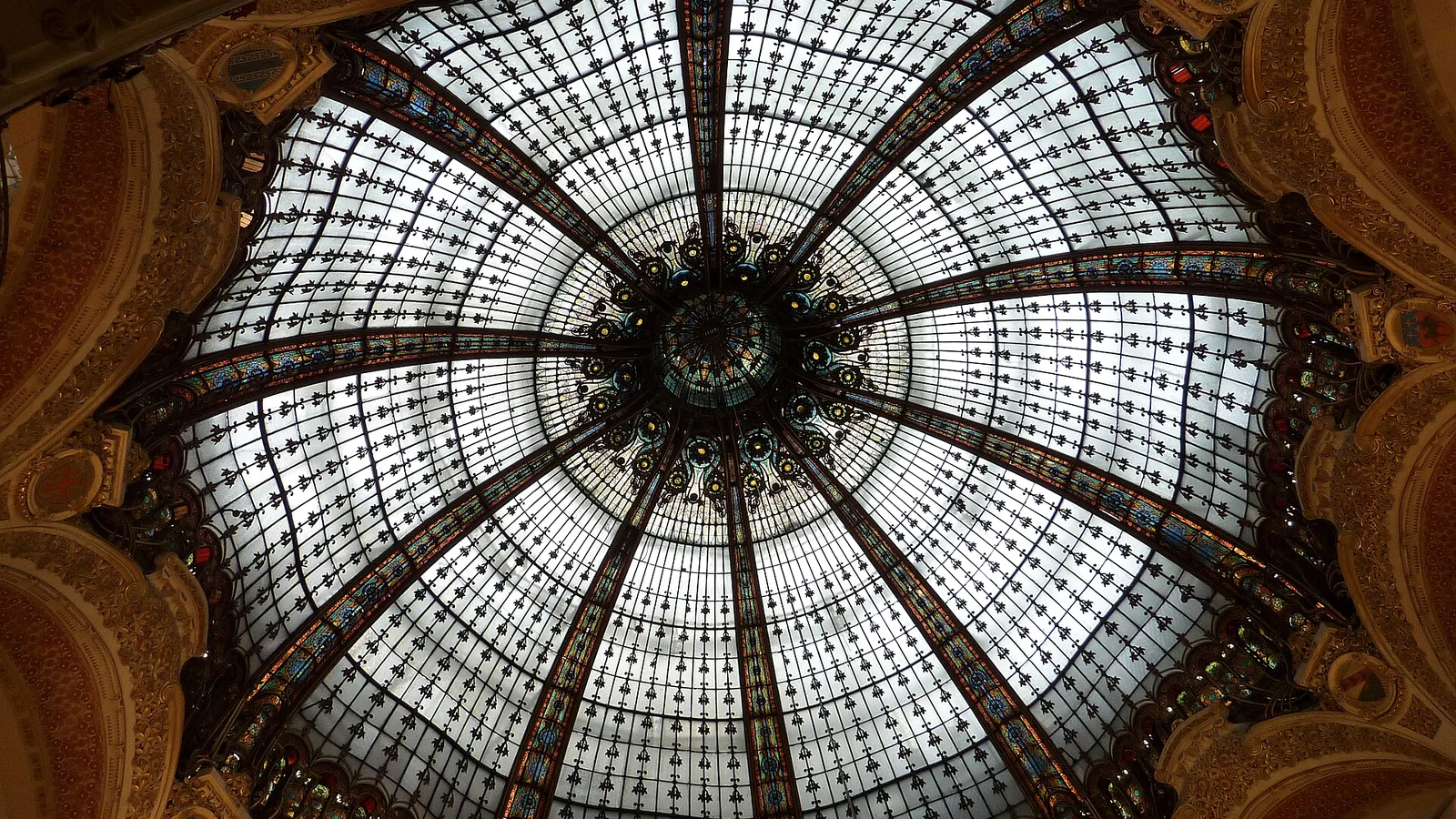
This independent 2026 walk-through of Galeries Lafayette Haussmann shows the scale, crowds and architecture behind one part of the premium visitor experience. It is visual context, not evidence for the citywide claims in this analysis.
Sources and evidence note
Primary sources: Choose Paris Region’s 2025 results; Île-de-France Mobilités accessibility update; the City of Paris cleaning service data; and the Interior Ministry’s transport-crime analysis. Service quality conclusions are editorial analysis built on these inputs, not an official city rating.
Île-de-France: first-half and summer 2026 results · City of Paris: visitor information and concierge hours · Île-de-France Mobilités: Orly and line 14