




THE STORY BEHIND THE HOTEL · FRENCH RIVIERA SEASON · 01/12
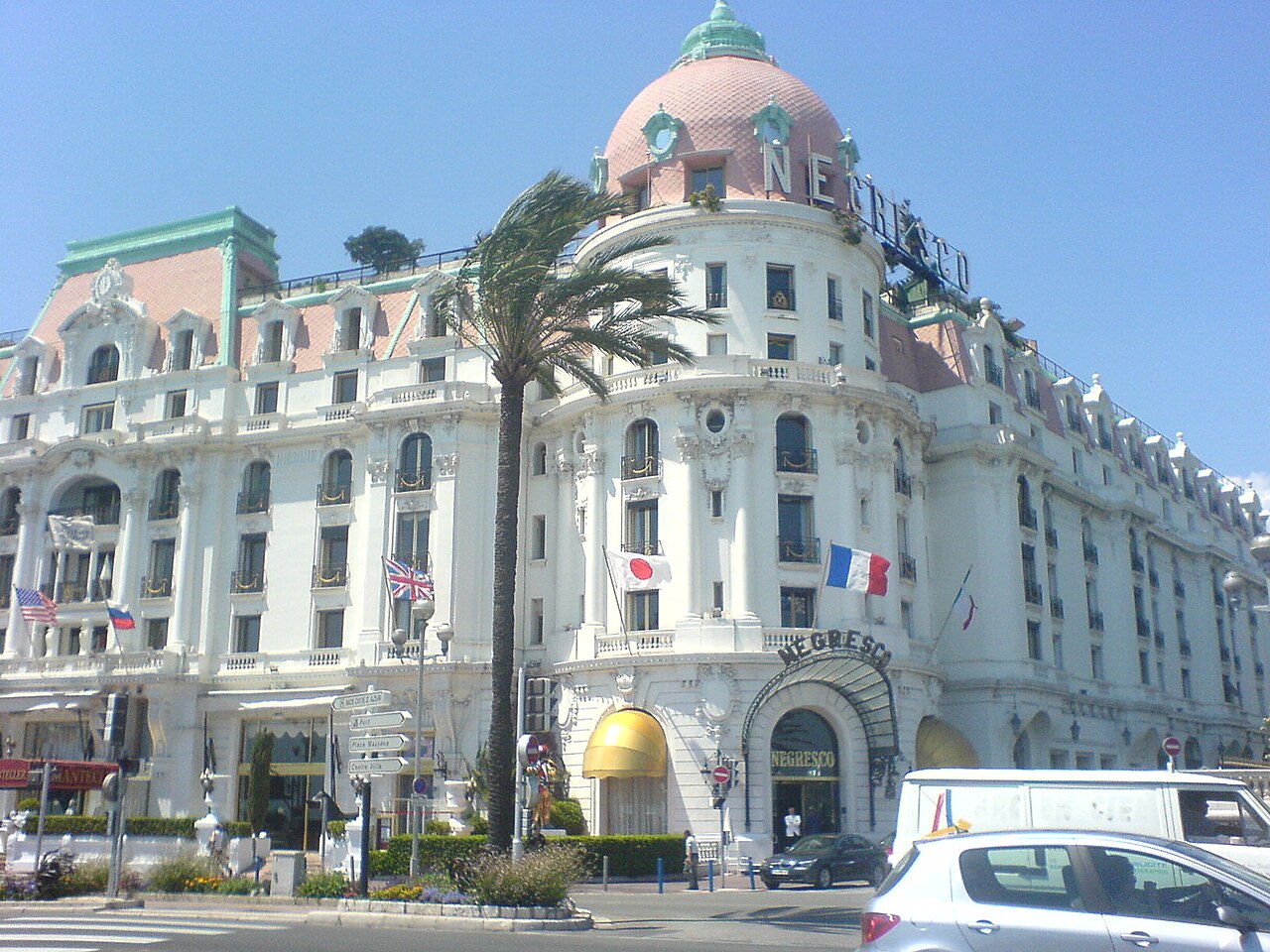
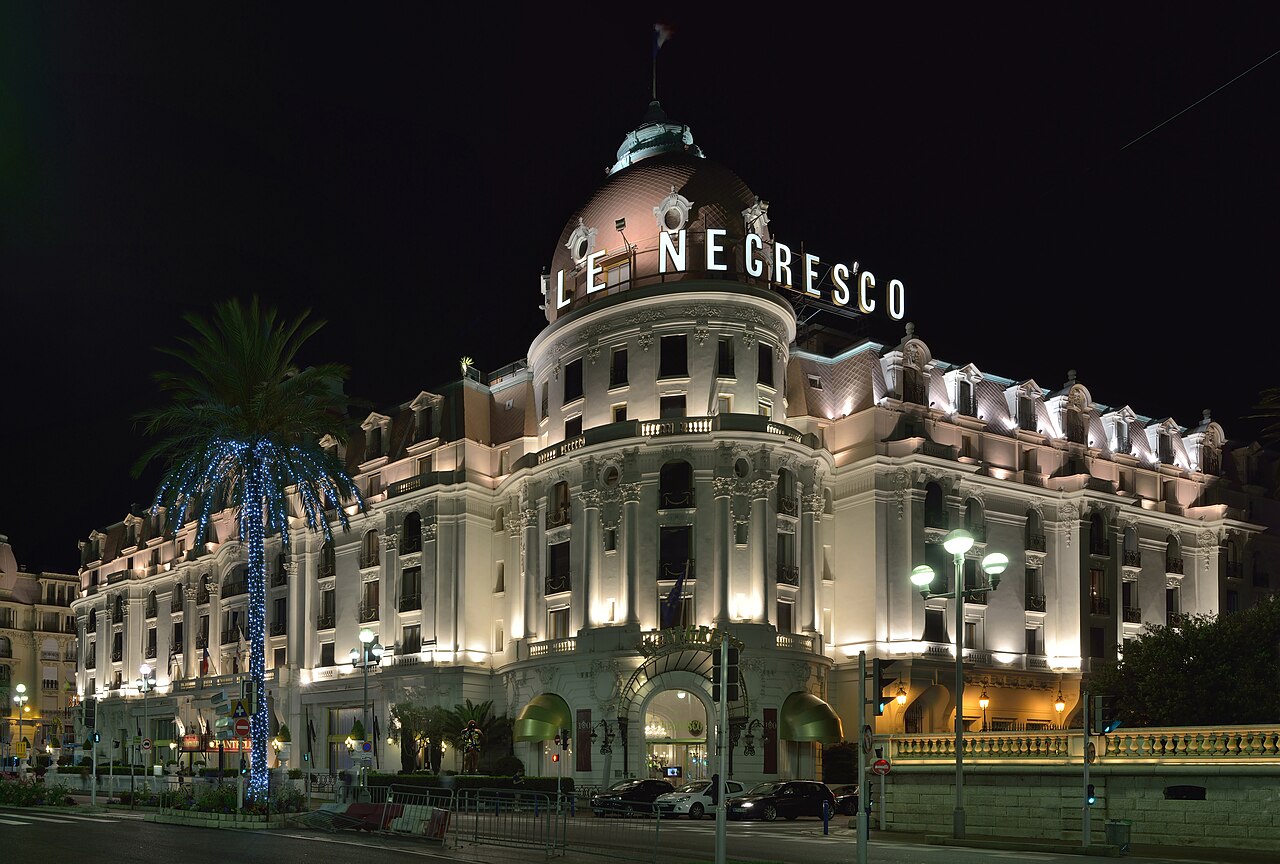
It opened in a blaze of Belle Époque confidence, became a military hospital a year later and helped ruin the man whose name it carries. Le Negresco is not merely Nice’s most recognisable hotel; it is a survivor with a pink dome, an art collection and a stubbornly independent soul.
How the hotel was born
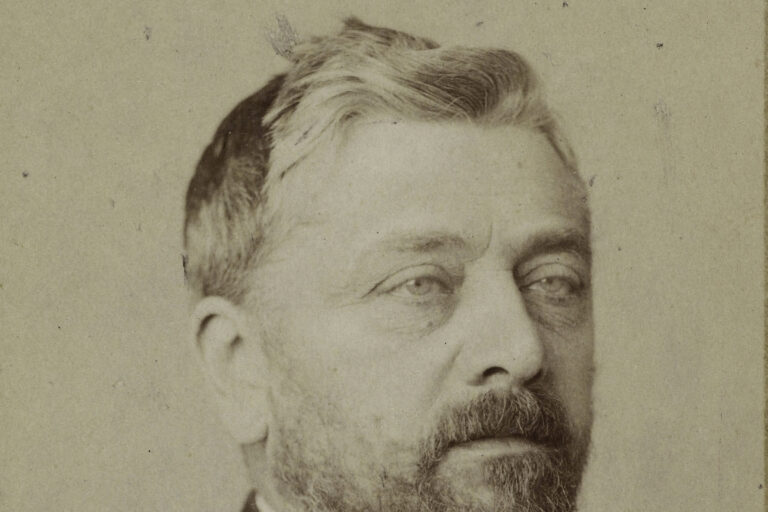
Henri Negrescu, a Romanian innkeeper’s son who mastered the rituals of Europe’s grand dining rooms, saw a new international society gathering on the Baie des Anges. With automobile industrialist Alexandre Darracq as financier and Édouard-Jean Niermans as architect, he built a palace calibrated to that wealthy winter clientele. It opened in January 1913 with 420 rooms, private bathrooms and the confidence of a new century.
Architecture: a building that explains the place
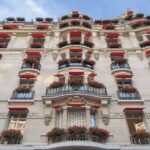
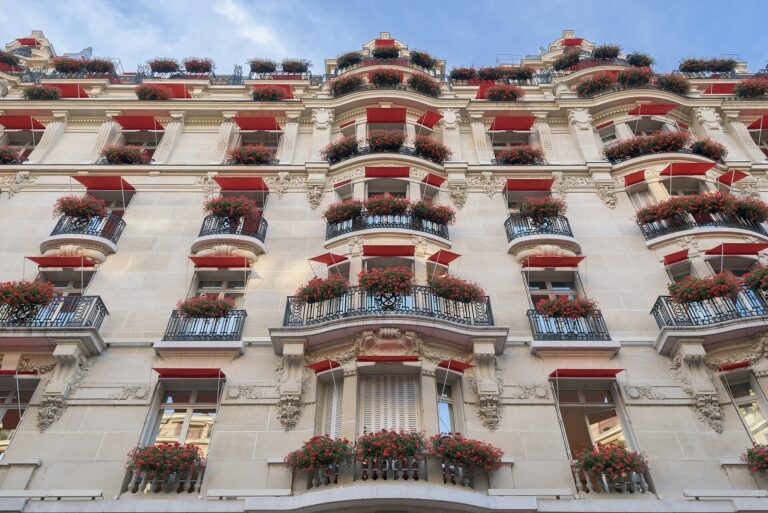
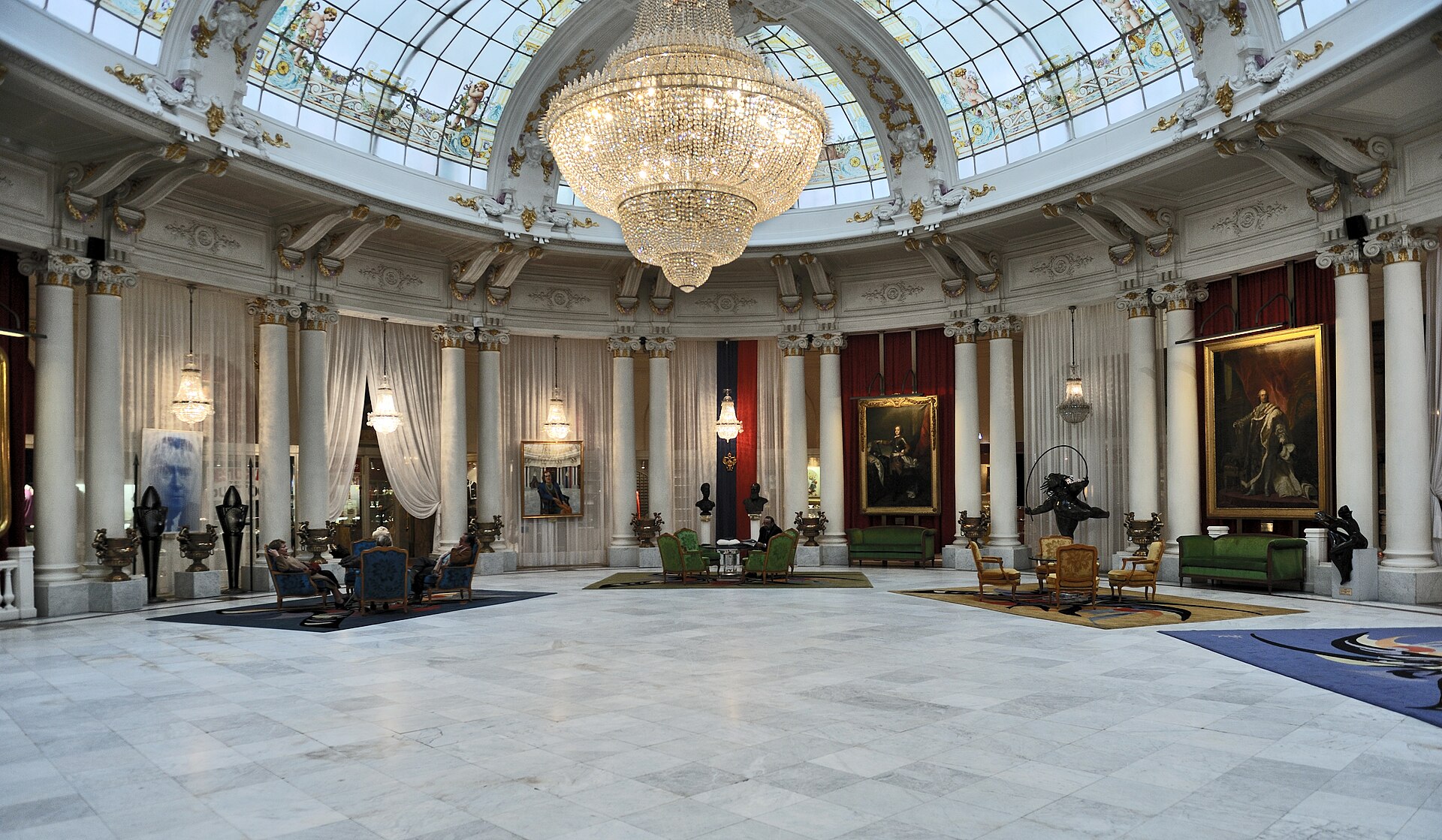
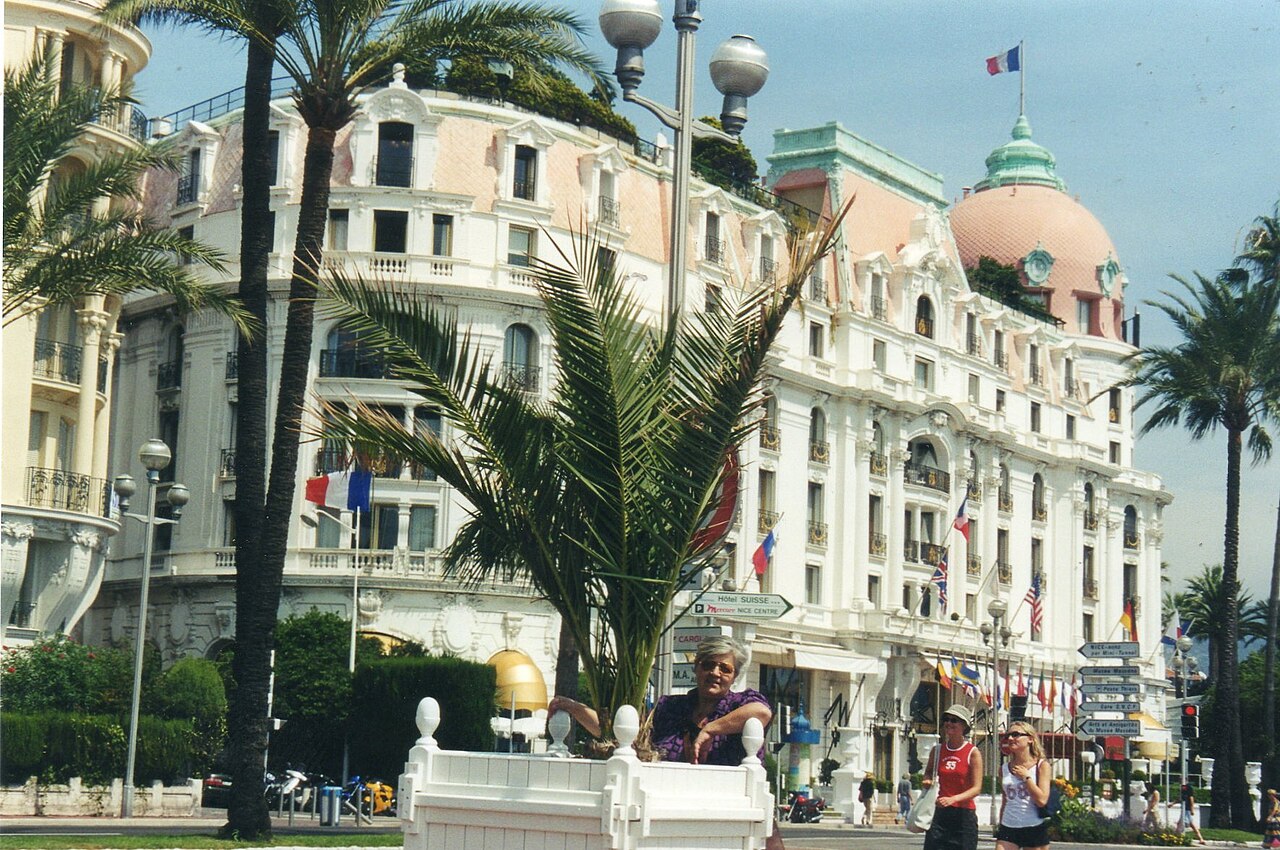
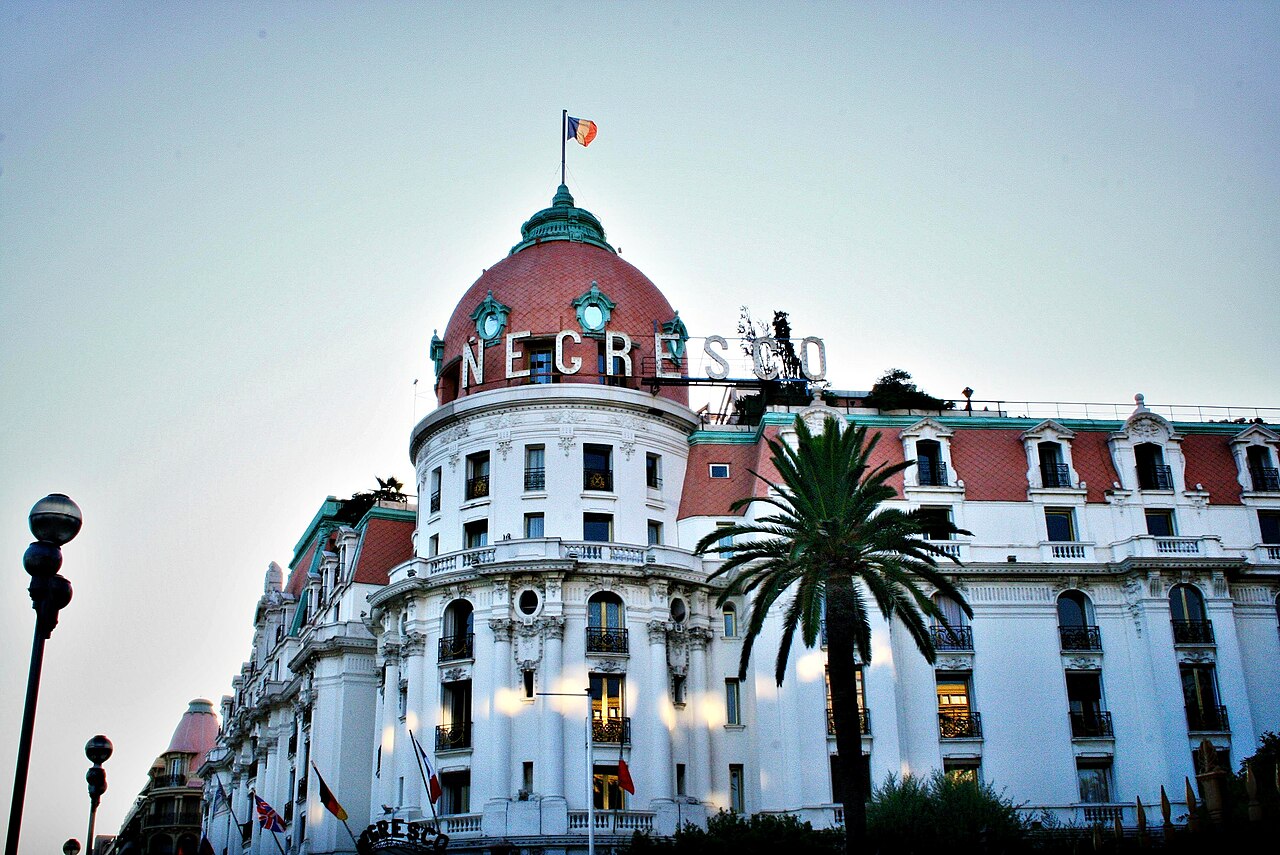
Niermans turned an awkward diamond-shaped plot into four wings around an elliptical, glass-covered court. Eighteenth-century references meet reinforced-concrete engineering; outside, the rounded corner and pink dome command the Promenade des Anglais, while the Salon Royal creates a ceremonial heart. The protected façades, roofs and central hall make the hotel a rare Belle Époque palace still serving its original purpose.
The turning points
The triumph was brutally short. Requisitioned as a military hospital in 1914, the building returned from war without its former economy. Negrescu’s venture collapsed and his family sold its shares in 1920. The hotel later helped found the consortium that became The Leading Hotels of the World, survived another war and was used by Anglo-American counter-intelligence and then the US Army before civilian life returned in 1947.
IF THESE WALLS COULD TALK
Imagine the Salon Royal in 1914: crystal and plasterwork above, rows of hospital beds below. A palace designed to choreograph sovereigns and winter balls had been converted almost overnight into a place of triage and convalescence. The official chronology is unsentimental about the consequence—the requisition helped drive its founder to bankruptcy. Few hotel lobbies contain so sharp a reversal of fortune.
The documented names
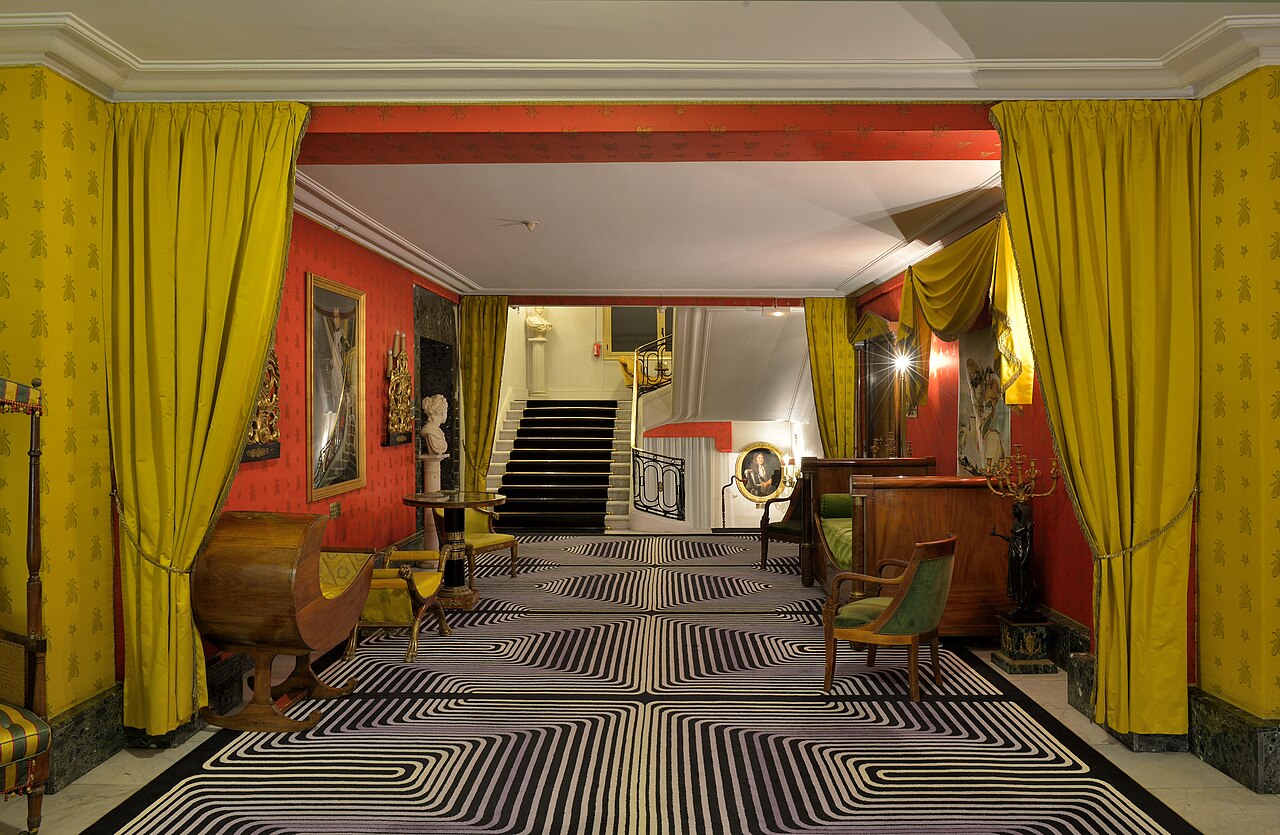
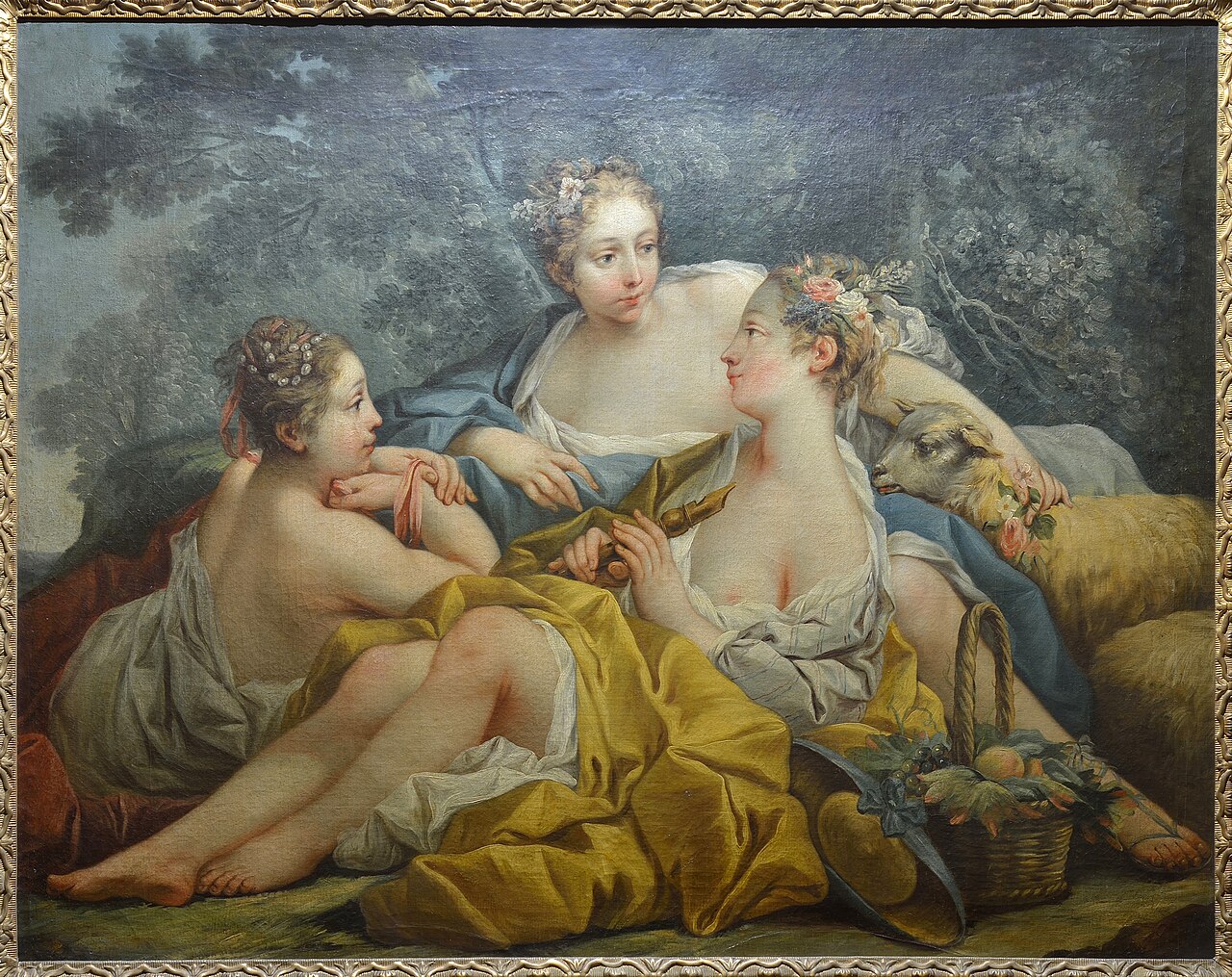
The hotel records an inaugural gathering attended by seven sovereigns and a guest book signed across generations by artists, politicians and royalty. Rather than recycle unverified celebrity folklore, the more important documented figure is Jeanne Augier. After her family bought the property in 1957, she became its defining curator, refusing anonymous international luxury and filling the house with French art from Louis XIV to Niki de Saint Phalle.
The difficult chapters
War, financial collapse and occupation are not decorative footnotes here. Nor is the tension between preserving a monument and operating a modern hotel on a salt-laden seafront. The story includes long repairs, changing ownership and the daily corrosion of marine air. Its endurance is precisely what makes the polished present convincing.
Restoration without amnesia
Under Augier, restoration became a form of collecting: historical rooms were protected, new works entered the conversation and each floor developed its own period character. The façades and roofs received heritage protection in 1975; the Salon Royal followed in 2003. Today the Mesnage-Augier-Negresco endowment fund, created by Augier, safeguards both building and collection.
The hotel today
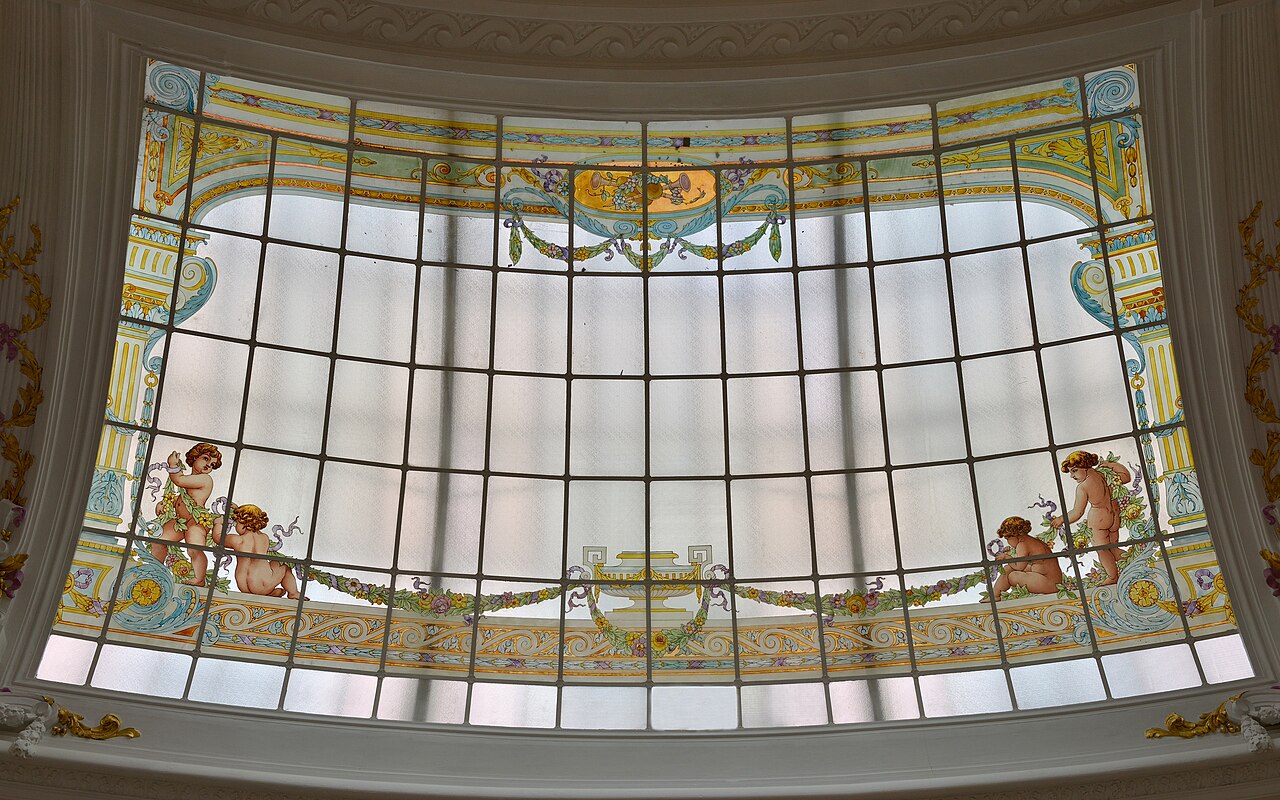
Le Negresco remains an independent French palace rather than a standardized brand outpost. Its contemporary chapter includes N Le Spa, N La Plage and the Jeanne & Paul penthouse apartment, alongside the Michelin-starred Le Chantecler and the brasserie La Rotonde. Yet the essential experience is still the visual argument between royal portraiture, modern sculpture, stained glass and the Mediterranean beyond the windows.
Watch the story in motion
Why travellers still choose it
Travellers choose it for an identity that cannot be reproduced elsewhere: the address is simultaneously hotel, monument and inhabited museum. It works especially well for visitors who want the Promenade at the door and Nice’s old town, museums and station within reach—but who also want the hotel itself to be part of the destination.
Practical location
The hotel faces the Baie des Anges at 37 Promenade des Anglais. Place Masséna and Vieux Nice are walkable; Nice-Ville station and the airport are straightforward by tram or car. Check seasonal restaurant, beach and spa opening times before travelling.
At a glance
- Address: 37 Promenade des Anglais, 06000 Nice, France
- Official hotel website
Let OUISTARS shape the stay
A story can explain why a hotel matters; choosing the right room, dates and arrival plan is a different craft. OUISTARS can compare room and suite options, coordinate the route from airport or station, and help shape the wider Riviera itinerary—while keeping this article editorially independent.
Ask OUISTARS on WhatsAppExplore OUISTARS concierge
Editorial selection is independent. No partnership, sponsorship, complimentary stay or endorsement is implied. Availability, rates, taxes and cancellation terms must be confirmed before commitment.
Research desk: primary and authoritative sources
- Le Negresco — official chronology
- French Ministry of Culture — architectural record
- Le Negresco — art and legacy
All Wikimedia Commons images are used under the licence shown in each credit. Official hotel imagery, where used, is editorially credited and must be re-cleared for commercial print or paid reuse.
Osama Samaha
Editor-in-Chief — OUISTARS Travel