












Satirical airport column — facts first, smile second
Last verified: 24 September 2026.
A suitcase went to the airport and did not travel. Its owner did. Somewhere between the car park, the trolley, the coffee and the boarding gate, the two ended their partnership without signing the paperwork. The passenger discovered the separation at altitude. The suitcase, meanwhile, acquired a security perimeter, professional attention and a more complicated itinerary than the person who packed it.
The story is comic only after everyone is safe. In a terminal, an unattended object is not a personality test and security teams cannot assume that it is harmless because its owner probably became distracted. Their task begins precisely where the owner’s confidence ends.
Why can’t somebody simply open it?
Because the appearance of a bag cannot establish intent, contents or ownership. Airport security works through controlled assessment: establish a perimeter, protect passengers and staff, identify the owner where possible, review available information and call specialised personnel when the procedure requires it. The exact sequence varies by airport and threat assessment, and responsible journalism should not publish tactical detail that could weaken security.
To a delayed traveller, the response may look excessive. To the officer accountable for hundreds of people in a confined space, guessing is not an option. A routine bag and a dangerous object can initially share the same visual description: “unattended”. The procedure exists because hindsight arrives too late.
The comedy paid for by the timetable
An abandoned item can close a kerbside lane, interrupt a check-in zone, redirect passengers or delay a gate. The cost spreads quickly: security staff, airline agents, cleaners, terminal operations, bus drivers and families all reorganise around one ownerless object. The owner may return saying, “I was only gone for two minutes.” The airport cannot base its response on a duration supplied after the event.
This is where satire earns its place. Travellers will debate seat pitch for weeks, photograph every passport page and weigh a cabin bag three times—but may leave the same bag behind while answering a message. The bag has not betrayed them. It has simply obeyed gravity.
The professionals who rarely appear in the departure photograph
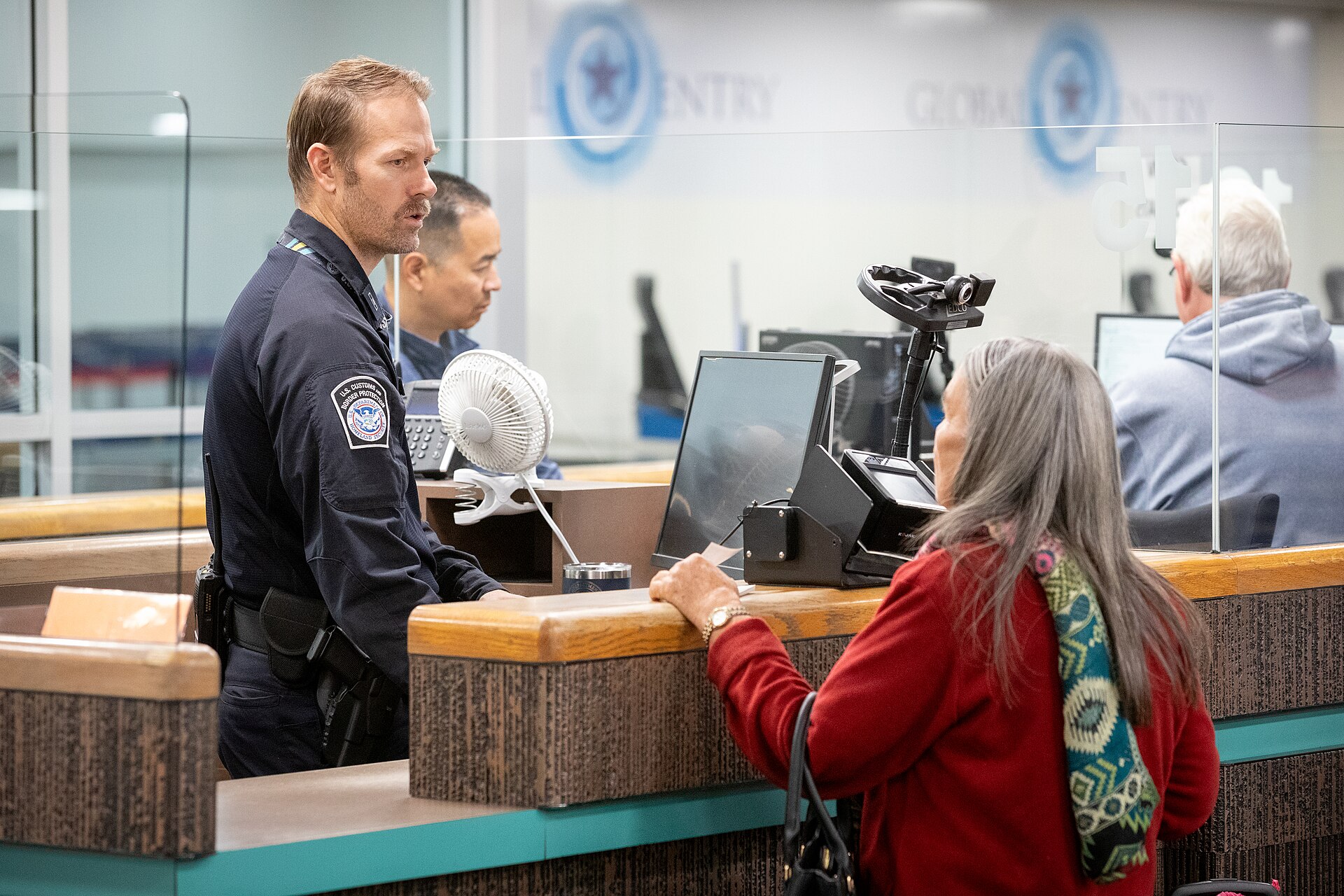
Airport safety is produced by teams: police, border officers, security agents, specialised bomb-disposal units when required, airport operations and airline staff. Their achievement is often invisible. When the incident ends safely, passengers remember the delay rather than the decision-making that prevented uncertainty from becoming danger.
Professionalism here is not dramatic running. It is disciplined caution: keeping the perimeter, communicating without panic, separating rumour from evidence and reopening the area only when authorised. The best outcome is deliberately uncinematic—nothing happens, because trained people did their work.
A traveller’s guide to avoiding unwanted fame
Before leaving the car
- Count people and bags before closing the boot.
- Assign one adult responsibility for each child’s essential items.
- Keep passports, medication and devices in a bag that remains physically attached to you.
- Photograph the suitcase and its baggage tag; do not publish the tag online.
- Use a distinctive but privacy-safe marker so staff can identify the item from your description.
If you realise you left a bag
- Do not improvise by entering a restricted area or driving against traffic.
- Tell airport, airline or police staff immediately and give the exact last known location.
- Describe the bag and contents honestly. A “better story” only slows assessment.
- Follow instructions even if the answer affects your flight.
If you see an unattended bag
- Do not touch, move or open it.
- Do not gather a crowd or film at close range.
- Move away and alert identifiable airport or police staff.
- Follow the perimeter and route established by personnel.
Where lost property ends and security begins
A forgotten item discovered after the area has been assessed may eventually enter the lost-property system. But “lost property” describes administrative custody; it is not the first assumption made beside an unattended object in an active passenger area. The route from security concern to lost property is determined by authorised staff, not by a helpful passer-by.
A small lesson for every itinerary
Tour operators and group leaders should add a ten-second baggage count at every transfer: hotel lobby, coach, rail station, airport kerb and security exit. Count bags as carefully as people. It sounds elementary until one suitcase delays a vehicle, a check-in desk or a terminal zone.
Image and video treatment
The cover is an original illustration and is clearly labelled so it cannot be mistaken for a real incident. A responsible 60–90 second original video should explain the public-facing sequence—notice, report, secure, assess, resume—without publishing response times, tactical methods or identifiable passengers.
Official video: how security teams assess an unattended item
Sources
- French Ministry of the Interior — security at Paris airports
- Police nationale — the work of an airport police officer
- French Ministry of the Interior — border police on the front line
- DNA — forgotten baggage at Strasbourg Airport, 31 August 2026
Transparency: this article was produced independently. The commercial spaces above are separate from the editorial text and did not influence the information or sources.
Osama Samaha
Editor-in-Chief, oui stars Travel