

















BUSINESS OF TRAVEL | AI & THE TRUST ECONOMY
AI Was Supposed to Kill the Travel Agent. Instead, It Is Making Human Expertise More Valuable
Travel planning has entered its machine age. The companies most likely to win, however, are not those that remove people from the journey, but those that know precisely where human judgment still matters.
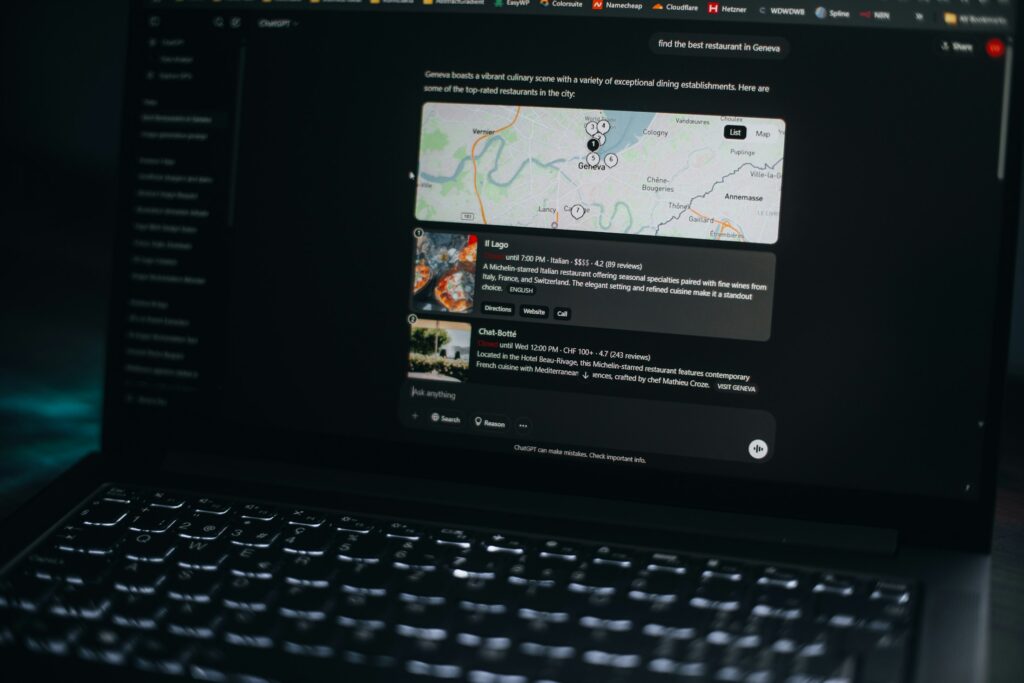
A traveller opens a blank chat window and types a wish: twelve days in France, one anniversary dinner, two children, no queues, and somewhere in Normandy that will mean something to a grandfather. Seconds later, an itinerary appears—polished, plausible and almost free. Then the questions begin. Is the hotel room really connecting? Who notices the delayed flight and calls the driver?
This is the defining paradox of AI travel planning in 2026. Machines have made inspiration abundant, but not responsibility obsolete. As artificial intelligence assembles trips, trusted advisers, DMCs and operational partners are becoming less like search engines—and more like risk managers for valuable time.
The Paradox at the Centre of Travel in 2026
The shift is measurable. Phocuswright reported in March 2026 that 56 percent of active American travellers had used AI for planning, booking or navigating during the previous year, up from 33 percent in early 2025. Among AI users generally, 94 percent had applied it to travel.
A separate Phocuswright survey found 61 percent of travel businesses experimenting with or scaling agentic AI. For agencies, hotels, airlines and tour operators, the question is no longer whether customers will use AI, but who owns the relationship after the algorithm proposes the trip.
AI Is Winning Search. Trust Is Winning the Booking
Consumers like speed, but hesitate to surrender control. In an April 2026 survey of more than 5,700 adults, Expedia Group found that 53 percent were comfortable receiving AI recommendations. Yet 68 percent preferred a trusted travel brand for booking; only 8 percent felt comfortable booking through AI.
That gap is a business model. A traveller buying a honeymoon, board retreat or family journey is also buying recourse. When a supplier fails, somebody must answer. The premium is no longer information; it is accountable judgment.

The Travel Adviser Is Not Disappearing—It Is Moving Upmarket
The evidence against the travel agent’s predicted extinction is economic. The American Society of Travel Advisors projects US agency sales to rise from $128 billion in 2025 to $165 billion in 2028. Advisers already sell 60 percent of tour packages and 70 percent of cruises.
Routine order-taking is vulnerable. Generic itineraries have little defence against instant software. Human specialists justify their margin by interpreting ambiguous briefs, negotiating exceptions and repairing disruption. Private travel has expanded for the same reason: value lies in orchestration, as our analysis of the private-tour boom in Paris explains.
Who Wins—and Who Loses?
The likely winners
Hybrid businesses have the advantage. AI can research, translate and prepare alternatives while advisers listen and negotiate. DMCs turn drafts into workable journeys. Hotels with accurate inventory become safer to book, while airlines and transport companies sharing live disruption data become essential links in the chain.
The businesses at risk
Undifferentiated itinerary resellers face pressure first. So do slow agencies offering no advocacy, hotels with stale content, and suppliers that cannot confirm availability digitally. The market will punish both extremes: automation without accountability, and personal service without speed.
What Travel Agencies, DMCs, Hotels and Transport Companies Should Do Next
Automate administration, not accountability
Use AI for drafts, comparisons, translation and routine messages. Keep a named professional responsible for the recommendation and recovery plan. Every automated journey needs a route to a competent human.
Make inventory intelligible to machines
Accurate descriptions, opening times, inclusions and structured availability determine whether AI discovers a product. Hotels and operators should audit data distributed through their websites, partners and feeds.
Sell the moments algorithms cannot guarantee
Access, discretion and service recovery deserve clearer pricing. A confirmed arrival can include monitoring, meet-and-greet and luggage coordination. Our account of a premium CDG arrival in Paris shows why details shape first impressions. For larger programmes, coordinated chauffeur fleets for Paris events apply the principle at scale.
Build direct, consent-based relationships
If AI becomes the interface, first-party knowledge becomes more valuable. Remember preferences with permission, explain data use and communicate early. Trust cannot be retrofitted at checkout.
What AI Travel Planning Means for Travellers and Destinations
Travellers should use AI to explore, then verify high-stakes decisions with official sources and responsible suppliers. Recommendation engines could disperse visitors beyond famous districts—or amplify saturated places. Tourism boards must publish reliable capacity and seasonal information, then monitor what platforms promote.
In France, local operators connect digital promises to physical journeys. oui stars combines destination management with luxury mobility in Paris, Nice, Normandy and across France, from a private airport arrival in Paris to multi-destination chauffeur planning in France. It is the human layer technology cannot drive, greet or reassure.
The Future Belongs to Companies Fluent in Human and Machine
Travel and tourism contributed a record $11.6 trillion to the world economy in 2025, according to the World Travel & Tourism Council. AI will not create one winner; it will redraw where value sits.
Discovery will become cheaper, and generic planning will lose margin. Verified expertise, local relationships and calm intervention will command more. AI was supposed to remove the travel agent. Instead, it is exposing the difference between producing an itinerary and making the journey work.
Frequently Asked Questions
Will AI replace travel agents?
AI will replace routine tasks, but complex, premium and disrupted trips still reward human judgment, relationships and accountability.
How are travellers using AI for travel planning in 2026?
Travellers use AI to discover, compare, build itineraries and monitor prices. Many still prefer a trusted brand or adviser to book.
Which tourism businesses benefit most from AI?
Hybrid agencies, responsive hotels, data-ready suppliers and DMCs benefit most by combining speed with dependable delivery.
What is the biggest risk of AI travel planning?
Key risks include inaccurate information, outdated availability, weak privacy and nobody responsible when a booking fails.
How should travel companies prepare for agentic AI?
Maintain accurate structured data, automate low-risk administration, protect privacy and provide fast human escalation.