








Mobility News Analysis
France Says “Not Yet” to Tesla’s Self-Driving Technology—Could This Decision Change the Future of Mobility?
France is not rejecting automated driving forever. It is asking a harder question: how much evidence should a technology company provide before software is trusted on Europe’s busiest roads?
On a wet Paris evening, the promise is seductive. A car reads the lane markings, anticipates the traffic and threads its way through a city where scooters appear from blind angles and pedestrians step into the street with a glance rather than a signal. The driver’s hands remain close to the wheel, but the software appears to do the difficult work.
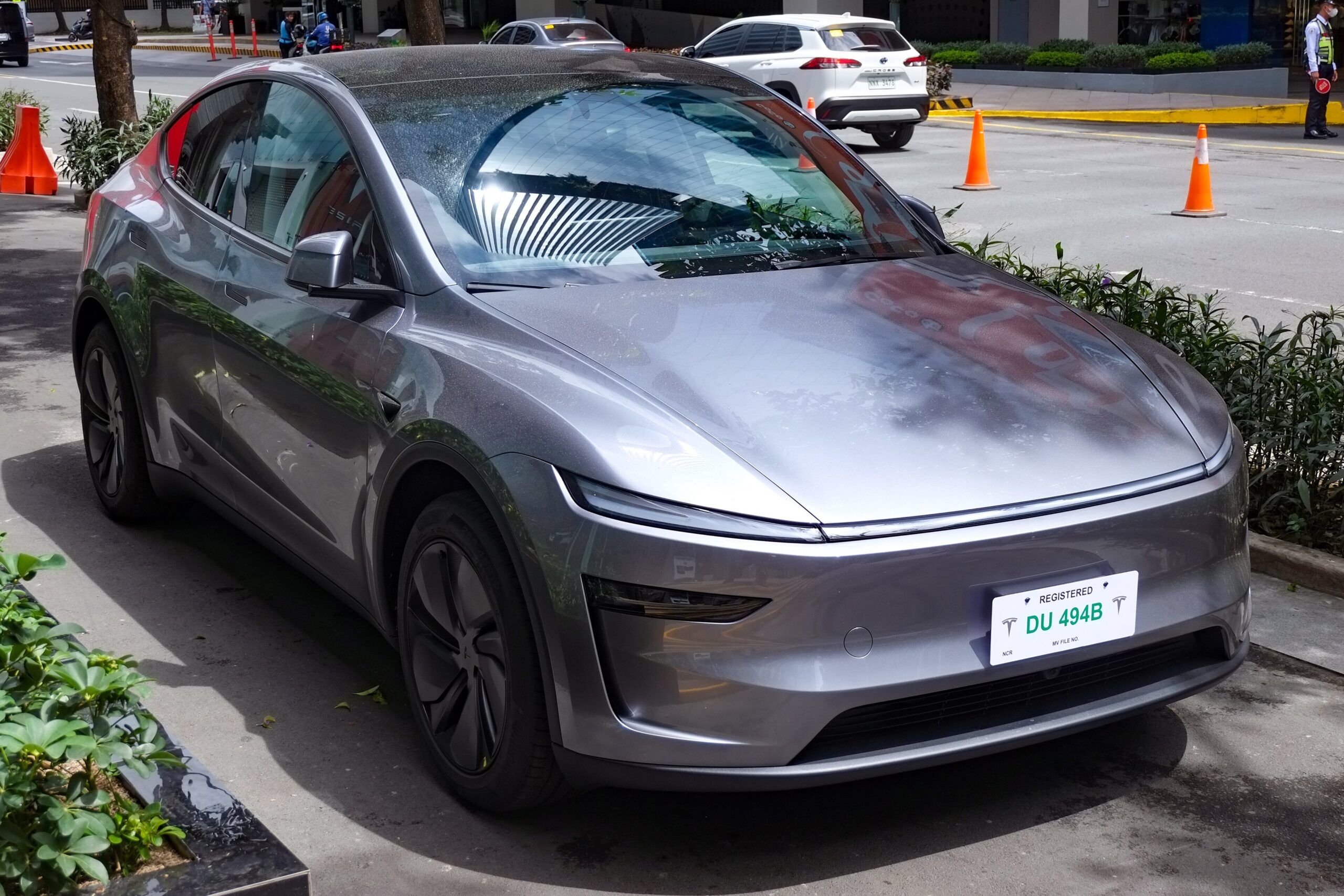
France has interrupted that vision. In July 2026, Transport Minister Philippe Tabarot said the country would not support Tesla’s Full Self-Driving (Supervised) system in its current form. He cited speed-limit compliance and driver attention. This is not a permanent ban, nor is the technology genuinely driverless. It is a demand for a higher safety threshold.
The Tesla self-driving France debate therefore matters far beyond one carmaker. It exposes the central tension of the next mobility era: innovation may move at software speed, but public trust is built through evidence, accountability and experience on real roads.
What France Has Actually Decided
The most important word is yet. France is withholding support while discussions continue with Tesla, Dutch authorities and other European partners. The position can change if regulators are satisfied.
That distinction is easily lost in dramatic headlines. France has not outlawed every Tesla driver-assistance feature, and it has not declared that automated vehicles have no future. The government is challenging a specific system at a specific stage of a European approval process. For travellers and operators following how safety, reliability and hospitality shape tourism mobility, that caution is commercially significant: confidence is part of the product.
What Tesla FSD Supervised Is—and Is Not
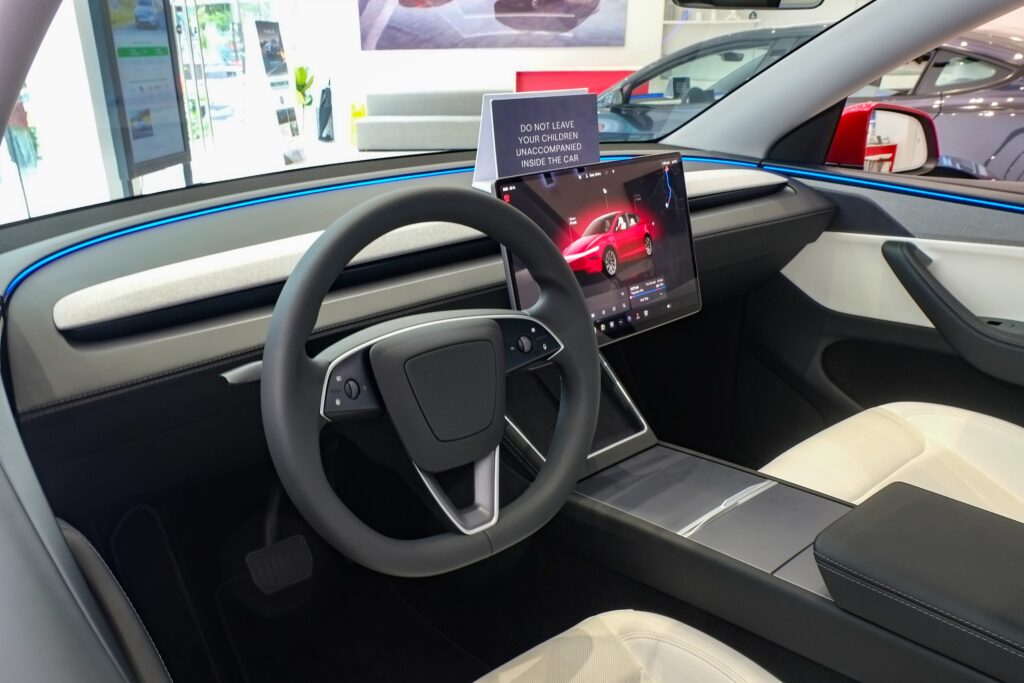
The name “Full Self-Driving” suggests autonomy. “Supervised” is the reality. The system may steer, change lanes, respond to signals and navigate, but the human remains responsible and ready to intervene.
That places it in the broad world of Level 2 assistance, not the realm of a vehicle operating everywhere without human supervision. The United Nations regulation for Driver Control Assistance Systems, known as UN Regulation No. 171, requires driver engagement and safeguards against overreliance. The machine may perform more of the task, but it does not inherit the driver’s legal duty.
Why France Is Concerned About Safety
Speed and compliance
French officials have raised concerns about speed-limit compliance. That is not a cosmetic issue. France’s roads combine national rules with local limits, temporary restrictions, work zones and dense urban situations where context can change quickly. A system must interpret all of them consistently, not merely perform impressively in ideal conditions.
Driver attention
The second concern is supervision itself. A safe system must know whether the driver is attentive and react when attention fades. Camera monitoring, warnings and disengagement procedures are as important as lane changes. The more capable automation feels, the stronger those protections must be.
Rare events are the real examination
Safety cases are tested by the unusual: an ambiguous police gesture, a cyclist hidden by a van, faded markings in rain or emergency roadworks. These “edge cases” explain why regulators demand extensive validation rather than a polished demonstration.
The European Approval Puzzle
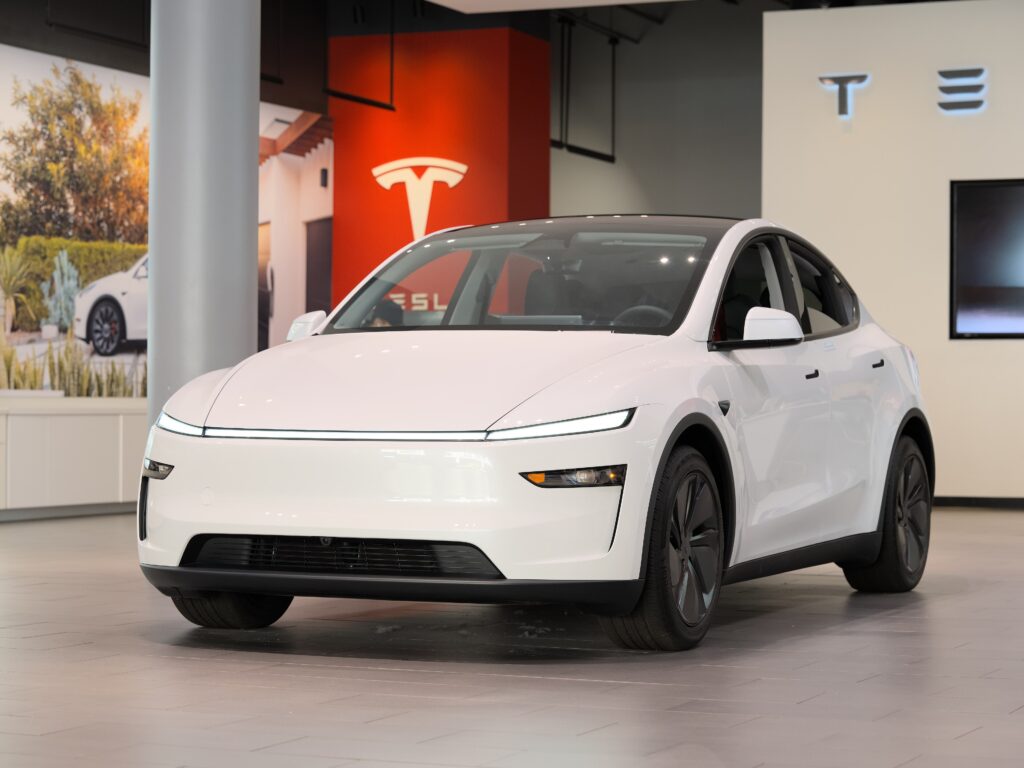
Vehicle software does not enter every European market through an entirely separate national test. Under the EU type-approval framework, an approval granted by one competent authority can have consequences across the single market. The Netherlands Vehicle Authority, RDW, has been working with Tesla through testing and assessment.
In March 2026, the RDW said its work with Tesla had already lasted around 18 months, stressed that road safety remained paramount and described FSD Supervised as driver assistance. The same month, the European Commission adopted a delegated regulation adding driver control assistance systems to EU whole-vehicle type approval when the relevant UN requirements are met.
One national authority may lead the assessment, but other member states must live with the result. Paris is effectively saying that mutual recognition requires mutual confidence. The discussions are the regulatory system doing difficult work in public.
What the Decision Means for Mobility in France
Tesla argues that wider deployment can improve safety and that delay carries a human cost. Automation can maintain vigilance in repetitive situations and improve through software. Regulators, however, must assess demonstrated performance rather than potential.
The likely future is a staged transition: better driver monitoring, clearer operating limits, transparent safety evidence and carefully expanded capabilities. Europe is building common ground through a cross-border initiative for autonomous-vehicle testbeds—a path for innovation without turning public roads into an uncontrolled experiment.
For tourism, a traveller buys more than motion between coordinates. An airport arrival can require flight monitoring, luggage assistance, a child seat and calm judgment when plans change. Our guide to the best private car service in Paris shows why those details remain inseparable from premium mobility.
Professional chauffeurs will evolve before they disappear
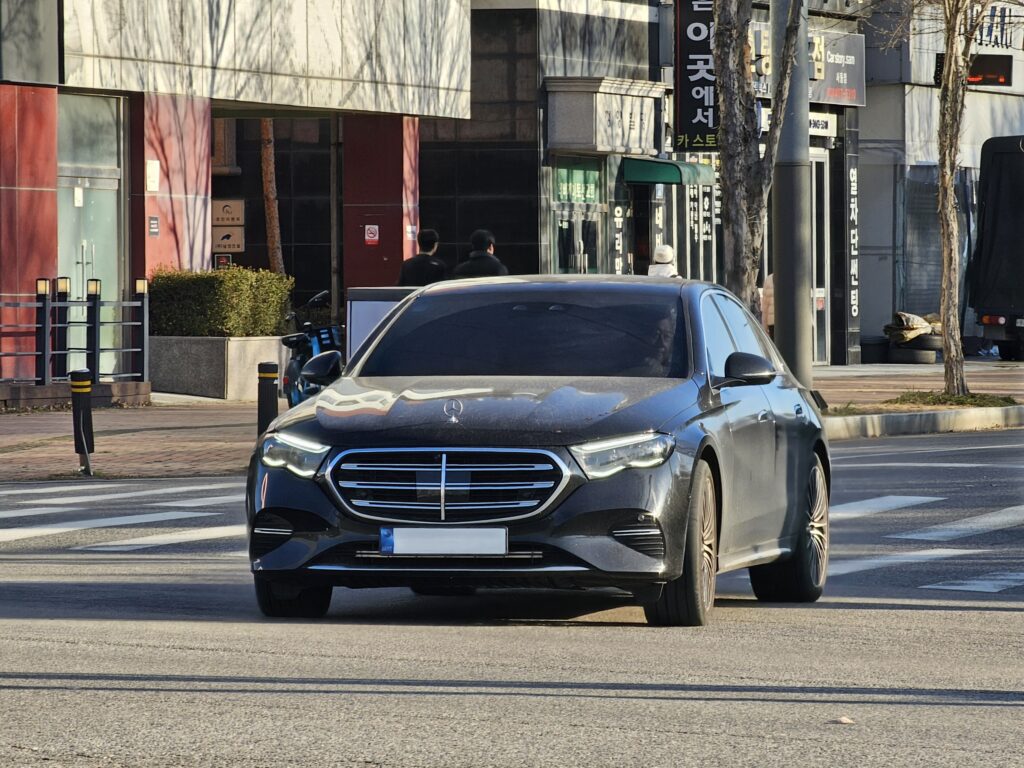
Driver-assistance technology may support hazard awareness and route consistency. Yet a premium chauffeur is also a host, problem-solver and accountable professional. That value is clearest during major events, when coordinated chauffeur fleets in Paris manage changing schedules, restricted access and several vehicles in real time.
A specialist operator can therefore retain an advantage. oui stars’ chauffeur services in France combine vehicles with coordination, discretion and local knowledge. Companies can also request business transportation planning for needs a consumer interface cannot answer.
The broader lesson echoes another technological shift explored by OUISTARS Travel Magazine: AI can transform travel planning without erasing the human adviser. In ground transportation, software may increasingly assist the journey while people continue to own the welcome, the exception and the responsibility.
What Happens Next?
Three signals deserve attention. First, whether Tesla modifies speed behaviour and driver-monitoring safeguards for European roads. Second, whether the RDW assessment produces evidence that satisfies sceptical member states. Third, whether European regulators clarify how supervised systems should communicate their limits to drivers.
For the Tesla self-driving France story, a future approval would not mean the safety debate had ended. It would mean the system had crossed a defined regulatory threshold, subject to conditions, software updates and continuing oversight. A refusal would also shape the market by telling every automaker what evidence Europe expects.
France’s “not yet” will frustrate some and reassure others. The future of mobility will not be decided by software alone, but by whether passengers, drivers, operators and governments believe it deserves their trust.
Frequently Asked Questions
Has France banned Tesla Full Self-Driving?
No. France has said it will not support approval of Tesla FSD Supervised in its current form. Technical discussions and the European assessment continue.
Is Tesla FSD Supervised fully autonomous?
No. It is a driver-assistance system. The driver must remain attentive, supervise its actions and be ready to intervene.
Why is France concerned about Tesla’s system?
French officials have cited speed-limit compliance and driver attention. Regulators also need evidence that the system handles complex and unusual road situations safely.
Who can approve Tesla FSD Supervised in Europe?
Approval follows the EU vehicle type-approval framework. The Dutch RDW has been assessing Tesla’s system, while France, other member states and European regulators are involved in the wider technical and regulatory discussion.
What does the Tesla self-driving France decision mean for chauffeur services?
Near term, it reinforces the value of trained professional chauffeurs. Assistance software may improve fleet safety, but it does not replace hospitality, luggage support, discretion, local judgment or operational accountability.








.jpg)