










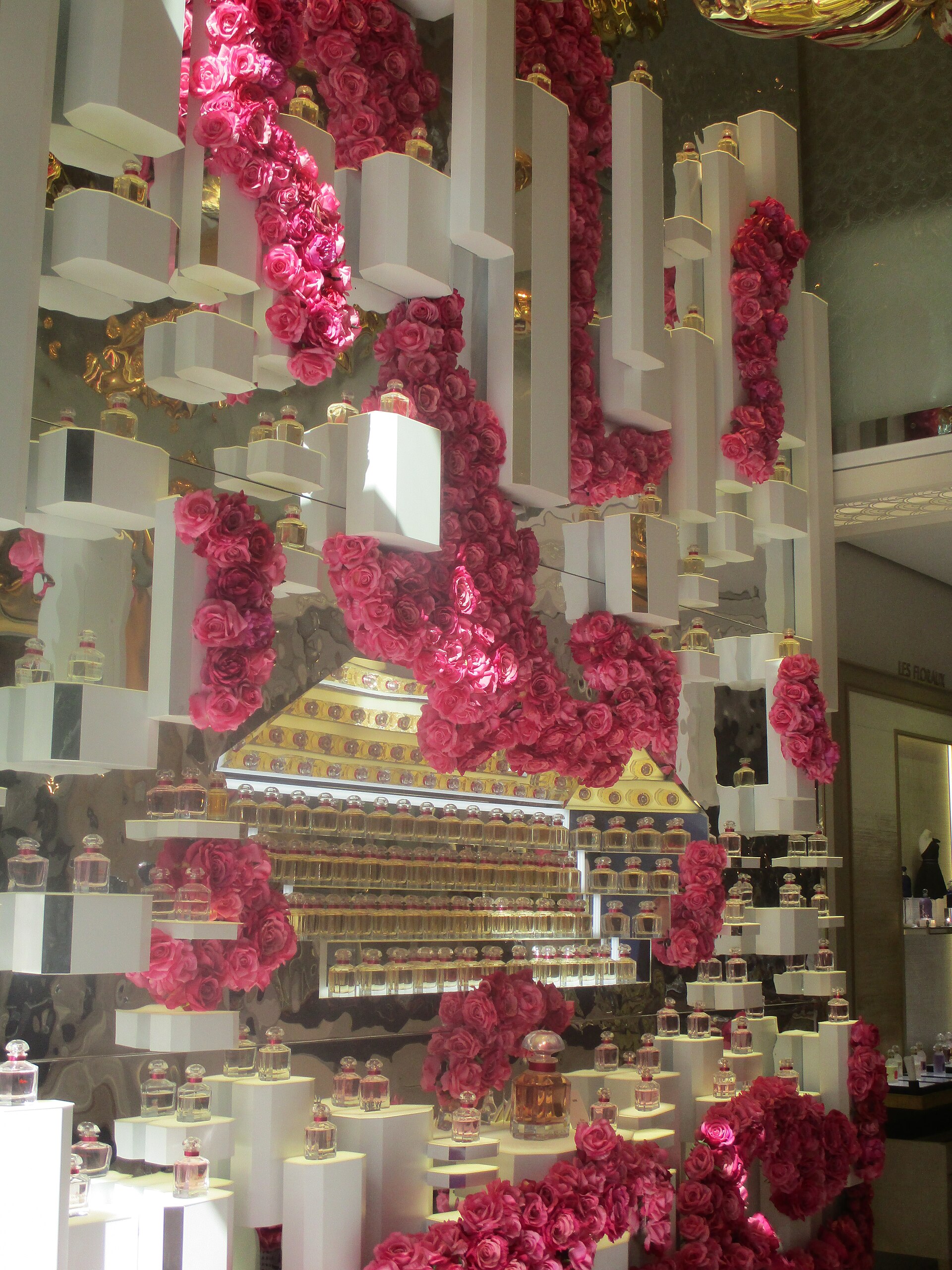
Paris’s next luxury industry may not fit neatly into fashion, hospitality or medicine. It may sit between all three. The city already creates desire through couture and fragrance, delivers service through palaces and spas, and holds clinical expertise in dermatology, surgery and aesthetic medicine. Connecting those assets could produce a new beauty economy.
Fashion houses already understand beauty as a universe
Chanel, Dior, Hermès and LVMH brands extend identity across fashion, fragrance, skincare, make-up, stores and experiences. Guerlain’s Paris presence shows how heritage, place and product become one narrative. The next step is not for fashion brands to practise medicine, but for the wider destination to connect brand discovery with credible wellness and care.
Medicine changes the value chain
Aesthetic medicine introduces clinical responsibility, regulation and long-term patient relationships. That makes it fundamentally different from cosmetics retail. Yet it also creates demand for diagnostics, follow-up, recovery, translation, payments and travel coordination. Investors who respect the boundary can build valuable infrastructure around care without interfering with medical judgment.
Hotels can host the non-clinical layer
Palaces and luxury hotels offer privacy, nutrition, calm, concierge and trusted transport. Their spas can support relaxation and non-medical wellness, while formal partnerships may coordinate guest logistics with independent licensed providers. Governance is essential: clear contracts, data protection, escalation pathways and no misleading therapeutic claims.
Paris can sell expertise, not discounting
The city cannot win a procedure price war against lower-cost destinations. It can win on physician reputation, French product science, discreet hospitality, luxury retail and cultural appeal. A guest may combine consultation, treatment, recovery, perfume creation, fashion appointments and art—if the programme leaves enough time and medical caution.
Where capital can enter
Investment opportunities include doctor-led clinic groups, diagnostic platforms, compliant patient navigation, multilingual aftercare, hotel recovery services, premium mobility, specialised insurance and beauty retail with expert consultation. Data systems that connect consented preferences and care instructions can reduce friction, but health data requires the highest standard of protection.
The brand-risk test
Luxury beauty depends on trust. One unqualified practitioner, hidden commission or unsafe promise can damage a hotel, clinic and brand simultaneously. Due diligence must cover credentials, complications, advertising, consent, insurance and ownership transparency. The most powerful moat will be governance, not décor.
A Paris cluster with global reach
Paris can become the place where beauty is researched, prescribed, experienced and purchased—without collapsing those activities into one unregulated offer. Fashion supplies cultural power; medicine supplies expertise; hotels supply care and continuity; capital supplies scale.
The opportunity is real precisely because the sectors remain separate. The winning platform will connect them while preserving the professional boundaries that make the Paris promise credible.
Market analysis only, not medical advice.