












OUISTARS RANKING | FRANCE TRAVEL
The Best Tourist Cities in France, Ranked by OUISTARS
From the museums of Paris to the Mediterranean light of Nice and the tidal drama of Mont-Saint-Michel, this is our editorial ranking of the 15 French destinations that deliver the most rewarding journeys.
France does not win travellers with a single postcard. It wins them with fifteen different worlds: a capital where art and fashion change by the hour, Riviera cities built around light and sea, food capitals, medieval strongholds, Alpine gateways and villages that seem to have escaped time. The difficult question is not whether France deserves a visit. It is where to begin.
This OUISTARS ranking weighs international appeal, cultural depth, accommodation, gastronomy, accessibility, year-round interest and the distinctiveness of the experience. It is an editorial judgement—not an official government league table—and each position answers a practical question: which destination gives a traveller the strongest reason to go now?
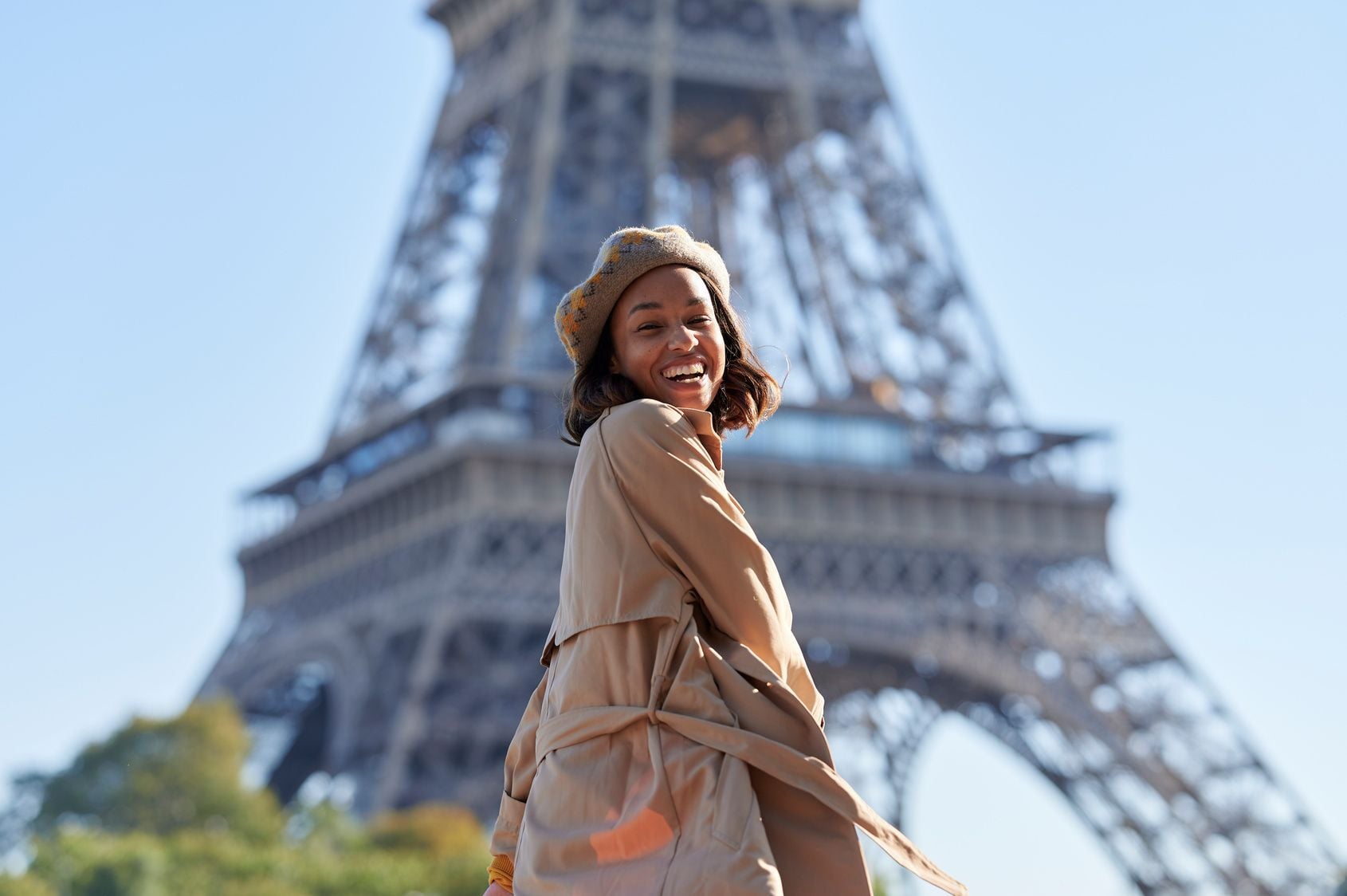
Table of Contents
- Paris
- Nice
- Cannes
- Lyon
- Strasbourg
- Bordeaux
- Marseille
- Annecy
- Colmar
- Chamonix
- Aix-en-Provence
- Saint-Tropez
- Avignon
- Toulouse
- Mont-Saint-Michel
1. Paris — France in Its Most Complete Form
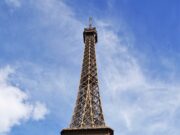
Paris ranks first because it combines world-famous landmarks, luxury hotels, museums, gastronomy, shopping, culture and year-round international appeal. No other French city offers comparable density: the Eiffel Tower and the Louvre can anchor a first visit, while Notre-Dame, the Seine, Montmartre, the Marais and Saint-Germain reward return journeys. Its theatre, exhibitions, palace hotels and restaurants keep the city relevant in every season.
- Main tourism strengths: art, architecture, fashion, fine dining, luxury hospitality and exceptional air and rail connectivity.
- Most important attractions: Eiffel Tower, Louvre Museum, Notre-Dame, Arc de Triomphe, Seine riverbanks and Montmartre.
- Best time to visit: April to June and September to October; winter for museums, shopping and fewer crowds.
- Ideal traveller: first-time visitors, culture lovers, couples, luxury travellers and families.
- OUISTARS recommendation: allow at least four nights, reserve major monuments in advance and devote one day to a single neighbourhood rather than racing across the city. Our investigative guide to visiting Versailles is the natural extension to a Paris stay.
2. Nice — The Riviera’s Best All-Round City
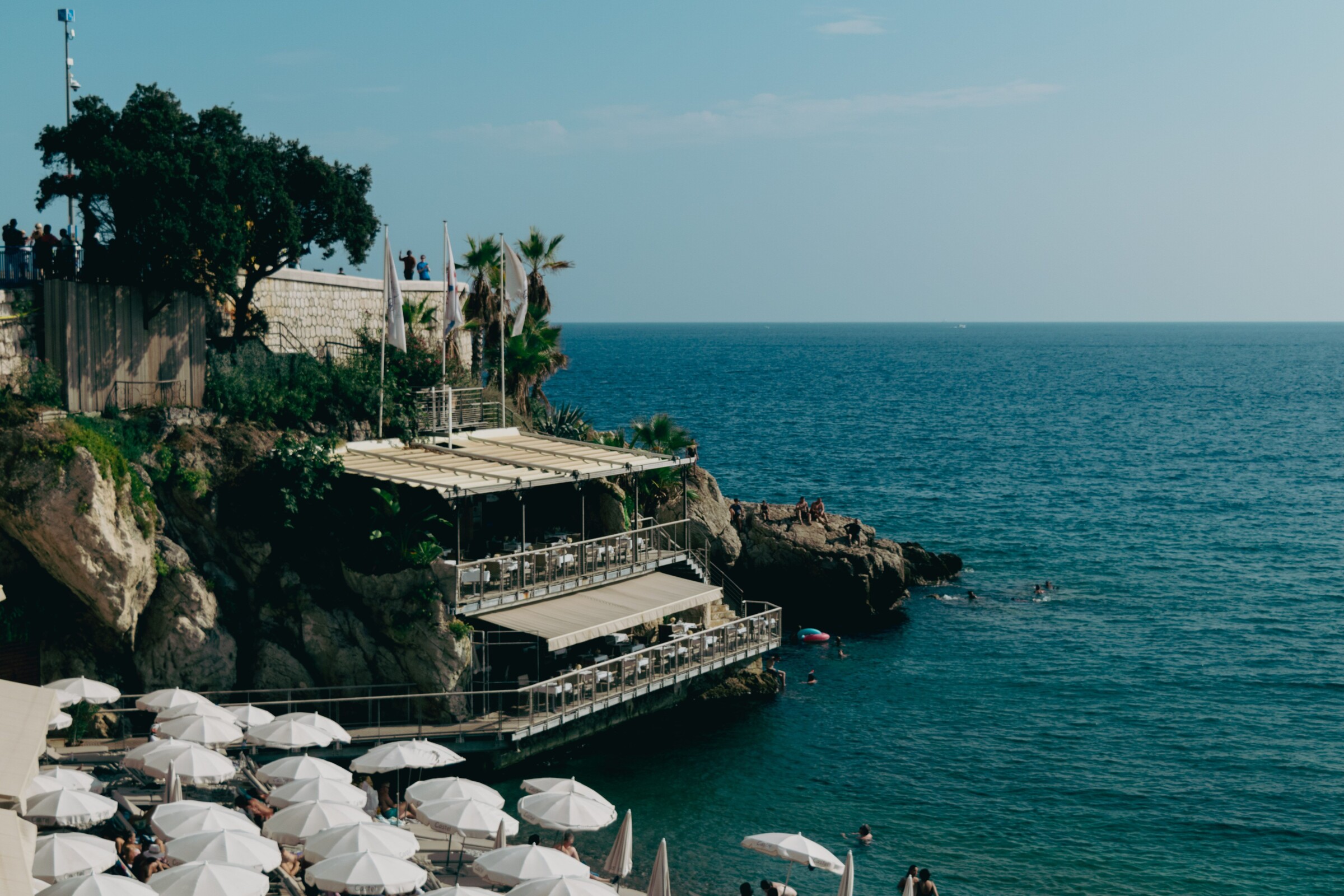
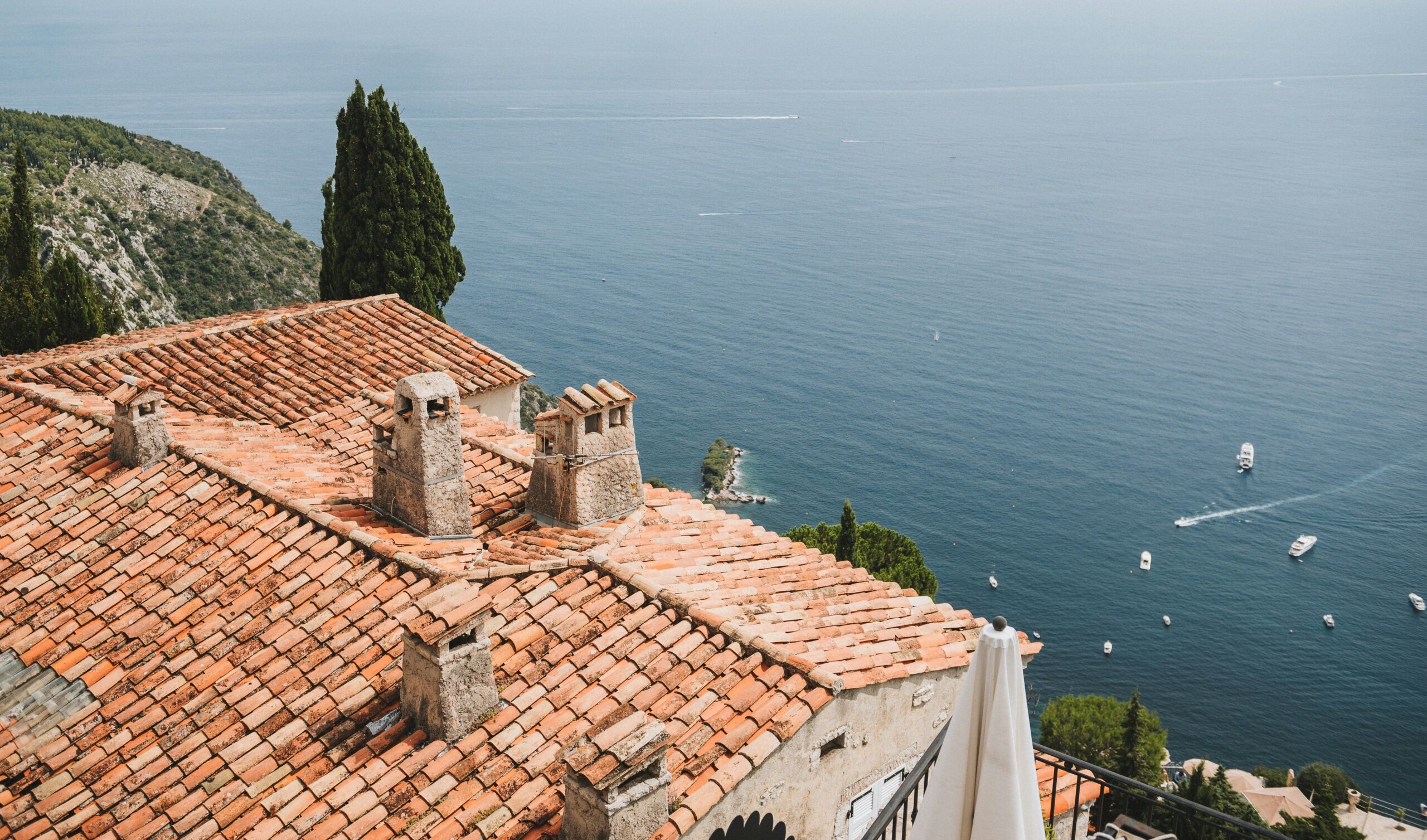
Nice ranks second because it offers a Mediterranean seafront, a cultured old town, major museums, excellent food and the best-connected base on the French Riviera. The nearly seven-kilometre Promenade des Anglais gives the city its grand horizon; Vieux Nice, Cours Saleya and Castle Hill supply colour and intimacy. Add the Matisse and Marc Chagall museums, a major international airport and easy access to Èze, Monaco and Antibes, and Nice becomes far more than a beach stop.
- Main tourism strengths: sea, museums, Provençal-Niçois cuisine, transport links and Riviera day trips.
- Most important attractions: Promenade des Anglais, Vieux Nice, Castle Hill, Cours Saleya and Musée Matisse.
- Best time to visit: May to June and September; winter for mild weather and cultural city breaks.
- Ideal traveller: couples, art lovers, families and travellers who want coast and city in one trip.
- OUISTARS recommendation: stay three nights, walk the old town early, then use Nice as a hub for one carefully planned Riviera excursion.
3. Cannes — The Small City with Global Star Power
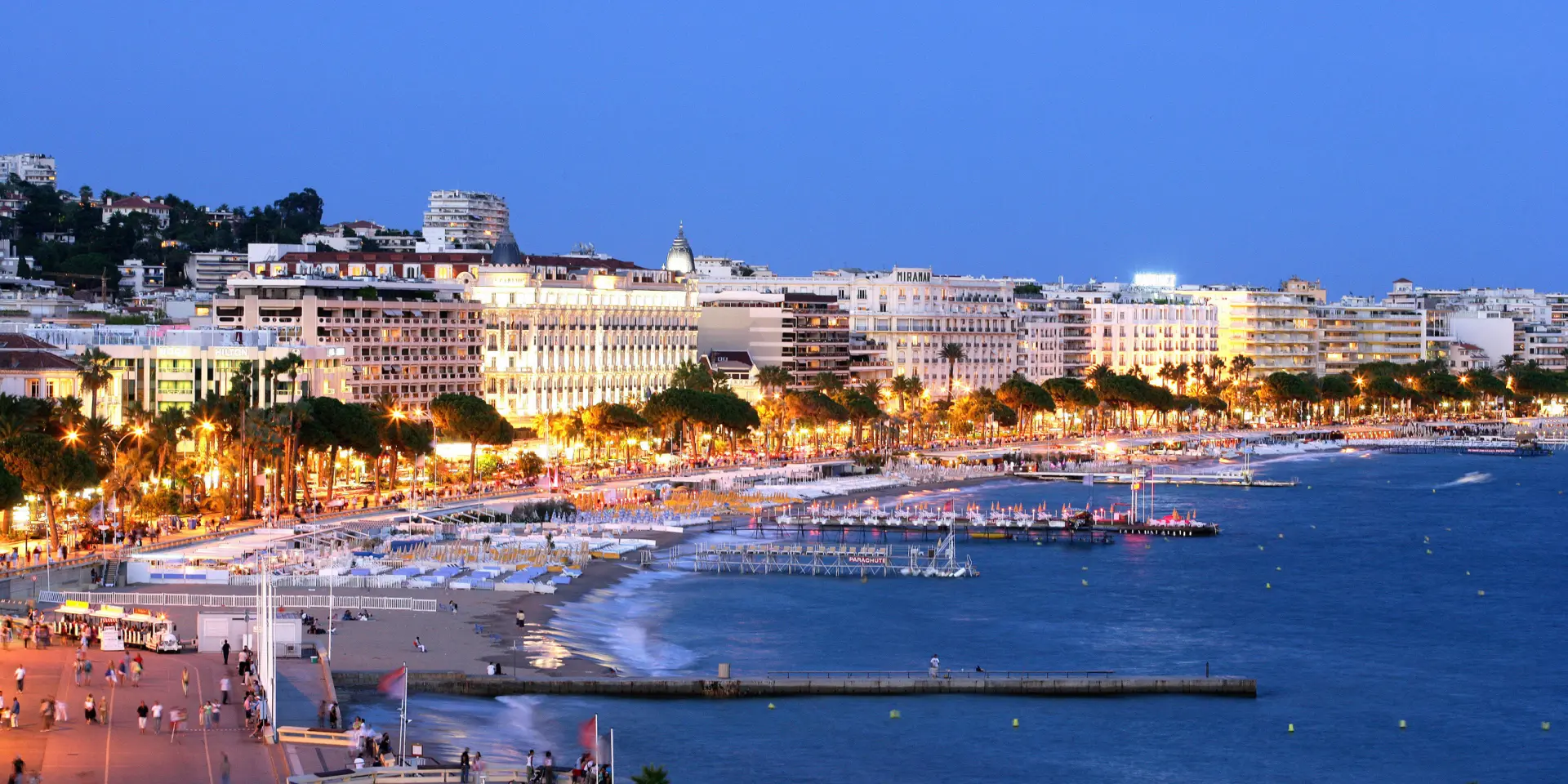
Cannes ranks third because it compresses cinema, palace hotels, beaches, yachting, luxury shopping and international events into one highly walkable waterfront. La Croisette provides the spectacle, but Le Suquet and Marché Forville preserve the city’s Provençal soul. The official Cannes essentials also include the Palais des Festivals and the Lérins Islands, a natural and cultural escape only about 15 minutes offshore by boat.
- Main tourism strengths: cinema, luxury hotels, beaches, events, shopping and maritime experiences.
- Most important attractions: La Croisette, Palais des Festivals, Le Suquet, Forville Market and Lérins Islands.
- Best time to visit: June or September; May is thrilling during the film festival but costly and access can be restricted.
- Ideal traveller: luxury travellers, cinema enthusiasts, couples, event delegates and yacht lovers.
- OUISTARS recommendation: balance one glamorous Croisette evening with a morning in Le Suquet and a half-day on Sainte-Marguerite or Saint-Honorat.
4. Lyon — France’s Most Satisfying Food-and-Culture Break
Lyon ranks fourth because it offers Renaissance heritage, serious museums, celebrated gastronomy and the energy of a major city without Parisian scale or pressure. Vieux Lyon is one of Europe’s largest Renaissance ensembles, threaded with the hidden passages known as traboules. Fourvière rises above the old city; Presqu’île is made for walking and shopping; the Musée des Confluences gives the city a contemporary counterpoint. Then come the bouchons, markets and culinary traditions that make meals part of the itinerary.
- Main tourism strengths: gastronomy, UNESCO-listed urban heritage, museums, riverfronts and easy train access.
- Most important attractions: Vieux Lyon, Basilica of Fourvière, traboules, Presqu’île and Musée des Confluences.
- Best time to visit: April to June or September to October; December for the Fête des Lumières.
- Ideal traveller: food lovers, architecture enthusiasts and experienced city-break travellers.
- OUISTARS recommendation: book a guided traboule walk, choose at least one certified bouchon and leave time for the Croix-Rousse slopes.
5. Strasbourg — Europe with an Alsatian Soul
Strasbourg ranks fifth because it blends a magnificent historic centre, Franco-German culture, European institutions and one of the continent’s most atmospheric Christmas seasons. The cathedral dominates the Grande Île; canals wrap around half-timbered Petite France; the Neustadt broadens the architectural story. Strasbourg works as both a romantic weekend and a gateway to the Alsace Wine Route. Its famous Christmas market dates to 1570, but spring and autumn reveal a calmer, greener city.
- Main tourism strengths: medieval and imperial architecture, Christmas traditions, cuisine, cycling and cross-border identity.
- Most important attractions: Strasbourg Cathedral, Petite France, Grande Île, Neustadt and the European Quarter.
- Best time to visit: April to June, September to October, or late November to December for Christmas.
- Ideal traveller: couples, Christmas-market visitors, architecture lovers and slow travellers.
- OUISTARS recommendation: sleep inside or near the Grande Île, visit the cathedral early and add one vineyard village rather than attempting all of Alsace in a day.
6. Bordeaux — Wine Capital, Reinvented River City
Bordeaux ranks sixth because it combines monumental architecture, a handsome riverfront, world-class wine culture and access to some of France’s most celebrated vineyards. The Place de la Bourse and Miroir d’Eau define the city’s visual identity; the Cité du Vin expands the experience beyond tastings; lively markets and neighbourhood restaurants keep it grounded. Bordeaux is elegant enough for a luxury weekend yet practical enough to explore on foot and by tram.
- Main tourism strengths: wine, gastronomy, UNESCO-listed architecture, riverfront life and vineyard access.
- Most important attractions: Place de la Bourse, Miroir d’Eau, Cité du Vin, Saint-André Cathedral and Chartrons.
- Best time to visit: May to June and September to October, especially around the harvest.
- Ideal traveller: wine lovers, couples, food travellers and design-conscious city breakers.
- OUISTARS recommendation: spend two nights in the city before a full-day, pre-booked vineyard experience; never treat Bordeaux as merely a departure point.
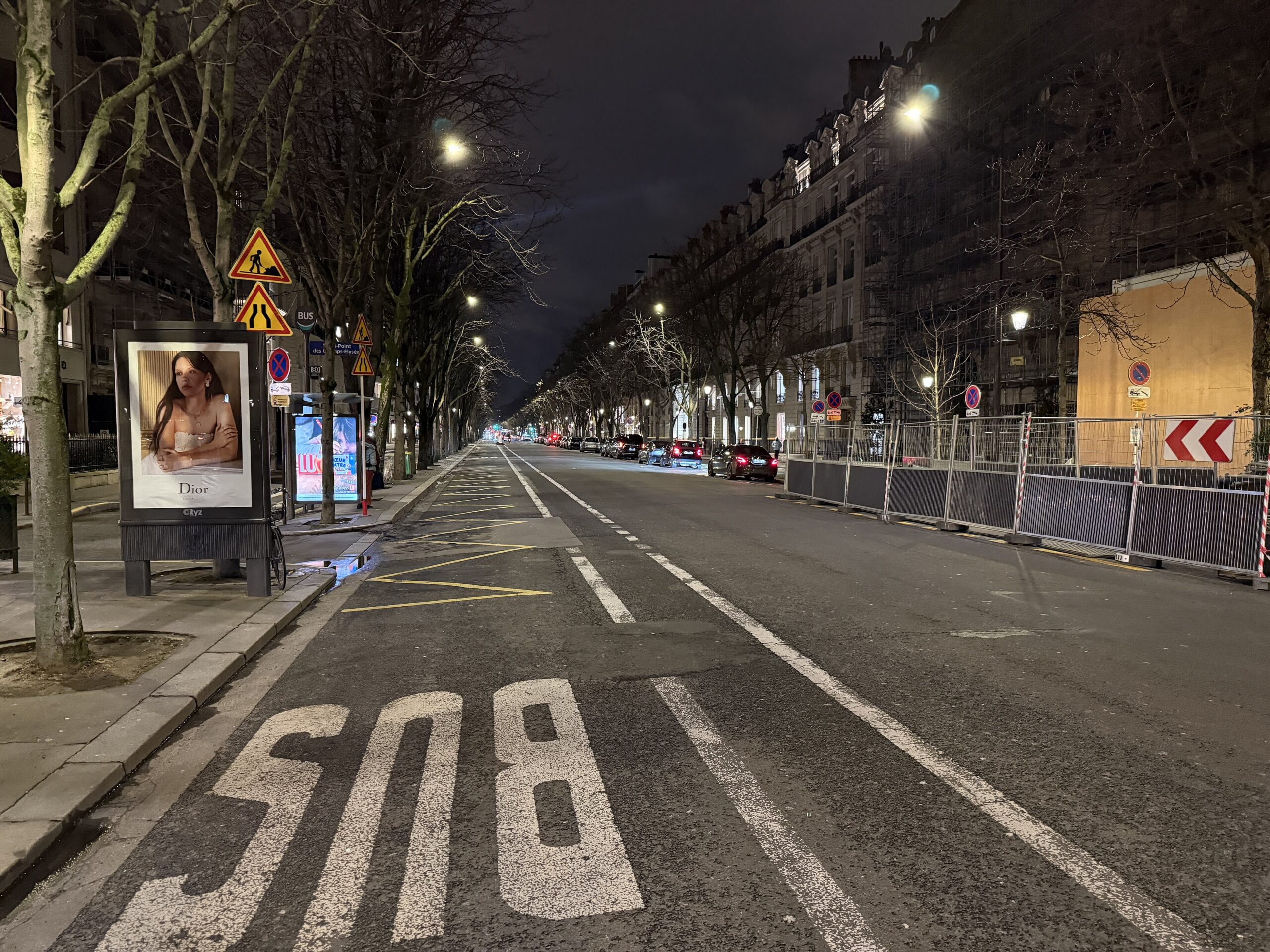
7. Marseille — France’s Most Compelling Mediterranean Contradiction
Marseille ranks seventh because it offers ancient history, a working port, bold contemporary culture, multicultural food and direct access to the Calanques. It is less polished than Nice or Cannes, but that is part of its force. The Vieux-Port leads naturally to Le Panier and Mucem, while Notre-Dame de la Garde gives the defining panorama. The Calanques add a wild landscape few large European cities can match.
- Main tourism strengths: maritime heritage, contemporary museums, diverse cuisine, islands and protected coastal scenery.
- Most important attractions: Vieux-Port, Notre-Dame de la Garde, Mucem, Le Panier and Calanques National Park.
- Best time to visit: April to June or September; check official Calanques access rules during fire-risk periods.
- Ideal traveller: independent travellers, food explorers, hikers and lovers of energetic port cities.
- OUISTARS recommendation: pair one heritage day with one properly planned sea or hiking day, and choose accommodation by neighbourhood rather than price alone.
8. Annecy — The Alpine City Built Around Water
Annecy ranks eighth because it offers one of France’s most beautiful lakes, a photogenic old town and immediate access to Alpine activities. Canals frame pastel façades and the Palais de l’Île, while the lakeside promenade opens towards mountains and exceptionally clear water. The pleasure is simple but complete: cycle, swim, sail, eat well and walk home through arcaded streets. Its popularity, however, makes timing essential.
- Main tourism strengths: lake scenery, outdoor sports, compact heritage, cycling and romantic atmosphere.
- Most important attractions: Lake Annecy, Vieille Ville, Palais de l’Île, Château d’Annecy and Pont des Amours.
- Best time to visit: May to June or September for outdoor weather with lighter crowds.
- Ideal traveller: couples, families, cyclists and travellers combining nature with urban comfort.
- OUISTARS recommendation: stay overnight—the city is most graceful before day visitors arrive and after the lakefront quiets.
9. Colmar — Alsace at Its Most Storybook
Colmar ranks ninth because it offers a remarkably preserved old town, distinctive Alsatian architecture, wine-country access and exceptional seasonal atmosphere. Little Venice follows the Lauch past historic houses once occupied by winegrowers, market gardeners and boatmen. The Unterlinden Museum adds artistic depth; nearby villages and vineyards make the city a practical base. Colmar can feel crowded at peak times, but its visual coherence remains extraordinary.
- Main tourism strengths: half-timbered architecture, wine, compact walkability, museums and Christmas appeal.
- Most important attractions: Little Venice, Unterlinden Museum, Koïfhus, covered market and the historic centre.
- Best time to visit: May to June, September, or late November to December.
- Ideal traveller: photographers, couples, wine travellers and Christmas-market enthusiasts.
- OUISTARS recommendation: begin before 9 a.m., visit the museum at midday and explore a wine-route village in the late afternoon.
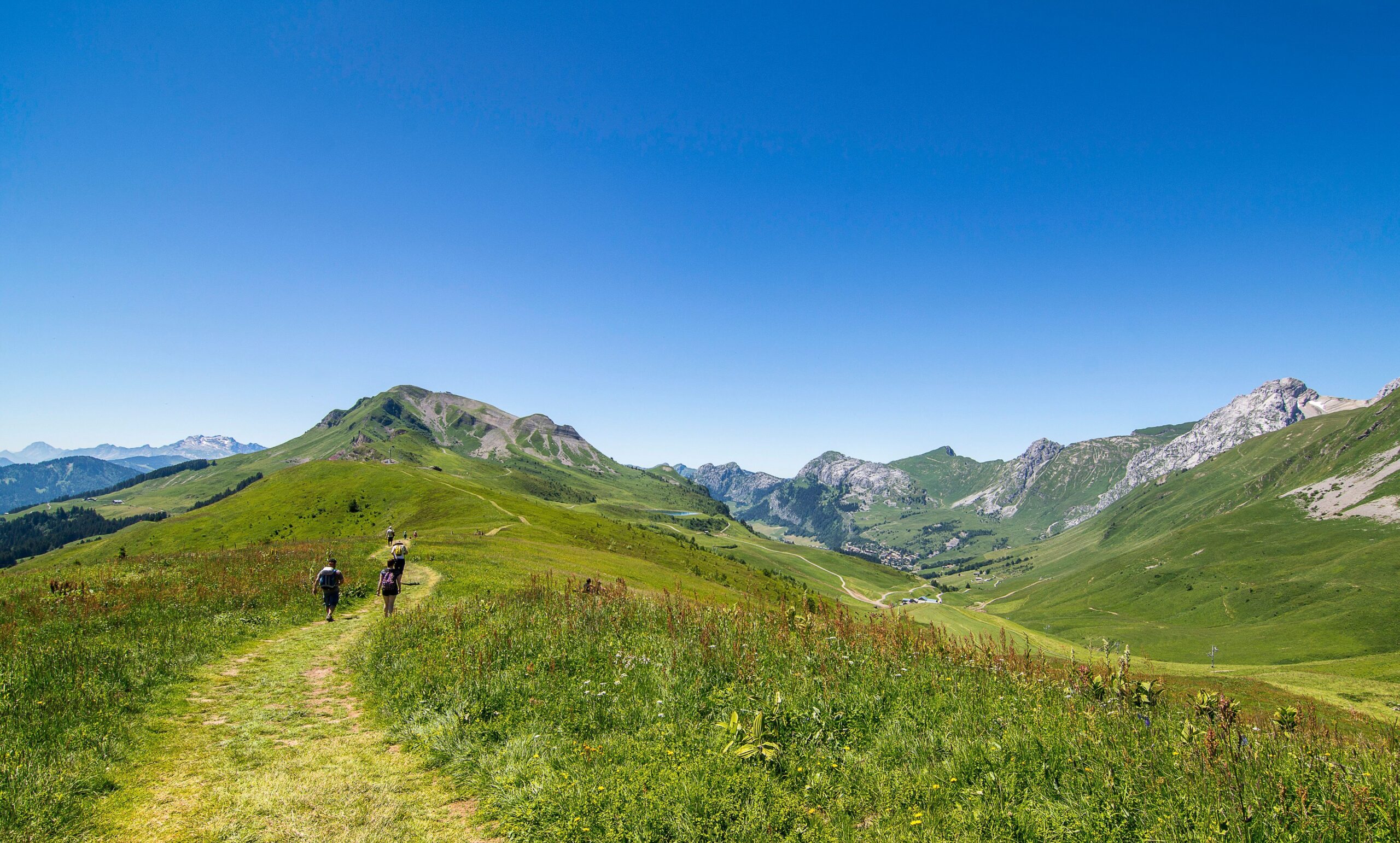
10. Chamonix — France’s High-Altitude Icon
Chamonix ranks tenth because it offers legendary mountain scenery, serious outdoor adventure and direct access to two Alpine icons: the Aiguille du Midi and the Mer de Glace. It is not only a ski resort. The 2025–2026 destination guide highlights summer activities alongside its famous cable-car and mountain-railway experiences. Chamonix’s weakness is also its appeal: weather and altitude shape the day, so flexibility matters more than a rigid checklist.
- Main tourism strengths: mountaineering heritage, skiing, hiking, panoramic lifts and year-round Alpine atmosphere.
- Most important attractions: Aiguille du Midi, Mer de Glace, Montenvers Railway, town centre and valley trails.
- Best time to visit: January to March for snow; June to September for hiking and clear high-mountain days.
- Ideal traveller: skiers, hikers, adventure travellers and families comfortable with mountain conditions.
- OUISTARS recommendation: keep one weather-flexible day, book headline lifts early and never underestimate altitude, sun or rapidly changing conditions.
11. Aix-en-Provence — Provençal Elegance at Walking Pace
Aix-en-Provence ranks eleventh because it offers fountains, markets, private mansions, café life and the artistic landscape of Cézanne in an elegant, walkable centre. The plane trees and façades of Cours Mirabeau set the rhythm, while the Mazarin quarter, Musée Granet and Cézanne sites add substance. Nearby Sainte-Victoire gives the city a landscape as recognisable as its architecture. Aix is about cultivated slowness, not a race between monuments.
- Main tourism strengths: art, Provençal markets, architecture, gastronomy, festivals and countryside access.
- Most important attractions: Cours Mirabeau, old town, Musée Granet, Cézanne sites and Montagne Sainte-Victoire.
- Best time to visit: April to June or September; midday summer heat can be intense.
- Ideal traveller: art lovers, couples, food travellers and visitors seeking polished Provençal life.
- OUISTARS recommendation: reserve a Cézanne-themed visit, shop the morning market and save half a day for Sainte-Victoire or a nearby vineyard.
12. Saint-Tropez — A Village with Mythic Reach
Saint-Tropez ranks twelfth because it offers an unmatched blend of fishing-village character, fashion, yachts, beaches, art and international glamour. The port supplies the theatre, but La Ponche, Place des Lices and the Musée de l’Annonciade reveal more intimate layers. Its lower position reflects summer congestion and high prices, not lack of quality. Travellers who arrive outside the busiest weeks encounter a surprisingly human village.
- Main tourism strengths: luxury lifestyle, maritime heritage, art, beaches, shopping and nightlife.
- Most important attractions: Old Port, La Ponche, Place des Lices, Citadel and Musée de l’Annonciade.
- Best time to visit: May to June or September; July and August are the most crowded.
- Ideal traveller: luxury travellers, couples, yacht visitors, art lovers and social travellers.
- OUISTARS recommendation: arrive early or by sea, explore the market on Tuesday or Saturday, and remember that Pampelonne’s best-known beach clubs are in neighbouring Ramatuelle.
13. Avignon — Medieval Power, Living Theatre
Avignon ranks thirteenth because it offers papal history, monumental architecture, a famous performing-arts festival and a strategic base for western Provence. The Palais des Papes dominates the walled centre; the Pont Saint-Bénézet reaches into the Rhône; squares and shaded streets make the city easy to absorb on foot. During the July festival, Avignon becomes a vast stage. At other times, it is calmer and more contemplative.
- Main tourism strengths: medieval history, theatre, walkability, Rhône landscapes and Provence access.
- Most important attractions: Palais des Papes, Pont d’Avignon, ramparts, Rocher des Doms and Musée du Petit Palais.
- Best time to visit: April to June or September; July for festival energy if booked well ahead.
- Ideal traveller: history lovers, festival-goers, families and Provence road-trippers.
- OUISTARS recommendation: sleep inside the walls, tour the palace at opening and use a second day for the Luberon, Châteauneuf-du-Pape or Roman Provence.
14. Toulouse — The Pink City Looking to Space
Toulouse ranks fourteenth because it offers warm brick architecture, Romanesque heritage, lively food culture and a rare connection between historic France and the aerospace future. The Capitole, Saint-Sernin, Jacobins Convent and Garonne riverfront create a rewarding city break; the Cité de l’Espace and Airbus experiences give families and technology enthusiasts a reason to stay longer. The UNESCO-listed Canal du Midi adds a slower, greener axis.
- Main tourism strengths: architecture, aviation and space, student energy, gastronomy and canal-side life.
- Most important attractions: Capitole, Basilica of Saint-Sernin, Jacobins Convent, Cité de l’Espace and Canal du Midi.
- Best time to visit: April to June or September to October.
- Ideal traveller: families, architecture lovers, aviation enthusiasts and repeat visitors to France.
- OUISTARS recommendation: combine a heritage morning with an aerospace afternoon, then see the brick façades change colour at sunset along the Garonne.
15. Mont-Saint-Michel — The Destination That Defies the Category
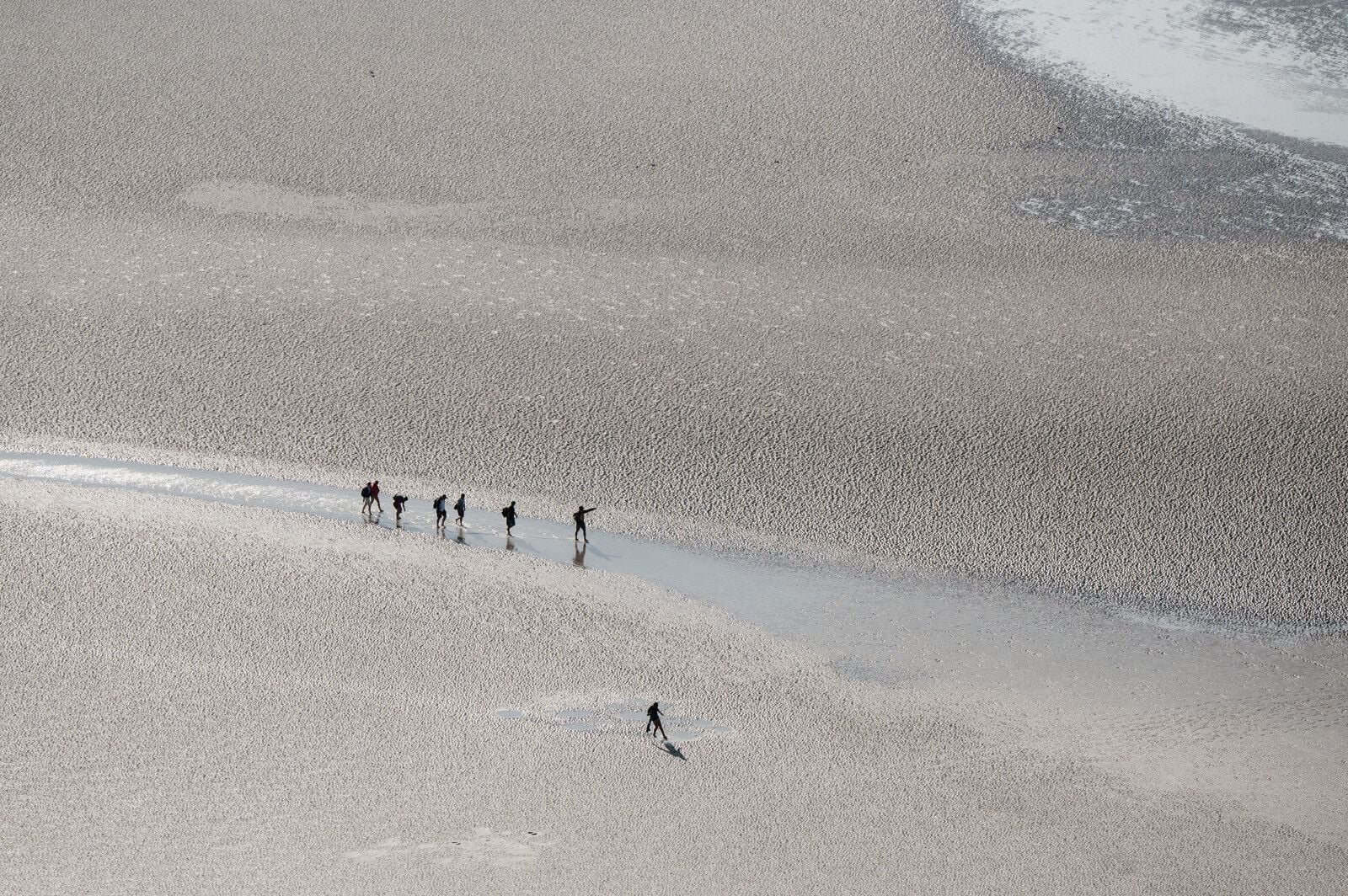
Mont-Saint-Michel ranks fifteenth because it offers one of Europe’s most extraordinary combinations of medieval architecture, pilgrimage history, tidal landscape and pure visual drama. Strictly speaking, it is a tiny commune and fortified village rather than a city—yet excluding it from a ranking of France’s essential urban destinations would ignore its global importance. The abbey crowns the rock; ramparts overlook a bay with the highest tides in continental Europe; the Grande Rue preserves the vertical logic of the medieval settlement.
- Main tourism strengths: UNESCO heritage, architecture, tides, photography, spirituality and Normandy landscapes.
- Most important attractions: Mont-Saint-Michel Abbey, ramparts, Grande Rue, bay viewpoints and the Couesnon causeway.
- Best time to visit: April to June or September to October, ideally early morning or late afternoon.
- Ideal traveller: history lovers, photographers, families and travellers seeking a once-in-a-lifetime landmark.
- OUISTARS recommendation: check the official tide schedule, stay overnight nearby and never cross the bay without an accredited guide.
How to Turn the Ranking into One France Itinerary
Do not attempt all fifteen destinations in one holiday. For a first journey, pair Paris with one contrasting region: Lyon for food, Strasbourg for Alsace, Bordeaux for wine, or Nice and Cannes for the Riviera. A second trip can go deeper—Marseille and Aix-en-Provence; Annecy and Chamonix; Avignon and the western Provençal countryside.
Travellers prioritising time and continuity can combine high-speed rail with pre-arranged local support. oui stars destination management in France, a private chauffeur service or a confirmed airport transfer can be useful when luggage, children, business schedules or several regional stops make improvisation costly. The value is coordination—not replacing the pleasure of walking once you arrive.
For the national context behind this ranking, read OUISTARS Travel Magazine’s analysis of how France keeps the world tourism crown and its investigation into the France Tourism 2030 strategy. Together, they explain why these destinations form something more powerful than a list: a network of culture, transport, hospitality and regional identities that gives France unusual resilience.
The OUISTARS Verdict
Paris is the clear first choice because it offers the fullest expression of France in one city. Nice follows because it is the Riviera’s most versatile base; Cannes earns third place through its extraordinary concentration of luxury and global events. Yet the deeper lesson sits lower in the ranking. France remains compelling because Lyon does not resemble Strasbourg, Marseille refuses to behave like Bordeaux, and Mont-Saint-Michel could exist nowhere else.
The best destination is therefore not simply the one at number one. It is the city that matches the journey you need now—art, sea, food, snow, history or silence—and leaves enough unexplored to bring you back.
Frequently Asked Questions
What is the best tourist city in France for a first visit?
Paris is the best first choice because it combines France’s most famous monuments, museums, neighbourhoods, shopping and restaurants with excellent international and domestic connections.
Which French city is best for beaches and culture?
Nice offers the strongest balance of beach life and culture, with the Promenade des Anglais, Vieux Nice, major art museums and easy day trips across the French Riviera.
Which city in France is best for food lovers?
Lyon is the standout food destination for its bouchons, markets and culinary heritage, while Paris and Bordeaux offer broader international dining and wine experiences.
Which destinations are best for a winter trip to France?
Chamonix is best for snow and mountain sports; Strasbourg and Colmar excel during the Christmas season; Paris remains strong for museums, dining and shopping throughout winter.
How many French cities can you visit in one week?
Two destinations—or Paris plus one region—is the most rewarding pace for seven days. Three can work when they are closely connected, such as Nice, Cannes and Saint-Tropez, but frequent transfers reduce time for discovery.
Research note: Destination details were checked against the official tourism offices of Paris, Nice Côte d’Azur, Cannes, Lyon, Strasbourg, Bordeaux, Marseille, Lake Annecy, Colmar, Chamonix-Mont-Blanc, Aix-en-Provence, Saint-Tropez, Avignon, Toulouse and Mont-Saint-Michel Normandy. Opening conditions, seasonal access and event dates can change; verify official websites before travel.







_-_2026-02-19_-_1.jpg)