














OUISTARS Investigation | Aviation & European Tourism
When Missiles Fly, Holidays Wait: How Middle East Tensions Quietly Reshaped Europe’s Summer Tourism in 2026
Europe did not lose its summer. But for thousands of Gulf travellers, the journey to Paris, Milan or Marbella became a question of airspace, confidence and timing.
The Paris suite was reserved. The children’s passports were ready. Dinner and a driver at Charles de Gaulle had been arranged. Then the airline app changed colour: cancelled.
For a Gulf family planning a European summer, the first casualty was not desire but certainty. After hostilities escalated on 28 February, restrictions and rerouting disrupted a valuable tourism corridor. Trips were postponed, booking windows shortened and premium itineraries rebuilt around flexibility.
The aviation shock was severe; Europe nevertheless remained resilient overall. Exposure varied sharply by origin market, airline, destination and date.
The Week the Air Map Changed
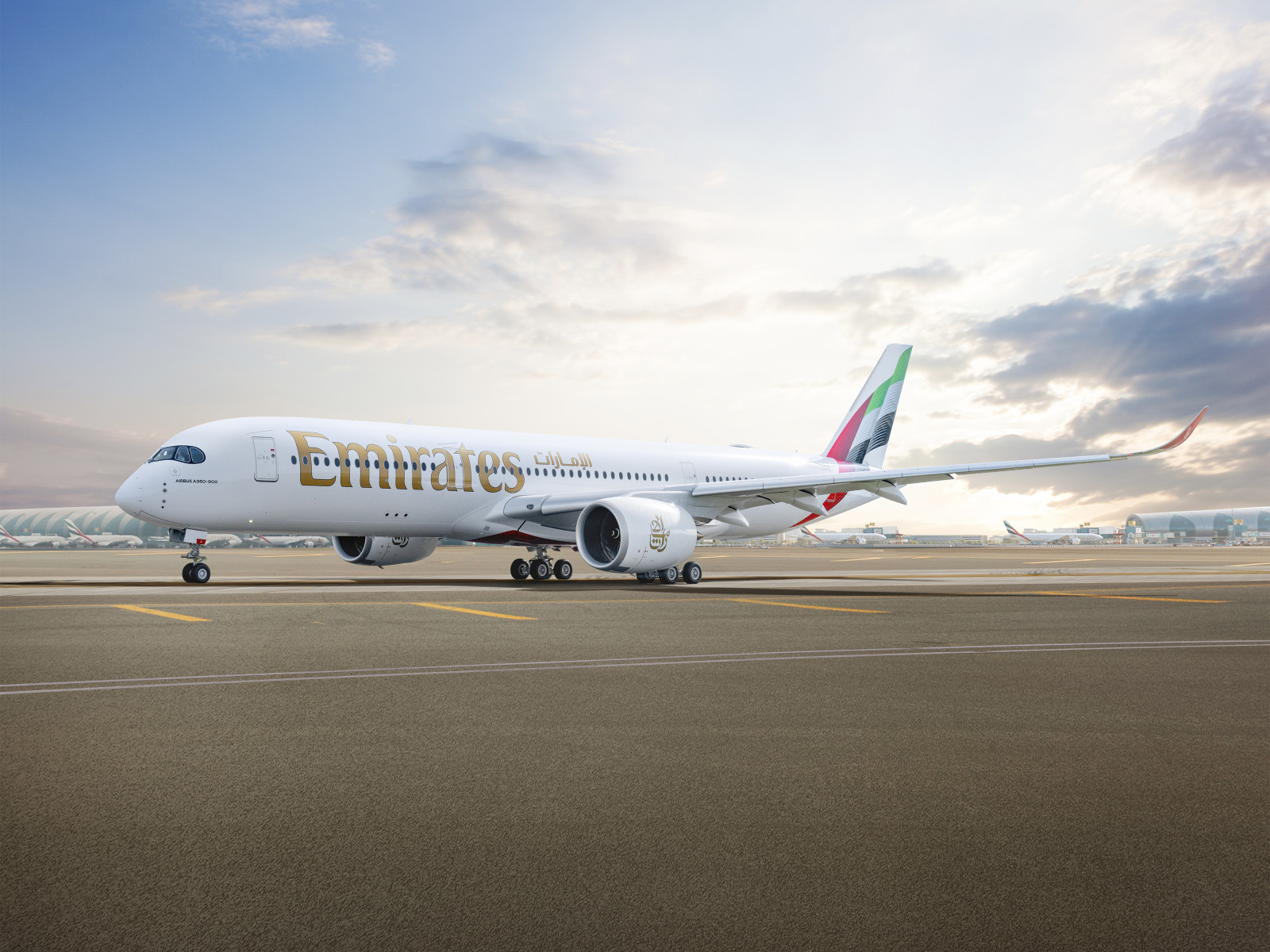
Verified fact: EUROCONTROL measured 59% fewer flights between the Middle East and Europe after the escalation, roughly 1,200 daily services below the normal level of about 2,000. Around 1,150 flights a day were rerouted, adding an estimated 206,000 kilometres, 602 tonnes of fuel and 1,900 tonnes of carbon dioxide to daily operations.
IATA described the March disruption as the region’s most severe since the pandemic: approximately 85% of flights arriving at or departing from Gulf airports were cancelled during the first seven days of March. Qatar’s second-quarter capacity was projected 34% below 2025, the UAE’s 20% lower and Saudi Arabia’s 7.6% lower.
The risk picture later improved. The European Union Aviation Safety Agency allowed its broad regional conflict-zone bulletin to expire on 8 July after ceasefires reduced immediate tensions, while retaining separate warnings for Iran, Iraq and Lebanon. It would therefore be inaccurate to describe the entire Gulf as closed throughout summer.

Gulf Travellers Did Not Stop Wanting Europe
Verified fact: IATA’s early-summer booking data showed a gradual recovery from the 63% collapse recorded in March. Yet Europe and Africa still registered booking declines in April and May, revealing how heavily many journeys depend on Gulf hubs.
IATA’s April traveller survey found 81% of respondents concerned about geopolitical disruption and 71% booking closer to departure, although 68% said they had not changed their underlying travel habits.
OUISTARS analysis: This looks less like disappearing Gulf demand than a conversion problem. When travellers cannot trust the flight, they delay every purchase attached to it. Revenue can move later, shift elsewhere or vanish without appearing as a formal cancellation.
The pattern supports our earlier investigation into privacy as the new luxury in travel. In 2026, certainty joined privacy: the ability to control time, avoid stranded connections and change a complex itinerary became a premium benefit in its own right.
Why Family Travel Was Especially Sensitive
A multi-generational Gulf holiday may involve several cabins, adjoining suites, visas, medication and a month of commitments. A reroute that inconveniences one traveller can be unacceptable for a family with young children or older relatives.
Data limit: No publicly available Europe-wide official dataset isolates 2026 cancellations by Gulf families. Claims that families abandoned France, Italy or Spain in a single mass movement would be speculation.
OUISTARS analysis: Late booking was likely amplified among larger families because their exposure is greater. Direct flights, refundable terms and clear re-accommodation became decisive: could the whole journey recover if one flight changed?

France Felt the Corridor Shock, Not a National Collapse
The French Treasury confirmed that flight restrictions reduced arrivals from the Middle East and journeys connecting through it. Atout France noted that the region carries about 20% of Europe-Asia traffic but accounts for only 3% of French air traffic, limiting the shock at national level.
April international air arrivals to France were 3.8% below the previous month and 3.3% lower year to date. That movement cannot be attributed entirely to the conflict. February tourism receipts had still reached EUR 5 billion, 11% above a year earlier, illustrating the broader resilience explored in our report on how France protects its global tourism leadership.
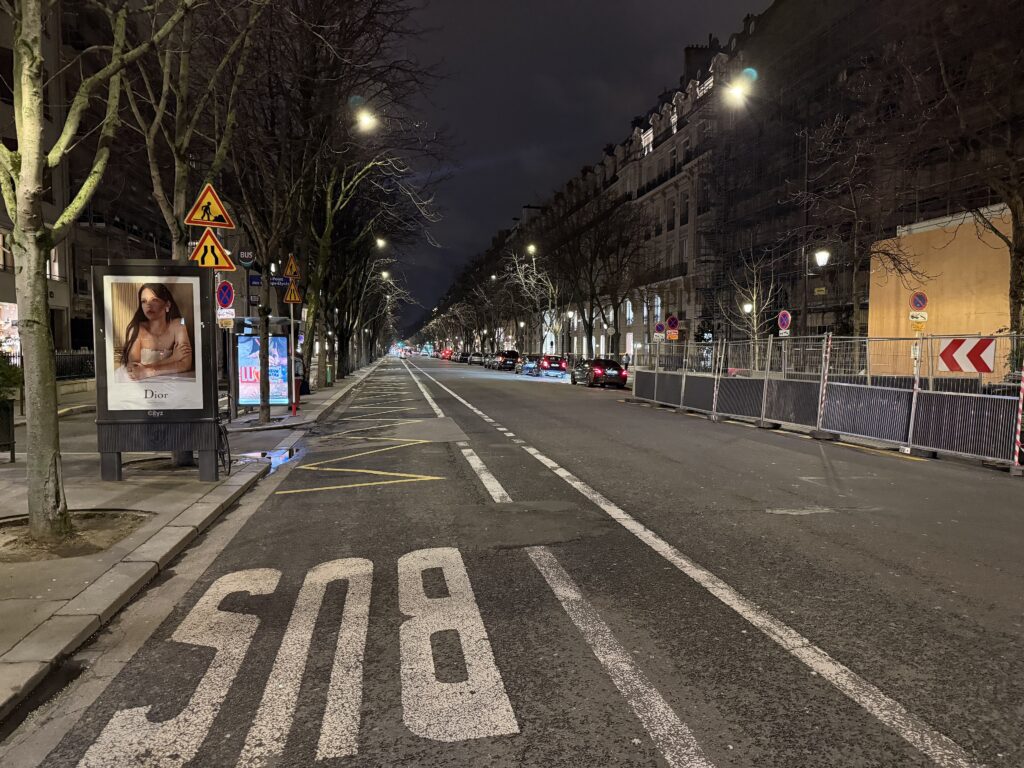
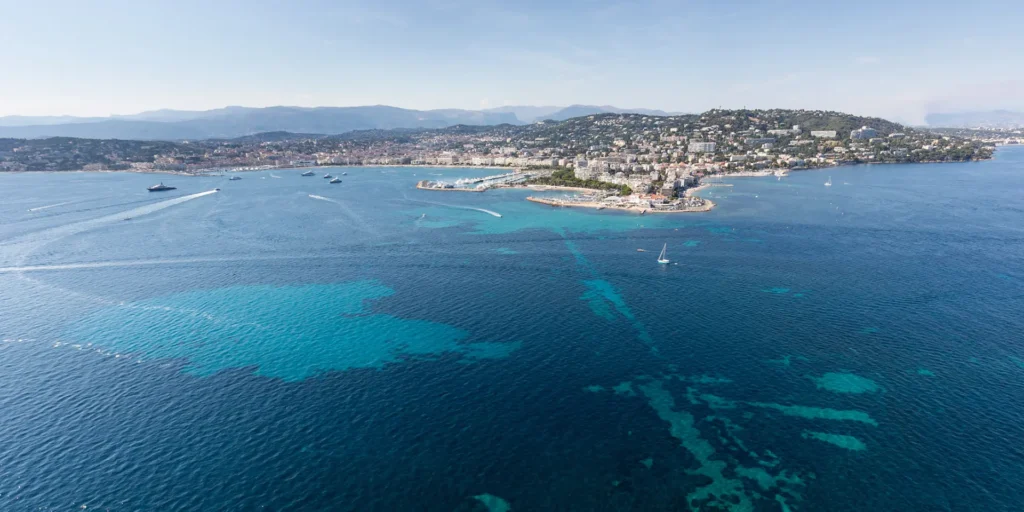
Paris and the Riviera carried more value risk than volume risk
Gulf guests matter disproportionately to luxury hotels, family suites, department stores, private villas and premium mobility. A modest fall in arrivals can therefore create a more visible commercial gap in the highest-spending segments than in France’s national visitor count.
Yet France also had substitutes: domestic travel, short-haul European demand and direct North American traffic. Its diversified portfolio remains the central advantage identified in our France Tourism 2030 analysis.
Italy and Spain Showed How Resilience Can Hide Redistribution
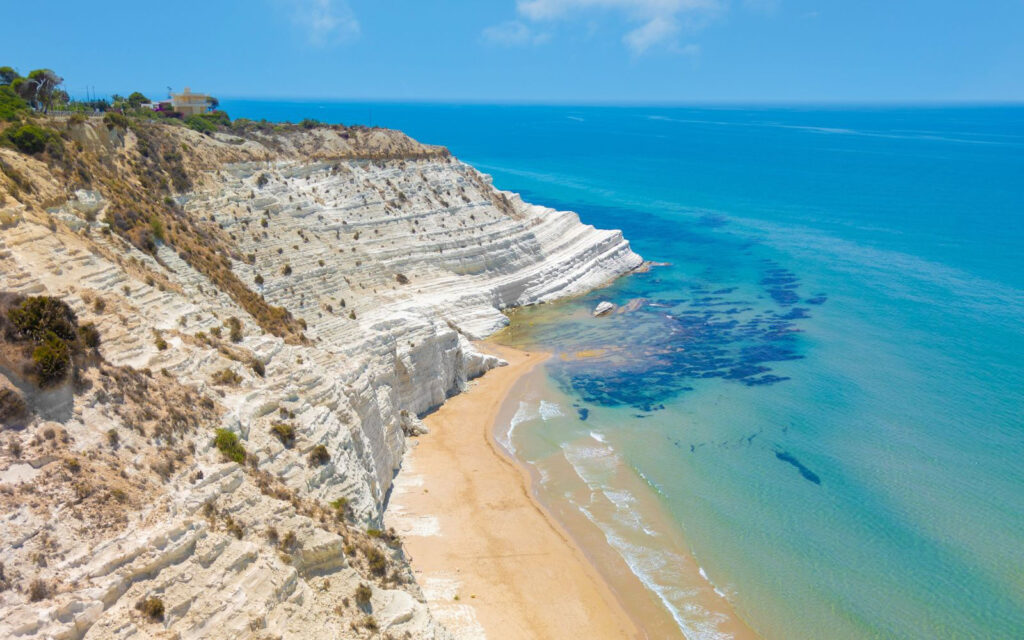
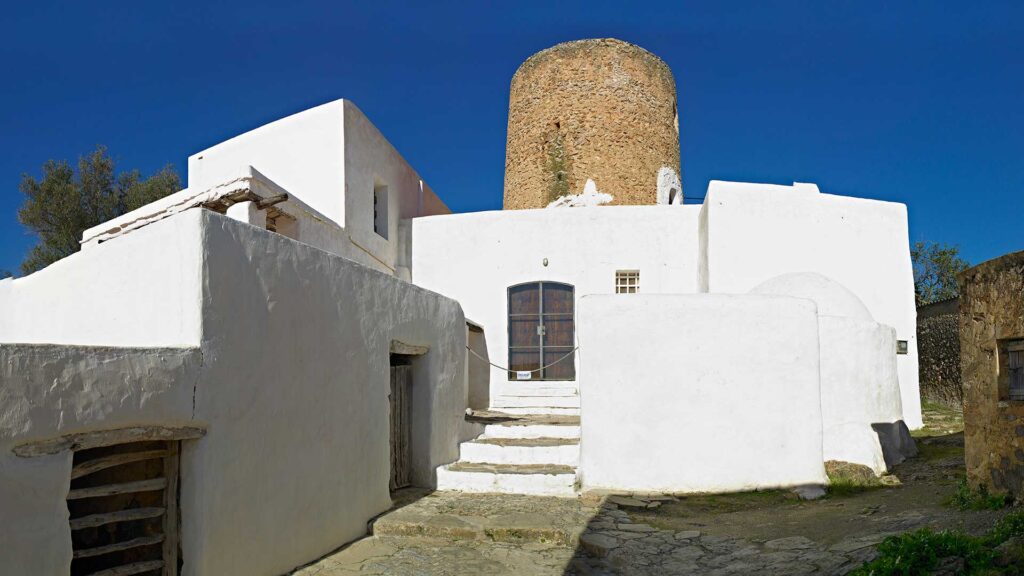
Atout France’s May market note recorded April air arrivals rising 3.2% in both Spain and Italy, while year-to-date arrivals were up 1.3% and 4% respectively. Spain then received 10.26 million international visitors in May, 9.5% more than a year earlier, according to INE.
These figures do not prove Gulf demand was untouched. They show that European, British and other long-haul markets could offset weakness in one corridor. Greece, Switzerland and the United Kingdom also faced different airline networks and source-market mixes.
Verified regional picture: European international arrivals were still 5% higher year to date in the second quarter, according to the European Travel Commission. UN Tourism reported Europe up 4% in the first quarter while the Middle East was down 14%. The story was resilience with pockets of pain, not a continent-wide tourism retreat.
Airlines Rebuilt the Network in Real Time
Carriers cancelled, consolidated and rerouted services as risk changed. Longer paths raised fuel and crew costs. On 5 June, EUROCONTROL recorded jet fuel at USD 3.53 per gallon, 56% above its pre-crisis level. IATA subsequently cut its 2026 airline profit forecast to USD 23 billion from USD 41 billion, with Middle Eastern airlines forecast to lose USD 4.3 billion.
Airlines added direct Europe-Asia capacity, and IATA expected European carriers to gain some traffic previously routed through Gulf hubs. Connectivity can move before customer loyalty does.
Hotels, Agencies and DMCs Began Selling Flexibility
Hotels protected demand with changeable terms, later payment deadlines and direct communication. Agencies proposed alternate gateways and held parallel options. The European Tourism Association’s June survey found 45% of responding buyers and destination companies reporting a moderate impact and 35% a high impact, with postponements into 2027, price uncertainty and cancellations among the reported effects.
For DMCs, the response moved beyond concierge polish. Teams needed live flight monitoring, backup vehicles, revised check-in times and the authority to re-sequence an itinerary. This is where specialist operators remain relevant despite the platform power examined in our investigation into the companies shaping global tourism distribution.
In France, oui stars is one example of a destination-management and mobility company connecting pre-booked airport reception, private chauffeur services and local coordination. During disruption, the relevant value is not display; it is having one accountable team when the arrival time changes.

Exclusive OUISTARS Analysis: Luxury’s New Product Is Confidence
The shock exposed a weakness in tourism accounting. Arrivals show who came, not the family that waited or the villa replaced by a shorter stay. Premium tourism depends on confidence before it becomes revenue.
“Gulf families did not stop loving Europe; they stopped trusting the journey. In luxury travel, confidence is part of the product. The destinations and operators that protected flexibility, communication and the first mile after arrival will recover the fastest.”
— Sam Samaha, exclusive statement prepared for OUISTARS Travel Magazine
OUISTARS prediction: Gulf travel to Europe will rebound unevenly. Destinations with multiple gateways, flexible hotels and strong local coordination will recover first. Some postponed trips will reappear in 2027 as longer family journeys, while shorter booking windows will endure.
The winners will not necessarily be the cheapest destinations. They will be the ones able to answer three questions quickly: Is the route operating? Can the booking change? Who takes responsibility when it does?

Europe’s Summer Was Delayed, Not Defeated
Missiles changed flight paths. They did not erase the cultural pull of Paris, the Italian coast or Spain’s islands. Europe retained its scale, variety and nearby markets; by early summer, aviation was recovering and broad European arrivals were still growing.
But the crisis quietly redrew the premium journey. Safety information, flexible contracts and operational clarity moved from the small print to the centre of the sale. For Gulf travellers, Europe remained desirable. In 2026, desire simply had to wait for a trustworthy way to get there.

Frequently Asked Questions
Did the 2026 Middle East conflict reduce flights to Europe?
Yes. EUROCONTROL recorded 59% fewer Middle East-Europe flights after the February escalation, while IATA reported widespread Gulf cancellations in early March. Services then recovered gradually.
Was Gulf airspace closed for the whole summer of 2026?
No. Restrictions and risk levels varied by country and date. EASA’s broad regional bulletin expired on 8 July after ceasefires, while separate warnings remained for Iran, Iraq and Lebanon.
Did Gulf tourists cancel European holidays in 2026?
Bookings and flights declined sharply during the initial disruption, then recovered. Available data support postponement and shorter booking windows, but no official Europe-wide dataset isolates all Gulf family cancellations.
Which European destinations were most exposed?
Luxury destinations with strong Gulf demand, including Paris and the French Riviera, faced higher value exposure. National outcomes varied because France, Italy and Spain also draw large domestic, European and other long-haul markets.
What should travellers check before booking Europe from the Gulf?
Check official travel advice, airline operating notices, transit-airspace exposure, insurance exclusions and change terms. Prefer refundable arrangements and give agencies, hotels and local operators accurate flight and contact details.