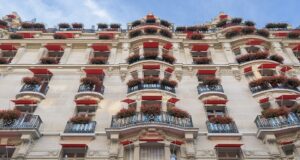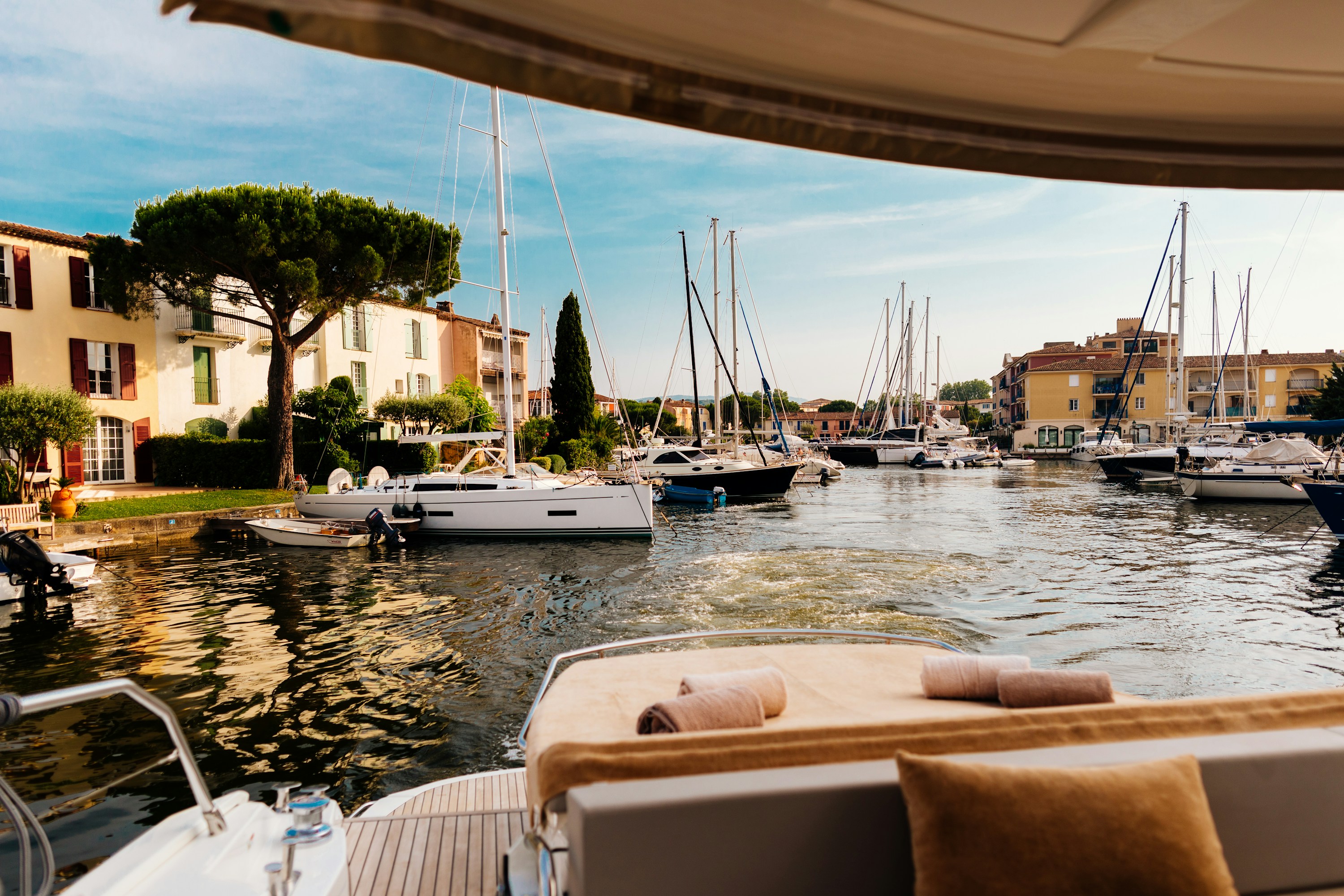
Saint-Tropez sells one of the most profitable dreams in global travel: a fishing village where a harbour table, a white superyacht and a private villa can become shorthand for success. But a destination can be rich in luxury spending and poor in everyday life. The real test is whether the people who cook, clean, drive, repair, teach, police and preserve the village can still afford to belong to it.
OUISTARS Travel Magazine examines the latest official tourism, housing and mobility figures. The evidence does not support a simplistic attack on wealth. Luxury sustains businesses, jobs and public revenue. It does, however, expose a difficult question: can Saint-Tropez keep the permanent community and cultural character that made the brand valuable in the first place?
The numbers behind the Saint-Tropez luxury economy
The town’s tourism office reported nearly 17.7 million visits in 2024, more than €2.4 million in visitor-tax revenue, a 1.5% rise in overnight stays between April and October, 14% growth in day visitors and a 4% increase in revenue per available room at five-star hotels and palaces.
These figures need context. The 17.7 million total is a measure of recorded visitation or footfall reported by the destination, not 17.7 million unique overnight tourists. A single person can be counted across days or movements. It is still an extraordinary scale for a municipality whose permanent population is about 3,600.
At a 2026 local security meeting, the municipality said the resident population rises to 60,000–70,000 in season, with daily peaks of 130,000–140,000 visitors and 18.6 million visits recorded in 2025. The contrast explains both the economic opportunity and the operational strain.
Luxury is not the problem; dependency is
High-end hotels, villas, restaurants, beach clubs, retail, marinas and events attract clients with strong spending power. That demand supports chefs, concierges, housekeepers, yacht services, tradespeople, security teams, chauffeurs, cultural venues and suppliers across the Gulf of Saint-Tropez.
The danger begins when the destination depends on a narrow peak season, when value escapes through non-local ownership, or when the workers required to deliver premium service cannot live within practical distance. Luxury tourism is most resilient when it funds a functioning village—not when it replaces one.
The housing figure that should stop Saint-Tropez in its tracks
INSEE’s July 2026 municipal profile shows 6,902 dwellings in Saint-Tropez in 2023. Only 1,902 were principal residences. By contrast, 4,715 were second homes or occasional dwellings: 68.3% of the entire housing stock. Principal residences represented just 27.6%.
The direction is as important as the level. Between 2017 and 2023, the number of principal residences fell by 329, or 14.8%, while second and occasional homes rose from 4,124 to 4,715. This does not prove that every second home displaced a local family. It does show a structural imbalance that any serious tourism strategy must address.
A village with empty shutters in winter and a labour shortage in summer risks becoming a stage set. The brand may remain famous for years, but the lived culture—neighbours, schools, year-round shops, clubs and artisans—becomes harder to sustain.
Who serves the season—and where do they sleep?
Seasonal workers are the invisible infrastructure of Saint-Tropez. Official state information cites the town’s temporary modular village, offering 47 workers accommodation at €150 a month. It is a practical intervention and a useful model, but its scale also shows the gap between the housing need and the available response.
Better workforce policy should connect employers, neighbouring municipalities, transport operators and housing providers. Staff accommodation, predictable shuttles, fair contracts, training and career progression are not merely social measures. They are part of the quality promise made to every luxury guest.
Traffic: when exclusivity becomes gridlock
Saint-Tropez has no railway station, and road access funnels large seasonal flows through a constrained coastal territory. The municipality’s 2026 parking information lists 1,477 spaces at the Nouveau Port, 307 at Les Lices and 100 at Foch. Even substantial parking capacity cannot solve peak demand on its own.
In May 2026, the town introduced new summer regulation for paid passenger-transport vehicles in the centre, explicitly linking the measure to traffic flow, safety and the Tropézien quality of life. This is a sign of a destination moving from unlimited access toward managed access.
The next step should be an integrated arrival strategy: remote parking, more frequent shuttles, water transport, protected walking routes, timed access for commercial deliveries and clear rules for taxis and professional chauffeurs. A premium destination should make arrival feel controlled, not chaotic.
Can Saint-Tropez become a four-season village?
The tourism office highlighted stronger performance in May, June, September and December in its 2024 results. Extending demand beyond July and August is economically sensible: businesses can retain staff longer, hotels can spread fixed costs, visitors encounter a calmer destination and infrastructure is used more efficiently.
But season extension should not mean twelve months of maximum intensity. The goal is a balanced calendar built around culture, gastronomy, sailing, sport, nature and heritage. Saint-Tropez needs quieter seasons as well as profitable ones.
Culture is not decoration—it is the product
The Musée de l’Annonciade received 45,000 visitors in 2023 and has been listed as a historic monument. The Citadelle, the old port, La Ponche, maritime traditions and the village’s modern-art history offer a narrative far richer than celebrity mythology.
Investment in museums, conservation, interpretation and local creative work helps visitors understand why Saint-Tropez mattered before the superyacht era. It also creates reasons to visit outside peak summer and protects the destination from becoming interchangeable with any other luxury marina.
A better scorecard for Saint-Tropez
OUISTARS proposes that the destination publish a yearly tourism value dashboard covering:
- Visitor-tax revenue and the share reinvested in public services, culture and mobility.
- Permanent and seasonal jobs, wage levels, contract length and staff accommodation.
- The ratio of principal to secondary residences and changes in year-round population.
- Local procurement by hotels, restaurants, beach clubs, events and marina operators.
- Traffic, water use, waste, coastal pressure and emissions during peak periods.
- Resident sentiment, year-round shop openings and access to public space.
- Overnight visitors versus day-trip footfall, because their local economic value differs.
The objective is not to punish success. It is to identify which forms of tourism create durable local value and which merely produce congestion.
What authorities and industry should do now
- Increase permanent and seasonal workforce housing through inter-municipal partnerships and employer participation.
- Use visitor-tax and premium-access revenue transparently for mobility, public cleanliness, culture and resident services.
- Manage vehicle access with data, reservations and enforced professional pick-up zones.
- Protect year-round commerce and essential services through planning and commercial policy.
- Strengthen shoulder-season cultural programming without erasing periods of rest.
- Set water, waste and coastal-impact standards for villas, hotels, events and marine activity.
- Require large tourism operators to report local purchasing, training and workforce outcomes.
Visitor advice: experience the village, not only the brand
Visit in May, June, September or early October if your dates are flexible. Stay overnight rather than making a rushed day trip. Walk La Ponche early, visit the museums, buy from independent shops and reserve restaurants directly. If you drive, check the town’s current access and parking rules before departure.
For a wider itinerary, see the OUISTARS French Riviera 2026 guide. Families, business travellers and guests with luggage should pre-book transfers. OUISTARS can arrange airport meet and greet, hotel transfers and a professional chauffeur by the hour or day; the driver must follow local access controls and confirmed pick-up points.
OUISTARS Editorial Analysis
Saint-Tropez does not need to choose between prosperity and authenticity. It must make prosperity finance authenticity: homes for workers, a living centre, protected heritage, intelligent transport and a coastline that remains beautiful after the season ends.
OUISTARS Travel Magazine Editorial Board
The billionaire, the hotel employee, the fisherman, the shopkeeper and the resident do not experience the same Saint-Tropez. Good destination governance does not pretend that they do. It measures the trade-offs and uses the power of the luxury brand to keep the village economically productive, socially inhabited and culturally distinct.
Frequently asked questions
Is Saint-Tropez only a summer destination?
No. Summer remains dominant, but official tourism results show growth in shoulder months and December. Culture, sailing, gastronomy and heritage can support a stronger year-round economy.
How many people visit Saint-Tropez?
The town reported nearly 17.7 million visits in 2024 and 18.6 million in 2025. These are destination visitation or footfall measures, not counts of unique overnight tourists.
Why is housing such a major issue?
INSEE reports that second homes and occasional dwellings represented 68.3% of Saint-Tropez’s housing stock in 2023, while principal residences accounted for 27.6%. This constrains the permanent community and the seasonal workforce.
What is the best way to reach Saint-Tropez in summer?
Plan before travelling. Check road and parking rules, consider regional buses or water links where available, and use only confirmed professional transport with an agreed meeting point.
Official sources
- INSEE: Saint-Tropez municipal profile, July 2026
- Town of Saint-Tropez: 2024 tourism results
- Town of Saint-Tropez: seasonal population and 2025 visitation
- Var state services: seasonal-worker housing initiatives
- Town of Saint-Tropez: 2026 paid-transport regulation
- Town of Saint-Tropez: Musée de l’Annonciade
OUISTARS Riviera travel: For airport, hotel and event journeys on the French Riviera, explore OUISTARS luxury transportation in Nice, Cannes and Monaco with professional chauffeurs and tailored routes.