
















BUSINESS | FRANCE’S WEALTH ECONOMY
France Is Creating Thousands of New Millionaires—But Where Is Their Money Going?
France added tens of thousands of new millionaires in 2025. Behind the headline lies a major transformation in luxury tourism, real estate, hospitality, investment and consumer spending.
While France’s economic growth remained modest, 34,604 people reportedly became millionaires in the country during 2025. The real question is not only how they became wealthy—but how their money is reshaping France.
The number contradicts the national mood. According to INSEE, French GDP grew only 0.8% in 2025, while purchasing power per consumption unit fell 0.7%. Yet UBS places France among the six largest millionaire markets. For businesses tracking millionaires in France, assets and incomes are telling different stories.
First, what does “millionaire” actually mean?
The UBS Global Wealth Report 2026 counts adults whose net worth exceeds US$1 million at year-end. It includes financial and real assets—principally housing—less debt, with values converted at year-end exchange rates.
A household with a €1 million apartment and a mortgage is not equivalent to an entrepreneur with a liquid portfolio and family office. The headline measures a balance sheet—not a luxury budget.
France is the world’s sixth-largest millionaire market
UBS estimates that 2.388 million millionaires live in France, about 4.5% of its adult population. The United States leads with 23.627 million, followed by mainland China at 5.305 million, Japan at 2.902 million, Germany at 2.648 million and the United Kingdom at 2.428 million. France ranks sixth, well ahead of Switzerland’s 944,000—although Switzerland has a far higher millionaire density.
In 2025, the United States added 441,078 USD millionaires, the UK 43,139, France 34,604, Japan 31,428, Germany 24,263 and China 14,079. France’s increase was 1.5%: meaningful, but neither a social miracle nor a proxy for wage growth.
How France created 34,604 new millionaires
Several forces can push someone over the threshold. Markets raise portfolio values; a stronger euro lifts French assets in dollar terms; businesses are revalued; inheritance transfers capital; and housing can create paper wealth without spendable income.
INSEE’s household survey shows why property cannot be ignored. In early 2024, real estate represented 61% of average French household gross wealth. For the wealthiest 10%, however, portfolios were more diversified: 53% property, 24% financial assets and 19% business wealth. France’s broader national net worth rebounded 2.6% in 2024, and INSEE attributed the increase to financial wealth, while non-financial wealth was broadly stable.
INSEE reports that 40.9% of households had inherited money or property by early 2024. Business ownership is more concentrated: the top 5% of holders control 95% of professional wealth. France is creating millionaires in France through accumulated and revalued capital as much as income.

Where the money is going
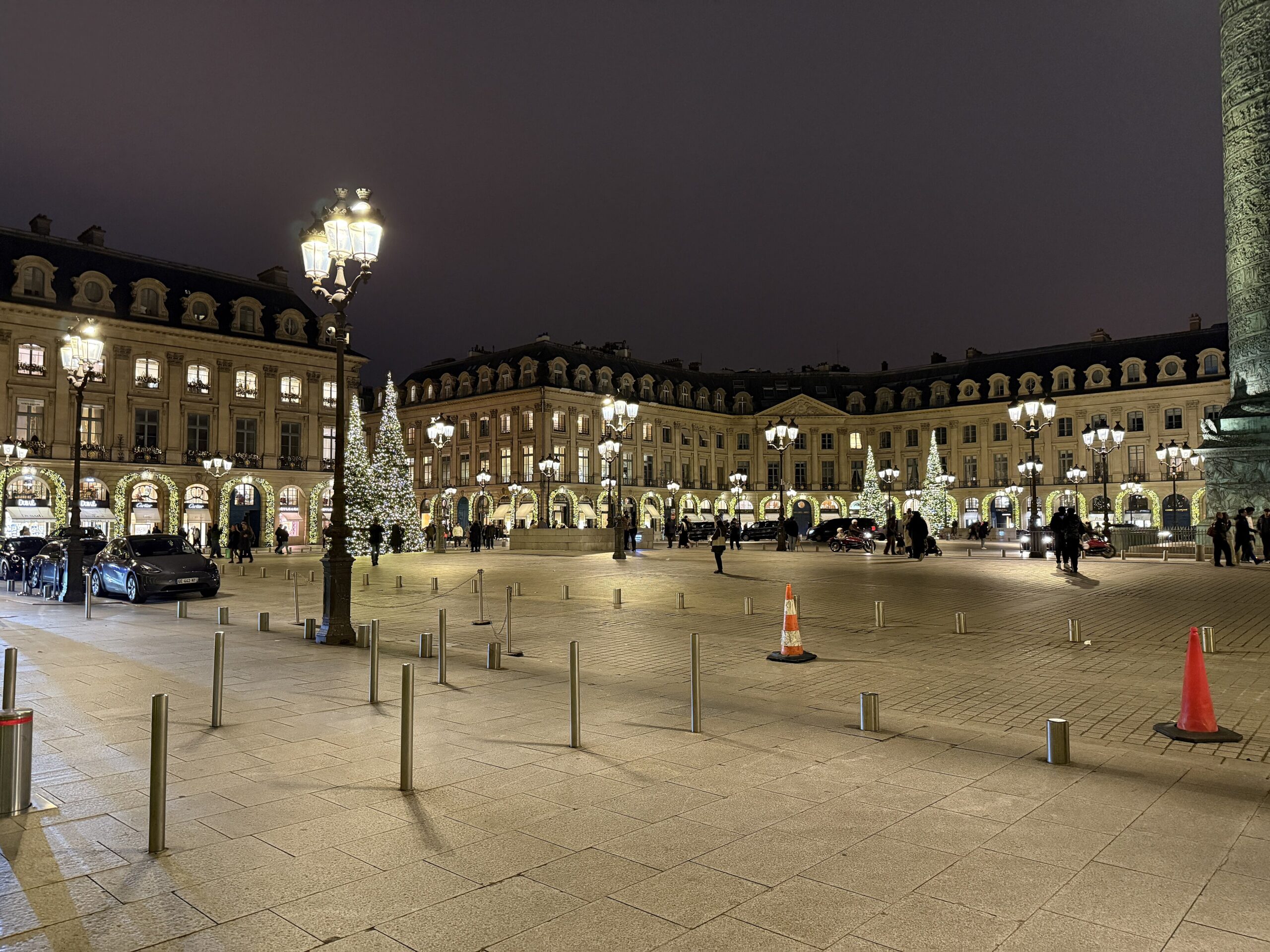
The beneficiaries sit where investment meets experience. Paris homes, Riviera villas and Alpine chalets are lifestyles and stores of value. Private banks, lawyers and family offices monetize preservation and succession; galleries and cultural institutions compete for patrons.
Hospitality captures a different wallet. Palace hotels, villas, Michelin-starred restaurants and retailers sell time, access and recognition. Aviation, yachts, chauffeurs, private tours and concierges prosper by removing friction. Our reporting on chauffeur fleets for major Paris events and the private-tour boom shows why coordination is part of the product.
The geography of affluent France
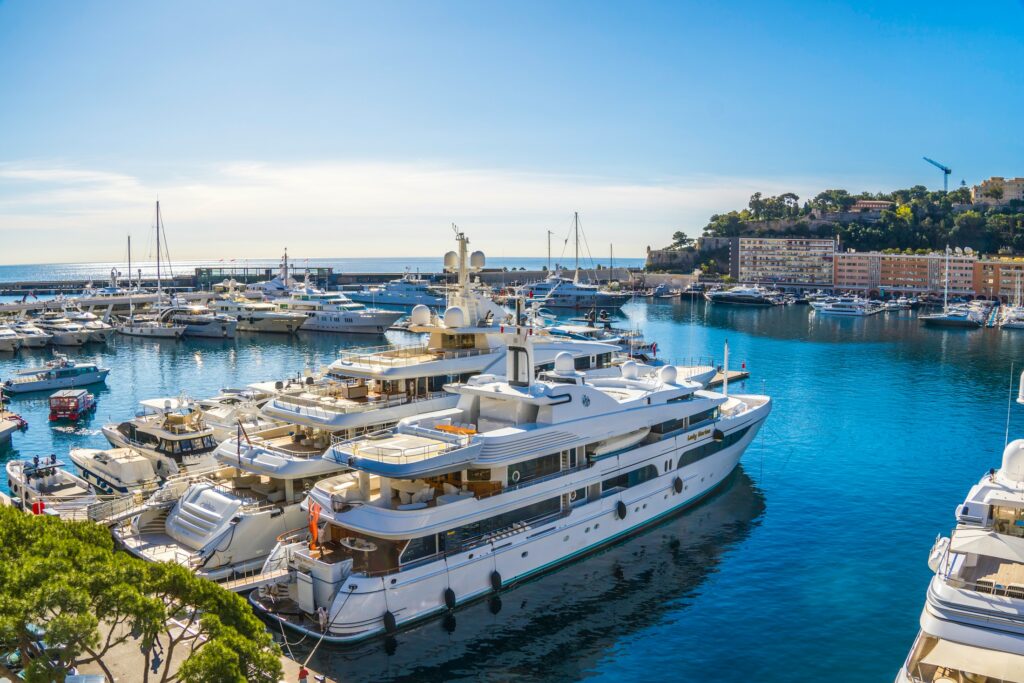
Paris concentrates finance, corporate ownership, fine art, haute couture, jewellery and palace hospitality. Cannes, Nice, Saint-Tropez and Monaco’s neighboring French Riviera form a seasonal ecosystem of villas, yachts, festivals, aviation and events. Courchevel converts winter into a high-value market for chalets, gastronomy and private mobility.
Elsewhere, Provence sells privacy; Champagne turns production into cellar access; Normandy combines estates, equestrian culture and heritage. Regional operators should package local scarcity with international service standards.

More domestic wealth, weaker international luxury spending?
Here lies the contradiction. Paris Île-de-France welcomed a record 23 million-plus international visitors in 2025, up 3%, and tourism generated almost €24 billion, up only 1%. Visitor volume and value did not move at the same speed.
Luxury company results reinforce the warning. LVMH reported €80.8 billion in 2025 revenue, but Fashion & Leather Goods declined 5% organically, and Europe weakened in the second half. That does not prove every Paris boutique declined. It does show why full hotels and crowded streets cannot be mistaken for uniformly strong luxury-shopping demand.
France may be creating domestic asset wealth while parts of retail lose spending to currency, geopolitics or changing tastes. Resident wealth supports restaurants, property and services, but does not automatically replace an international luxury shopper. The markets overlap; they are not interchangeable.

What luxury businesses should do next
Hotels, DMCs, agencies, retailers and restaurants should segment by behavior, not net worth. A property-rich retiree, a visiting executive and a family office require different products. Strong operators combine privacy, multilingual communication, access and service recovery.
Specialists must own the relationship. Platforms deliver reach, but first-party preferences and local partners create repeat value—a point explored in our analysis of AI and human travel advisors and tourism investment around landmark institutions.
OUISTARS offers one practical example: a French destination specialist linking private chauffeur services, airport transfers and business travel coordination with tailored local planning. The defensible advantage is not conspicuous luxury. It is continuity across the journey.
Generic packages, inconsistent handoffs and luxury as decoration will miss this market. The opportunity belongs to companies that distinguish paper wealth from purchasing intent—and turn service into trust.
Wealth is rising; value must be earned
Taxation will remain part of the debate. France’s property wealth tax applies above €1.3 million in net taxable real estate, while the 2026 budget renewed a minimum 20% contribution for certain high-income households and introduced a targeted levy on selected luxury assets held through patrimonial companies. These policies reflect the tension between attracting capital, funding public services and answering concern about inequality.
The rise of millionaires in France is therefore neither a celebration nor an indictment. It is a market signal. More wealth exists, but it is uneven, often illiquid and increasingly discerning. The winners will be those who understand where that wealth came from, what its owners value and why genuine luxury begins long before a purchase.
Frequently Asked Questions
How many millionaires live in France?
UBS estimates that 2.388 million US-dollar millionaires lived in France at the end of 2025, including 34,604 people added during the year.
Does a millionaire need one million dollars in cash?
No. The UBS measure is net worth: financial assets plus real assets, principally housing, minus debts. It is not a measure of cash or annual income.
Why did France gain millionaires despite slow economic growth?
Asset-market performance, business values, property, inheritance, saving and currency conversion can increase net wealth even when GDP and household purchasing power grow slowly.
Which French sectors benefit most from millionaire spending?
Prime property, private banking, luxury hospitality, fine dining, fashion, jewellery, art, private aviation, yachting, chauffeur services and bespoke travel are among the principal beneficiaries.
Are wealthy French residents replacing international luxury shoppers?
Not completely. Resident wealth supports many sectors, but international visitors have different purchasing patterns. Strong visitor numbers therefore do not guarantee equally strong spending in every luxury category.









_-_2025-01-11_-_3.jpg)
_-_2026-02-19_-_1.jpg)